Monstera plants grow new leaves through a fascinating process. Understanding this can help you care for your plant better.
Monstera, also known as the Swiss Cheese Plant, is famous for its unique leaves. Watching new leaves unfurl is an exciting experience for plant lovers. These tropical plants thrive with the right conditions, producing stunning foliage. Knowing how Monstera grows new leaves involves looking at factors like light, water, and nutrients.
This knowledge ensures your Monstera stays healthy and vibrant. Whether you’re a seasoned plant owner or a beginner, understanding this growth process will enhance your plant care routine. Ready to dive in? Let’s explore how Monstera grows new leaves and what you can do to support this natural process.

Introduction To Monstera Plants
Monstera plants, often called Swiss cheese plants, are beloved by plant enthusiasts. These tropical plants are known for their striking leaves. Their unique, hole-filled foliage gives them their distinctive look.
Monstera Popularity
Monstera plants have seen a surge in popularity recently. Their bold, dramatic leaves make them a favorite in home décor. They bring a touch of the jungle into any space. Social media has also played a role in their rise. Instagram and Pinterest are filled with images of these beautiful plants. Their aesthetic appeal is undeniable.
Basic Plant Characteristics
Monstera plants are native to Central and South America. They thrive in warm, humid environments. Here are some basic characteristics:
| Characteristic | Detail |
|---|---|
| Leaf Shape | Large, heart-shaped with holes |
| Height | Can grow up to 10 feet indoors |
| Light | Prefers bright, indirect light |
| Water | Water when topsoil is dry |
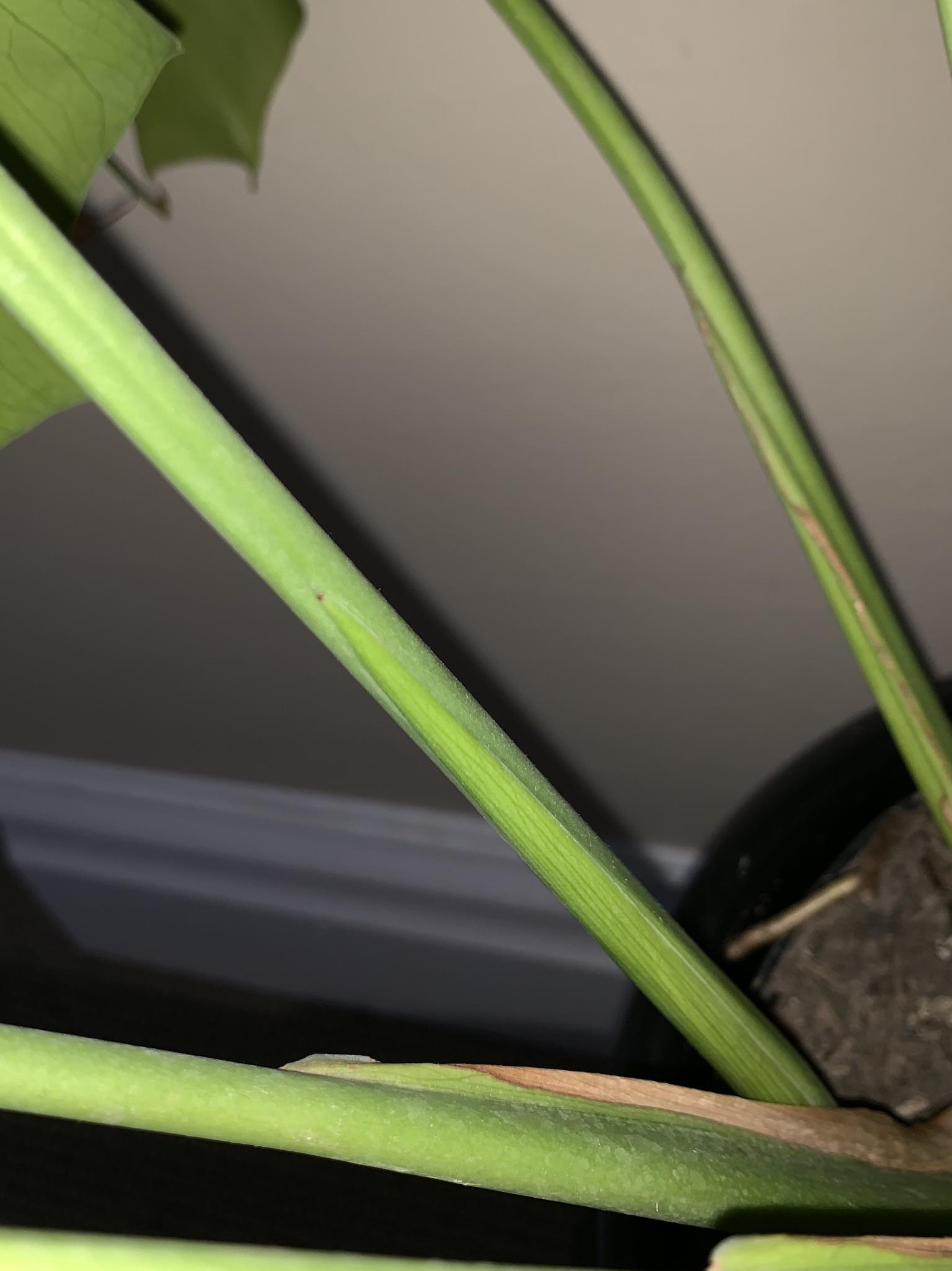
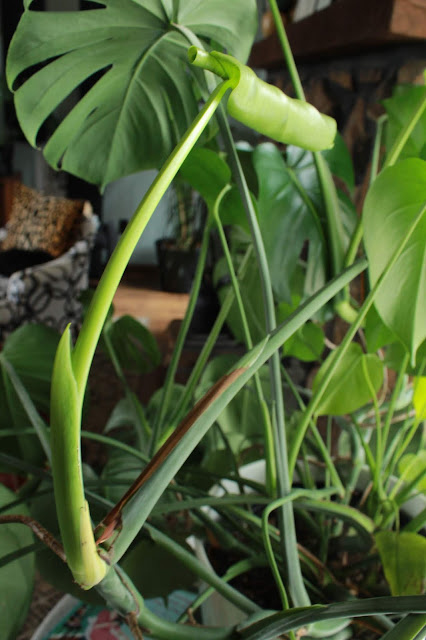
Monstera plants produce new leaves regularly. New leaves unfurl from a sheath called a cataphyll. These new leaves start small and gradually grow larger.
Monstera plants also develop aerial roots. These roots help the plant climb and stabilize. They can absorb moisture from the air, aiding growth. Each part of the plant works together to create its lush appearance.
Understanding these basic characteristics helps in caring for Monstera plants. They are relatively easy to maintain with proper knowledge.
Ideal Growing Conditions
Monstera plants are popular for their unique and beautiful leaves. For your Monstera to thrive and produce new leaves, it needs the right growing conditions. Let’s explore the ideal environment for your plant.
Light Requirements
Monsteras need bright, indirect light. Direct sunlight can scorch their leaves. Place your plant near a window with filtered light. North or east-facing windows are ideal. If natural light is not enough, use a grow light. Ensure the light is not too intense.
Temperature And Humidity
Monsteras prefer warm temperatures. Keep your room between 65-85°F (18-29°C). Avoid cold drafts and sudden temperature changes. High humidity is also important. Aim for at least 60% humidity. You can use a humidifier or mist the leaves regularly. Grouping plants together can also increase humidity levels.
Soil And Potting
Monstera plants are a favorite among houseplant enthusiasts. Their unique leaves and ease of care make them perfect for indoor spaces. To help your Monstera grow new leaves, focus on soil and potting.
Best Soil Mix
Monstera plants need well-draining soil. Choose a mix with peat moss, pine bark, and perlite. This ensures the roots get enough air and do not rot. Avoid heavy soils. They hold too much water and can harm the plant.
Soil with good aeration supports healthy root growth. It helps the plant absorb nutrients. This is key for producing new leaves. A good soil mix also helps maintain the right moisture level. This balance is crucial for Monstera health.
Choosing The Right Pot
Selecting the right pot is essential. Monstera roots need room to grow. Pick a pot with drainage holes. This prevents water from sitting at the bottom. It reduces the risk of root rot.
Consider the pot size. It should be slightly larger than the root ball. Too large a pot can hold excess water. This can lead to root problems. A pot that is too small can restrict growth. Monitor your Monstera and repot as needed.
Using the right pot and soil mix helps your Monstera thrive. It encourages the growth of new, beautiful leaves. Happy planting!

Watering Techniques
Monstera plants, known for their large, perforated leaves, are a favorite among indoor plant enthusiasts. Proper watering techniques play a crucial role in ensuring healthy growth and the emergence of new leaves. Understanding how often to water and recognizing signs of overwatering can make all the difference in maintaining a thriving Monstera.
How Often To Water
Watering frequency depends on factors such as climate, pot size, and soil type. As a general rule, water your Monstera every 1-2 weeks. During summer, you might need to water more frequently due to higher temperatures. In winter, reduce watering as the plant’s growth slows down.
To determine if your Monstera needs water, check the soil. Insert your finger about an inch deep into the soil. If it feels dry, it’s time to water. Ensure the soil is well-draining to prevent root rot.
Signs Of Overwatering
Overwatering can be detrimental to your Monstera’s health. Recognize the signs to avoid potential damage:
- Yellow Leaves: One of the most common signs of overwatering. Yellowing usually starts at the base.
- Wilting: Despite being watered, the plant may appear wilted.
- Soggy Soil: Consistently wet soil indicates overwatering.
- Root Rot: A severe consequence of overwatering. Roots become brown and mushy.
To address overwatering, allow the soil to dry out completely before the next watering. Repot the plant if necessary, using fresh, well-draining soil to improve aeration and prevent further issues.
Fertilization
Fertilization plays a key role in helping Monstera grow new leaves. With the right nutrients, Monstera plants thrive and produce lush, vibrant foliage. Understanding the types of fertilizers and the best fertilizing schedule can make all the difference.
Types Of Fertilizers
Choosing the right fertilizer is essential for healthy Monstera growth. Here are some options:
- Liquid Fertilizers: Easy to apply and quickly absorbed by the plant.
- Granular Fertilizers: Slow-release and provide nutrients over a longer period.
- Organic Fertilizers: Made from natural materials, these are eco-friendly and promote soil health.
| Fertilizer Type | Benefits |
|---|---|
| Liquid Fertilizers | Quick absorption, easy application |
| Granular Fertilizers | Long-lasting, slow-release |
| Organic Fertilizers | Eco-friendly, improves soil health |
Fertilizing Schedule
Knowing when to fertilize your Monstera is just as important as choosing the right type. Follow this simple schedule for optimal growth:
- Spring: Start fertilizing as new growth begins. Apply every 4 weeks.
- Summer: Continue regular fertilization. Apply every 4 weeks.
- Fall: Reduce fertilization. Apply every 6-8 weeks.
- Winter: Pause fertilization. Let the plant rest.
Always follow the instructions on the fertilizer package. Over-fertilizing can harm your plant. Adjust the schedule based on your plant’s response and growth.
Pruning For Health
Pruning is essential for the health of your Monstera plant. It promotes growth, prevents diseases, and keeps your plant looking its best. Let’s explore why pruning matters and how to do it correctly.
Why Pruning Matters
Pruning helps your Monstera stay healthy. It removes dead or yellowing leaves, which can harbor pests and diseases. It also improves air circulation around the plant.
When you prune, you encourage new growth. This leads to a fuller, more vibrant plant. Pruning can also control the size of your Monstera, making it easier to manage indoors.
Proper Pruning Methods
Use sharp, clean tools to prune your Monstera. This prevents damage and reduces the risk of infection. Start by cutting away any dead or yellow leaves. Cut close to the main stem, but be careful not to damage it.
Next, trim any long or leggy stems. Cut just above a node, where new leaves will grow. If your Monstera has aerial roots, you can trim these back as well. This keeps the plant neat and prevents it from spreading too much.
Always disinfect your tools before and after pruning. This helps prevent the spread of diseases. You can use rubbing alcohol or a bleach solution.
| Step | Action | Purpose |
|---|---|---|
| 1 | Remove dead leaves | Prevent pests and diseases |
| 2 | Trim leggy stems | Encourage new growth |
| 3 | Cut aerial roots | Maintain plant shape |
| 4 | Disinfect tools | Prevent disease spread |
In summary, pruning keeps your Monstera healthy and beautiful. Follow these steps for the best results.
Propagation Methods
Monstera plants, known for their iconic split leaves, can be propagated in multiple ways. Propagation methods allow you to grow new plants from existing ones. This is a great way to expand your indoor jungle or share plants with friends.
Stem Cuttings
Stem cuttings are a popular method for propagating Monstera. You need to ensure that each cutting has at least one node. Nodes are the points where leaves and roots grow.
- Use clean, sharp scissors or a knife.
- Cut below a node, including a few inches of stem.
- Remove any leaves near the cut end.
Place the cutting in water, ensuring the node is submerged. Change the water every few days to keep it fresh. Roots will start to grow in a few weeks. Once the roots are a few inches long, you can plant the cutting in soil.
Air Layering
Air layering is another effective propagation method. This technique allows the plant to grow roots while still attached to the parent plant.
- Choose a healthy stem with a node.
- Make a small cut in the stem, about one-third of the way through.
- Wrap the cut area with moist sphagnum moss.
Secure the moss with plastic wrap and twist ties. Keep the moss moist by misting it regularly. In a few weeks, roots will form inside the moss. Once the roots are visible, you can cut the stem below the roots and plant it in soil.
Both methods are simple and effective. They help ensure your Monstera plants continue to thrive and beautify your space.
Common Problems And Solutions
Monstera plants are popular for their large, beautiful leaves. But growing new leaves can sometimes bring challenges. This section will help you identify common problems and solutions. Addressing these issues ensures your Monstera stays healthy and continues to grow stunning new leaves.
Pest Control
Pests can harm your Monstera. Common pests include spider mites, mealybugs, and scale. These insects feed on the plant’s sap. This can cause leaf discoloration and stunted growth. Regularly inspect your Monstera for signs of pests. Look for small, sticky spots or tiny bugs on the leaves.
To treat pests, use a mixture of water and mild soap. Spray this solution on the affected areas. Neem oil is another effective treatment. It repels and kills many common pests. Keep your plant in a clean environment. This reduces the risk of pest infestations.
Disease Prevention
Diseases can also affect Monstera plants. Common diseases include root rot and leaf spot. Root rot occurs from overwatering. It causes the roots to become mushy and discolored. Ensure proper drainage to prevent root rot. Let the soil dry out between waterings.
Leaf spot is another common problem. It appears as dark spots on the leaves. This can result from fungal or bacterial infections. Remove affected leaves to stop the spread. Use a fungicide to treat fungal infections. Ensure good air circulation around the plant.
By addressing these common problems, your Monstera will thrive. Healthy plants grow new leaves more easily. Regular care and monitoring are key to a happy Monstera.
Encouraging New Leaf Growth
To encourage your Monstera to grow new leaves, it’s essential to provide the right care and environment. This involves optimizing the growing conditions and recognizing the signs of new growth. Let’s explore how you can help your Monstera thrive and produce beautiful new leaves.
Optimizing Conditions
Monstera plants need specific conditions to thrive. Here are key factors to consider:
- Light: Bright, indirect light is ideal. Avoid direct sunlight.
- Watering: Water when the top inch of soil is dry. Do not overwater.
- Humidity: High humidity helps. Consider using a humidifier.
- Temperature: Keep temperatures between 65-85°F (18-29°C).
- Soil: Use well-draining soil. A mix for aroids is best.
- Fertilizer: Feed monthly during growing seasons with a balanced fertilizer.
Signs Of New Growth
Recognizing new growth signs can be exciting. Here are some indicators:
- New Shoots: Look for small shoots emerging from the soil.
- Leaf Unfurling: New leaves will slowly unfurl from the plant’s center.
- Brighter Green: New leaves are often a brighter green than older ones.
- Increased Size: Leaves become larger and develop fenestrations.
- Active Growth: The plant appears to grow faster during these periods.
| Condition | Optimal Range |
|---|---|
| Light | Bright, indirect |
| Watering | When top inch is dry |
| Humidity | High |
| Temperature | 65-85°F (18-29°C) |
| Soil | Well-draining |
| Fertilizer | Monthly during growing seasons |
By optimizing these conditions and recognizing signs of new growth, you can ensure your Monstera remains healthy and continues to produce stunning new leaves.
Frequently Asked Questions
How Often Do Monstera Grow New Leaves?
Monstera typically grow new leaves every 4-6 weeks. This depends on their environment and care. Adequate light, humidity, and watering can encourage regular new leaf growth.
What Conditions Help Monstera Grow New Leaves?
Monstera thrive in bright, indirect light, high humidity, and well-draining soil. Regular watering and occasional feeding with balanced fertilizer promote new leaf growth.
How Do I Encourage Monstera Leaf Growth?
Provide your Monstera with bright, indirect light, high humidity, and consistent watering. Fertilize monthly during growing season to boost leaf production.
Do Monsteras Need Fertilizer For New Leaves?
Yes, fertilizing your Monstera monthly during the growing season with a balanced fertilizer supports new leaf growth and overall health.
Conclusion
New leaves on a Monstera plant bring joy to plant lovers. Regular care helps them thrive. Watering, light, and humidity are key factors. Be patient and watch your plant grow. Each new leaf reveals the plant’s health. Pruning dead leaves encourages new growth.
Proper soil mix is important for root health. Enjoy the beauty of each fresh leaf. Monstera plants reward care with lush, green leaves. Keep nurturing your plant for continuous new growth. Happy growing!
Leave a Reply