
Want to keep your Monstera at a manageable size? Here’s how.
Monstera plants, with their distinctive leaves, are beautiful indoor additions. But they can grow rapidly and take over your space. Understanding how to control their growth is essential for a balanced home environment. This guide will help you manage your Monstera’s size effectively.
Whether you want to limit its height, width, or overall spread, there are practical steps you can take. From pruning techniques to pot size adjustments, we’ll cover it all. Keep reading to learn the best methods to keep your Monstera thriving without overwhelming your space. Stay in control and enjoy a well-maintained, beautiful plant.
Pruning Techniques
Pruning is essential to keep your Monstera plant from overgrowing. It helps you control its size and shape. Proper pruning can also improve the plant’s health. Let’s delve into effective pruning techniques.
When To Prune
Knowing the right time to prune your Monstera is crucial. The best time to prune is during the plant’s active growth phase. This usually occurs in spring and summer. Avoid pruning in winter when the plant is dormant. Pruning during active growth ensures faster healing.
Tools Needed
Using the right tools makes pruning easier and safer for your plant. Below is a list of essential tools:
- Sharp Pruning Shears: Ensure your shears are clean and sharp.
- Gloves: Wear gloves to protect your hands from sap.
- Disinfectant: Use this to clean your shears before and after pruning.
Proper tools prevent damage to your Monstera. They also help avoid the spread of diseases.

Controlling Light Exposure
Controlling light exposure plays a crucial role in managing your Monstera’s growth. The right balance of light can help keep your plant healthy without overgrowing. By adjusting the light conditions, you can effectively control its size and growth rate.
Ideal Light Conditions
Monsteras thrive in bright, indirect light. Direct sunlight can burn the leaves and cause damage. Place your Monstera near a window with filtered light. This helps in maintaining its growth without making it too aggressive. A north or east-facing window is ideal for balanced light exposure.
Using Shade
Using shade can help control Monstera’s size. If your Monstera receives too much light, consider using a sheer curtain. This reduces the light intensity without depriving the plant. Alternatively, you can move the plant to a shadier spot. This will slow down its growth while keeping it healthy. Remember, too little light can make the plant leggy and weak.
Water Management
Water management is crucial in controlling the growth of your Monstera plant. Proper hydration keeps it healthy but overwatering can lead to rampant growth and other issues. Understanding how to manage water effectively can help you keep your Monstera in check.
Proper Watering Schedule
Creating a proper watering schedule is key. Water your Monstera once a week. Check the soil moisture. The top inch should be dry before watering again. Use a pot with drainage holes. This helps excess water escape. During winter, water less often. Monstera needs less water in colder months.
Signs Of Overwatering
Overwatering can harm your Monstera. Look for yellowing leaves. This is a sign of too much water. Soft, mushy stems are another indicator. Check for mold or fungus at the soil surface. These are signs of an overly wet environment. If you see these signs, reduce watering. Let the soil dry out before the next watering.
Soil And Potting Considerations
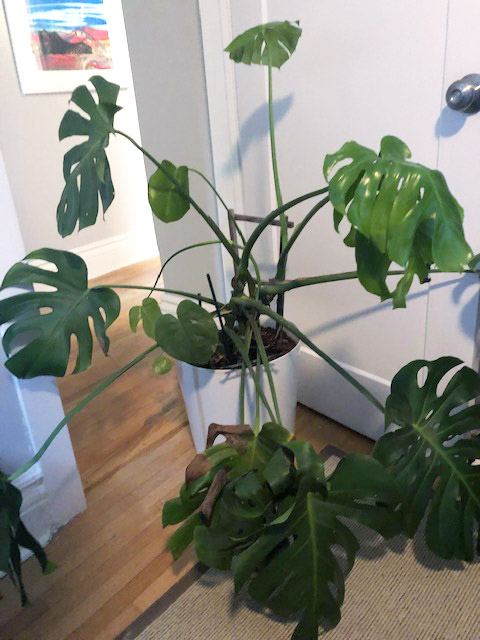
Monstera plants can grow quite large if not managed properly. One key aspect of controlling their growth involves careful soil and potting considerations. These factors play a crucial role in limiting the size and spread of your Monstera. By focusing on the right soil and pot, you can help keep your plant’s growth in check.
Choosing The Right Soil
Monstera plants thrive in well-draining soil. Opt for a mix that includes peat moss, perlite, and pine bark. This combination ensures good aeration and moisture retention without waterlogging. Avoid heavy, clay-based soils as they retain too much water, promoting root rot.
Pot Size And Type
The size and type of pot can influence your Monstera’s growth. Choose a pot that is slightly larger than the root ball. This limits the space for roots to expand, controlling the plant’s overall size. Use pots with drainage holes to prevent water accumulation.
Plastic pots are lightweight but may retain more moisture. Terra cotta pots are heavier and provide better aeration. Both types have their benefits, so choose based on your specific needs and environment.
Nutrient Control
Controlling the nutrients your Monstera receives is key to managing its growth. Monstera plants thrive on a balanced diet. By regulating the nutrients, you can keep their size in check. Let’s explore the best practices for nutrient control.
Fertilizer Types
Choosing the right fertilizer is essential. Use a balanced fertilizer with equal parts nitrogen, phosphorus, and potassium. Avoid high-nitrogen fertilizers. They can promote excessive growth. Organic options are also a good choice. Compost or worm castings work well.
Frequency Of Feeding
Feed your Monstera sparingly. Over-fertilizing can cause rapid growth. Once every 6-8 weeks is usually enough. In winter, feed even less. Plants grow slower in colder months. Always follow the instructions on the fertilizer package.
Temperature Regulation
Temperature regulation is key to controlling the growth of your Monstera. This tropical plant thrives in consistent conditions. Proper temperature management can help you maintain its size.
Optimal Temperature Range
The ideal temperature range for Monstera is between 65°F and 85°F (18°C and 29°C). Consistent temperatures in this range help the plant grow healthily. Here is a table for a quick overview:
| Temperature (°F) | Temperature (°C) |
|---|---|
| 65 | 18 |
| 70 | 21 |
| 75 | 24 |
| 80 | 27 |
| 85 | 29 |
Keep your Monstera in a room with steady temperatures. This prevents rapid growth and helps maintain its size.
Avoiding Temperature Extremes
Extreme temperatures can stress your Monstera. This stress leads to uncontrolled growth. Avoid placing your plant near drafty windows or heating vents. Sudden changes in temperature can harm its health.
Keep the plant away from cold drafts in winter. In summer, avoid direct exposure to air conditioning. These extremes can lead to shock. Shock can cause rapid growth spurts or stunted growth.
Here are a few tips to avoid temperature extremes:
- Place the Monstera away from doors and windows.
- Avoid placing it near radiators or heaters.
- Use a thermometer to monitor the room temperature.
Maintaining a stable environment ensures your Monstera grows at a controlled rate. This helps keep its size manageable.
Training And Support
Training and support are essential for managing the growth of your Monstera plant. By guiding the plant’s development, you can control its size and shape. This section will explore effective methods to support your Monstera. Learn how to use stakes, trellises, and direct growth.
Using Stakes And Trellises
Stakes and trellises provide vital support for your Monstera. Insert a stake near the base of the plant. Tie the main stem to the stake with soft ties. This will keep the plant upright and prevent sprawling.
Trellises work well for guiding vines. Place a trellis behind the Monstera. Gently weave the stems through the trellis. This method encourages vertical growth. It also helps manage the plant’s size.
Directing Growth
Directing growth involves training the plant’s stems and leaves. Prune new growth to limit size. Cut back stems that extend too far. This keeps the plant compact.
Guide the stems to grow in desired directions. Use soft ties to secure stems. Attach them to the stake or trellis. This method shapes the plant. It also improves airflow and light exposure.
Regularly adjust ties and supports. Monitor the plant’s growth. Make changes as needed. This ensures the Monstera stays healthy and manageable.
Regular Maintenance
Regular maintenance is key to keeping your Monstera manageable. By consistently monitoring its growth and health, you can prevent it from becoming too large and unwieldy. This involves routine checks, addressing pests and diseases, and ensuring your plant gets what it needs without overgrowing.
Routine Checks
Regularly inspect your Monstera for signs of overgrowth. Trim any excessive leaves or stems. This keeps the plant at a desired size. Use clean, sharp scissors for cutting. Pruning helps redirect the plant’s energy, promoting healthy growth.
- Inspect leaves and stems weekly
- Prune overgrown parts with clean scissors
- Remove yellow or damaged leaves
Addressing Pests And Diseases
Check your Monstera for pests and diseases frequently. Common pests include spider mites and scale insects. If left untreated, they can cause significant damage.
Use insecticidal soap or neem oil to treat infestations. For diseases, ensure proper watering and avoid overwatering. Fungus and root rot are common issues caused by excessive moisture.
- Inspect for pests like spider mites
- Treat infestations with insecticidal soap
- Ensure proper watering to prevent disease
Frequently Asked Questions
How To Prune A Monstera Plant?
Prune a Monstera by cutting off overgrown stems or leaves. Use sharp, clean scissors. Trim back to the main stem.
Why Is My Monstera Growing Too Fast?
Monstera grows fast due to optimal light, water, and nutrients. Adjust these to control growth rate.
Can I Stop Monstera From Spreading?
Yes, you can stop Monstera from spreading by regularly trimming off new aerial roots and shoots.
What Tools Do I Need To Prune Monstera?
You need clean, sharp scissors or pruning shears. Disinfect tools before use to prevent disease.
Conclusion
Keeping your Monstera’s growth in check is manageable with the right steps. Pruning, adjusting light, and managing nutrients all play key roles. Remember to monitor your plant regularly. Trim as needed. Consistent care ensures a healthy, beautiful Monstera that fits your space perfectly.
By following these tips, you can enjoy your plant without overwhelming growth. Happy gardening!