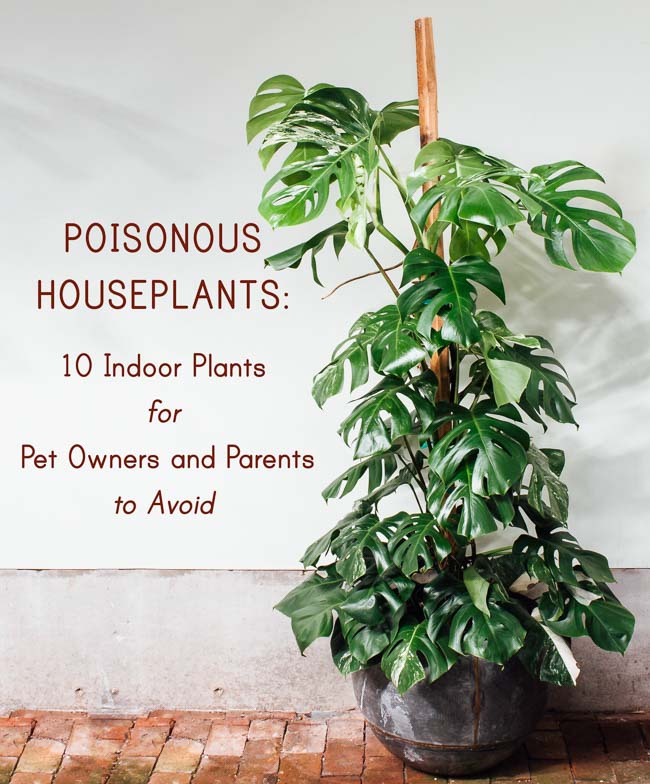
Monstera plants, with their stunning leaves, are a popular choice for indoor greenery. But pet owners need to be cautious. These beautiful plants can be harmful to dogs. The plant contains calcium oxalates which can irritate your dog’s mouth and digestive system.
If your furry friend chews on a Monstera leaf, they might experience pain, drooling, and vomiting. Knowing the risks can help you keep your pet safe while still enjoying the beauty of indoor plants. In this blog, we’ll discuss the specific dangers Monstera plants pose to dogs and what you can do to protect your pet.
Monstera Plant Characteristics
Monstera plants are popular houseplants known for their unique leaves. They have a tropical look with large, split leaves. Monstera plants can add a touch of the jungle to any room. But are they safe for dogs? Let’s explore their characteristics.
Common Varieties
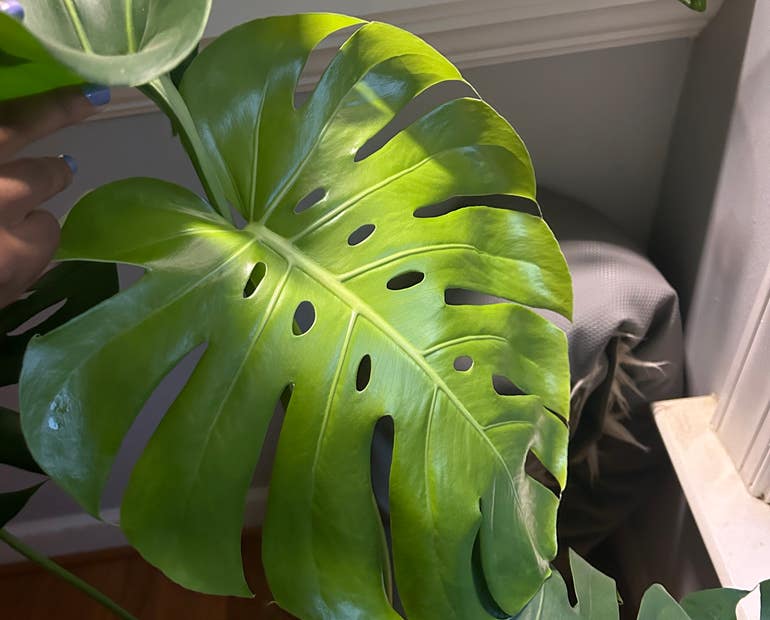
Several common Monstera varieties are grown indoors. Monstera deliciosa is the most famous. It has large, heart-shaped leaves with deep splits. Monstera adansonii, or the Swiss Cheese Plant, has smaller leaves with more holes. Each variety has its charm.
Growth And Care
Monstera plants are relatively easy to care for. They thrive in bright, indirect light. Water them when the top inch of soil feels dry. Overwatering can lead to root rot. Use well-draining soil for best results. They also appreciate high humidity.
Provide a support structure for their aerial roots. This helps them grow tall and strong. Regularly wipe the leaves to remove dust. This helps them absorb more light. With proper care, your Monstera plant will flourish.

Toxic Components
Monstera plants are popular for their unique, beautiful leaves. But, are they safe for dogs? The answer is no. Monstera plants contain toxic components that can harm pets. It’s important to know what makes them dangerous.
Calcium Oxalates
Monstera plants have calcium oxalates. These tiny crystals are sharp and needle-like. They can cause pain and irritation. When a dog chews on the plant, the crystals get released. This can lead to serious health issues.
Symptoms In Dogs
What happens if a dog eats Monstera? It shows clear symptoms. One sign is drooling. The dog may also paw at its mouth. Swelling of the mouth, tongue, and lips is common. Another symptom is difficulty swallowing. The dog might vomit or refuse to eat.
In severe cases, the dog can experience breathing problems. This needs urgent vet care. Keep Monstera plants out of reach to protect your furry friend.
Symptoms Of Poisoning
Monstera plants are popular for their stunning leaves. Yet, they pose a risk to dogs. Knowing the symptoms of poisoning is crucial. It helps in quick action and care.
Mild Reactions
If a dog eats a Monstera leaf, mild symptoms may show. Drooling is a common sign. The dog may also paw at its mouth. They may have a mild loss of appetite. Another sign is minor swelling of the lips or tongue. Dogs may also experience slight difficulty swallowing.
Severe Reactions
In severe cases, symptoms worsen. The dog might vomit. This can lead to dehydration. Extreme swelling of the mouth or throat can occur. This may cause breathing problems. The dog may show signs of intense pain. They might whine or cry more than usual. Immediate veterinary care is needed.
Immediate Actions
If your dog has ingested a Monstera plant, immediate action is crucial. The plant contains toxins that can harm pets. Acting fast can prevent severe health issues.
Emergency Steps
Follow these steps immediately:
- Remove any plant material from your dog’s mouth.
- Rinse your dog’s mouth with water to remove residue.
- Check for symptoms like drooling, vomiting, or swelling.
- Keep your pet calm and comfortable.
When To Contact A Vet
Contact a vet if you observe any of the following symptoms:
- Continuous vomiting
- Excessive drooling
- Swelling of the mouth or throat
- Difficulty breathing
- Unusual lethargy
Provide your vet with information about the plant and the symptoms. Early intervention can save your dog’s life.
Preventive Measures
Monstera plants can be harmful to dogs if ingested. Keep these plants out of reach to ensure pet safety. Consider using pet-safe plants as an alternative.
Monstera plants can be toxic to dogs. Thus, taking preventive measures is vital. By following some simple steps, you can keep your furry friend safe from harm. This section covers safe plant placement and pet-friendly alternatives.
Safe Plant Placement
Place Monstera plants out of reach. High shelves or hanging planters work well. Use plant stands that elevate the plants. Ensure the plants are not accessible from furniture. Monitor your dog’s behavior around plants. Remove any fallen leaves quickly.
Pet-friendly Alternatives
Choose non-toxic plants for your home. Spider plants are a good choice. Boston ferns are safe for dogs too. Calathea plants add beauty without risk. Herbs like basil and mint are dog-friendly. Always research plant toxicity before buying.
“`
Vet Treatment Options
If your dog ingests a Monstera plant, immediate veterinary care is crucial. The toxic elements in these plants can cause severe reactions. Vet treatment options play a vital role in addressing these issues. Timely intervention can make a significant difference in your dog’s recovery. Below are some common treatments and the recovery process.
Common Treatments
Veterinarians have several ways to treat plant poisoning. First, they may induce vomiting to remove the plant material. This helps to prevent further absorption of toxins.
Next, activated charcoal can be administered. It binds to the toxins, limiting their effects. This is a safe and widely used method.
Fluids may also be given intravenously. This helps to flush out the toxins faster. It also keeps the dog hydrated, which is essential for recovery.
Pain relief medications might be needed. Monstera plant poisoning can cause severe pain in dogs. These medications help to alleviate discomfort.
Recovery Process
The recovery process varies for each dog. It depends on the amount of plant ingested and the dog’s overall health. Regular monitoring by the vet is essential.
Follow-up visits may be required. These visits ensure that your dog is recovering well. The vet will check for any lingering symptoms or complications.
During recovery, a special diet might be recommended. This helps to soothe the digestive system and promote healing.
Provide a quiet and comfortable space for your dog to rest. Limit physical activity to avoid stress on the body.
With proper care and treatment, most dogs recover fully. Always keep Monstera plants out of reach to prevent future incidents.
Long-term Care
Taking care of a dog that has ingested a Monstera plant is crucial. Immediate treatment is important, but long-term care ensures your pet’s well-being. Here’s what you need to do to keep your dog healthy.
Monitoring Health
Watch your dog closely after the initial treatment. Check for any signs of distress. Symptoms might include drooling, vomiting, or difficulty swallowing. Take note of any unusual behavior.
Frequent vet visits are important. They help ensure your dog is recovering well. Your vet might suggest a special diet. Follow their advice for the best results.
Preventing Future Incidents
Keep Monstera plants out of reach. Place them in high locations. Consider hanging baskets or shelves. If possible, remove the plant from your home.
Train your dog to avoid plants. Use commands like “leave it” or “no.” Reward them for good behavior. Consistency is key.
Educate family members. Make sure everyone knows the risks. This helps prevent accidental exposure.

Frequently Asked Questions
Are Monstera Plants Harmful To Dogs?
Yes, Monstera plants are toxic to dogs. Ingesting them can cause oral irritation, drooling, and vomiting. It’s best to keep these plants out of your pet’s reach.
What Symptoms Do Dogs Show After Eating Monstera?
Dogs may show symptoms like drooling, vomiting, and difficulty swallowing. They may also paw at their mouth due to irritation.
How Can I Keep My Dog Safe From Monstera?
Place Monstera plants in areas inaccessible to pets. Consider using hanging planters or keeping them in rooms your dog doesn’t enter.
Can Monstera Cause Serious Health Issues In Dogs?
While not usually fatal, Monstera ingestion can cause significant discomfort and dehydration in dogs. Severe cases may need veterinary attention.
Conclusion
Monstera plants can be harmful to dogs. Keep them out of reach. Always monitor your pets around houseplants. Consider safer plant alternatives. Your furry friend’s health comes first. Be proactive and informed. Safe plants create a worry-free home. Consult your vet for advice.
Choose wisely for a pet-friendly environment. Happy pet, happy home.
Leave a Reply