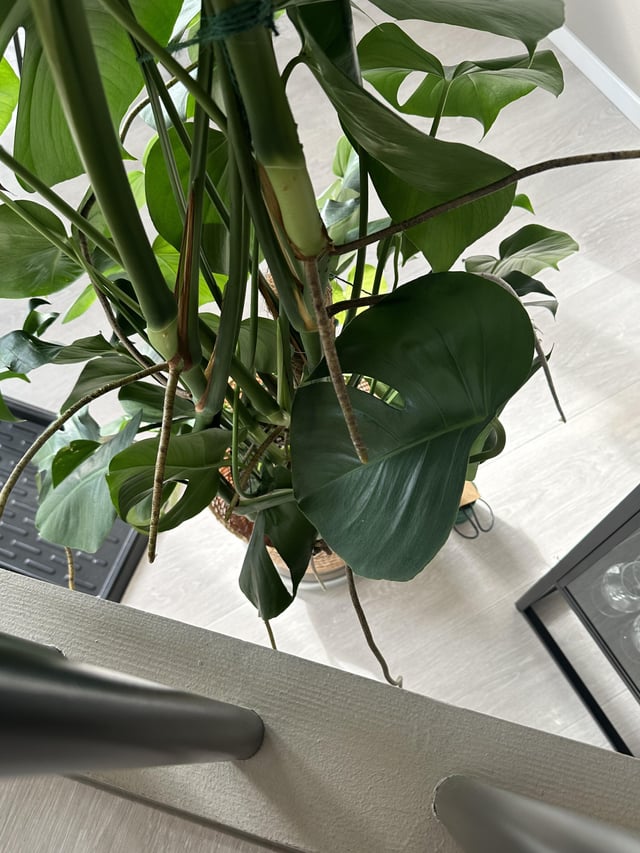
A Monstera plant without aerial roots can be puzzling. Aerial roots are common in these popular houseplants.
They help the plant climb and absorb moisture. Are you wondering why your Monstera lacks these unique roots? You are not alone. Many plant owners notice this and seek answers. Aerial roots serve important functions for Monstera plants. They aid in climbing and provide extra nutrients.
Without them, the plant might struggle to thrive. In this blog post, we will explore reasons why your Monstera might not have aerial roots. We will also discuss how to encourage their growth. Understanding this can help you care better for your Monstera and ensure it stays healthy and strong.

Introduction To Monstera Aerial Roots
Monstera plants are loved for their unique leaves and tropical vibe. Aerial roots are a key feature of these plants. If your Monstera lacks aerial roots, don’t worry. Let’s dive into what these roots are and why they matter.
What Are Aerial Roots?
Aerial roots grow above the soil. They emerge from the plant’s stem. These roots are different from regular roots. They are often long and stringy. They can look like vines or tendrils. Aerial roots help the plant in various ways.
Importance For Monstera Plants
Aerial roots are essential for Monsteras. They help the plant climb and anchor itself. This gives the Monstera support and stability. Strong aerial roots can make your plant healthier.
These roots also absorb moisture from the air. This is especially useful in humid environments. Aerial roots help the plant get extra nutrients. They can grow into the soil and become regular roots. This helps the plant spread and thrive.
Here are some key benefits of aerial roots for Monsteras:
- Support and Stability: Helps the plant climb and stay upright.
- Moisture Absorption: Takes in water from the air.
- Nutrient Uptake: Helps the plant gather more nutrients.
Understanding aerial roots can help you care for your Monstera better. Keep an eye on these roots as your plant grows. Happy gardening!
Signs Of Missing Aerial Roots
Monstera plants are known for their unique and lush appearance. One key feature is their aerial roots. These roots help the plant climb and absorb moisture from the air. But what happens if your Monstera doesn’t have aerial roots? Recognizing the signs of missing aerial roots is crucial for understanding your plant’s health.
Visual Indicators
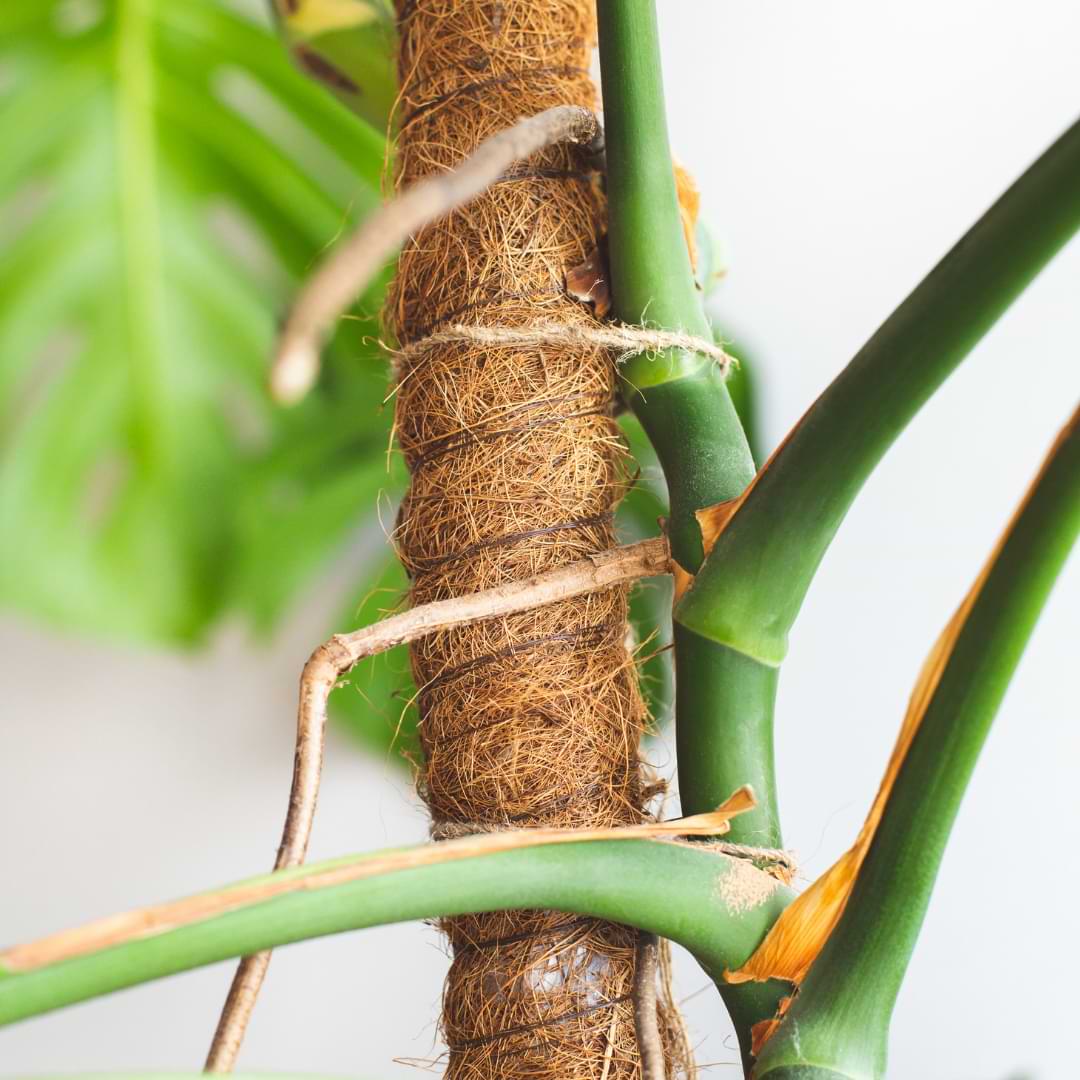
Visual indicators are the first signs to check. Look closely at the plant’s stem. Healthy Monstera plants typically show small, brownish nubs. These nubs are the beginnings of aerial roots.
If you don’t see these nubs, your plant might be missing aerial roots. Another sign is the absence of long, string-like roots hanging from the stem. These roots usually help the Monstera attach to surfaces.
Growth Patterns
Growth patterns also indicate missing aerial roots. Monstera plants with healthy aerial roots often grow more robustly and climb well. If your plant seems stunted or isn’t climbing, it might lack aerial roots.
Observe the plant’s leaves. Monstera leaves should be large and have natural splits and holes. Smaller leaves with fewer splits may suggest poor aerial root development.
Inconsistent growth can also be a sign. If some parts of the plant grow well while others do not, it could indicate issues with aerial roots.
| Signs | Possible Causes |
|---|---|
| No brownish nubs on stem | Underdeveloped aerial roots |
| Absence of long, string-like roots | Lack of aerial root growth |
| Stunted growth | Missing aerial roots |
| Small leaves with fewer splits | Poor aerial root development |
| Inconsistent growth patterns | Issues with aerial roots |
Recognizing these signs early can help you take steps to improve your Monstera’s health. Ensure the plant has proper conditions to encourage aerial root growth.
Common Causes For Absence
Noticing your Monstera plant doesn’t have aerial roots can be worrying. Aerial roots help the plant climb and absorb moisture. Understanding the reasons behind this absence can help solve the issue.
Environmental Factors
Environmental factors play a big role in the growth of aerial roots. Monstera plants thrive in humid environments. A dry environment can hinder root development. Ensure your home has enough humidity. You can use a humidifier. Proper light is also crucial. Monstera plants need bright, indirect light. Too much direct light can damage the plant. Too little light can stunt growth. Maintaining the right temperature is also important. Monsteras prefer temperatures between 65-85°F (18-29°C). Extreme temperatures can stress the plant, affecting root growth.
Nutrient Deficiencies
A lack of essential nutrients can prevent aerial roots from forming. Monsteras need a balanced diet of nutrients. Nitrogen is vital for leaf and root growth. Phosphorus supports root development. Potassium aids overall plant health. A deficiency in any of these can stunt aerial root growth.
Consider using a balanced fertilizer. Below is a simple table for nutrient needs:
| Nutrient | Importance | Sources |
|---|---|---|
| Nitrogen | Leaf and root growth | Compost, fish emulsion |
| Phosphorus | Root development | Bone meal, rock phosphate |
| Potassium | Overall health | Wood ash, kelp meal |
Check the soil pH as well. Monsteras prefer slightly acidic to neutral soil (5.5-7.0). Improper pH can lock out nutrients, preventing root growth.
Improper Light Conditions
If your Monstera doesn’t have aerial roots, improper light conditions could be the cause. Light plays a vital role in the growth and health of your Monstera. Without adequate light, the plant struggles to develop its signature aerial roots. Let’s explore how light affects your Monstera and how you can optimize it.
Ideal Light Requirements
Monstera plants thrive in bright, indirect light. Direct sunlight can scorch their leaves. A spot near an east or west-facing window works best. This provides the right balance of light without burning the plant.
Adjusting Light Exposure
Assess the light levels in your Monstera’s current location. If it’s too dim, consider moving it closer to a window. You can also use sheer curtains to filter intense sunlight.
If natural light is limited, use grow lights. Place them about 12 inches above the plant. This ensures the Monstera receives consistent light for several hours daily.
Humidity And Moisture Levels
Understanding the humidity and moisture levels your Monstera needs is crucial. These factors affect the growth of aerial roots. If your plant lacks aerial roots, it might be due to improper humidity or moisture levels. Let’s explore the optimal conditions.
Optimal Humidity Range
Monsteras thrive in environments with a humidity range of 60% to 80%. This range mimics their natural habitat. Maintaining this humidity helps in the development of aerial roots. If your indoor air is dry, consider using a humidifier.
Alternatively, you can place a tray of water near the plant. This increases the local humidity. Another option is to group your plants together. Plants naturally release moisture into the air, helping each other out.
| Humidity Level | Effect on Monstera |
|---|---|
| Below 40% | Dry leaves, no aerial roots |
| 40% – 60% | Average growth, minimal aerial roots |
| 60% – 80% | Optimal growth, healthy aerial roots |
| Above 80% | Risk of mold, overgrowth |
Maintaining Proper Moisture
Soil moisture is just as important as humidity. Monsteras prefer slightly moist soil. Overwatering can lead to root rot, while underwatering can dry out the roots.
To maintain proper moisture:
- Water your Monstera when the top inch of soil is dry.
- Ensure the pot has drainage holes.
- Use well-draining soil to prevent waterlogging.
Check the soil moisture regularly. Insert your finger into the soil. If it feels dry, it’s time to water. If it’s still moist, wait a few more days before watering again.
A good watering schedule helps in the healthy growth of aerial roots. Keep these factors in mind, and your Monstera will thrive!
Soil And Potting Mix
Finding the right soil and potting mix is vital for a healthy Monstera. The right mix helps in the growth of aerial roots. It ensures your plant thrives and grows strong. Let’s explore the best soil types and correct potting practices.
Best Soil Types
Monsteras prefer well-draining soil. This prevents root rot and promotes healthy growth. A mix of peat, perlite, and pine bark works well. Peat retains moisture without becoming waterlogged. Perlite improves aeration and drainage. Pine bark adds organic matter and supports root growth.
Avoid heavy, clay-like soil. It holds too much water and suffocates roots. Opt for a balanced mix that keeps the soil light and airy. This helps your Monstera develop strong aerial roots.
Correct Potting Practices
Choose a pot with drainage holes. This prevents water from sitting at the bottom. Use a pot that is slightly larger than the root ball. This gives roots space to grow.
Fill the pot one-third with your soil mix. Place your Monstera in the pot. Add more soil around the roots, pressing lightly. Water the plant until you see water draining from the bottom.
Do not compact the soil too much. Roots need space to breathe. Check the soil moisture regularly. Water only when the top inch feels dry. Proper potting ensures your Monstera gets the right support.
Fertilization Practices
Fertilization practices play a crucial role in the health and growth of your Monstera. Proper fertilization can help your plant develop strong roots, including aerial roots. Let’s explore the essential nutrients and some effective fertilizer application tips.
Essential Nutrients
Monsteras need a balanced diet of macronutrients and micronutrients to thrive. The primary macronutrients are:
- Nitrogen (N): Promotes leaf growth and overall health.
- Phosphorus (P): Supports root development and flowering.
- Potassium (K): Enhances disease resistance and water regulation.
Equally important are the micronutrients, which include:
- Calcium: Essential for cell wall structure.
- Magnesium: Vital for chlorophyll production.
- Iron: Important for enzyme function and chlorophyll synthesis.
Fertilizer Application Tips
Applying fertilizer correctly ensures your Monstera receives the nutrients it needs. Here are some tips:
- Choose a balanced fertilizer: Look for a 20-20-20 or 10-10-10 NPK ratio.
- Follow the instructions: Use the recommended amount to avoid over-fertilizing.
- Fertilize during the growing season: Apply fertilizer from spring through early autumn.
- Water before fertilizing: This helps prevent root burn and ensures nutrient absorption.
- Consider slow-release options: These provide a steady supply of nutrients over time.
By following these fertilization practices, your Monstera can develop healthy aerial roots and thrive.
Pruning And Plant Care
Taking care of your Monstera plant involves proper pruning and regular maintenance. These steps ensure healthy growth and development. Pruning helps manage the plant’s size and shape. It also encourages new growth and prevents disease. Regular maintenance keeps your Monstera in top condition, promoting its overall health.
Proper Pruning Techniques
Pruning your Monstera correctly is essential. Start by using clean, sharp pruning shears. Remove any yellow or damaged leaves. Cut close to the base of the stem. This helps the plant focus energy on healthy parts. Trim back overgrown vines to control the plant’s size. Make cuts just above a leaf node. This encourages new growth from that point. Avoid removing too many leaves at once. This can stress the plant.
Regular Plant Maintenance
Regular maintenance is key to a healthy Monstera. Water the plant when the top inch of soil feels dry. Ensure proper drainage to prevent root rot. Dust the leaves regularly to keep them clean. This allows the plant to photosynthesize efficiently. Check for pests like spider mites or aphids. Treat any infestations promptly. Rotate the plant occasionally. This ensures even light exposure and balanced growth. Fertilize the plant during the growing season. Use a balanced, water-soluble fertilizer every 4-6 weeks.
Encouraging Aerial Root Growth
If your Monstera plant lacks aerial roots, don’t worry. You can encourage their growth with a few simple techniques. Aerial roots help the plant climb and absorb moisture from the air. They are essential for a healthy and vibrant Monstera. Let’s explore how to promote their growth using training techniques and support structures.
Training Techniques
Training your Monstera involves guiding its growth to encourage aerial roots. Here are some effective methods:
- Moist Environment: Keep the air humid around the plant. Use a humidifier or mist the leaves regularly.
- Pruning: Trim any dead or unhealthy leaves. This helps the plant focus energy on new growth, including aerial roots.
- Light: Place your Monstera in bright, indirect light. Adequate light encourages healthy root development.
Using Support Structures
Support structures can help your Monstera grow aerial roots by mimicking natural conditions. Consider these options:
- Moss Pole: A moss pole provides a surface for aerial roots to attach. Keep the pole moist to simulate the plant’s natural habitat.
- Trellis: Use a trellis to guide the plant upward. This encourages aerial roots to form as they seek support.
- Stakes: Wooden or bamboo stakes can offer temporary support for young plants. Tie the stems gently to the stakes to direct growth.
By combining training techniques with support structures, you can encourage your Monstera to develop healthy aerial roots. This not only enhances the plant’s appearance but also boosts its overall health and growth.
Conclusion And Final Tips
Ensure your Monstera receives proper care to encourage aerial roots. Regular watering, indirect sunlight, and humidity help. With patience, your plant will thrive.
Taking care of a Monstera can be rewarding. If your Monstera doesn’t have aerial roots, don’t worry. Understanding the reasons can help you address the issue.Summary Of Key Points
Aerial roots are normal for Monstera plants. They help the plant climb and absorb moisture. Lack of aerial roots can be due to age, light, or humidity. Ensure your Monstera gets bright, indirect light. Maintain high humidity levels. Water the plant regularly but avoid overwatering. Healthy soil is key. Use a well-draining potting mix. Fertilize during the growing season for best results. Regular pruning encourages growth.Additional Resources
Explore plant care books and online forums for more tips. Websites like gardening blogs offer detailed guides. Join plant care groups on social media for advice and support. Consider consulting a local nursery. They can provide specific tips for your region. Happy growing! “`
Frequently Asked Questions
Why Doesn’t My Monstera Have Aerial Roots?
Aerial roots develop when humidity is high. If your Monstera lacks aerial roots, it might need more humidity or support.
How Can I Encourage Aerial Roots On Monstera?
To encourage aerial roots, increase humidity around the plant. You can mist it daily or use a humidifier.
Are Aerial Roots Essential For Monstera Growth?
Aerial roots are not essential but they help the plant climb and absorb more nutrients and moisture.
Can I Propagate Monstera Without Aerial Roots?
Yes, you can propagate Monstera from stem cuttings even if they don’t have aerial roots. Just ensure proper care.
Conclusion
Your Monstera not having aerial roots is not a big issue. Focus on proper care and environment. Ensure it gets enough light and humidity. Water it correctly and watch for changes. Sometimes, patience is key with plants. Each Monstera is unique.
With time and care, it will thrive. Happy gardening!
Leave a Reply