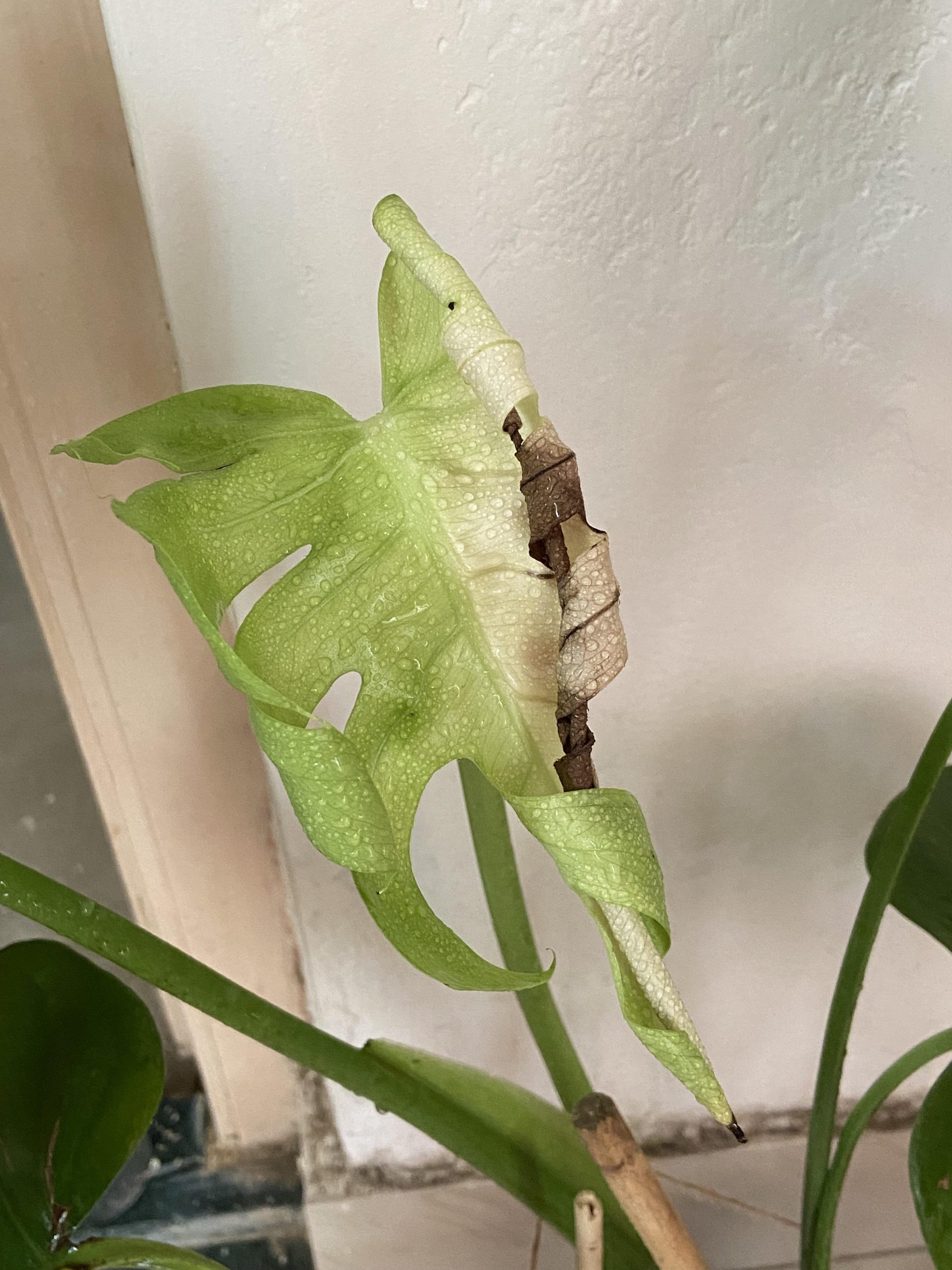
Monstera leaves turning brown can be concerning for plant lovers. This problem often points to underlying issues that need attention.
Monstera plants, with their large, glossy leaves, add a touch of the tropics to any home. But browning leaves can be a sign of trouble. It might be due to several reasons such as improper watering, low humidity, or pests.
Knowing the cause is the first step in restoring your plant’s health. In this blog post, we will explore the common reasons behind browning Monstera leaves and how to fix them. Understanding these factors will help you keep your Monstera thriving and beautiful. Let’s dive in and find out what’s causing those brown spots!
Common Causes Of Brown Leaves
Monstera plants are loved for their lush, green leaves. But when those leaves start turning brown, it can be alarming. Understanding the common causes of brown leaves can help you keep your Monstera healthy and thriving.
One of the main reasons Monstera leaves turn brown is improper watering. Both overwatering and underwatering can cause problems.
- Overwatering: When the soil is too wet, roots can rot. This prevents the plant from absorbing nutrients. Brown spots may appear on the leaves.
- Underwatering: Dry soil can lead to dehydration. The leaves will start to curl and turn brown at the edges.
To avoid these issues, check the soil moisture regularly. Water your Monstera when the top 1-2 inches of soil are dry.
Lighting is another crucial factor for Monstera health. Too much or too little light can cause brown leaves.
- Too much light: Direct sunlight can scorch the leaves. This leads to brown, crispy edges.
- Too little light: Insufficient light can weaken the plant. This results in yellowing and browning leaves.
Place your Monstera in bright, indirect light. Avoid direct sunlight exposure for extended periods.
Watering Issues
Monstera plants are popular for their beautiful, large leaves. However, brown leaves can be a common issue. One primary cause of brown leaves is improper watering. Understanding the balance of water is crucial for healthy Monstera leaves.
Overwatering
Too much water can harm your Monstera. The roots sit in waterlogged soil, causing root rot. This rot prevents roots from absorbing nutrients and water properly. As a result, leaves turn brown and soft. Check the soil before watering. It should be dry at the top.
Ensure the pot has proper drainage holes. Excess water should escape easily. Avoid letting the plant sit in a saucer of water. Overwatering can also lead to fungus and bacteria growth. These further damage the roots and leaves.
Underwatering
Not enough water can also cause brown leaves. Monstera leaves dry out and turn crispy. The plant will look droopy and sad. Check the soil regularly. If it feels dry more than an inch deep, it’s time to water.
Water the plant thoroughly. Ensure water reaches the roots. Let the excess water drain out. This helps the roots absorb water properly. A consistent watering schedule helps prevent underwatering. Adjust watering frequency based on the season and indoor climate.
Lighting Problems
Monstera plants need the right lighting conditions to thrive. Brown leaves often point to lighting issues. Both too much and too little light can cause problems. Let’s explore these further.
Too Much Sunlight
Monstera plants can burn in direct sunlight. Their leaves turn brown and crispy. They prefer bright, indirect light. Place your Monstera near a window with sheer curtains. This protects them from harsh rays. Keep an eye on the leaves. If they get brown spots, move the plant to a less sunny spot.
Insufficient Light
Too little light can also harm Monsteras. Their leaves may turn yellow or brown. They need light to produce energy. Without enough light, they struggle to stay healthy. Place your plant in a bright room. If natural light is limited, use a grow light. Ensure it gets enough light each day.
Soil And Nutrient Factors
Monstera plants thrive best in specific soil conditions and with the right nutrients. If their environment lacks these elements, their leaves can turn brown. Understanding soil and nutrient factors is crucial for keeping your Monstera healthy and vibrant.
Poor Soil Quality
Poor soil quality can cause Monstera leaves to turn brown. If the soil doesn’t drain well, the roots can rot. This leads to brown and unhealthy leaves. Ensure the soil is light and airy. A mix of peat, perlite, and pine bark works best.
Heavy or compacted soil restricts root growth. This makes it hard for the plant to absorb water and nutrients. Check the soil consistency. Replace it if it feels too dense.
Nutrient Deficiency
Nutrient deficiency is another reason for browning leaves. Monsteras need a balance of essential nutrients. Nitrogen, phosphorus, and potassium are key. Lack of these can cause discoloration and brown edges.
Check your plant’s feeding schedule. Use a balanced, water-soluble fertilizer. Apply it every two to four weeks during the growing season. This ensures the plant gets the nutrients it needs.
Pests And Diseases
Monstera leaves turning brown can often be a sign of pests and diseases. These issues can harm the plant’s health and beauty. Understanding the common pests and fungal infections can help you take action quickly.
Common Pests
Several pests can attack Monstera plants. Spider mites are tiny but cause big damage. They suck sap from the leaves, leaving them dry and brown. Look for small webs on the undersides of the leaves.
Scale insects are another problem. They appear as small, brown bumps on the stems and leaves. They also suck sap, weakening the plant over time.
Mealybugs are soft-bodied insects covered in white, cotton-like material. They can cluster on leaves and stems, causing yellowing and browning. Check for sticky residue, a sign of their presence.
Fungal Infections
Fungal infections can also cause Monstera leaves to turn brown. One common fungal disease is leaf spot. It appears as small, brown spots on the leaves. These spots can merge, causing large brown areas.
Root rot is another fungal issue. It affects the roots and can spread to the leaves. Overwatering often leads to root rot. Check for mushy roots and a foul smell.
Powdery mildew is a less common but still harmful fungus. It looks like a white, powdery coating on the leaves. This fungus can cause leaves to yellow and brown over time.
Environmental Stress
Environmental stress is a common cause of Monstera leaves turning brown. These plants thrive in specific conditions. Changes in their environment can lead to stress. This stress manifests in various ways, including browning leaves. Understanding the key factors causing this stress helps in maintaining healthy Monstera plants.
Temperature Extremes
Monstera plants prefer stable temperatures. Extreme temperature fluctuations cause stress. Sudden cold drafts or heat waves can harm them. They thrive best in temperatures between 65°F and 85°F. Avoid placing them near windows or vents. These areas often have drastic temperature changes. Consistent, moderate temperatures keep your Monstera happy.
Humidity Levels
Monstera plants love humidity. Low humidity causes their leaves to brown. Aim for humidity levels around 60%. Dry indoor air, especially in winter, is harmful. Use a humidifier to maintain the right moisture levels. Grouping plants together also increases humidity. Regular misting helps too. Ensure the leaves are not drenched, just lightly misted.
Preventative Measures
Monstera leaves turning brown can be distressing. Fortunately, you can take simple steps to keep your plant healthy. Understanding the right preventative measures is key to ensuring your Monstera thrives. Below are some essential tips for preventing browning leaves.
Proper Watering Techniques
Watering is crucial for Monstera health. Overwatering or underwatering can cause browning leaves. Use the following techniques:
- Check the soil moisture. Use your finger to feel the top two inches.
- Water when the top soil feels dry. Avoid letting the soil stay wet.
- Ensure good drainage. Use pots with drainage holes.
Proper watering keeps the roots healthy. Healthy roots prevent leaf browning.
Ideal Lighting Conditions
Lighting affects Monstera health. Too much or too little light can cause brown leaves. Follow these tips to provide ideal lighting:
- Place your Monstera in bright, indirect light.
- Avoid direct sunlight. Direct sun can scorch the leaves.
- Use sheer curtains if necessary. Curtains can diffuse harsh light.
Proper lighting ensures your Monstera grows strong. Strong growth prevents browning leaves.
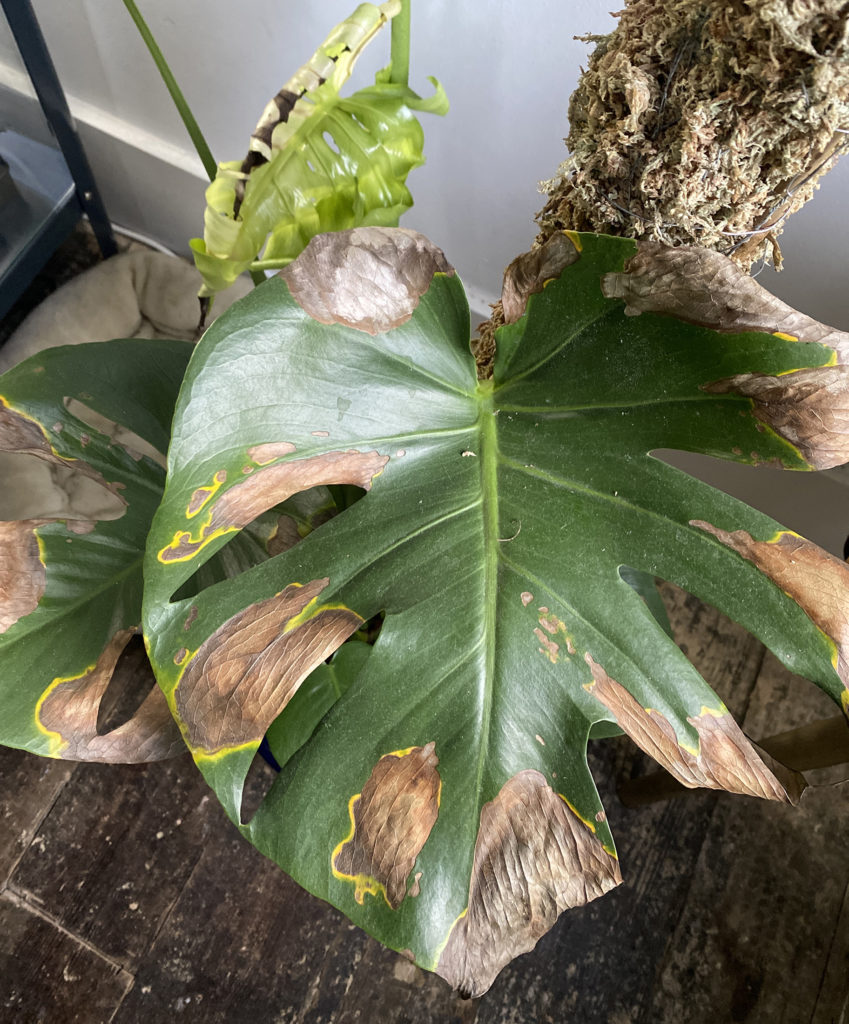
Reviving Your Monstera
Monstera plants, also known as Swiss cheese plants, are popular for their unique leaves. But, seeing brown leaves can be disheartening. Don’t worry! You can revive your Monstera with a few simple steps.
Pruning Brown Leaves
Pruning is essential for the health of your Monstera. Remove the brown leaves to promote new growth. Use clean, sharp scissors or pruning shears. Cut the leaf at the base where it meets the stem. This helps the plant focus its energy on healthy leaves.
Using Fertilizers
Fertilizing your Monstera can help it recover. Choose a balanced fertilizer with equal parts nitrogen, phosphorus, and potassium. Apply the fertilizer every 4-6 weeks during the growing season. Be careful not to over-fertilize. Over-fertilizing can damage the roots.
| Fertilizer Type | Application Frequency | Benefits |
|---|---|---|
| Balanced Fertilizer (10-10-10) | Every 4-6 weeks | Promotes overall growth |
| Liquid Fertilizer | Monthly | Quick absorption |
| Slow-Release Fertilizer | Every 3 months | Long-lasting nutrients |
Always follow the instructions on the fertilizer package. Too much fertilizer can do more harm than good. Monitor your plant for signs of improvement.
Expert Tips
Are you seeing brown spots on your beloved Monstera leaves? Don’t worry! Understanding the causes and applying expert tips can save your plant. Below, you’ll find some practical advice to keep your Monstera healthy and green.
Regular Monitoring
Regularly check your Monstera for signs of stress. Brown leaves can signal various issues. Look for the following:
- Dry soil
- Too much direct sunlight
- Pests
Use a moisture meter to ensure the soil isn’t too dry or too wet. Avoid placing your Monstera in direct sunlight. Indirect light is best. Inspect the plant for pests like spider mites and treat them promptly.
Seeking Professional Help
If regular monitoring doesn’t solve the issue, seek professional help. Expert advice can identify less obvious problems. Here are some steps to follow:
- Take clear photos of the affected leaves.
- Note any changes in the plant’s environment.
- Contact a local nursery or plant expert.
Provide them with as much information as possible. This helps them diagnose the problem accurately. Sometimes, it could be a nutrient deficiency or a disease that requires specific treatment.
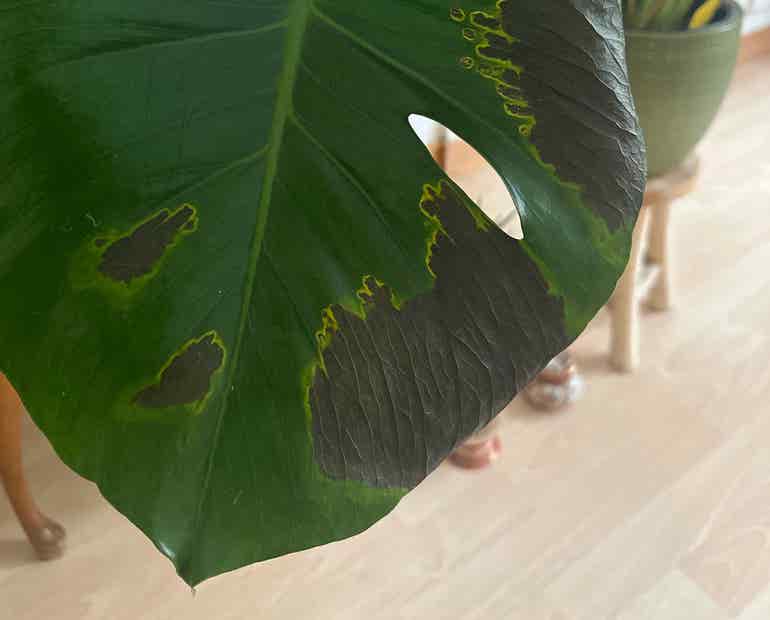

Frequently Asked Questions
Why Are My Monstera Leaves Turning Brown?
Monstera leaves can turn brown due to overwatering, underwatering, or low humidity. Check soil moisture and humidity levels.
How Do I Fix Brown Monstera Leaves?
Trim the brown edges and adjust watering habits. Ensure your Monstera gets enough humidity, light, and well-draining soil.
Can Brown Monstera Leaves Recover?
Once a leaf turns brown, it won’t turn green again. Prune the damaged leaves to encourage new growth.
Does Low Humidity Cause Brown Monstera Leaves?
Yes, low humidity can cause Monstera leaves to turn brown. Increase humidity by misting or using a humidifier.
Conclusion
Browning Monstera leaves can be worrying. But it’s often fixable. Check the plant’s light, water, and humidity. Adjust these to see improvements. Healthy leaves mean a happy plant. Regular care prevents most problems. Monitor your Monstera closely. Swift action helps stop browning early.
Enjoy caring for your beautiful plant. It’s rewarding and simple. Happy growing!
Leave a Reply