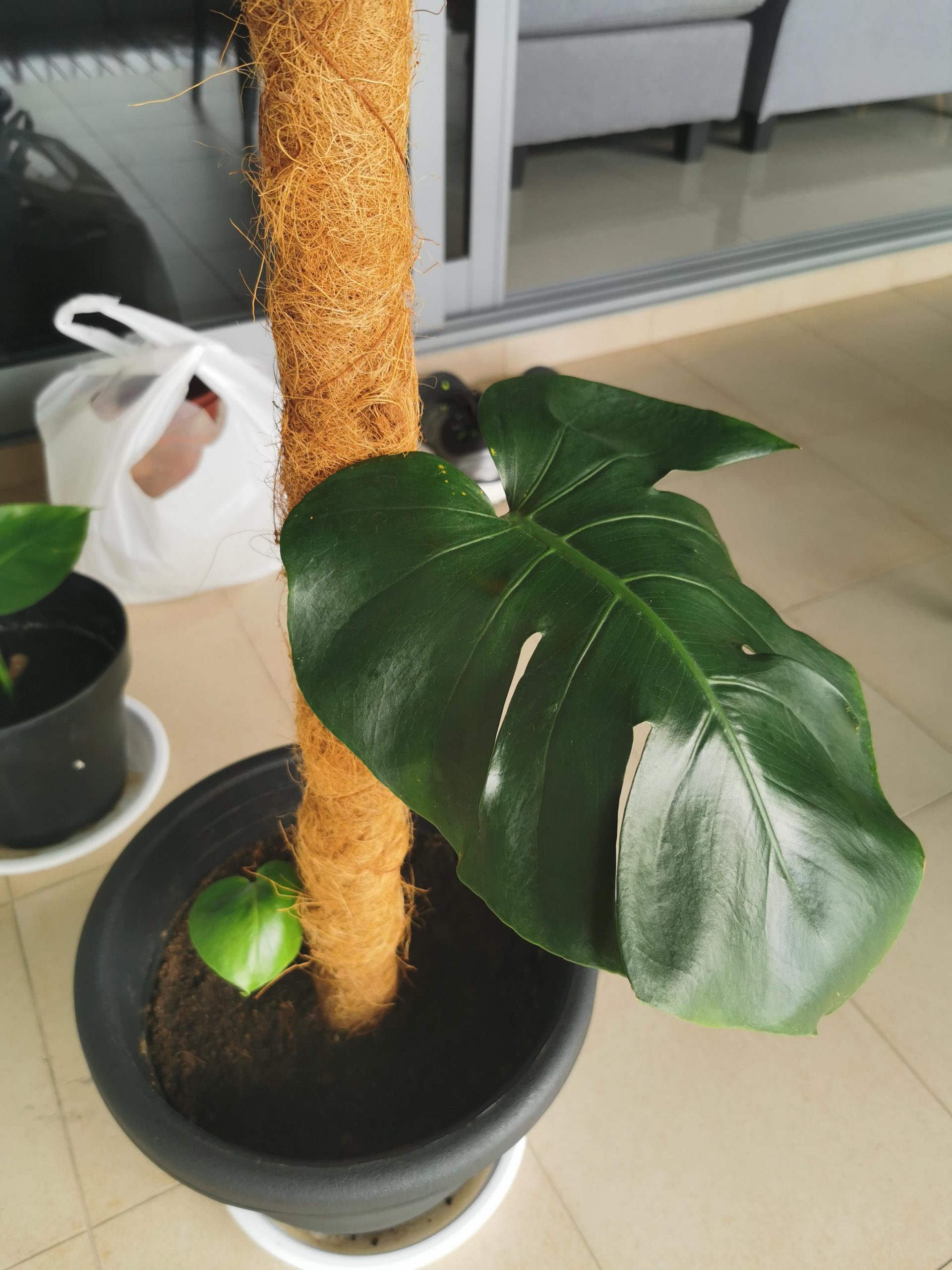
Do you want your Monstera plant to grow faster? Here’s a quick guide to boost its growth.
Monstera plants, known for their stunning leaves, thrive with proper care. Monstera plants are popular houseplants, admired for their unique, large leaves. Fast growth is achievable with the right environment and care. Factors like light, water, and soil play crucial roles.
By understanding these needs, you can help your Monstera flourish. This guide will provide essential tips to enhance your Monstera’s growth. From light requirements to watering habits, we’ll cover it all. Get ready to see your Monstera thrive like never before. Let’s dive into the details and make your Monstera the star of your indoor garden.
Choosing The Right Soil
Choosing the right soil is crucial for your Monstera’s growth. The soil affects how well the plant absorbs water and nutrients. Using the correct soil mix and maintaining proper pH levels helps your Monstera thrive. Let’s explore the best soil mix and ideal soil pH levels for your Monstera.
Best Soil Mix
Monstera plants need well-draining soil. A mix of peat moss, perlite, and orchid bark works well. Peat moss helps retain moisture. Perlite improves drainage. Orchid bark adds structure to the soil. This mix mimics the plant’s natural environment.
Another option is using a commercial potting mix. Choose one designed for aroids or houseplants. These mixes usually contain the right balance of ingredients. Always check the label to ensure proper drainage and aeration.
Soil Ph Levels
Soil pH is important for nutrient absorption. Monstera plants prefer slightly acidic to neutral soil. The ideal pH range is 5.5 to 7.0. Use a soil pH meter to check your soil’s pH.
If the pH is too low, add lime to increase it. If the pH is too high, add sulfur to lower it. Adjusting pH ensures your Monstera gets the nutrients it needs. Keeping the soil within the right pH range promotes healthy growth.
Optimal Light Conditions
Monstera plants are loved for their stunning leaves and easy care. To help your Monstera grow faster, it’s crucial to provide the right light conditions. Light plays a vital role in the plant’s growth process. Let’s explore the best light conditions for your Monstera.
Natural Light
Monstera plants thrive in bright, indirect light. Place them near a window where they can receive filtered sunlight. Direct sunlight can scorch the leaves, so avoid placing them in direct sun. East-facing windows are ideal as they get morning light, which is gentle. If you notice your Monstera’s leaves turning yellow, it might be getting too much light.
Artificial Lighting
If your home lacks natural light, use artificial lighting. LED grow lights are an excellent choice. They mimic natural light and provide the necessary spectrum for growth. Place the grow light about 12 inches above the plant. Turn the light on for about 10-12 hours a day. This ensures the Monstera gets enough light to grow faster.
Watering Techniques
Watering techniques play a vital role in helping your Monstera grow faster. By understanding the right watering frequency and ensuring proper drainage, you can provide the best conditions for your plant.
Watering Frequency
Monstera plants prefer a consistent watering schedule. Water your Monstera once every 7-10 days. Check the soil moisture before watering. Insert your finger 2 inches into the soil. If it feels dry, it’s time to water. Overwatering can lead to root rot. Make sure the soil is slightly moist but not soggy.
Proper Drainage
Proper drainage is crucial for Monstera plants. Use a pot with drainage holes to prevent water from sitting at the bottom. Ensure the soil mix is well-draining. Adding perlite or orchid bark can help improve drainage. Good drainage prevents root rot and keeps your Monstera healthy.

Fertilizing Tips
Fertilizing your Monstera plant can significantly enhance its growth rate. Proper fertilization ensures the plant receives essential nutrients to thrive. Below are some fertilizing tips to keep your Monstera healthy and growing faster.
Types Of Fertilizers
Choosing the right fertilizer is crucial for your Monstera’s growth. The following types are suitable:
- Balanced Fertilizers: These contain equal parts of nitrogen (N), phosphorus (P), and potassium (K). Look for formulas like 10-10-10 or 20-20-20.
- Slow-Release Fertilizers: These provide nutrients over time, reducing the need for frequent application. Ideal for busy plant owners.
- Liquid Fertilizers: These are mixed with water and applied during regular watering. They are easy to use and provide quick nutrient absorption.
- Organic Fertilizers: These include compost, worm castings, and fish emulsion. They improve soil health and add essential nutrients.
Fertilizing Schedule
Proper timing is essential for effective fertilization. Follow this schedule for best results:
- Spring and Summer: Fertilize every 4-6 weeks. This is the growing season when your Monstera needs more nutrients.
- Fall: Reduce fertilizing frequency to every 8 weeks. Growth slows down during this period.
- Winter: Fertilize sparingly, if at all. The plant enters a dormant phase and requires fewer nutrients.
Over-fertilizing can harm your Monstera. Always follow the instructions on the fertilizer package. Use a diluted solution to avoid nutrient burn.
Temperature And Humidity
A healthy Monstera needs the right temperature and humidity levels. These factors play a crucial role in its growth. Maintaining the correct environment can make your Monstera thrive and grow faster. Let’s explore the ideal temperature range and how to maintain the right humidity for your Monstera.
Ideal Temperature Range
Monstera plants prefer temperatures between 65°F and 85°F (18°C and 29°C). This range helps them grow optimally. Avoid exposing your Monstera to temperatures below 55°F (13°C) as it can slow down growth.
During winter, keep your plant away from cold drafts and windows. Sudden temperature changes can stress the plant. Ensure your Monstera enjoys a stable and warm environment throughout the year.
Maintaining Humidity
Monstera plants thrive in high humidity levels. Aim for a humidity level of 60% or higher. Here are some ways to maintain the right humidity for your plant:
- Use a humidifier near your Monstera.
- Place a tray of water and pebbles beneath the pot.
- Mist the leaves regularly with water.
You can also group your Monstera with other plants. This can naturally increase the humidity around them. Make sure to avoid placing your plant near air conditioners or heaters. These devices can dry out the air, which is not ideal for your Monstera.
| Method | Benefits |
|---|---|
| Humidifier | Provides consistent humidity |
| Water Tray | Increases local humidity |
| Misting | Boosts leaf hydration |
By ensuring the right temperature and humidity, you can help your Monstera grow faster and healthier.
Pruning And Trimming
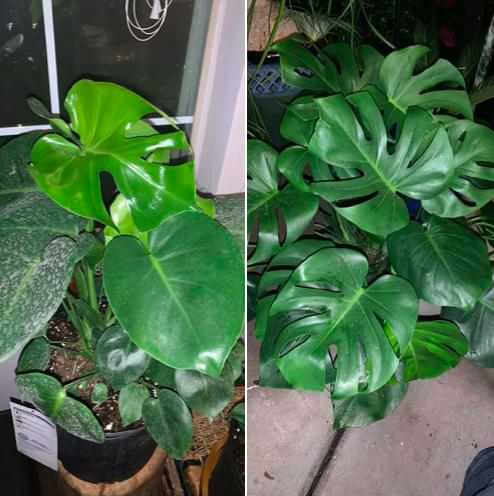
Careful pruning and trimming can help your Monstera grow faster. Regularly remove yellow or damaged leaves. This encourages new growth and keeps the plant healthy.
Monstera plants thrive with proper care. Pruning and trimming are key practices. These tasks help the plant grow faster and healthier. They remove dead or unhealthy leaves, boosting growth.Pruning Benefits
Pruning offers many benefits. It helps the Monstera plant focus its energy. This energy goes into growing new leaves and stems. Pruning also improves air circulation. Better air circulation reduces the risk of diseases. It helps the plant look neat and attractive.How To Trim Properly
Trimming must be done with clean tools. Use sharp scissors or pruning shears. First, identify yellow or brown leaves. Cut these at the base of the stem. Next, look for overgrown stems. Trim them back to a node. A node is where a leaf joins the stem. This encourages new growth. Do not trim too much at once. Only remove about one-third of the plant. This ensures the Monstera has enough leaves to make food. Avoid cutting healthy, green leaves. They are vital for the plant’s growth and health. “`Repotting Guidelines
Monstera plants thrive when given the right care. Repotting is crucial for their growth. It provides more space and fresh soil. This helps the plant absorb nutrients better. Following proper repotting guidelines can make your Monstera grow faster.
When To Repot
Repot your Monstera every 1-2 years. Check the roots in spring. They may peek out from the drainage holes. This means the plant needs more space. Another sign is slow growth. Also, if water drains too quickly, it’s time to repot.
Steps To Repot
First, choose a pot that’s 2 inches wider. Ensure it has drainage holes. Gently remove the Monstera from its current pot. Shake off the old soil. Look for any damaged roots. Trim these with clean scissors. Place the plant in the new pot. Add fresh, well-draining soil. Press the soil gently around the roots. Water the plant thoroughly. Place it in a spot with indirect sunlight. Keep it warm and humid.
Common Pests And Diseases
Monstera plants are relatively easy to care for, but they are not immune to pests and diseases. Understanding the common pests and diseases that can affect your Monstera is crucial for promoting healthy and faster growth.
Identifying Pests
Several pests can harm Monstera plants. Knowing how to identify them can save your plant. Here are some common pests:
- Spider Mites: These tiny pests create fine webbing on leaves. Look for yellowing or stippling on the leaves.
- Mealybugs: They appear as white, cotton-like masses on leaves and stems. They can cause stunted growth.
- Scale Insects: These pests look like small, brown bumps. They attach themselves to stems and leaves, sucking the sap.
- Aphids: Small green or black insects. They cluster on new growth, causing leaves to curl and yellow.
Disease Prevention
Diseases can also hinder the growth of your Monstera. Preventing diseases requires proper care and attention:
- Watering: Overwatering can lead to root rot. Ensure the soil is well-drained and allow the top inch to dry before watering again.
- Humidity: High humidity levels can prevent fungal diseases. Use a humidifier or mist the leaves regularly.
- Air Circulation: Good air circulation helps prevent mold and mildew. Avoid overcrowding your plants.
- Cleaning: Keep the leaves clean. Wipe them with a damp cloth to remove dust and pests.
- Inspect Regularly: Check your plant regularly for signs of pests or diseases. Early detection is key to preventing spread.
By understanding common pests and diseases, you can ensure your Monstera stays healthy and grows faster. Regular inspections and proper care are essential.
Supporting Growth
Monstera plants are famous for their large, beautiful leaves. To see them thrive, it’s crucial to support their growth. Providing the right support helps the plant grow faster and healthier. Below, learn how to use stakes and trellises and how to train the plant for optimal growth.
Using Stakes And Trellises
Stakes and trellises are essential tools. They guide the plant’s upward growth. Without support, Monstera may spread too wide or grow unevenly.
- Choosing the Right Stake: Use wooden or bamboo stakes. Ensure they are strong enough to support the plant.
- Inserting the Stake: Push the stake into the soil near the plant’s base. Be careful not to damage roots.
- Attaching the Plant: Use soft ties or garden tape. Gently tie the stem to the stake.
Trellises work well for larger Monsteras. They provide more space for the plant to climb.
- Selecting a Trellis: Choose a trellis that is tall and sturdy. Metal or wooden trellises are good options.
- Positioning the Trellis: Place the trellis behind the plant. Ensure it is firmly anchored in the soil.
- Guiding the Plant: Gently weave the stems through the trellis. Secure them with ties if needed.
Training The Plant
Training the plant is crucial for directing its growth. It helps the Monstera to grow faster and healthier.
- Pruning: Regularly prune dead or yellow leaves. This encourages new growth.
- Directing Growth: Guide new stems towards the stake or trellis. Use ties to keep them in place.
- Rotating the Pot: Turn the pot occasionally. This ensures even growth on all sides.
A simple schedule can help. Water, feed, and prune your plant regularly. Consistency is key to fast growth.

Frequently Asked Questions
How Often Should I Water My Monstera?
Water your Monstera when the top inch of soil feels dry. Overwatering can lead to root rot. Use a well-draining potting mix.
What Light Conditions Do Monstera Plants Need?
Monstera plants thrive in bright, indirect sunlight. Avoid direct sunlight, as it can scorch the leaves. Low light can slow growth.
How Can I Increase Monstera Leaf Size?
Provide adequate light, water, and nutrients. Use a balanced fertilizer every two weeks during the growing season. Ensure proper humidity.
Do Monstera Plants Need Support To Grow?
Yes, Monstera plants benefit from support like a moss pole or trellis. Support helps them grow upright and develop larger leaves.
Conclusion
To make your Monstera grow faster, focus on proper care techniques. Ensure it gets bright, indirect sunlight. Water it when the soil is dry. Don’t forget to fertilize monthly during growing seasons. Trim dead leaves to promote new growth. Use a well-draining potting mix.
Keep the humidity high and the temperature warm. With these tips, your Monstera will thrive and grow more quickly. Happy growing!
Leave a Reply