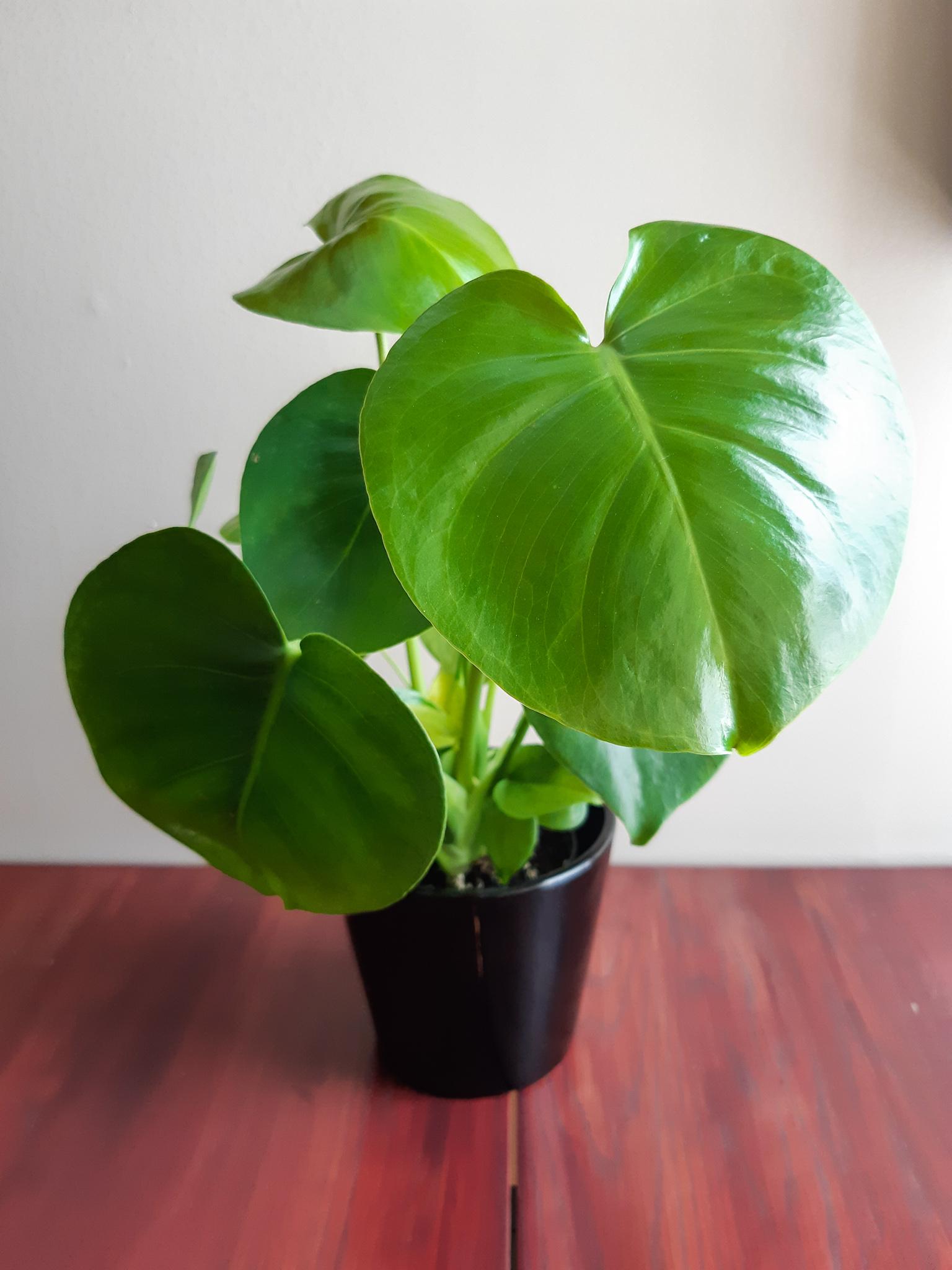
Monstera plants are known for their unique, hole-filled leaves. But what if your Monstera doesn’t have these iconic holes?
If your Monstera’s leaves are not developing holes, it can be concerning. These holes, called fenestrations, are a signature feature of mature Monstera plants. Several factors could contribute to the lack of fenestrations, including age, light, and care conditions. Understanding why your Monstera lacks these holes is key to helping your plant thrive.
In this blog, we’ll explore the common reasons behind this issue and provide practical tips to encourage those beautiful, split leaves. Whether you are a seasoned plant parent or a beginner, understanding your Monstera’s needs can bring back those iconic holes and keep your plant healthy.

Introduction To Monstera Plants
Monstera plants are beloved in many homes and offices. They are popular for their lush, green leaves. These tropical plants are native to Central and South America. They thrive in warm, humid environments. Monsteras are often called “Swiss cheese plants.” This nickname comes from the natural holes in their leaves.
But sometimes, Monstera leaves don’t have holes. This can puzzle many plant lovers. Understanding why this happens can help in caring for them better.
Unique Characteristics
Monstera plants are known for their unique leaf patterns. The holes or splits in the leaves are called fenestrations. These fenestrations help the plant withstand heavy rain and strong winds. They also allow light to reach lower leaves.
Young Monstera plants may not have holes. As they mature, the leaves develop these fenestrations. Environmental factors also affect this process. Light, water, and nutrients play a big role.
Popular Varieties
There are several popular varieties of Monstera. Monstera deliciosa is the most common. It has large, glossy green leaves with deep splits. Monstera adansonii, also known as the “Swiss cheese vine,” has smaller leaves with many holes.
Monstera obliqua is rare and highly sought after. It has delicate leaves with large holes. Each variety has its unique charm and care needs. Understanding these differences can help you choose the right Monstera for your space.
Significance Of Holes In Monstera Leaves
The holes in Monstera leaves are not just for show. These holes serve several important functions. They are essential for the plant’s survival and beauty. Let’s delve into the significance of these unique features.
Natural Adaptation
Monstera leaves develop holes as a natural adaptation. These holes help the plant survive in dense forests. Sunlight filters through the forest canopy. The holes allow light to reach lower leaves.
Wind flows easily through the leaves. This reduces the risk of damage in storms. Large, solid leaves can tear easily. Holes make the leaves more flexible.
Aesthetic Appeal
Monstera leaves with holes are visually appealing. The unique pattern attracts plant lovers. These leaves add character to any space. They create a tropical vibe in homes and offices.
Healthy leaves with holes indicate a thriving plant. This appeals to indoor gardeners. People often choose Monstera for its distinct look. The holes make it stand out among other plants.
Common Causes Of Lack Of Holes
Monstera plants are famous for their unique, holey leaves. But sometimes, these holes don’t appear. Several factors can prevent the development of these characteristic holes. Understanding these common causes can help you adjust your plant care routine and encourage the growth of those beautiful, perforated leaves.
Insufficient Light
Monstera plants need bright, indirect light to thrive. Without enough light, their leaves may not develop holes. Place your Monstera near a window where it can receive plenty of filtered sunlight. Avoid direct sunlight, as it can scorch the leaves. If natural light is limited, consider using a grow light to ensure the plant gets the necessary illumination.
Inadequate Humidity
Monstera plants originate from tropical rainforests. They thrive in high humidity environments. Low humidity levels can prevent leaves from forming holes. Aim for a humidity level of 60% or higher. You can increase humidity by misting the leaves regularly or using a humidifier. Placing a tray of water near the plant can also help.
Role Of Light In Leaf Development
Light plays a crucial role in the development of Monstera leaves. Adequate light is essential for the plant to produce its characteristic holes or fenestrations. Without the right light conditions, Monstera leaves may remain solid and lack those iconic holes.
Optimal Light Conditions
Monstera plants thrive in bright, indirect light. Direct sunlight can scorch the leaves, causing damage. A spot with filtered light, like near a north or east-facing window, is ideal.
| Light Condition | Effect on Leaves |
|---|---|
| Bright, indirect light | Promotes healthy growth and development of holes |
| Direct sunlight | Scorches leaves, causing damage |
| Low light | Leaves remain solid, no holes |
Signs Of Light Deficiency
Signs of insufficient light in Monstera plants include:
- Solid, un-fenestrated leaves
- Slow growth
- Pale or yellowing leaves
If you observe these signs, consider relocating your plant to a brighter spot. Monitor its progress and make adjustments as needed.
Impact Of Humidity On Monstera
Humidity plays a crucial role in the health of your Monstera plant. This tropical plant thrives in humid environments. Without proper humidity, Monstera leaves may not develop their characteristic holes.
Ideal Humidity Levels
Monstera plants prefer humidity levels between 60% to 80%. In their native tropical habitats, these levels are normal. Recreating these conditions at home helps the plant grow well.
| Humidity Level | Effect on Monstera |
|---|---|
| Below 40% | Leaves may not develop holes |
| 40% – 60% | Slow growth, fewer holes |
| 60% – 80% | Optimal growth, more holes |
| Above 80% | Risk of mold and pests |
Effects Of Dry Air
Dry air can negatively impact your Monstera. Low humidity levels cause the leaves to stay small and lack holes. You might also notice brown edges on the leaves. This is a sign of dry air stress.
To combat this, consider using a humidifier. Place it near your plant to maintain the right humidity. Misting the leaves can also help but do it in moderation.
- Use a humidifier
- Mist leaves occasionally
- Group plants together
- Use a pebble tray with water
In summary, maintaining the right humidity is vital for the health of your Monstera. It ensures the leaves develop holes, making the plant both healthy and beautiful.

Nutrient Deficiency Issues
Monstera plants are popular for their unique, holey leaves. These holes, known as fenestrations, add a decorative touch. But sometimes, Monsteras don’t develop these holes. A common reason is nutrient deficiency. Adequate nutrition is crucial for their growth and development.
Essential Nutrients
Monsteras need various nutrients to thrive. Nitrogen is vital for leaf growth. It helps the plant produce chlorophyll, which is necessary for photosynthesis. Phosphorus supports root development and overall health. Potassium aids in water regulation and enzyme activation. Calcium strengthens cell walls, and magnesium helps in chlorophyll production. Iron is also important for healthy green leaves.
Symptoms Of Deficiency
Nutrient deficiency shows in various ways. Yellowing leaves often indicate a lack of nitrogen. If new leaves grow small and without holes, calcium or potassium may be lacking. Brown edges on leaves can signal a potassium deficiency. Pale leaves suggest a lack of magnesium or iron. Stunted growth points to a phosphorus shortage. Understanding these symptoms helps in diagnosing and treating your Monstera.
Watering Practices
Proper watering is crucial for a healthy Monstera. The leaves should have natural holes. Incorrect watering can prevent this. Let’s explore the best watering practices.
Proper Watering Techniques
Watering your Monstera correctly is essential. Here are some tips:
- Water your Monstera when the top inch of soil feels dry.
- Use room temperature water.
- Water the soil evenly, avoiding the leaves.
Make sure the pot has drainage holes. This helps prevent water from accumulating at the bottom.
Overwatering And Underwatering
Both overwatering and underwatering can cause problems. Overwatering leads to root rot. Underwatering stresses the plant.
| Signs of Overwatering | Signs of Underwatering |
|---|---|
| Yellowing leaves | Browning leaf edges |
| Mushy stems | Dry, crispy leaves |
| Moldy soil | Slow growth |
Adjust your watering based on these signs. If you notice yellow leaves, reduce watering. If the leaves are brown, increase it.
Solutions To Encourage Leaf Holes
Monstera plants without holes in their leaves can be disappointing. These holes, called fenestrations, are the signature look of Monstera. They are more than just a beautiful feature. They help the plant survive in its natural environment. If your Monstera lacks these holes, you can encourage their growth with a few simple steps.
Improving Light Conditions
Monstera plants need bright, indirect light. Too little light means no holes in the leaves. Place your plant near a window with filtered sunlight.
- North or east-facing windows are ideal.
- Avoid direct sunlight as it can scorch the leaves.
- Use sheer curtains to diffuse strong light.
If natural light is insufficient, use grow lights. LED grow lights are energy-efficient and effective.
| Light Source | Recommendation |
|---|---|
| Natural Light | Bright, indirect |
| Artificial Light | LED grow lights |
Enhancing Humidity
Monstera plants thrive in high humidity. Low humidity can hinder leaf development. Aim for humidity levels between 60% and 80%.
- Use a humidifier to maintain moisture in the air.
- Group plants together to create a microclimate.
- Place a tray of water near your Monstera. The evaporation increases humidity.
Misting the leaves can also help. Do this regularly, but avoid over-watering. Consistent humidity is key for healthy leaves and fenestrations.
Long-term Care Tips
Long-term care is essential for keeping your Monstera healthy and ensuring it develops those iconic holes in its leaves. By following some simple care tips, you can help your plant thrive and produce beautiful foliage.
Regular Monitoring
Check your Monstera’s leaves weekly. Look for any signs of pests or disease. Ensure the leaves are clean and free of dust. Monitor the moisture level of the soil. Too much or too little water can affect leaf health.
Preventive Measures
Place your Monstera in bright, indirect light. Direct sunlight can burn the leaves. Use a well-draining potting mix to prevent root rot. Prune any damaged or yellowing leaves regularly. This helps the plant focus energy on healthy growth.

Frequently Asked Questions
Why Doesn’t My Monstera Have Holes?
Monstera leaves may not have holes if the plant is too young. Ensure it gets enough light and proper care.
How Do I Encourage Holes In Monstera Leaves?
Provide bright, indirect light and maintain high humidity. Regularly water and feed with a balanced fertilizer.
At What Age Do Monstera Leaves Get Holes?
Monstera leaves typically develop holes as the plant matures, usually around 2-3 years old.
Does Monstera Need Direct Sunlight For Holes?
No, Monstera prefers bright, indirect light. Direct sunlight can scorch the leaves.
Conclusion
Addressing Monstera leaves without holes can be simple. Ensure your plant gets enough light. Water it properly, but avoid overwatering. Regularly check humidity levels. Holes will eventually appear as the plant matures. Patience and proper care are key. Enjoy watching your Monstera thrive.
Healthy plants bring joy and beauty. Happy gardening!
Leave a Reply