
The Thai Constellation Monstera is a stunning houseplant. Its variegated leaves captivate plant lovers.
Imagine a plant that brings the splendor of the stars indoors with its striking, star-like patterns on lush green foliage. The Thai Constellation Monstera is just that—a tropical beauty that’s become a must-have for plant enthusiasts. This care guide will become your go-to resource for keeping your Thai Constellation Monstera thriving.
With proper care, this plant not only adds aesthetic appeal to your space but also purifies the air. Let’s delve into the essentials: light, water, soil, and the extra tips that will help your constellation shine. Whether you’re a seasoned green thumb or a beginner with a budding interest in houseplants, this guide simplifies the journey to healthy, vibrant growth.
Introduction To Thai Constellation Monstera
The Thai Constellation Monstera is not just a plant; it’s a spectacle of nature that brings a piece of the tropics into your home. With its stunning variegated leaves, each one unique like a fingerprint, this plant has captured the hearts of indoor gardening enthusiasts around the world. This guide will provide essential care tips to keep your Thai Constellation Monstera thriving. Let’s start by exploring its roots and what makes it stand out in the plant kingdom.
Origin And Characteristics
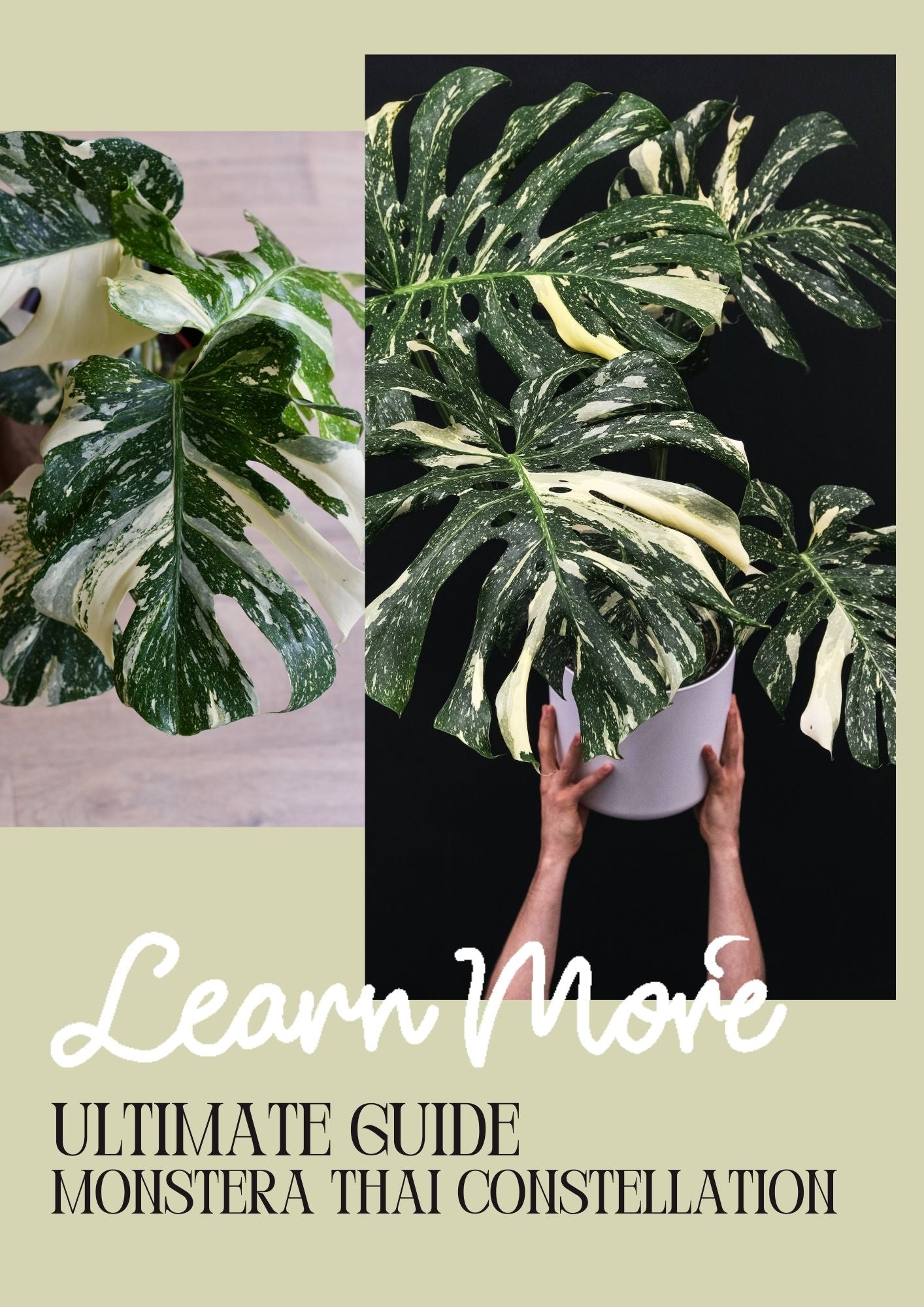
The Thai Constellation Monstera, a cultivar of the Monstera deliciosa, hails from the tropical forests of Thailand. Unlike its solid-green cousin, this Monstera sports creamy-white or yellow variegation, resembling a starry sky. Here’s what sets it apart:
- Variegated Leaves: Each leaf showcases a unique pattern of variegation, meaning no two leaves are the same.
- Leaf Size: The leaves can grow quite large, sometimes spanning over 30 cm in width, adding a dramatic flair to any space.
- Pattern: The variegation includes speckles, sectors, and marbling, contributing to its galaxy-like appearance.
Understanding the plant’s needs is key to successful care. It prefers:
- Indirect Light: Bright, indirect sunlight helps maintain its variegation without scorching the leaves.
- Humidity: A humid environment mimics its natural habitat, promoting lush growth.
- Soil: Well-draining soil is crucial to prevent root rot, a common issue with this variety.
With proper care, your Thai Constellation Monstera will become a standout feature in your collection.
Why It’s Popular
The allure of the Thai Constellation Monstera lies in its stunning appearance and the touch of exotic elegance it adds to any room. Here are some reasons for its popularity:
- Unique Beauty: With its eye-catching variegated leaves, this Monstera is a true living art piece.
- Instagram-Worthy: It’s a social media star. Its distinctive look makes it a favorite subject for plant lovers online.
- Improves Ambience: The plant is known to create a calming atmosphere, bringing a sense of the outdoors inside.
Moreover, caring for this Monstera can be a rewarding experience. Its growth and changing patterns provide a sense of accomplishment and connection to nature. Even though it’s considered a luxury plant, the Thai Constellation Monstera is still approachable for beginners willing to learn its care routine. It’s not just a plant; it’s a hobby, a conversation starter, and a statement piece all rolled into one. By nurturing this Monstera, you invite a piece of the tropics and a topic of intrigue into your home.
Ideal Growing Conditions
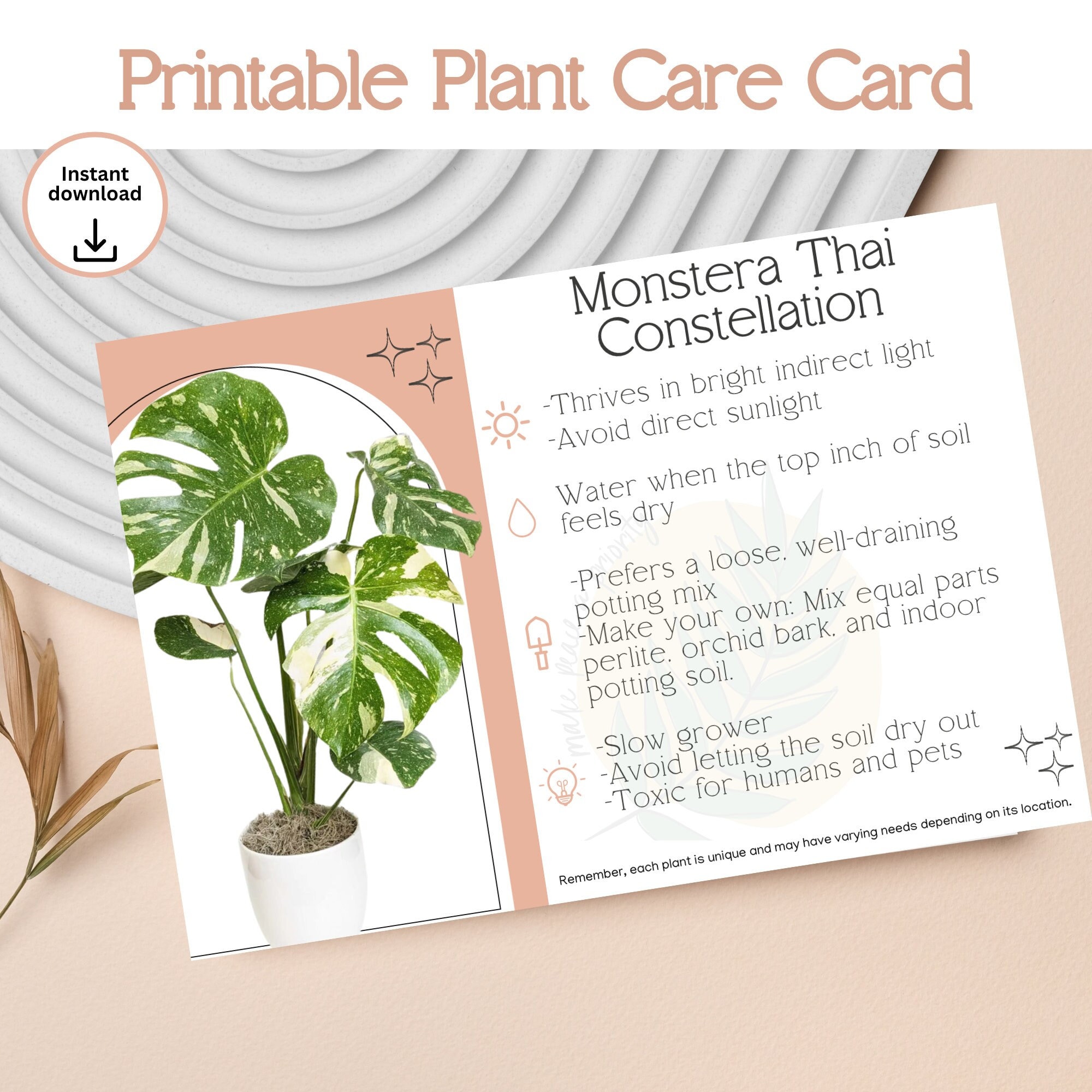
Nurturing a Thai Constellation Monstera means creating a little piece of the tropics right in your living space. This stunning plant, known for its unique, creamy variegation, thrives when its environment mirrors the warm, humid forests of its origin. Understanding the ideal growing conditions is key to ensuring your Monstera not only survives but flourishes. Let’s explore the right light and temperature to keep this beauty growing strong.
Light Requirements
The Thai Constellation Monstera is a bit like Goldilocks when it comes to light—it needs it just right. Indirect, bright light mimics the dappled sunlight of a jungle canopy and is perfect for this variegated wonder. Direct sunlight, however, can be too harsh, scorching its delicate leaves.
- North or east-facing windows offer soft light that suits the plant well.
- Avoid too much direct sun, especially during hot summer afternoons.
- If natural light is limited, consider a grow light to supplement.
| Location | Type of Light | Suitability |
|---|---|---|
| North-facing window | Indirect, consistent | Highly suitable |
| East-facing window | Gentle morning light | Suitable |
| South-facing window | Intense, direct | Use with caution; diffuse light |
| West-facing window | Strong afternoon sun | Least suitable; shade needed |
Remember, the goal is to simulate the plant’s natural habitat. Filtered light through curtains or blinds can help you achieve the right balance. Rotate your Monstera periodically to ensure even growth and avoid leaf burn.
Temperature Preferences
The Thai Constellation Monstera prefers to stay warm. It enjoys temperatures that range from 65°F to 85°F (18°C to 29°C). This range keeps the plant cozy and encourages growth. It’s important to avoid sudden temperature drops as these can shock the plant, potentially leading to leaf loss.
- Avoid placing your Monstera near drafts, air conditioners, or heaters.
- Keep the plant away from cold windows during the winter months.
- Consider using a thermometer to monitor room temperature.
Humidity also plays a critical role in your Monstera’s comfort. Aim for a humidity level of 60% or higher. In drier conditions, you can:
- Use a humidifier to add moisture to the air.
- Place a water tray near the plant to increase humidity through evaporation.
- Mist the leaves regularly with water, but avoid overdoing it to prevent fungal issues.
With these temperature and humidity tips, your Thai Constellation Monstera will keep its stunning variegation vibrant. Regular checks will help you maintain the perfect climate for your leafy friend.
Soil Selection
Caring for a Thai Constellation Monstera means creating the perfect environment for its unique variegated leaves to thrive. Soil selection is a critical step in this process. The right soil mix not only provides the necessary nutrients but also supports the plant’s health by ensuring proper water retention and drainage. Let’s delve into the best soil types for your Monstera and understand why drainage is so important.
Best Soil Types
Your Monstera’s growth and health largely depend on the soil you choose. A well-balanced blend is key. Here are the best soil types for your Thai Constellation Monstera:
- Aroid Mix: This specialized mix caters to the needs of Monsteras and other aroids, promoting aeration and moisture retention.
- Peat-based Mix: Peat helps to maintain a slightly acidic pH, which Monsteras prefer.
- Orchid Bark: Adding orchid bark increases drainage and mimics the Monstera’s natural growing conditions.
- Perlite or Pumice: These inorganic components prevent soil compaction, allowing roots to breathe.
- Activated Charcoal: A small amount can improve the soil’s filtration, keeping it fresh.
It’s important to strike a balance with these components. A good starting point is to mix two parts peat or coco coir with one part perlite and one part orchid bark. This combination will provide your Thai Constellation Monstera with the perfect growing medium to flourish.
Drainage Importance
Good drainage is non-negotiable for Monsteras. Excess water can lead to root rot, a common killer of indoor plants. Here’s why drainage is crucial:
- Prevents Overwatering: A soil mix with good drainage allows excess water to flow out, safeguarding against soggy roots.
- Encourages Root Health: When roots sit in water, they can’t access oxygen. Well-draining soil ensures they get the air they need.
- Reduces Disease Risk: Wet soil can harbor fungi and bacteria. Proper drainage keeps the soil environment less conducive to diseases.
To improve drainage, consider adding a layer of gravel or clay pebbles at the bottom of the pot. This creates a space for excess water to go, reducing the chance of waterlogging. Additionally, always use pots with drainage holes. They let water escape, making it easier to avoid overwatering. Regularly check the soil moisture with a finger or a moisture meter to make sure your Monstera is not sitting in wet soil for too long.
Watering Techniques
Watering your Thai Constellation Monstera right is key to its health. This part talks about how to water your plant well. Let’s dive into the details to keep your Monstera happy.
Frequency Guidelines
Knowing when to water your Thai Constellation Monstera is crucial. It prefers the soil to be slightly dry before the next watering. Here are some tips:
- Check the soil moisture. Use your finger to feel the soil. Water if the top 2 inches are dry.
- Consider the season. Water more in summer, less in winter.
- Observe your plant. Droopy leaves can mean it’s time to water.
Important: The frequency will vary based on light, humidity, and temperature. A general rule is to water every 1-2 weeks.
| Season | Watering Frequency |
|---|---|
| Summer | Once a week |
| Winter | Every 2-3 weeks |
Use filtered or rainwater for best results. Tap water can have chemicals that harm your Monstera.
Signs Of Overwatering
Overwatering is a common problem. It can lead to root rot, a serious issue for your Monstera. Look out for these signs:
- Yellow leaves. It’s often the first sign of too much water.
- Soft, mushy stems. Healthy stems are firm.
- Stunted growth. Too much water can stop growth.
Action Steps: If you see these signs, stop watering. Check the roots for rot. Remove damaged roots and repot in fresh soil.
Remember, prevention is better than cure. Make sure your pot has good drainage. Use a pot with holes at the bottom. This lets excess water flow out.
Adjust your watering schedule as needed. Each plant is unique. Pay attention to your Monstera’s needs and it will thrive.
Fertilizing Tips
Nourishing your Thai Constellation Monstera ensures it grows vibrant and healthy. Just like us, these stunning plants need the right kind of food to thrive. Let’s delve into the best fertilizers to use and when to apply them, keeping your Monstera in top shape!
Best Fertilizers
Finding the perfect fertilizer for your Thai Constellation Monstera isn’t tricky. These plants favor a balanced, water-soluble fertilizer. A 20-20-20 blend, which stands for nitrogen, phosphorus, and potassium, works wonders. These three nutrients support leaf growth, root development, and overall health. Here are some top picks for fertilizers:
- Organic fish emulsion: Rich in nitrogen, it promotes lush foliage.
- Worm castings: These offer a gentle, nutrient-rich option.
- Synthetic liquid fertilizers: Easy to mix and apply, great for consistent feeding.
Remember, too much of a good thing can harm your plant. Always follow the instructions on the fertilizer’s label. Over-fertilizing can lead to salt buildup in the soil, potentially causing root burn.
Application Schedule
Your Thai Constellation Monstera’s appetite changes with the seasons. During the growing season, spring and summer, these plants are hungry for nutrients. Feed them every month with the chosen fertilizer at half strength to prevent overfeeding. As fall rolls in, reduce feeding to every other month. In winter, give the plant a break; it’s resting and needs less to eat. Here’s a simple schedule:
| Season | Feeding Frequency |
|---|---|
| Spring & Summer | Once a month |
| Fall | Every other month |
| Winter | No feeding required |
Stick to this routine and watch your Monstera flourish. Always water your plant before fertilizing to prevent root shock. With the right care and feeding, your Thai Constellation Monstera will grow into a stunning indoor spectacle.

Pruning And Maintenance
Keeping a Thai Constellation Monstera healthy and stunning involves regular pruning and maintenance. Pruning not only keeps the plant looking tidy but also encourages new growth and maintains its vibrant patterns. The right pruning techniques can make a huge difference in the health and appearance of your Thai Constellation Monstera. Let’s delve into the best practices for pruning and keeping your plant in top shape.
When To Prune
Timing is crucial when it comes to pruning your Thai Constellation Monstera. Here’s what you need to know:
- Active Growth: Prune during spring or early summer. This is when the plant is in its active growth phase.
- Health Check: Remove dead or yellow leaves as soon as you spot them to prevent disease spread.
- Space Management: If your Monstera is outgrowing its space, it’s time to trim it back.
| Season | Action |
|---|---|
| Spring/Summer | Major pruning for shape and size |
| All Year Round | Remove unhealthy leaves |
Be sure to check your plant’s condition regularly. Pruning at the right time will keep your Monstera healthy and encourage more of those iconic variegated leaves to develop.
How To Prune
Pruning your Thai Constellation Monstera doesn’t have to be complex. Follow these simple steps:
- Choose the Right Tools: Use clean, sharp scissors or pruning shears.
- Identify Target Areas: Look for leggy stems, dead or yellow leaves, and overcrowded areas.
- Make Clean Cuts: Cut just above leaf nodes to promote new growth. Avoid tearing or damaging the stem.
Remember to make your cuts at a 45-degree angle to prevent water accumulation, which can lead to rot. Always clean your tools before and after to avoid spreading pests or diseases. Pruning correctly will ensure your Thai Constellation Monstera continues to thrive and bring a touch of the tropics to your space.
Pest Management
Caring for a Thai Constellation Monstera means keeping an eye out for pests. These plants are stunning but can attract unwanted visitors. Pest management is key to keeping your Monstera healthy and beautiful. Let’s dive into how to spot and stop pests in their tracks.
Common Pests
Several pests love Thai Constellation Monstera. Knowing them is the first step in protection. Look out for:
- Spider Mites: Tiny spiders that suck plant juices.
- Mealybugs: White, cottony pests feeding on plant sap.
- Thrips: Small insects that damage leaves and flowers.
- Scale: Hard or soft bumps on stems and leaves.
These pests can cause yellow leaves, stunted growth, and even plant death. Early detection is crucial. Check your Monstera regularly. Use a magnifying glass if needed. Pay special attention to the undersides of leaves and stem joints.
| Pest | Signs |
|---|---|
| Spider Mites | Webbing on leaves, yellow spots |
| Mealybugs | White, fluffy spots on joints and leaves |
| Thrips | Silver streaks on leaves, deformed growth |
| Scale | Brown or white bumps on leaves and stems |
Natural Remedies
Chemicals are not always needed to fight pests. Natural remedies can be effective and safe. Try these methods:
- Neem Oil: A natural pesticide. Mix with water and spray on the plant.
- Soapy Water: Kills pests on contact. Use mild soap and water.
- Rubbing Alcohol: Apply with a cotton swab to kill mealybugs and scale.
- Ladybugs: These insects eat aphids, mites, and other pests.
Prevention is also key. Keep your plant healthy to make it less attractive to pests. Ensure it gets enough light, water, and nutrients. Clean the leaves regularly to remove dust and potential pests. Quarantine new plants for at least two weeks to prevent spreading pests to your Monstera. Natural remedies are safe for your plant, your home, and the environment. They can keep your Thai Constellation Monstera looking its best.
Propagation Methods
Thai Constellation Monsteras are unique plants with star-like variegation on their leaves. These plants are not only stunning to look at but can also be a joy to propagate. Propagation allows plant enthusiasts to create new plants from their existing Monstera. It’s a rewarding experience that can be done through two main methods: cuttings or division. Let’s explore the best way to expand your Monstera collection.
Cuttings Vs. Division
When it comes to propagating your Thai Constellation Monstera, you have two primary options: cuttings or division. Each method has its own set of steps and care requirements. Cuttings involve snipping off a section of the plant that includes at least one leaf and a node, which is where new roots will sprout. On the other hand, division requires you to physically separate the root system to create a new plant. Here’s a quick comparison:
- Cuttings are ideal for creating several plants from one parent.
- Division is best for mature plants that are large enough to split.
| Method | Pros | Cons |
|---|---|---|
| Cuttings | Easier to manage and less shock to the parent plant. | Requires more time to root and grow. |
| Division | Creates a larger plant faster. | Can be stressful for the parent plant. |
Before choosing your method, consider the size of your parent plant and how quickly you want a new Monstera. Both methods can be effective, but it’s important to follow the steps carefully to ensure success.
Step-by-step Guide
Once you’ve chosen between cuttings and division, you can begin the propagation process. Below is a step-by-step guide for each method to help you get started.
For Cuttings:
- Choose a healthy section of stem with at least one node and one leaf.
- Use clean, sharp scissors to make a cut below a node.
- Place the cutting in water or moist soil, ensuring the node is submerged.
- Keep the cutting in a warm, bright spot out of direct sunlight.
- Change the water weekly or keep the soil moist.
- Wait for roots to develop, usually within a few weeks.
- Once roots are a few inches long, plant in soil.
For Division:
- Remove the parent plant from its pot gently.
- Identify natural sections where the plant can be divided.
- Use clean hands or tools to separate the roots, creating new plants.
- Plant each new section in its own pot with fresh soil.
- Water each new plant well and place it in a warm, bright area.
Both methods will require patience and care. Monitor the new plants for signs of growth and adjust care as needed. With the right conditions, your new Thai Constellation Monsteras will thrive and bring even more beauty to your collection.
Common Issues
Nurturing a Thai Constellation Monstera brings a slice of the tropics into your home. These plants, with their stunning variegated leaves, are a favorite among houseplant enthusiasts. Yet, like any living beauty, they face challenges. Common issues can arise, affecting their health and appearance. Knowledge and prompt action are key to keeping your Monstera thriving. Let’s dive into the problems you might encounter and learn how to tackle them.
Leaf Discoloration
Leaf discoloration in Thai Constellation Monsteras can be alarming. It’s often a sign that the plant’s needs aren’t fully met. Causes vary from water quality to nutrient deficiencies. Here’s a breakdown of potential triggers and solutions:
- Overwatering: Soggy soil can lead to yellow leaves. Let the soil dry out before watering again.
- Light levels: Too much direct sunlight can scorch leaves, causing brown patches. Conversely, too little light can fade the variegation. Find a spot with bright, indirect light.
- Nutrient imbalance: A lack of essential nutrients can lead to pale or discolored leaves. Use a balanced, water-soluble fertilizer every month during the growing season.
| Symptom | Possible Cause | Action |
|---|---|---|
| Yellow leaves | Overwatering | Reduce frequency |
| Brown patches | Too much direct sun | Move to indirect light |
| Faded variegation | Low light | Place in brighter area |
Keep an eye on your plant for these signs. Adjust care routines as needed to maintain vibrant, healthy leaves.
Growth Stunting
Seeing your Thai Constellation Monstera’s growth slow down or stop can be concerning. Growth stunting happens for several reasons. Let’s explore common culprits and their fixes:
- Pot size: A pot too small can restrict root growth. Repot your Monstera every two years or when roots peek out of the drainage holes.
- Watering habits: Inconsistent watering can stress the plant. Stick to a regular watering schedule.
- Temperature: These plants prefer warmth. Keep them away from drafts and in temperatures between 65-85°F (18-29°C).
| Symptom | Possible Cause | Action |
|---|---|---|
| No new leaves | Small pot | Repot in larger container |
| Weak stems | Water stress | Water consistently |
| Slow growth | Cold draft | Move to warmer area |
Monitor your plant’s growth pattern. Adjust your care strategy to give your Monstera the best conditions to thrive.
Repotting Strategies
For plant enthusiasts, the Thai Constellation Monstera is a sought-after gem, known for its stunning variegated leaves. Caring for this plant involves more than just watering and sunlight; repotting plays a crucial role in its health and growth. Let’s dive into the strategies that ensure a successful transition for your Thai Constellation Monstera when it’s time to move it to a new home.
When To Repot
Understanding when to repot your Thai Constellation Monstera is key to its longevity. Here are clear signs it’s time:
- Roots are visible at the bottom of the pot.
- The plant has stopped growing, despite proper care.
- Soil dries out too quickly after watering.
- The plant is top-heavy and tips over easily.
Typically, repotting every two years is a good rule of thumb. However, if you notice any of the signs above, it’s time to act. Spring and summer are the best seasons for repotting, as the plant is in its active growth phase. Use this table to track the ideal repotting schedule:
| Plant Age | Repotting Frequency |
|---|---|
| Young Plant | Every 12-18 Months |
| Mature Plant | Every 18-24 Months |
By staying attentive to these signs and schedules, you’ll keep your Monstera thriving.
Repotting Process
Now, let’s look at the repotting process. Ensuring a smooth transition requires care and patience. Follow these steps for best results:
- Choose the right pot. Pick one that is about 2 inches larger in diameter than the current one. Ensure it has drainage holes.
- Prepare the new potting mix. Use a mix designed for aroids or make your own with equal parts peat, perlite, and pine bark.
- Gently remove the plant. Tip the current pot sideways, support the plant, and ease it out.
- Inspect the roots. Trim any that are dead or rotting. Be gentle and use clean shears.
- Position the plant in the new pot. Center it and fill around with fresh potting mix.
- Water thoroughly. After repotting, give it a good drink to settle the soil and eliminate air pockets.
Remember to avoid direct sunlight right after repotting. Keep the plant in a warm, well-lit spot to recover. In a few weeks, you should see new growth, a sure sign your Monstera is happy in its new home. With the right approach, your Thai Constellation Monstera will continue to beautify your space for years to come.
Seasonal Care Adjustments
Caring for a Thai Constellation Monstera requires understanding its needs during different seasons. Seasonal care adjustments ensure this stunning plant thrives all year round. Let’s dive into how you can adjust care in winter and summer for the best results.
Winter Care
Winter brings cooler temperatures and less sunlight. Your Thai Constellation Monstera needs special attention during this time. Keep it away from cold drafts and heating vents. The ideal room temperature should stay above 60°F (15°C). Here are some tips for winter care:
- Water less frequently. Wait until the top 2 inches of soil are dry.
- Reduce fertilizing. Once a month or stop altogether until spring.
- Maximize light exposure. Move your plant closer to a window or use a grow light.
Humidity levels drop in winter, which can stress your plant. Consider using a humidifier or placing a water tray near your plant to increase humidity. This table shows ideal winter conditions:
| Condition | Ideal Setting |
|---|---|
| Temperature | > 60°F (15°C) |
| Humidity | 40-60% |
| Watering | When top 2 inches of soil are dry |
| Light | Bright, indirect |
Summer Care
Summer offers more light and higher temperatures, both of which your Thai Constellation Monstera loves. However, it’s also easy to overdo things. Keep your plant in a spot where it gets indirect sunlight to prevent leaf burn. Here are key summer care tips:
- Water more often. The soil dries out faster in heat. Check it every few days.
- Increase fertilizing. Use a balanced liquid fertilizer every 2-4 weeks.
- Boost humidity. Mist your plant or use a pebble tray to maintain high humidity.
Summer is also a good time to repot if your Monstera has outgrown its pot. Choose a pot that is 2 inches larger in diameter than the current one. Use a well-draining potting mix to promote healthy growth. Remember, the key to summer care is balance. Do not let the soil become soggy, and protect your plant from direct sunlight. This table summarizes summer care essentials:
| Condition | Ideal Setting |
|---|---|
| Temperature | 65-85°F (18-30°C) |
| Humidity | 60-80% |
| Watering | When soil feels dry to touch |
| Light | Bright, indirect |
By following these seasonal care adjustments, your Thai Constellation Monstera will remain a vibrant and healthy focal point in your space year-round.
Final Thoughts
As we round up our guide on the radiant Thai Constellation Monstera, it’s crucial to reflect on the key points that ensure its thriving existence. This unique variegated beauty demands attention and specific care, but the rewards are lush, eye-catching foliage that becomes a living piece of art in your space. Let’s delve into some final thoughts to keep your plant not just surviving, but also thriving for years to come.
Long-term Care
Caring for a Thai Constellation Monstera is a rewarding journey. To keep this stellar plant in tip-top shape, focus on these long-term care essentials:
- Consistent Watering: Balance is key. Allow the top few inches of soil to dry out before watering again.
- Light Conditions: Bright, indirect light will keep those variegated leaves vibrant without causing sunburn.
- Humidity: Aim for a humidity level of 60% or higher. Consider a humidifier if your indoor air is dry.
- Fertilization: Feed your Monstera with a balanced, water-soluble fertilizer every month during the growing season.
- Repotting: Every couple of years or when roots peek out, give it a new home with fresh soil.
Remember, patience is vital. Growth might seem slow, but with the right care, your Monstera will flourish. Keep an eye out for pests and treat them promptly. Prune any yellow or damaged leaves to encourage new growth. Lastly, support its climbing habits with a sturdy moss pole or trellis.
Enjoying Your Plant
Embracing the beauty of your Thai Constellation Monstera brings a sense of tranquility and joy. Here’s how you can enjoy your plant to the fullest:
- Placement: Find a spot where it can be a focal point in your room. Its stunning patterned leaves deserve the limelight.
- Interaction: Regularly inspect and touch your plant. It strengthens your bond and helps you spot any issues early.
- Propagation: Share the love. Propagate cuttings to grow new plants or gift them to friends.
- Community: Join plant forums or local clubs to connect with fellow enthusiasts. Exchange tips and experiences.
Take time to admire the intricate patterns on each leaf. Watch the plant’s natural rhythm as new leaves unfurl. Document its growth through photos or a plant journal. This practice not only celebrates milestones but also provides a reference for its progress. Above all, let your Monstera reflect your personal style and contribute to a green, serene living space.
Frequently Asked Questions
What Is A Thai Constellation Monstera?
The Thai Constellation Monstera is a rare, variegated plant with creamy-white and green leaves. It’s loved for its unique patterns.
How Often Should I Water It?
Water it once the top inch of soil feels dry. Usually, this means once a week.
Does It Need Special Light?
Yes, it prefers bright, indirect sunlight. Direct sun can burn its leaves.
What Kind Of Soil Is Best For It?
Use a well-draining, airy potting mix. This helps prevent root rot.
Can I Propagate My Thai Constellation Monstera?
Yes, you can propagate it by stem cuttings. Just give it time to root.
Conclusion
Caring for a Thai Constellation Monstera brings joy and a touch of the tropics indoors. Remember, bright indirect light and proper watering make a big difference. Regular humidity and occasional pruning keep your plant healthy. Mist the leaves, watch for pests, and use well-draining soil.
Your Monstera will thrive with these simple steps. Delight in the unique beauty of its variegated leaves. This guide helps your Monstera grow strong and vibrant. Enjoy the lush, eye-catching addition to your home. Your plant care journey starts now.
Embrace it and watch your Monstera flourish.