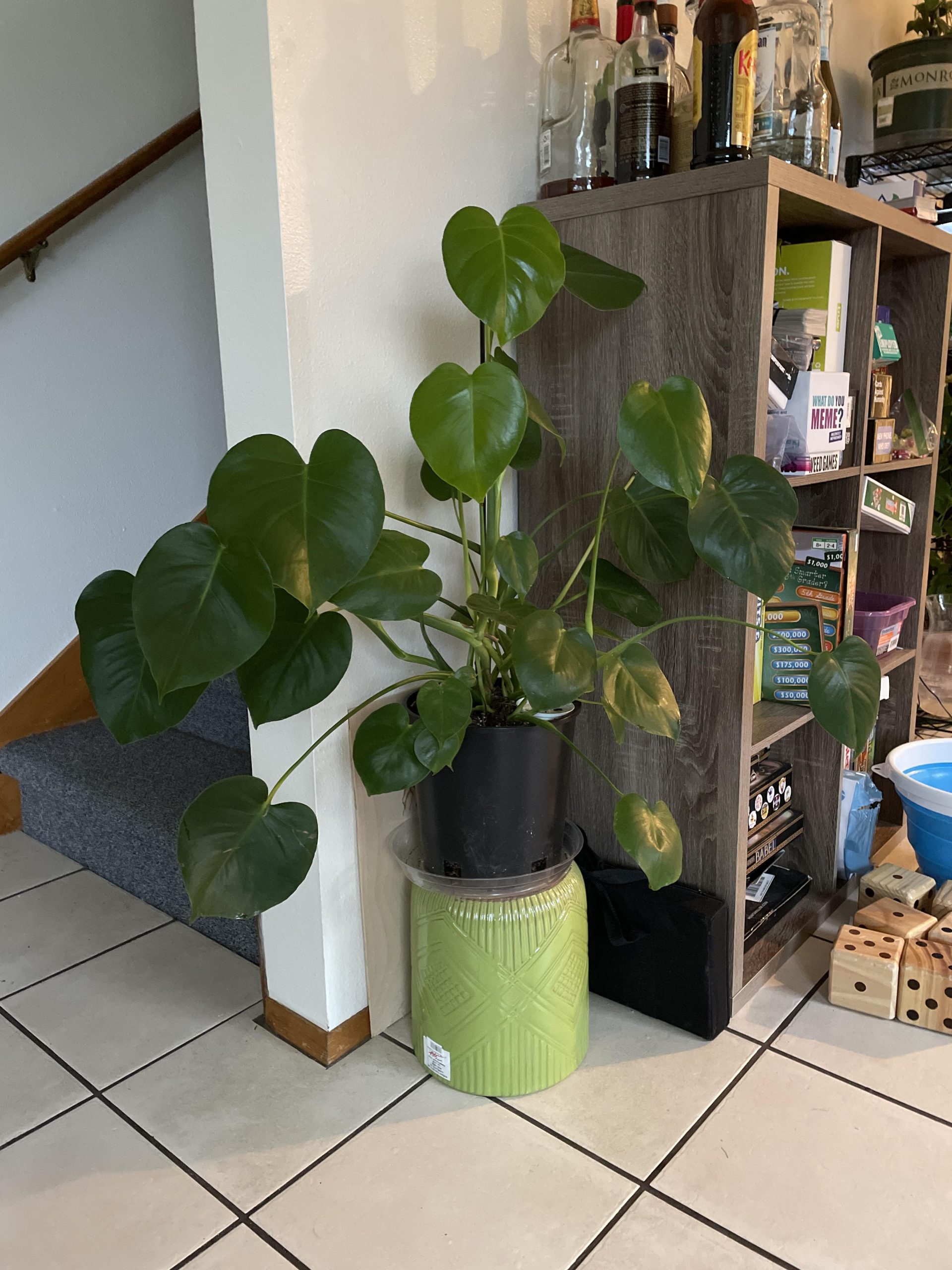
Not all Monstera leaves split. Young plants often have whole leaves without splits.
As they grow, leaves typically develop splits. Monstera plants are popular for their unique, split leaves. But not every Monstera leaf has this characteristic. The splitting of leaves, known as fenestration, occurs for specific reasons. Factors like the plant’s age, environment, and care influence this process.
In this blog post, we’ll explore why some Monstera leaves remain whole. Understanding these reasons will help you care for your plant better. So, let’s dive in and uncover the mysteries behind Monstera leaf splits.
The Mystique Of Monstera Leaves
Monstera plants captivate many with their unique and exotic leaves. These plants, with their dramatic and mysterious look, often raise questions. One common question is, “Why don’t all Monstera leaves split?” Understanding this can deepen our appreciation for these beautiful plants.
Introduction To Monstera Plants
Monstera plants are native to tropical forests. They thrive in warm, humid environments. These plants grow under the canopy of taller trees. This unique setting influences their growth and leaf development.
Unique Leaf Features
Monstera leaves have a signature feature: splits or holes. These splits are called fenestrations. Not all leaves develop these splits, though. Younger plants usually have solid, heart-shaped leaves. As they mature, the leaves may start to split.
The purpose of these splits is not fully understood. Some believe they help light pass through. This allows the plant to capture sunlight in dense forests. Others think the splits help the plant survive strong winds.
Environmental factors also play a role. Light, water, and nutrients affect leaf development. A healthy Monstera in ideal conditions is more likely to develop splits. Understanding these factors can help us care for our Monstera plants better.
Natural Habitat Influence
Monstera plants are popular for their unique, split leaves. But not all leaves split. Understanding the natural habitat of Monsteras helps explain why.
Native Environment
Monsteras are native to tropical rainforests in Central and South America. They grow under a dense canopy of trees. This environment shapes their growth and leaf structure.
In the rainforest, Monsteras climb trees. Their leaves split to allow light to pass through. This benefits the plant and others below it. The splits also reduce wind damage. It’s an adaptation to their environment.
Climate Impact
The climate of rainforests is humid and warm. Monsteras thrive in these conditions. When grown indoors or in different climates, their growth habits change.
- Humidity: Low humidity can affect leaf splitting.
- Light: Insufficient light can hinder the development of split leaves.
- Temperature: Cooler temperatures slow growth and affect leaf formation.
Indoor conditions often lack the ideal humidity and light. This can lead to fewer splits in the leaves. Proper care can mimic their natural habitat and promote leaf splitting.
Genetic Factors
Genetic factors play a significant role in why not all Monstera leaves split. The unique patterns and splits in Monstera leaves are often determined by their genetic makeup. These genetic influences dictate how each leaf will form and develop over time.
Role Of Genetics
Each Monstera plant has a unique genetic code. This genetic code determines the physical traits of the plant. Some Monstera plants have genes that promote splitting in their leaves. Others may have genes that keep the leaves whole. The presence or absence of certain genes can affect leaf development.
Inherited Traits
Monstera plants inherit traits from their parent plants. If parent plants have split leaves, their offspring are likely to have split leaves too. This inheritance pattern ensures that certain characteristics, like leaf splitting, are passed down through generations. Yet, not all offspring will display the exact same traits. Variations can occur due to genetic diversity.

Growth Conditions
Growth conditions play a vital role in the development of Monstera leaves. To achieve those iconic splits, also known as fenestrations, it’s essential to provide the right environment.
Light Requirements
Monstera plants thrive in bright, indirect light. Direct sunlight can burn their leaves, causing brown spots. If placed in low light, they may not develop splits. Ensure your Monstera gets enough light to encourage healthy growth. Place it near a window with filtered sunlight.
Watering Needs
Proper watering is crucial for Monstera plants. Overwatering can lead to root rot, while underwatering can stunt growth. Water your Monstera when the top inch of soil feels dry. Always use well-draining soil and a pot with drainage holes. This prevents water from accumulating at the roots.
Age And Maturity
The age and maturity of a Monstera plant play a significant role in the appearance of its leaves. Younger Monstera leaves often look different compared to mature ones. Understanding these changes can help you better care for your plant and appreciate its growth stages.
Juvenile Vs Mature Leaves
Monstera leaves can be divided into two main types: juvenile and mature. Juvenile leaves are usually smaller and lack the iconic splits and holes. These leaves are typically heart-shaped and have a smooth edge.
In contrast, mature leaves develop the characteristic splits and holes. These features are often referred to as fenestrations. The change from juvenile to mature leaves is a natural part of the plant’s lifecycle.
Development Stages
The development stages of Monstera leaves are fascinating. Initially, the plant produces small, solid leaves. As it grows, the leaves start to change.
- Seedling Stage: The plant has tiny, solid leaves.
- Juvenile Stage: Leaves grow larger but remain solid.
- Transition Stage: Some leaves start to develop small splits.
- Mature Stage: Leaves fully develop splits and holes.
Each stage of development is crucial. The plant needs to reach a certain height and age before producing split leaves. This process ensures that the plant can gather more sunlight and grow stronger.
Understanding these stages helps in providing the right care. Proper light, water, and nutrients are essential for healthy leaf development. By recognizing the importance of age and maturity, you can ensure your Monstera thrives and showcases its beautiful, split leaves.
Nutrient Availability
Monstera leaves split when they receive enough nutrients. Proper nutrient availability plays a key role in the growth of Monstera plants. Without the right nutrients, the leaves may remain whole.
Soil Quality
The quality of the soil affects nutrient availability. Poor soil quality can limit the nutrients available to your Monstera. Ensure the soil is rich and well-draining. This helps the roots absorb essential nutrients effectively.
Choose a potting mix designed for tropical plants. These mixes often contain the right balance of nutrients. Avoid heavy clay soils. They can suffocate roots and limit nutrient uptake.
Fertilization
Regular fertilization ensures your Monstera gets the nutrients it needs. Use a balanced, water-soluble fertilizer. Apply it every four to six weeks during the growing season.
Over-fertilizing can harm your plant. Too much fertilizer can burn the roots and damage the plant. Always follow the instructions on the fertilizer package. Less is often more when it comes to fertilizing Monsteras.
Consider using organic fertilizers. They release nutrients slowly and improve soil health. Your Monstera will benefit from the gentle, steady nutrient supply.
Plant Health
Plant health significantly affects why some Monstera leaves split and others do not. Healthy plants usually display the characteristic split leaves. However, if a plant is not in good health, it may struggle to produce these iconic splits. Various factors contribute to the overall health of Monstera plants.
Pest And Disease Impact
Pests and diseases can weaken a Monstera plant. Pests like spider mites or aphids suck the plant’s sap. This reduces the plant’s energy. Diseases like root rot also impact the plant’s health. Weak plants focus on survival. They do not have the energy to produce split leaves.
Stress Factors
Stress factors can prevent Monstera leaves from splitting. Changes in the environment can stress the plant. These include sudden temperature changes, low light, or improper watering. A stressed plant will show signs of distress. It may produce smaller, unsplit leaves. Keeping a stable environment is crucial for healthy leaf development.
Encouraging Leaf Splits
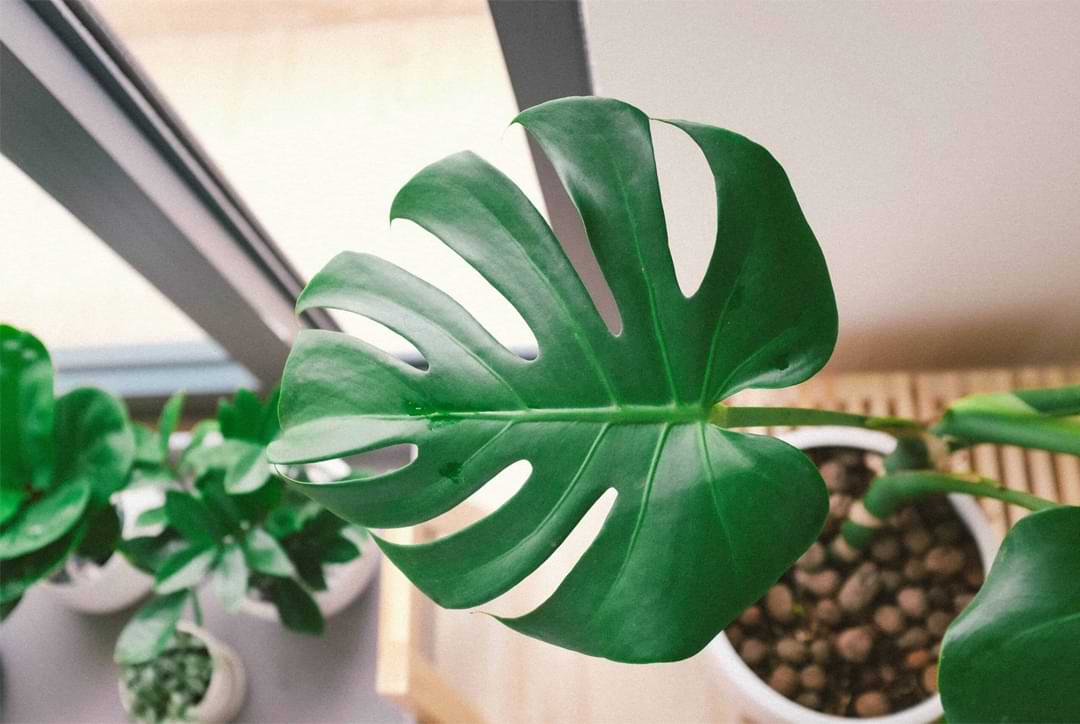
Monstera plants are known for their unique, split leaves. Yet, not all leaves split. This can be frustrating for plant lovers. Proper care can encourage these splits. Let’s explore the best tips for achieving those beautiful, fenestrated leaves.
Optimal Care Tips
To promote leaf splits, focus on creating the right environment. Monstera plants thrive with proper light, water, and nutrients.
- Light: Place your Monstera in bright, indirect sunlight. Avoid direct sun to prevent leaf burn.
- Water: Water the plant when the top inch of soil feels dry. Overwatering can cause root rot.
- Humidity: Maintain high humidity levels. Monstera plants love moisture in the air.
- Soil: Use well-draining soil. A mix of peat, perlite, and orchid bark works well.
- Fertilizer: Feed your plant with a balanced fertilizer every month during the growing season.
Common Mistakes To Avoid
Avoiding common mistakes ensures your Monstera’s health and promotes leaf splits.
- Low Light: Insufficient light can hinder leaf development. Ensure the plant receives enough indirect sunlight.
- Overwatering: Too much water can lead to root rot. Stick to a consistent watering schedule.
- Dry Air: Low humidity can affect leaf health. Use a humidifier or mist the plant regularly.
- Poor Soil: Heavy or compacted soil can restrict root growth. Use a well-draining mix.
- Neglecting Fertilizer: Lack of nutrients can slow down growth. Regular feeding is essential.
Frequently Asked Questions
Why Don’t All Monstera Leaves Split?
Monstera leaves may not split due to lack of light. Young or new growth also tends to be unsplit. Ensure your plant receives indirect sunlight for optimal growth.
How Can I Make Monstera Leaves Split?
Provide bright, indirect light and maintain high humidity. Regularly rotate the plant and ensure proper watering. Pruning older leaves can also encourage new, split growth.
Do All Monstera Leaves Eventually Split?
No, not all Monstera leaves will split. Leaf splitting depends on the plant’s age, light conditions, and overall health. Proper care increases the likelihood of splitting.
Can Low Humidity Affect Monstera Leaf Splitting?
Yes, low humidity can affect Monstera leaf splitting. Monstera plants thrive in high humidity environments. Use a humidifier or mist the leaves regularly to promote splitting.
Conclusion
Understanding why not all Monstera leaves split helps in plant care. Remember, light, water, and humidity play key roles. Ensure your plant gets adequate sunlight. Water it regularly, but don’t overdo it. Maintain proper humidity levels for healthy growth. Observe your Monstera and adjust care routines as needed.
This way, you can enjoy its unique, beautiful leaves, whether they split or not. Happy gardening!
Leave a Reply