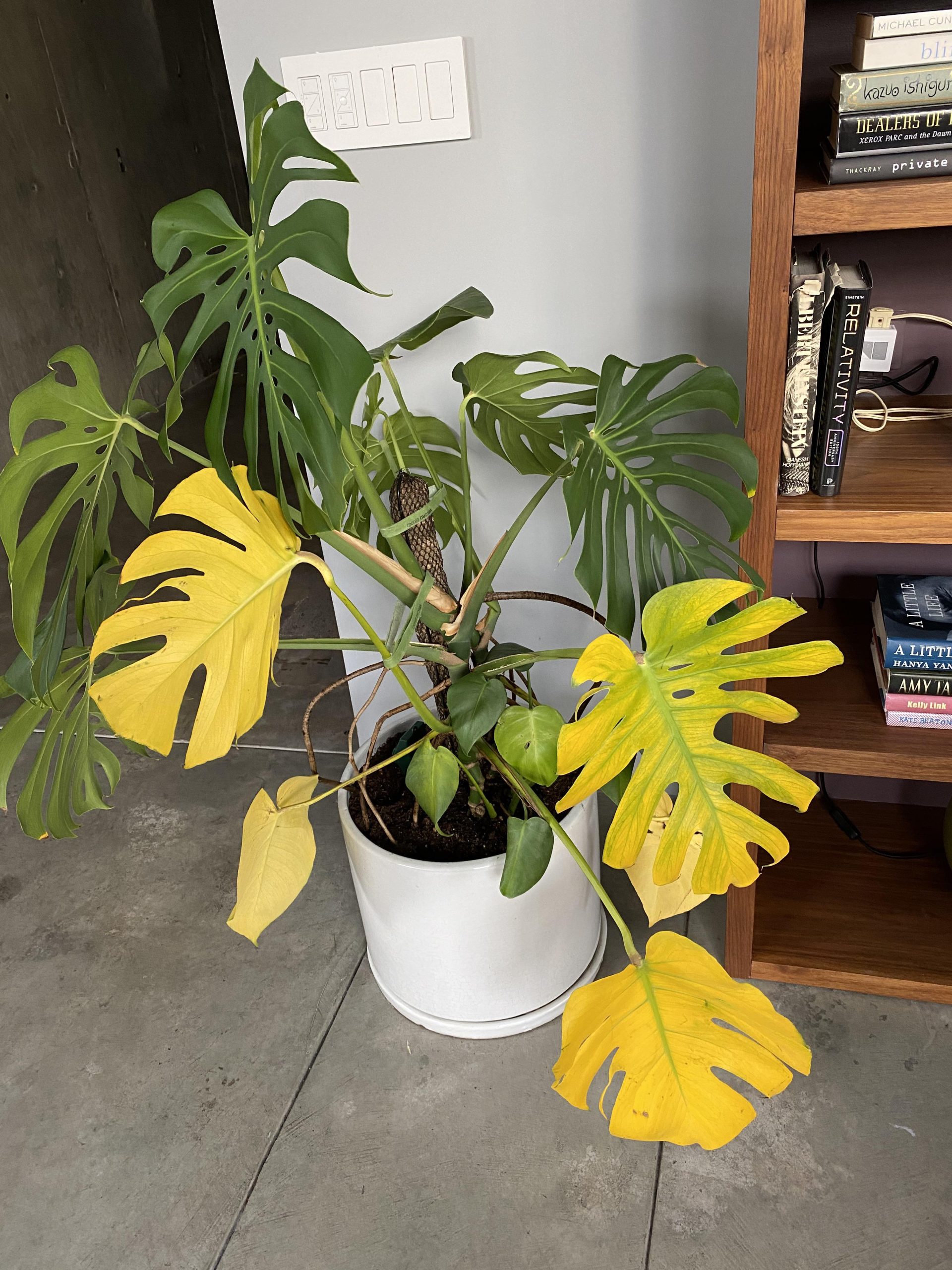
Monstera plants are popular for their beautiful, large leaves. But sometimes, those leaves turn yellow.
Why does this happen? Yellowing leaves can be a sign of different issues. Understanding why your Monstera leaves turn yellow is key to keeping your plant healthy. From watering problems to pests, many factors can cause yellow leaves. We will explore common reasons behind this issue.
By identifying the cause, you can take steps to help your Monstera thrive. Whether you are a new plant parent or an experienced gardener, this guide will help you keep your Monstera looking its best. Let’s dive into the reasons behind yellow Monstera leaves and how to address them.
Common Causes Of Yellowing Leaves
Monstera plants, with their lush green foliage, add a touch of the tropics to your home. But, yellowing leaves can be a sign of distress. This issue can stem from several common causes. Understanding these can help you restore your Monstera’s health.
Overwatering
Overwatering is a common mistake. It suffocates the roots, causing yellow leaves. Monstera plants dislike sitting in soggy soil. Always check if the top inch of soil is dry before watering. This helps prevent waterlogged roots.
Underwatering
Underwatering can also lead to yellow leaves. Monstera plants need consistent moisture. When the soil dries out too much, the plant struggles to transport nutrients. This stress shows up as yellowing leaves. Ensure the soil stays moist but not soaked.
Poor Soil Drainage
Poor soil drainage can harm your Monstera. Even if you water correctly, bad drainage causes water to sit around the roots. This leads to root rot and yellow leaves. Use well-draining soil and pots with drainage holes. This helps excess water escape, keeping roots healthy.
Nutrient Deficiencies
Monstera plants are loved for their striking, large leaves. But sometimes, these leaves can turn yellow. One common reason is nutrient deficiencies. When a plant lacks essential nutrients, its health deteriorates, leading to yellowing leaves. Understanding these deficiencies can help restore your Monstera’s vibrant green color.
Lack Of Nitrogen
Nitrogen is crucial for plant growth. A nitrogen deficiency causes yellow leaves. The yellowing starts from the older leaves. They turn pale and then yellow. This happens because nitrogen is vital for chlorophyll production. Without enough nitrogen, the plant can’t produce enough chlorophyll. As a result, leaves lose their green color.
Iron Deficiency
Iron is another essential nutrient for Monstera plants. An iron deficiency often shows as yellowing between the leaf veins. The veins remain green, but the rest of the leaf turns yellow. This condition is called chlorosis. Iron helps in the formation of chlorophyll. Without enough iron, the plant struggles to make chlorophyll. This leads to the yellowing of the leaves.
Magnesium Deficiency
Magnesium is vital for photosynthesis. It is a key component of chlorophyll. A magnesium deficiency causes the leaves to turn yellow. This yellowing starts from the edges and moves inward. The veins stay green, creating a distinct pattern. This nutrient is mobile within the plant. So, the deficiency first appears in older leaves.
Pest Infestations
Monstera leaves turning yellow can be alarming for any plant owner. One of the common causes is pest infestations. Tiny insects can wreak havoc on your Monstera, leading to yellowing leaves and overall plant distress. Here, we’ll explore the usual suspects, how to spot them, and ways to keep your plant safe.
Common Pests
Several pests love Monstera plants. The most common ones include:
- Spider mites: These tiny bugs spin webs on the undersides of leaves.
- Scale insects: Look for small, brown bumps on stems and leaves.
- Aphids: These small, green insects suck sap from the plant.
- Mealybugs: These pests appear as white, cotton-like masses on leaves and stems.
Signs Of Infestation
Recognizing an infestation early is crucial. Look out for these signs:
- Yellow spots on leaves.
- Sticky residue on leaves and stems.
- Webbing under leaves.
- Visible insects on the plant.
Preventive Measures
To keep your Monstera healthy and pest-free, follow these steps:
- Inspect new plants before bringing them indoors.
- Quarantine new plants for a few weeks.
- Keep your plant clean by wiping leaves with a damp cloth.
- Use natural insecticides like neem oil.
- Monitor regularly for signs of pests.
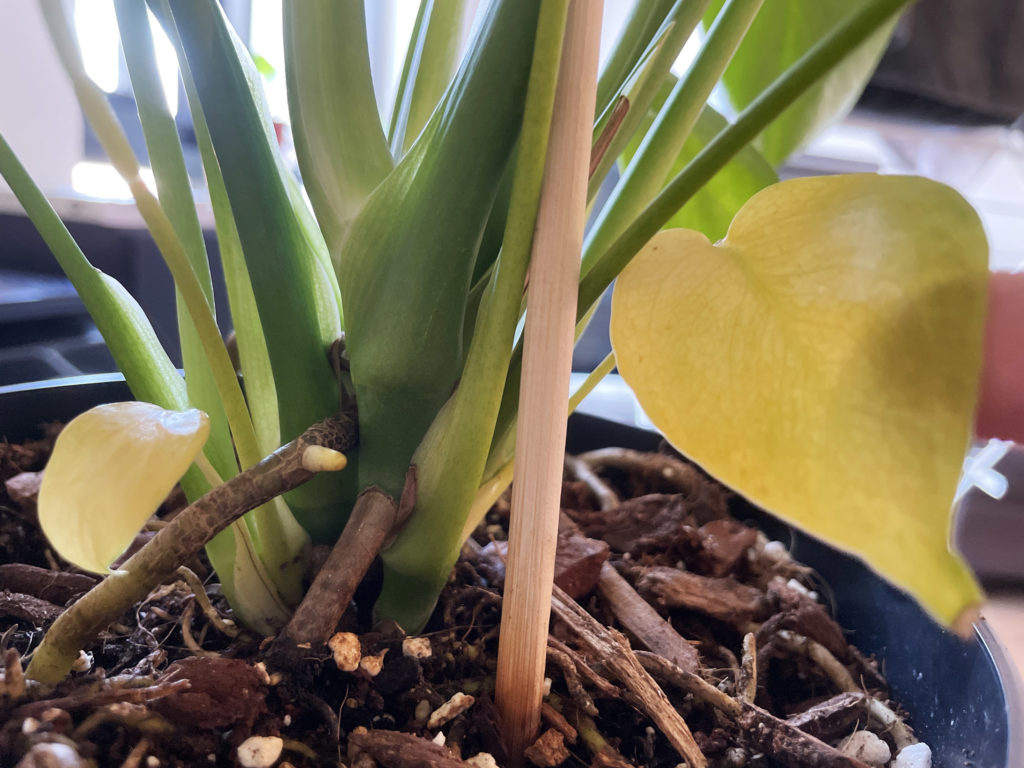
Environmental Stress
Monstera plants, known for their striking leaves, sometimes show yellowing. This can be due to environmental stress. Understanding the causes can help you take better care of your Monstera. Let’s explore some common stressors.
Temperature Fluctuations
Monstera plants thrive in stable conditions. Sudden temperature changes can stress the plant, leading to yellow leaves. Here are some key points:
- Keep the temperature between 65-75°F (18-24°C).
- Avoid placing the plant near heating vents or drafty windows.
- Sudden drops in temperature are particularly harmful.
Low Humidity
Monstera plants love humidity. Low humidity levels can cause yellowing leaves. Consider these tips to maintain optimal humidity:
- Use a humidifier to maintain around 60% humidity.
- Mist the leaves regularly to increase moisture.
- Group plants together to create a microclimate.
Improper Lighting
Lighting is crucial for Monstera health. Both too much and too little light can cause yellow leaves:
| Lighting Condition | Effect on Monstera |
|---|---|
| Too Much Direct Sunlight | Leaves get scorched and turn yellow. |
| Too Little Light | Leaves turn yellow due to lack of photosynthesis. |
Best practices for Monstera lighting:
- Place in bright, indirect light.
- Avoid direct sunlight.
- Use grow lights if natural light is insufficient.
Disease Factors
Monstera leaves turning yellow can be a sign of disease factors. These diseases can severely affect the health of your plant. Below are the three main disease factors that can cause yellowing leaves in Monsteras.
Fungal Infections
Fungal infections are a common cause of yellow leaves. They thrive in moist environments. Overwatering and poor drainage often contribute to fungal growth. Fungi can attack the roots and spread to the leaves. As a result, the leaves turn yellow and may develop dark spots.
Bacterial Infections
Bacterial infections can also cause yellow leaves in Monsteras. These bacteria enter through wounds or natural openings. They spread quickly and cause leaf discoloration. You might notice a foul smell from the infected parts. The leaves will turn yellow and eventually brown.
Viral Infections
Viral infections are less common but still a threat. They can spread through contaminated tools or insects. Affected leaves show yellow patches or streaks. Viruses often stunt the plant’s growth. In severe cases, the entire leaf may turn yellow and wilt.
Improper Fertilization
Improper fertilization can cause Monstera leaves to turn yellow. The balance of nutrients is crucial for healthy growth. Both over-fertilization and under-fertilization can lead to problems. Understanding the right amount and type of fertilizer is key.
Over-fertilization
Over-fertilization happens when too much fertilizer is applied to the plant. This can lead to a buildup of salts in the soil. The excess salts draw moisture away from the roots, causing stress. As a result, Monstera leaves may turn yellow. Symptoms of over-fertilization include:
- Yellowing leaves
- Burnt leaf edges
- Stunted growth
To avoid over-fertilization, follow the recommended dosage on the fertilizer package. Using a soil test kit can help monitor nutrient levels. Regular flushing of the soil with water can remove excess salts.
Under-fertilization
Under-fertilization is the opposite problem. It occurs when the plant does not receive enough nutrients. This can weaken the Monstera, leading to yellow leaves. Signs of under-fertilization include:
- Pale or yellow leaves
- Slow growth
- Weak stems
To correct under-fertilization, ensure the plant receives the necessary nutrients. Use a balanced fertilizer and follow the instructions. Regular feeding can help maintain healthy growth.
Choosing The Right Fertilizer
Choosing the right fertilizer is essential for Monstera health. A balanced fertilizer with equal parts nitrogen, phosphorus, and potassium is ideal. Look for a 20-20-20 or 10-10-10 formula. Organic options are also available. Consider the following tips:
- Read the label carefully.
- Follow the recommended dosage.
- Monitor the plant’s response.
Choosing the right fertilizer ensures the Monstera gets the nutrients it needs. This helps prevent yellow leaves and promotes healthy growth.
Natural Aging Process
The natural aging process is one of the reasons Monstera leaves turn yellow. This process is normal and not a cause for concern. As Monstera plants grow, older leaves may yellow and fall off. This is a sign the plant is focusing energy on new growth. Understanding this process helps in proper plant care.
Identifying Aging Leaves
Look at the oldest leaves first. Aging leaves are usually at the bottom. They turn yellow and may show spots. These leaves are often larger and less vibrant. They naturally lose color over time.
Difference From Disease
Yellowing from age differs from disease. Aging leaves have a uniform yellow color. Diseased leaves may show patches or streaks. They might also have a foul smell or mold. Regular checks can help identify the cause.
Managing Natural Leaf Drop
Let old leaves fall off naturally. Trim yellow leaves if they bother you. Use clean, sharp scissors. Cut close to the stem. Removing yellow leaves helps new growth. It also keeps the plant looking tidy.
:max_bytes(150000):strip_icc()/Why-Are-My-Monstera-Leaves-Turning-Yellow-b2cd94a10c184ae6a214790c893344f7.jpg)
Solutions To Revive Yellowing Leaves
Yellowing leaves on your Monstera plant can be a worrying sight. It’s essential to identify the underlying cause and take action to revive your plant. Here, we will explore effective solutions to bring back the lush, green foliage of your Monstera.
Adjusting Watering Practices
Overwatering is a common cause of yellow leaves. Ensure your Monstera’s soil is well-drained and avoid letting the plant sit in water. Use the following tips to adjust your watering practices:
- Check soil moisture: Before watering, feel the top 2 inches of soil. If it’s dry, water the plant.
- Watering schedule: Water your Monstera once a week or when the soil feels dry.
- Drainage: Make sure the pot has drainage holes to prevent waterlogging.
Enhancing Soil Quality
Poor soil quality can lead to nutrient deficiencies, causing yellow leaves. Enhance the soil quality with these tips:
- Use a well-draining mix: A mix of peat, perlite, and pine bark works well.
- Fertilize regularly: Use a balanced, water-soluble fertilizer once a month during the growing season.
- Repot if necessary: If the soil is compacted or the plant has outgrown its pot, repot using fresh soil.
Treating Pests And Diseases
Pests and diseases can also cause yellowing leaves. Identify and treat pests and diseases with these methods:
| Pest/Disease | Solution |
|---|---|
| Spider mites | Spray the plant with a mixture of water and mild soap. Ensure to cover both sides of the leaves. |
| Scale insects | Remove scales manually with a cotton swab dipped in rubbing alcohol. |
| Fungal infections | Use a fungicide spray and ensure good air circulation around the plant. |
Regularly inspect your Monstera for signs of pests and diseases. Early detection and treatment can save your plant from severe damage.
Frequently Asked Questions
Why Do Monstera Leaves Turn Yellow?
Monstera leaves turn yellow due to overwatering or underwatering. Other reasons include lack of sunlight, nutrient deficiency, and pests.
How Can I Prevent Yellow Leaves?
Prevent yellow leaves by ensuring proper watering, providing adequate sunlight, and feeding the plant with balanced fertilizer.
Is Yellowing A Sign Of Overwatering?
Yes, yellowing can be a sign of overwatering. Ensure soil has good drainage and avoid waterlogging.
Can Low Humidity Cause Yellow Leaves?
Yes, low humidity can cause yellow leaves. Maintain a humid environment to keep your Monstera healthy.
Conclusion
Yellowing Monstera leaves can worry plant owners. Identifying the cause is crucial. Overwatering, underwatering, or poor light conditions often lead to yellow leaves. Check for pests or nutrient deficiencies too. Each problem has a specific solution. Proper care brings back the plant’s vibrant green.
Your Monstera will thrive with attention and adjustments. Happy gardening!
Leave a Reply