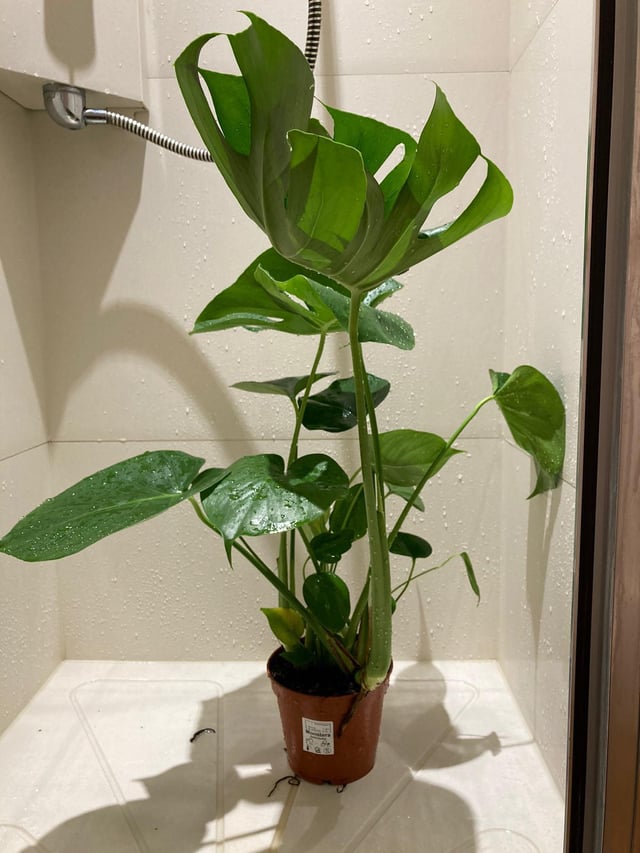
Monstera leaves curl up for several reasons. It can be a sign of stress or a health issue.
Understanding the cause can help you fix the problem and keep your plant thriving. Monstera plants are popular for their striking leaves and easy-care nature. Yet, when those beautiful leaves start to curl, it can be worrying. There are many factors that can lead to curling leaves, such as watering issues, light levels, or pests.
Identifying the root cause is key to bringing your Monstera back to health. In this blog post, we will explore the common reasons behind this problem. By the end, you will know how to prevent and treat curling leaves to ensure your Monstera stays lush and green. Stay tuned to learn more!

Causes Of Monstera Leaf Curling
Monstera plants are popular for their stunning leaves. But sometimes, their leaves curl up. This can be frustrating for plant owners. Understanding the causes of Monstera leaf curling is important. Let’s explore the main reasons behind this issue.
Environmental Stress
Monstera plants thrive in stable environments. Changes in temperature or humidity can stress them out. Too much heat can cause their leaves to curl. Similarly, cold drafts can have the same effect. Keep your Monstera in a spot with consistent temperature and humidity.
Watering Issues
Watering plays a key role in Monstera health. Both overwatering and underwatering can cause leaf curling. Overwatering leads to root rot, which affects leaf health. Underwatering dries out the plant, causing leaves to curl. Water your Monstera when the top inch of soil feels dry.
Nutrient Deficiency
Monstera plants need nutrients to grow well. A lack of essential nutrients can cause leaf curling. Check the soil and ensure it has the right mix of nutrients. Fertilize your Monstera every few weeks during the growing season. Use a balanced, water-soluble fertilizer for best results.
Impact Of Light On Monstera Leaves
The light a Monstera plant receives greatly influences its health. Light affects how the leaves grow and their overall appearance. Improper lighting can lead to curling leaves, a common issue for many plant owners.
Low Light Conditions
Monstera plants need light for photosynthesis. In low light conditions, they struggle to produce enough energy. As a result, their leaves may start to curl. This is the plant’s way of conserving energy and moisture.
Signs of low light stress include:
- Slowed growth
- Pale or yellowing leaves
- Leggy stems
To prevent curling, place your Monstera in a spot with bright, indirect light.
Excessive Light Exposure
Too much light can also harm your Monstera. Excessive light exposure can lead to leaf burn. The leaves may curl up to protect themselves from the intense light.
Indicators of too much light include:
- Brown, crispy edges on leaves
- Fading leaf color
- Dry, brittle leaves
Ensure your Monstera gets filtered light, away from direct sunlight. Use a sheer curtain if needed.
Watering Best Practices
Proper watering is crucial for the health of your Monstera plant. Both overwatering and underwatering can cause your Monstera leaves to curl up. Understanding the best watering practices will help you keep your plant healthy and vibrant.
Proper Watering Techniques
To maintain a healthy Monstera, use the following watering techniques:
- Check Soil Moisture: Before watering, check the soil moisture. Insert your finger 2 inches into the soil. If it feels dry, it’s time to water.
- Water Deeply: Water until it drains from the bottom of the pot. This ensures the roots receive enough moisture.
- Use Room Temperature Water: Cold water can shock the roots. Use water at room temperature for best results.
Signs Of Overwatering
Overwatering can lead to root rot and other issues. Look for these signs:
| Signs | Description |
|---|---|
| Yellow Leaves | Leaves turn yellow and feel soft. |
| Foul Smell | Soil emits a foul odor indicating root rot. |
| Wet Soil | Soil remains wet for a long time. |
Signs Of Underwatering
Underwatering can stress your Monstera. Watch for these signs:
- Dry Soil: Soil feels dry and pulls away from the pot edges.
- Crispy Leaves: Leaves become dry and crispy, especially at the edges.
- Leaf Drop: Leaves may curl up and drop off.
Importance Of Humidity
Humidity plays a vital role in the health of Monstera leaves. These tropical plants thrive in humid environments. Without proper humidity, the leaves can curl up. Understanding the ideal humidity levels and how to increase them is key to keeping your Monstera healthy.
Ideal Humidity Levels
Monsteras need humidity levels between 60% and 80%. In dry conditions, their leaves may curl. This curling is a sign of stress. To keep your Monstera happy, monitor the humidity levels regularly. You can use a hygrometer for this purpose.
Increasing Humidity
If the humidity is too low, there are several ways to increase it:
- Use a Humidifier: Place a humidifier near your Monstera. This can help maintain the desired humidity levels.
- Misting: Lightly mist the leaves with water. Do this a few times a week.
- Water Tray: Place a tray filled with water near the plant. The water will evaporate, increasing the humidity around the Monstera.
These methods can help prevent the leaves from curling. Keep your Monstera in a humid environment for optimal growth.
Nutrient Requirements
Monstera leaves curl up due to nutrient deficiencies. Lack of essential nutrients like magnesium and calcium can cause this. Ensure proper fertilization to keep leaves healthy and vibrant.
Monstera leaves curling up can be due to nutrient deficiencies. Proper nutrients are essential for healthy growth. Without them, plants show signs of distress, like curling leaves. Understanding the specific nutrient needs helps keep your Monstera thriving.Essential Nutrients
Monstera plants need several key nutrients. Nitrogen, phosphorus, and potassium are vital. Nitrogen promotes leafy growth. Phosphorus supports root development. Potassium enhances overall plant health. Additionally, calcium and magnesium are important. They help with cell structure and chlorophyll production.Fertilization Tips
Use a balanced, water-soluble fertilizer. Apply it every four to six weeks. Dilute it to half strength to avoid over-fertilizing. Over-fertilization can cause leaf burn. Check the soil pH regularly. Monstera prefers slightly acidic to neutral soil. Adjust the pH if necessary. Avoid using tap water with high salt content. This can affect nutrient absorption. “`
Common Pests And Diseases
Monstera leaves curling up is often a sign of underlying issues. Common pests and diseases are frequent culprits behind this problem. Understanding these can help you tackle the issue effectively. Here, we’ll explore how to identify and treat these pests and diseases.
Identifying Pests
Pests can cause significant harm to your Monstera plant. Common pests include spider mites, aphids, and mealybugs. Each pest affects the plant differently.
| Pest | Signs |
|---|---|
| Spider Mites | Small webs and yellow spots |
| Aphids | Sticky residue and curled leaves |
| Mealybugs | White, cotton-like masses |
To identify pests, check the undersides of leaves and stems. Use a magnifying glass for a closer look. If you see any of the signs listed above, your plant might be infested.
Treating Infestations
Treating pest infestations involves a few simple steps. First, isolate the affected plant to prevent the pests from spreading to other plants.
- Remove visible pests with a cotton swab dipped in alcohol.
- Rinse the plant with water to remove any remaining pests.
- Apply insecticidal soap or neem oil to the affected areas.
- Repeat the treatment every few days until the pests are gone.
Diseases like root rot and fungal infections can also cause Monstera leaves to curl. Overwatering often leads to root rot, while high humidity can promote fungal infections. To prevent these, ensure proper watering and ventilation.
If you suspect a disease, inspect the roots and soil. Healthy roots are white and firm, while diseased roots are brown and mushy.
Soil And Potting Considerations
Monstera leaves curling up can be a sign of several issues. One critical factor is soil and potting considerations. Ensuring the right soil and proper potting techniques can help keep your plant healthy.
Choosing The Right Soil
The right soil is essential for Monstera plants. These plants need soil that drains well. A mix of peat, pine bark, and perlite works best.
Consider the following:
- Peat: Holds moisture but drains well.
- Pine bark: Provides structure and helps with drainage.
- Perlite: Keeps soil airy and prevents compaction.
Avoid heavy soils. They hold too much water and can lead to root rot.
Proper Potting Techniques
Using the right pot and potting techniques is important. Follow these steps:
- Choose a pot with drainage holes.
- Fill the bottom with small rocks or broken pottery.
- Use the soil mix mentioned earlier.
- Place the Monstera in the pot and fill around the roots.
- Water thoroughly until water drains out.
Ensure the pot is not too large. A pot too big can cause the soil to stay wet too long.
Repot every 1-2 years. This helps keep the soil fresh and the roots healthy.
Preventive Measures
Preventing Monstera leaves from curling up involves simple yet effective measures. Regular care can ensure your plant stays healthy and vibrant. Follow these preventive steps to keep your Monstera thriving.
Regular Monitoring
Observe your Monstera daily. Check for signs of curling leaves. Early detection helps address issues before they worsen. Look for changes in color, texture, or shape. Regular monitoring can prevent major problems.
Maintenance Tips
Water your Monstera properly. Ensure the soil is neither too dry nor too wet. Overwatering and underwatering can cause leaf curling. Adjust watering frequency based on the season. Use well-draining soil to avoid waterlogging.
Provide adequate light. Monstera plants need bright, indirect sunlight. Too much direct sunlight can scorch the leaves. Insufficient light can also cause curling. Place your Monstera in a spot with filtered light.
Maintain proper humidity levels. Monstera plants thrive in high humidity. Dry air can lead to curling leaves. Use a humidifier or mist the leaves regularly. Grouping plants together can also help increase humidity.
Feed your Monstera with the right nutrients. Use a balanced fertilizer during the growing season. Follow the recommended dosage to avoid over-fertilization. Nutrient deficiencies can cause curling leaves.
Prune your plant regularly. Remove dead or damaged leaves. This helps the plant focus its energy on healthy growth. Regular pruning promotes better air circulation. It also reduces the risk of pests and diseases.
Frequently Asked Questions
Why Are My Monstera Leaves Curling?
Monstera leaves may curl due to underwatering, low humidity, or pest infestation. Check soil moisture and increase humidity levels. Inspect for pests.
How Do I Fix Curled Monstera Leaves?
To fix curled Monstera leaves, water the plant adequately, maintain high humidity, and check for pests. Adjust care as needed.
Can Overwatering Cause Monstera Leaves To Curl?
Yes, overwatering can cause Monstera leaves to curl. Ensure the soil drains well and allow it to dry slightly between waterings.
What Pests Cause Monstera Leaves To Curl?
Common pests like spider mites and thrips can cause Monstera leaves to curl. Regularly inspect and treat your plant for pests.
Conclusion
Healthy Monstera leaves bring joy to plant lovers. Leaf curling signals issues. Check light, water, and humidity levels. Balance these factors to keep your Monstera thriving. Simple adjustments can make a big difference. Happy plants mean happy homes. Keep an eye on your Monstera.
Your care helps it flourish. Enjoy the beauty of well-tended leaves.
Leave a Reply