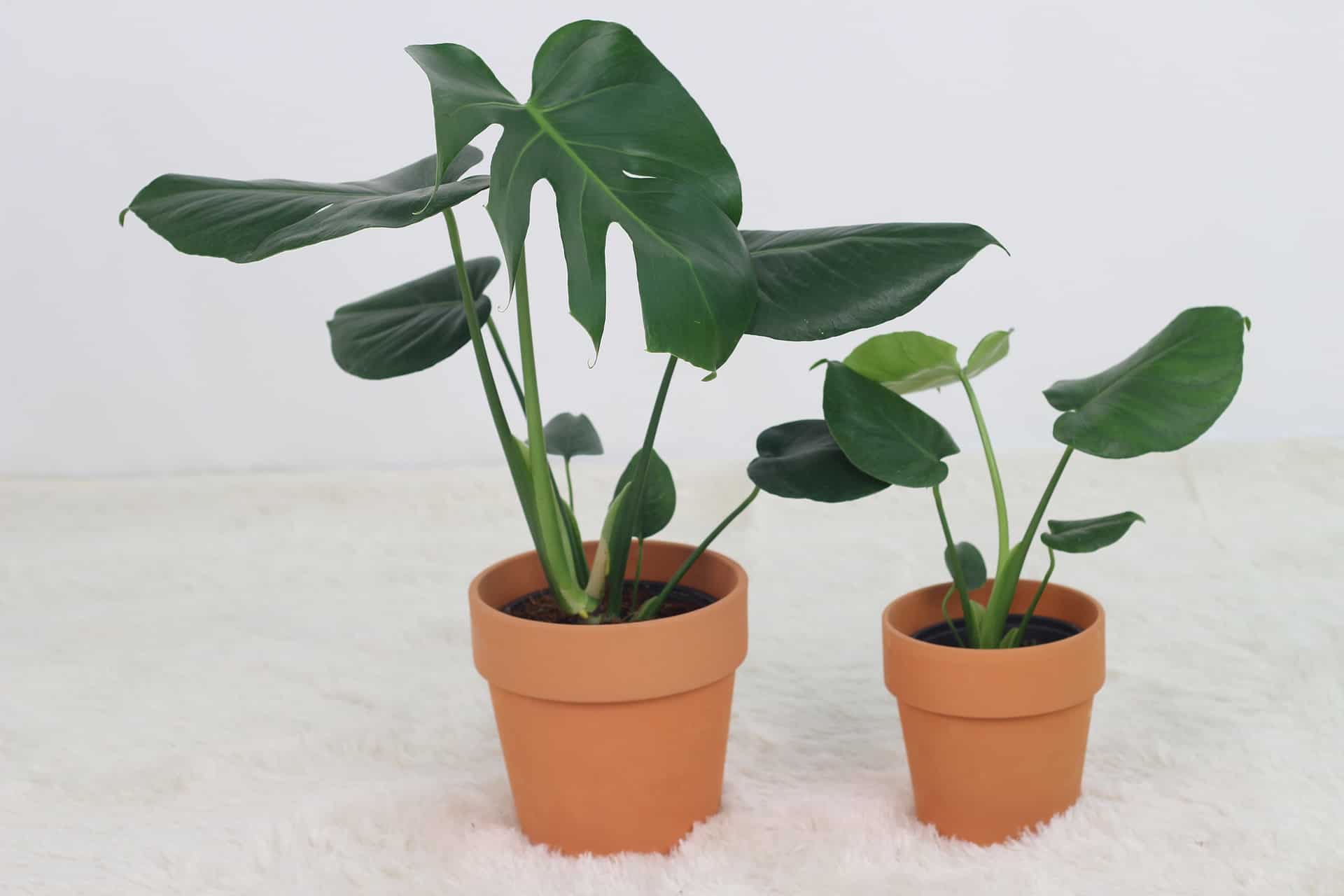
Monstera plants are popular for their unique, split leaves. But how often should you water them?
The answer depends on several factors, like the plant’s size and environment. Monstera plants, also known as Swiss cheese plants, are tropical. They thrive in humid conditions, making watering crucial. Overwatering can lead to root rot, while underwatering can stunt growth.
Finding the right balance is key. Most Monsteras need watering every 1-2 weeks. But, this can vary based on light, temperature, and humidity. Checking the soil moisture is essential. Stick your finger into the soil; if the top inch is dry, it’s time to water. Remember, healthy Monsteras have vibrant, green leaves. Proper watering ensures your plant stays lush and beautiful.
Ideal Watering Frequency
Finding the ideal watering frequency for your Monstera can be tricky. Overwatering can cause root rot, while underwatering can stunt its growth. Understanding the right balance is key to a healthy plant.
Seasonal Variations
The watering needs of your Monstera can change with the seasons. During the growing season (spring and summer), you may need to water more frequently. In contrast, during fall and winter, the plant’s growth slows down, and its water needs decrease.
| Season | Watering Frequency |
|---|---|
| Spring | Every 7-10 days |
| Summer | Every 7-10 days |
| Fall | Every 10-14 days |
| Winter | Every 14-21 days |
Signs Of Thirst
Knowing when your Monstera needs water is crucial. Here are some signs to watch for:
- Drooping leaves: Leaves start to droop or sag.
- Dry soil: Soil feels dry an inch below the surface.
- Yellowing leaves: Leaves turn yellow and may fall off.
If you notice these signs, it’s time to water your plant. Make sure to water until excess drains out of the pot’s bottom.
Soil Moisture Levels
Understanding soil moisture levels is crucial for keeping your Monstera healthy. Proper watering ensures your plant thrives without suffering from root rot or dehydration. The key is to maintain balanced moisture levels in the soil.
Testing Methods
There are several ways to test soil moisture for your Monstera. You can use a moisture meter, which gives an accurate reading of the soil’s moisture level. Stick the meter into the soil near the plant’s roots. If the reading is low, it’s time to water your Monstera.
Another method is the finger test. Insert your finger about an inch into the soil. If the soil feels dry at this depth, your Monstera needs watering. If it feels moist, wait a few more days before checking again.
Importance Of Drainage
Proper drainage is essential for maintaining healthy soil moisture levels. Monstera plants dislike sitting in waterlogged soil. Ensure your pot has drainage holes to allow excess water to escape. This prevents root rot and keeps the plant healthy.
Use a well-draining soil mix, preferably one designed for tropical plants. This type of soil retains enough moisture for your Monstera while allowing excess water to drain away. Regularly check the drainage to ensure it’s working effectively.
Environmental Factors
Monstera plants thrive in specific environments. These environmental factors significantly affect their watering needs. Understanding these factors can help you provide the best care for your Monstera plant.
Humidity
Monstera plants love high humidity. In their natural habitat, they grow in humid rainforests. Aim to maintain a humidity level of 60% or higher. Use a humidifier if your home is dry. Place your plant near other plants to create a humid microclimate. Mist the leaves regularly to boost humidity. Remember, dry air can cause the leaves to brown and curl.
Temperature
Monstera plants prefer warm temperatures. The ideal range is between 65°F and 85°F. Avoid placing your plant near cold drafts or heating vents. Sudden temperature changes can stress the plant. Keep your Monstera away from windows during cold weather. Monitor the temperature to ensure it stays within the optimal range.
Water Quality
Ensuring the quality of water you use for your Monstera is crucial. This can significantly impact the plant’s health and growth. Let’s dive into the best types of water and how to avoid harmful chemicals.
Best Types Of Water
Using the right type of water can make a big difference for your Monstera. Here are some of the best options:
- Rainwater: Rainwater is free from chemicals and is excellent for Monsteras.
- Filtered Water: Filtered water removes impurities and provides clean hydration.
- Distilled Water: Distilled water is free from minerals that can harm plants.
These types of water help your Monstera thrive by providing clean, chemical-free hydration.
Avoiding Chemicals
Chemicals in tap water can harm your Monstera. Here are some common chemicals to avoid:
| Chemical | Impact on Monstera |
|---|---|
| Chlorine | Can cause leaf burn and hinder growth. |
| Fluoride | May lead to brown tips on leaves. |
| Heavy Metals | Can be toxic and stunt plant development. |
To avoid these, consider using filtered or distilled water. Letting tap water sit for 24 hours can also help dissipate chlorine.
Common Mistakes
Watering a Monstera can be tricky. Many plant owners make common mistakes. These mistakes can harm your plant. Knowing what to avoid is key.
Overwatering Issues
Overwatering is a frequent issue. It can cause root rot. Root rot is a serious problem. Your Monstera’s roots sit in water too long. They start to decay. The plant then can’t absorb nutrients.
Overwatered Monsteras may have yellow leaves. The leaves might also drop. The soil may smell bad. Checking the soil is vital. It should be moist, not soggy.
Underwatering Symptoms
Underwatering is another common mistake. It can stress your Monstera. Dry soil is a clear sign. The leaves may turn brown. They might also curl at the edges.
Underwatered plants may look droopy. The plant will seem weak. Regular watering can prevent this. Ensure the soil is evenly moist. Avoid letting it dry out completely.

Tools For Watering
Choosing the right tools for watering your Monstera can make a big difference. Proper tools help you deliver the right amount of water to your plant. Let’s explore some essential tools.
Watering Cans
Watering cans are a classic tool for plant care. They come in various sizes and designs. Select a can with a long spout. This helps you reach the base of the Monstera without wetting the leaves.
Using a watering can gives you control over the water flow. You can pour slowly and evenly. This ensures that the soil absorbs the water well. Choose a can with a comfortable handle. This makes it easier to carry and pour water.
- Long spout for easy reach
- Controlled water flow
- Comfortable handle
Moisture Meters
Moisture meters are valuable for checking soil moisture levels. They help you avoid over-watering or under-watering your Monstera. Stick the meter into the soil. The display will show the moisture level.
Look for a meter with an easy-to-read display. Some meters also measure light and pH levels. This gives you a complete picture of your plant’s environment. Using a moisture meter ensures your Monstera gets the right amount of water.
| Feature | Benefit |
|---|---|
| Easy-to-read display | Quick and accurate readings |
| Multi-function | Measures moisture, light, and pH |
| Portable | Easy to use and carry |
Advanced Tips
Taking care of a Monstera can feel overwhelming without the right guidance. While basic care tips are helpful, advanced tips can take your plant care to the next level. These tips ensure your Monstera remains healthy and vibrant.
Fertilizer Integration
Fertilize your Monstera to boost its growth. Use a balanced liquid fertilizer every month during spring and summer. Dilute the fertilizer to half strength. This prevents fertilizer burn. Stop fertilizing in fall and winter to let your plant rest.
Repotting Advice
Repot your Monstera every two years. Choose a pot that is 2 inches larger than the current one. Use well-draining soil to prevent root rot. Check the roots for any signs of disease. Trim off any dead or rotten roots before repotting. Ensure the new pot has drainage holes.
Seasonal Care Routines
Monstera plants need different care in different seasons. Adjust your watering routine according to the weather. This ensures your plant stays healthy all year round. Here’s how you can manage your Monstera’s water needs during winter and summer.
Winter Adjustments
During winter, Monstera plants need less water. The air is dry, and the plant’s growth slows down. Overwatering can lead to root rot.
- Water your Monstera every two to three weeks.
- Check the soil moisture before watering. The top inch should be dry.
- Reduce the amount of water you use.
Make sure the plant is not near cold drafts. This can stress the plant and cause damage.
Summer Strategies
In summer, Monstera plants grow faster. They need more water and care.
- Water your Monstera once a week.
- Ensure the soil is moist but not soggy.
- Increase humidity around the plant. Use a humidifier or mist the leaves.
Place the plant in a spot with indirect sunlight. Too much direct sunlight can scorch the leaves.
| Season | Watering Frequency | Special Care |
|---|---|---|
| Winter | Every 2-3 weeks | Avoid overwatering; keep away from cold drafts |
| Summer | Once a week | Increase humidity; avoid direct sunlight |
Frequently Asked Questions
How Often Should You Water Monstera Plants?
Water Monstera once a week during the growing season. In winter, reduce watering to once every two weeks. Always check the top inch of soil; if it’s dry, water your plant.
What Are The Signs Of Overwatering Monstera?
Yellowing leaves and soggy soil indicate overwatering. Root rot is another sign. Ensure the pot has good drainage to prevent waterlogging.
Can Monstera Be Underwatered?
Yes, Monstera can be underwatered. Signs include drooping leaves and dry, compacted soil. Water your plant immediately if these signs appear.
How Do I Know When Monstera Needs Water?
Check the top inch of soil. If it’s dry, your Monstera needs water. Drooping leaves are another indicator that your plant is thirsty.
Conclusion
Watering your Monstera plant doesn’t need to be complicated. Check the soil regularly. If it’s dry, water it. Ensure proper drainage to avoid root rot. Adjust watering frequency based on the season. Less water in winter, more in summer. Observe your plant’s needs.
Happy Monstera care leads to a healthy, thriving plant.
Leave a Reply