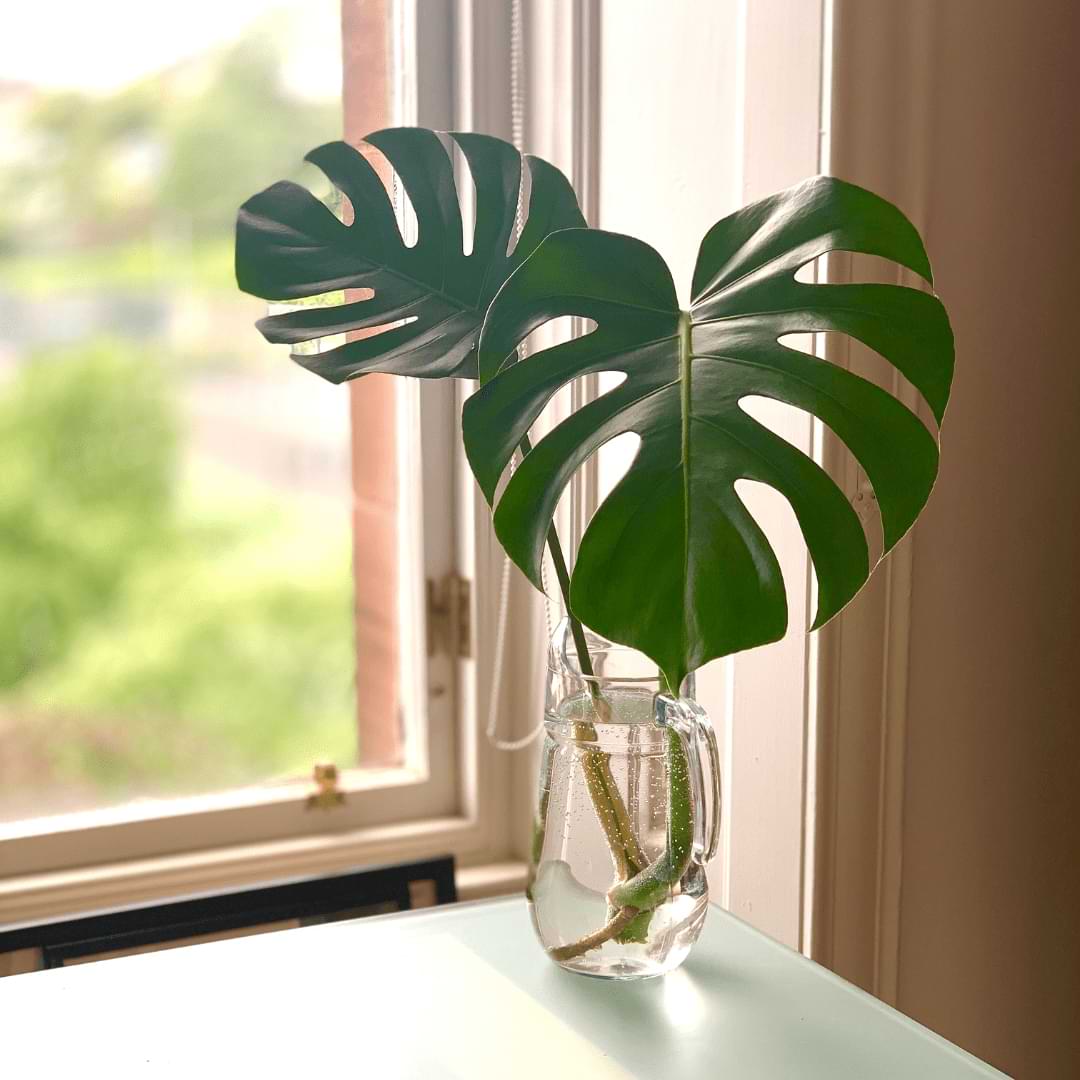
Yes, the Monstera plant can grow in water. This method is popular among plant lovers.
It involves placing the plant’s roots in water instead of soil. Monstera plants are tropical beauties known for their large, hole-filled leaves. Growing them in water can be a simple and rewarding way to enjoy their lush greenery. Water propagation also helps you monitor root health easily.
By keeping the roots submerged, you can prevent overwatering issues common in soil. Plus, it adds a unique aesthetic to your home with clear vases showcasing the roots. In this blog, we will explore the steps and tips for successfully growing Monstera in water. Let’s dive into this fascinating plant care method!

Introduction To Monstera Plants
Monstera plants can grow in water with proper care. Keep the roots submerged and change the water regularly. This method helps them thrive indoors.
Monstera plants, also called Swiss Cheese Plants, are popular houseplants. Their large, unique leaves have holes, giving them a distinctive look. These plants come from tropical rainforests in Central and South America. They thrive in humid environments with indirect sunlight. Monstera plants can adapt well to indoor conditions. They are known for their lush foliage and air-purifying abilities. With proper care, they can grow quite large and impressive.Monstera Plant Varieties
There are several varieties of Monstera plants. The most common one is Monstera deliciosa. It has large, split leaves and can grow very big. Another popular variety is Monstera adansonii. This one has smaller leaves with more holes. Monstera obliqua is a rare variety. It has thin, delicate leaves with large holes. Each variety has its unique charm and care needs.Benefits Of Growing Monstera
Growing Monstera plants offers many benefits. They are excellent air purifiers. These plants help remove toxins from the air, creating a healthier environment. Monstera plants also add beauty to any space. Their unique leaves make them a focal point in any room. They are relatively easy to care for, making them great for beginners. With minimal effort, you can enjoy a lush, green plant all year round. “`
Growing Monstera In Water
Monstera plants can thrive in water with proper care. Just place the cuttings in a jar with clean water. Change the water weekly to keep it fresh.
Monstera plants are popular for their unique, split leaves. They can grow in water, making them versatile for indoor decor. This method is simple and rewarding. If you love houseplants, water propagation could be your next project.Water Propagation Basics
Start by cutting a healthy stem from your Monstera plant. Ensure the cutting has a few nodes. Nodes are the spots where leaves and roots emerge. Place the cutting in a jar of water. Change the water every few days to keep it fresh. This prevents bacteria growth. Soon, you will see roots forming.Choosing The Right Container
Select a clear container for your Monstera. Clear containers help you monitor root growth. Glass jars or vases work well. Ensure the container is deep enough to support the cutting. It should hold the stem upright without it tipping over. Remember, growing Monstera in water is a fun and easy way to enjoy this beautiful plant. With the right steps, your Monstera will thrive and grow healthy roots. “`Preparing Monstera Cuttings
Monstera plants are popular for their large, unique leaves. They can thrive in water with proper care. Preparing healthy cuttings is key for successful growth. This section will guide you on how to select and prepare Monstera cuttings for water propagation.
Selecting Healthy Cuttings
Select cuttings from a healthy Monstera plant. Look for stems with at least one node and one leaf. Nodes are small bumps where new roots will grow. Avoid stems with yellowing leaves or signs of disease.
| Healthy Cuttings | Unhealthy Cuttings |
|---|---|
| Green leaves | Yellow leaves |
| Firm stems | Soft or mushy stems |
| Visible nodes | No nodes |
Proper Cutting Techniques
Use clean, sharp scissors or pruning shears. This ensures a clean cut and prevents disease. Cut just below a node, leaving at least one leaf on the cutting.
Follow these steps for proper cutting techniques:
- Identify a healthy stem with a node.
- Make a clean cut just below the node.
- Remove any leaves near the bottom of the stem.
- Place the cutting in a jar of water, ensuring the node is submerged.
Change the water every few days to prevent bacteria buildup. Place the jar in indirect sunlight. In a few weeks, roots will start to form.
By following these steps, you can successfully grow Monstera plants in water.

Setting Up The Water Environment
Monstera plants can thrive in water with proper care. Ensure the roots are submerged and change the water weekly. This setup creates a lovely, low-maintenance environment for your Monstera.
Setting up the right water environment is crucial for the Monstera plant. Proper conditions ensure healthy growth and vibrant leaves. Follow these simple steps to create an ideal water habitat for your Monstera.Water Quality And Maintenance
Water quality plays a vital role. Use clean, filtered water. Tap water may contain harmful chemicals. Chlorine and fluoride can damage roots. Change the water weekly. This prevents stagnation and bacteria buildup. Keep the water level consistent. Only cover the roots, not the stem. Monitor the water clarity. Cloudy water indicates a problem.Adding Nutrients
Nutrients are essential for growth. Without soil, the plant needs extra support. Use a liquid fertilizer. Choose one suitable for hydroponic plants. Add it to the water once a month. Follow the instructions on the label. Do not over-fertilize. Too many nutrients can harm the plant. Watch for signs of nutrient deficiency. Yellow leaves mean the plant needs more nutrients. “`Caring For Monstera In Water
Caring for your Monstera plant in water is simple and rewarding. It involves regular monitoring and addressing common issues. This method can give your home a modern touch while being practical.
Monitoring Growth
Regularly check the roots for growth. Roots should be healthy and white. If roots turn brown or slimy, trim them back. Ensure the water level covers the roots but not the stem. Change the water every week to prevent bacteria build-up. Use filtered or distilled water for the best results.
Dealing With Common Issues
Root rot is a common issue. To prevent this, ensure roots have good air circulation. Keep the water clean by changing it weekly. If you notice root rot, trim affected roots and refresh the water.
Yellowing leaves may indicate poor water quality. Ensure you use clean, filtered water. If leaves continue to yellow, check for pests or nutrient deficiencies.
Algae growth can occur in the water. To combat this, keep your Monstera out of direct sunlight. Use a dark container to block light from reaching the water.
By following these steps, your Monstera plant will thrive in water, adding a touch of nature to your home.
Transitioning To Soil
Transitioning your Monstera plant from water to soil can seem daunting. But it’s a crucial step for its long-term health. Plants thrive better in soil as they mature. Soil provides essential nutrients and a stable environment. Here’s a simple guide to help you make the transition smoothly.
When To Move To Soil
Monitor the roots of your Monstera plant. When the roots are 2-3 inches long, it’s time. Roots should be white and healthy. If you see dark or mushy roots, wait. Healthy roots are key for a successful transition.
Steps For Transplanting
First, choose a pot with drainage holes. This prevents waterlogging. Fill the pot with a mix of soil and perlite. This ensures good drainage.
Next, make a hole in the soil. Gently place the Monstera in the hole. Cover the roots with soil. Press the soil down lightly. This removes air pockets. Water the plant thoroughly. Keep the soil moist but not soggy.
Place the pot in a bright, indirect light. Avoid direct sunlight. Monitor the plant for signs of stress. Yellow leaves may indicate overwatering. Adjust the watering schedule if needed.
Troubleshooting Growth Problems
When growing Monstera plants in water, you might encounter some growth problems. These issues can hinder your plant’s health. Let’s explore common problems and how to fix them.
Root Rot And Other Diseases
Root rot is a common issue in water-grown Monstera plants. It occurs when roots are too wet for too long. This can lead to mushy, brown roots. To prevent root rot, change the water regularly. Use clean, fresh water each time. Trim any rotting roots with sterilized scissors. This helps keep the plant healthy.
Other diseases can also affect water-grown Monstera plants. Fungal infections are common. These can cause spots on leaves. If you see spots, remove affected leaves. Use a fungicide to treat the remaining plant. Keep the water clean to prevent future infections.
Pest Management
Pests can also cause problems for water-grown Monstera plants. Common pests include spider mites and aphids. These pests can damage the leaves. Check your plant regularly for signs of pests. Small holes or sticky residue on leaves are indicators. If you find pests, rinse the leaves with water. This can remove many of them.
For persistent pests, use insecticidal soap. Spray the plant thoroughly. Follow the instructions on the product label. Keep the plant away from other plants to prevent spreading. Regular checks and clean water help keep pests at bay.
Advanced Tips And Tricks
Are you curious about growing Monstera plants in water? This section provides advanced tips and tricks to help you succeed. With the right knowledge, you can enjoy a thriving Monstera plant in water.
Optimizing Growth Conditions
To optimize growth conditions, ensure the plant gets enough light. Monstera plants thrive in bright, indirect light. Direct sunlight can damage the leaves. Place the plant near a window with filtered light.
Keep the water fresh. Change it every week to prevent stagnation. Use room-temperature water. Cold water can shock the plant roots. Clean the container regularly to avoid algae buildup.
Maintain the right temperature. Monstera plants prefer warm environments. Keep the temperature between 65°F and 80°F. Avoid placing the plant near drafts or air conditioners.
Fertilize the plant occasionally. Use a liquid fertilizer diluted to half strength. Apply it once a month during the growing season. This provides the necessary nutrients for healthy growth.
Creative Display Ideas
Displaying your Monstera plant creatively can enhance your home’s decor. Consider using glass containers. They allow you to see the roots and water level. Glass containers add a touch of elegance.
Group multiple plants together. Create a small indoor garden with different water plants. This adds variety and visual interest. Use containers of various shapes and sizes.
Hang the plant in a macrame holder. This saves space and adds a boho-chic vibe. Ensure the holder is sturdy enough to support the weight of the plant and water.
Add decorative stones or marbles to the container. This not only looks appealing but also helps stabilize the plant. Choose stones that complement your decor.
| Condition | Optimal Range |
|---|---|
| Light | Bright, indirect |
| Temperature | 65°F – 80°F |
| Water Change | Weekly |
| Fertilizer | Monthly, during growing season |
Follow these tips to ensure your Monstera plant thrives in water. With a bit of care, you can enjoy a beautiful and healthy plant.
Frequently Asked Questions
Can Monstera Grow In Water Only?
Yes, Monstera can grow in water alone. Ensure you change the water every week.
How Long Can Monstera Live In Water?
Monstera can live in water for many years. Regular water changes and proper care are essential.
What Type Of Water Is Best For Monstera?
Use filtered or distilled water for Monstera. Tap water may contain harmful chemicals.
Do Monstera Roots Rot In Water?
Monstera roots can rot in water if not maintained. Change water regularly to prevent rot.
Conclusion
Growing a Monstera plant in water is possible. It requires some care and attention. Ensure the water is clean and refreshed regularly. Use a clear container to monitor root growth easily. Place the plant in indirect sunlight for best results.
Regularly check for root rot or algae buildup. With these steps, your Monstera can thrive in water. Enjoy the beauty and simplicity of this unique growing method. Happy gardening!
Leave a Reply