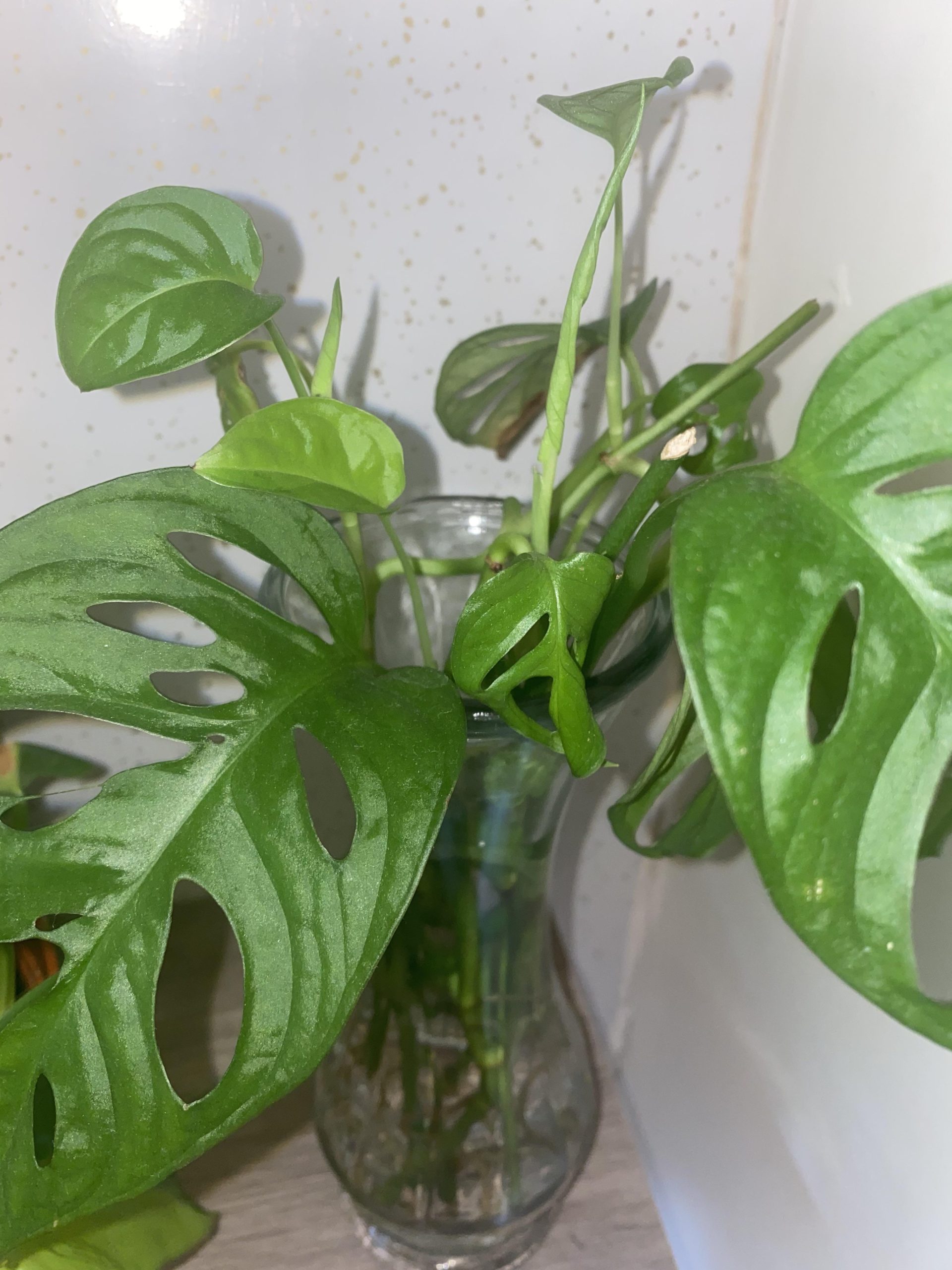
Monstera Adansonii is a plant with unique holes in its leaves. These holes have intrigued many plant lovers.
Why does Monstera Adansonii have holes? The answer lies in its natural habitat. These holes help the plant survive in the wild jungles of Central and South America. Light filters through dense tree canopies, and the holes allow light to reach lower leaves.
This adaptation also helps the plant withstand strong winds and heavy rain. Understanding this feature makes caring for your Monstera Adansonii easier. Let’s explore the fascinating reasons behind these holes and how they benefit this beautiful plant.
Introduction To Monstera Adansonii
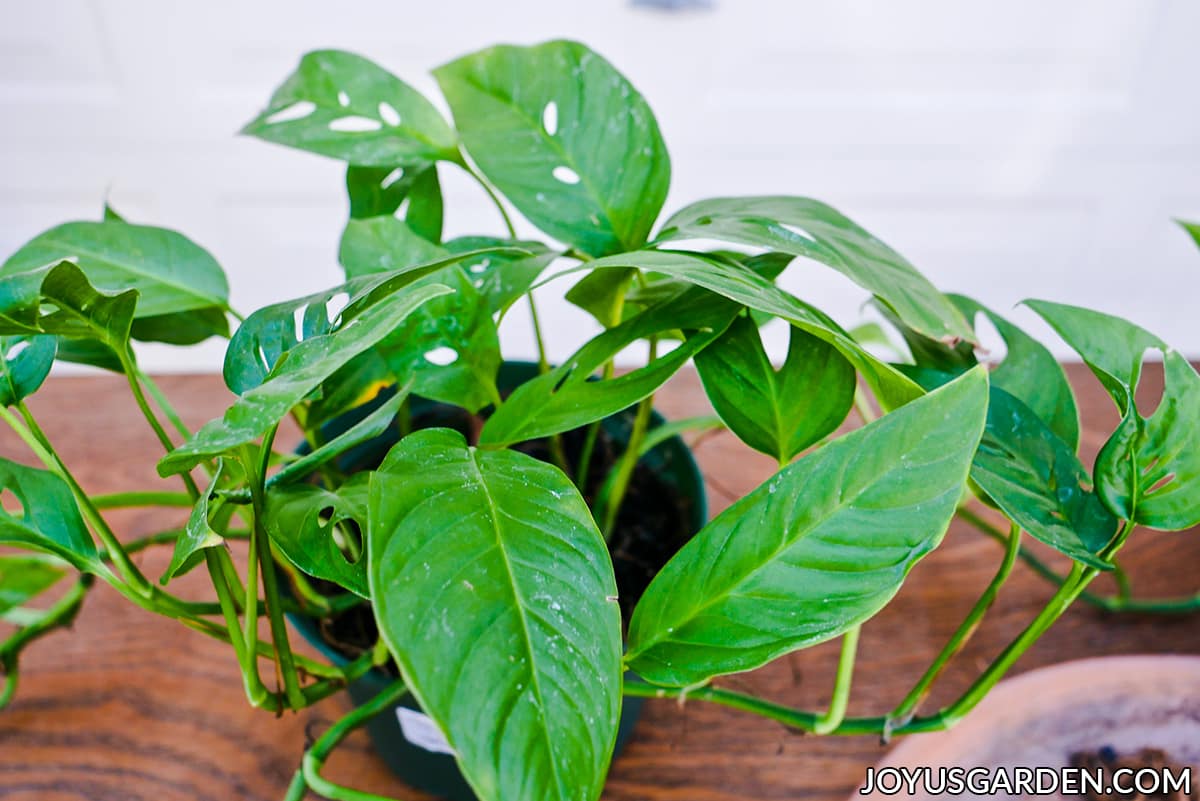
Monstera Adansonii, often called the Swiss Cheese Plant, is a popular houseplant. Its unique look and easy care make it a favorite among plant lovers. The plant’s distinctive holes and lush green leaves add charm to any space.
Originating from Central and South America, this plant thrives in warm, humid conditions. It can grow both indoors and outdoors, depending on the climate. Let’s dive into what makes Monstera Adansonii special.
Plant Profile
Monstera Adansonii belongs to the Araceae family. It is a climbing vine that can reach up to 13 feet in the wild. Indoors, it usually grows up to 6 feet tall.
The plant has heart-shaped leaves with natural holes. These holes give it the nickname “Swiss Cheese Plant.” Monstera Adansonii prefers indirect sunlight and well-drained soil.
Unique Features
The most striking feature of Monstera Adansonii is its perforated leaves. These holes are called fenestrations. They help the plant adapt to its natural environment.
Fenestrations allow light to pass through to lower leaves. They also reduce wind resistance, helping the plant survive in strong winds.
Another unique trait is its aerial roots. These roots help Monstera Adansonii climb and absorb moisture from the air. They also add to the plant’s exotic appearance.
Natural Habitat
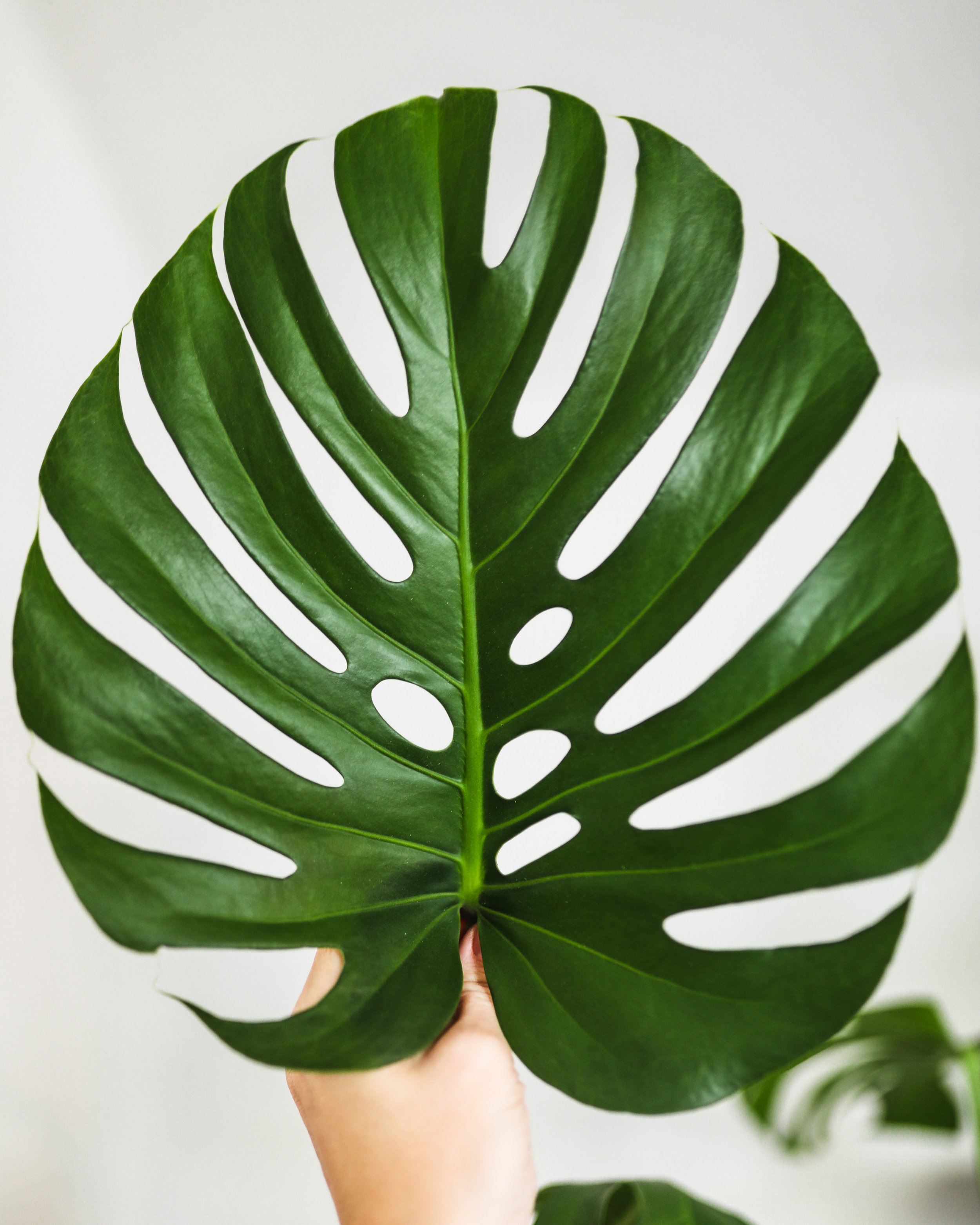
The Monstera Adansonii, often called the Swiss Cheese Plant, is famous for its unique, holey leaves. This intriguing feature is a direct result of its natural habitat. Understanding where this plant thrives can help explain its distinctive appearance.
Tropical Origins
Monstera Adansonii hails from the lush rainforests of Central and South America. These regions are rich in biodiversity and provide a perfect environment for growth. The plant climbs trees to reach sunlight while staying rooted in the forest floor.
Climate And Conditions
The rainforests have a warm, humid climate. These conditions are ideal for Monstera Adansonii. High humidity and consistent rainfall help the plant thrive. The plant’s leaves develop holes to allow light to pass through to lower leaves.
Frequent rain and high humidity mimic the plant’s native habitat. The holes also help the plant withstand heavy rain and strong winds. This adaptation ensures the plant’s survival in its natural environment.
Purpose Of The Holes
The Monstera Adansonii, also known as the Swiss Cheese Plant, is famous for its unique holes. These holes, called fenestrations, are not just for show. They serve several important functions that help the plant thrive in its natural environment.
Light Optimization
Monstera Adansonii grows under the canopy of tall trees. The holes in its leaves allow light to pass through. This way, lower leaves can get some sunlight too. It helps the plant use light more efficiently. The plant can spread out and capture more light without blocking itself.
Water Management
The holes also help with water management. In the wild, heavy rains are common. The holes let water pass through the leaves. This reduces the risk of damage from the weight of the water. It also helps prevent water from pooling on the leaves. This keeps the plant healthier and reduces the chance of rot.
Evolutionary Advantages
The Monstera Adansonii is known for its unique leaves with holes. These holes provide several evolutionary advantages that have helped the plant to thrive in its natural environment. Understanding these benefits can give us insight into the fascinating world of plant biology.
Predator Deterrence
The holes in the leaves of Monstera Adansonii may help deter predators. Herbivores often look for plants with larger, fuller leaves. The holes make the leaves appear less appealing and nutritious. This can reduce the likelihood of the plant being eaten.
Wind Resistance
Holes in the leaves also help with wind resistance. Large, solid leaves can be damaged by strong winds. The holes allow wind to pass through more easily. This reduces the risk of tearing or breaking the leaves.
A study of wind resistance in plants showed that leaves with holes experience less stress. This helps the Monstera Adansonii to survive in windy conditions.
| Advantage | Benefit |
|---|---|
| Predator Deterrence | Less appealing to herbivores |
| Wind Resistance | Reduced leaf damage |
Scientific Theories
The Monstera Adansonii, also known as the Swiss Cheese Plant, is famous for its unique holes. Scientists have proposed several theories to explain this fascinating feature. Let’s dive into the scientific explanations behind this plant’s distinct appearance.
Environmental Adaptation
One prominent theory suggests that the holes in Monstera Adansonii’s leaves are an environmental adaptation. In the dense rainforests where this plant thrives, light is scarce. The holes allow light to pass through to the lower leaves, ensuring that the entire plant gets enough sunlight.
This adaptation is crucial for survival in low-light conditions. With more light reaching the lower leaves, the plant can photosynthesize more efficiently. This helps the Monstera Adansonii grow stronger and taller, reaching for the sparse light in its natural habitat.
Survival Mechanisms
Another theory focuses on the survival mechanisms of the plant. The holes might help the plant withstand strong winds and heavy rains. By having perforated leaves, the plant can reduce wind resistance. This prevents the leaves from tearing and ensures the plant remains intact during storms.
Additionally, the holes might help the plant manage water. In heavy rain, the water can pass through the holes instead of pooling on the leaves. This reduces the risk of fungal infections and leaf rot, promoting the plant’s overall health.
In summary, these scientific theories highlight the Monstera Adansonii’s incredible ability to adapt to its environment. Whether through optimizing light exposure or enhancing its resilience, the holes in its leaves serve multiple vital functions.
Comparison With Other Plants
Understanding why the Monstera Adansonii has holes can be fascinating. Let’s compare it with other plants to understand the distinct features and similarities. This comparison provides insights into the unique characteristics of the Monstera Adansonii, making it easier to care for and appreciate.
Similar Species
Several plants share similarities with Monstera Adansonii. Some of these plants are:
- Monstera Deliciosa: Also known as the Swiss Cheese Plant, it has similar holes but larger leaves.
- Philodendron: Some Philodendron species have split leaves, though they lack the distinct holes.
- Rhaphidophora Tetrasperma: Often called Mini Monstera, this plant has smaller leaves with similar split patterns.
These plants thrive in similar environments. They prefer indirect light and high humidity, making them popular indoor plants.
Distinct Differences
Despite the similarities, Monstera Adansonii has unique traits. Here are the key differences:
| Plant | Leaf Holes | Size |
|---|---|---|
| Monstera Adansonii | Holes are numerous and irregular. | Smaller, more compact leaves. |
| Monstera Deliciosa | Holes are fewer, with large splits. | Larger leaves, can grow very big. |
| Philodendron | No holes, only splits. | Varies widely, often larger. |
| Rhaphidophora Tetrasperma | Split-like holes, smaller in size. | Smaller leaves, compact growth. |
The holes in Monstera Adansonii serve a unique purpose. They allow light to filter through to lower leaves. This adaptation helps the plant thrive in dense forests. The smaller size of the leaves also helps in high humidity environments.
Understanding these differences helps in better plant care. Knowing the environment and needs of each plant ensures they stay healthy and vibrant.
Care Tips For Monstera Adansonii
Care Tips for Monstera Adansonii are essential for any plant lover. This plant, known for its unique holes, requires special attention. Providing the right care ensures it thrives and looks beautiful.
Ideal Soil And Watering
Monstera Adansonii needs well-draining soil. A mix of peat moss, perlite, and potting soil works best. Ensure the soil is loose and airy. Water the plant when the top inch of soil feels dry. Overwatering can lead to root rot. So, let the soil dry out between watering.
Light And Temperature
Place Monstera Adansonii in bright, indirect light. Direct sunlight can scorch its leaves. A spot near a window with filtered light is perfect. The plant thrives in temperatures between 65°F and 85°F. Avoid placing it near drafts or sudden temperature changes.

Common Myths
Many plant enthusiasts are fascinated by the Monstera Adansonii, also known as the Swiss Cheese Plant. One of its most unique features is its holey leaves. These holes have sparked various myths and misconceptions. Let’s dive into some common myths and clarify them.
Misconceptions
Some believe the holes are due to pests. They think insects or small animals chew the leaves. This is not true. Pests do not create the natural holes in Monstera Adansonii leaves.
Others think the holes are a sign of poor plant health. They assume that a healthy Monstera Adansonii should have intact leaves. This is also incorrect. The holes are a natural part of the plant’s growth.
Clarifications
The holes are called fenestrations. They help the plant survive in its natural environment. In the wild, these holes allow light to pass through the leaves. This benefits the lower leaves by providing more sunlight.
Additionally, the holes reduce the impact of heavy rain. Large, solid leaves can tear easily in strong winds or heavy rain. The holes allow the wind and rain to pass through, protecting the leaves from damage.
Understanding these facts helps us appreciate the beauty of Monstera Adansonii. It also allows us to care for our plants better. The holes are a sign of the plant adapting to its environment. They are not a flaw or a problem.
Frequently Asked Questions
Why Does Monstera Adansonii Have Holes?
Monstera Adansonii has holes to optimize sunlight capture and allow water to pass through. This adaptation helps the plant thrive in its natural rainforest habitat.
How Do Holes Benefit Monstera Adansonii?
The holes in Monstera Adansonii leaves reduce wind resistance and prevent damage. They also help the plant capture light more efficiently.
What Causes Holes In Monstera Adansonii Leaves?
The holes develop as a natural part of the plant’s growth. They help the plant adapt to its environment and improve survival.
Are Holes In Monstera Adansonii A Sign Of Health?
Yes, holes are a sign of a healthy Monstera Adansonii. They indicate the plant is growing well and adapting to its environment.
Conclusion
Monstera Adansonii’s holes serve a vital purpose. They help the plant thrive. Better light and air reach every leaf. This makes growth more efficient. Plus, the unique look adds charm. Knowing why these holes exist can enhance your plant care.
So, enjoy your Monstera Adansonii. Appreciate its beauty and understand its nature. Your plant will reward you with healthy growth.
Leave a Reply