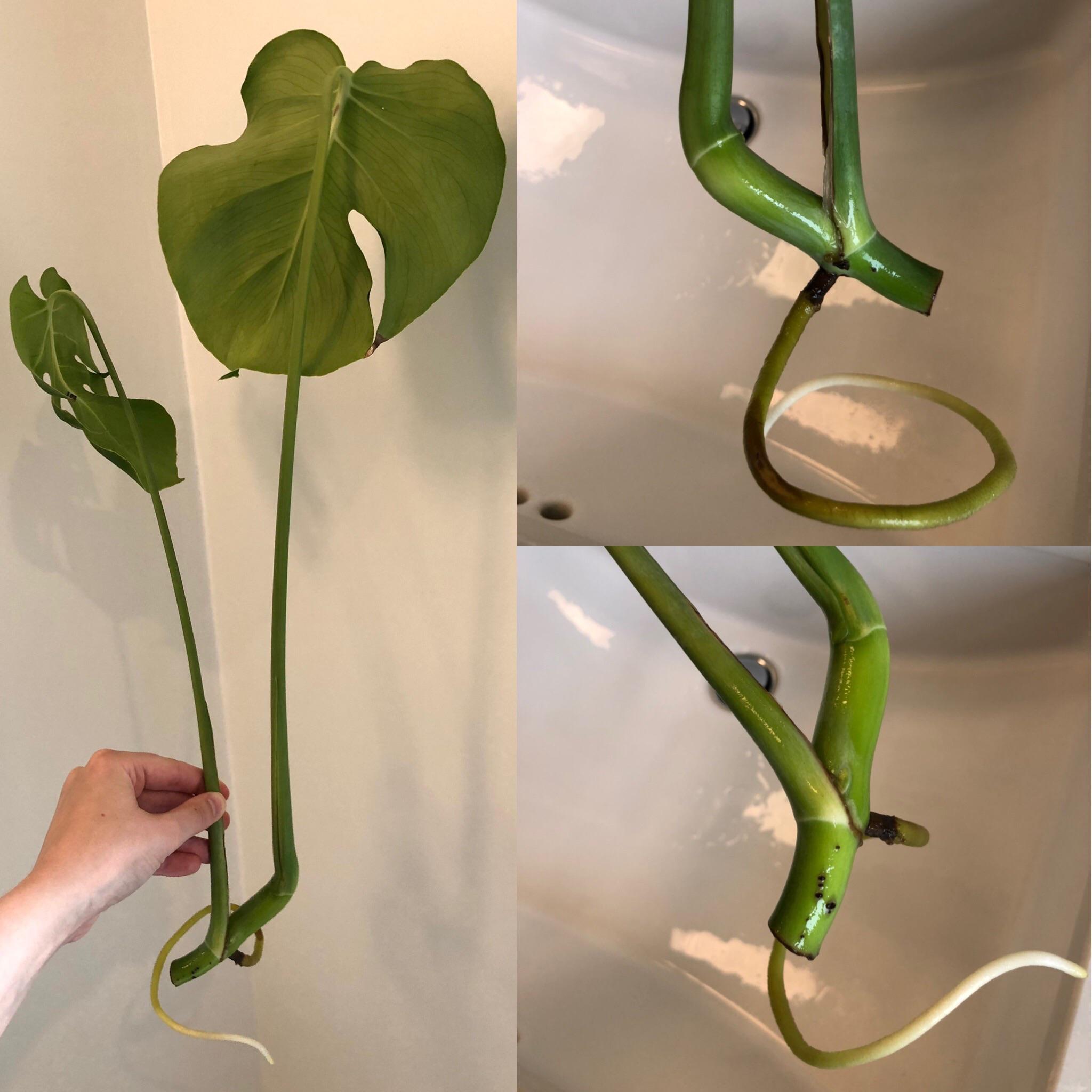
Yes, Monstera cuttings can root in water. It is a simple and effective method.
Monstera plants are popular for their unique, large leaves. Many plant enthusiasts wonder about propagating them. Rooting Monstera cuttings in water is a common practice. It’s easy and fun to watch the roots grow. This method allows you to monitor the root development closely.
Plus, it requires minimal supplies. In this blog post, we will explore the process of rooting Monstera cuttings in water. You will learn how to successfully grow new plants from cuttings. Ready to dive into the details? Let’s get started!
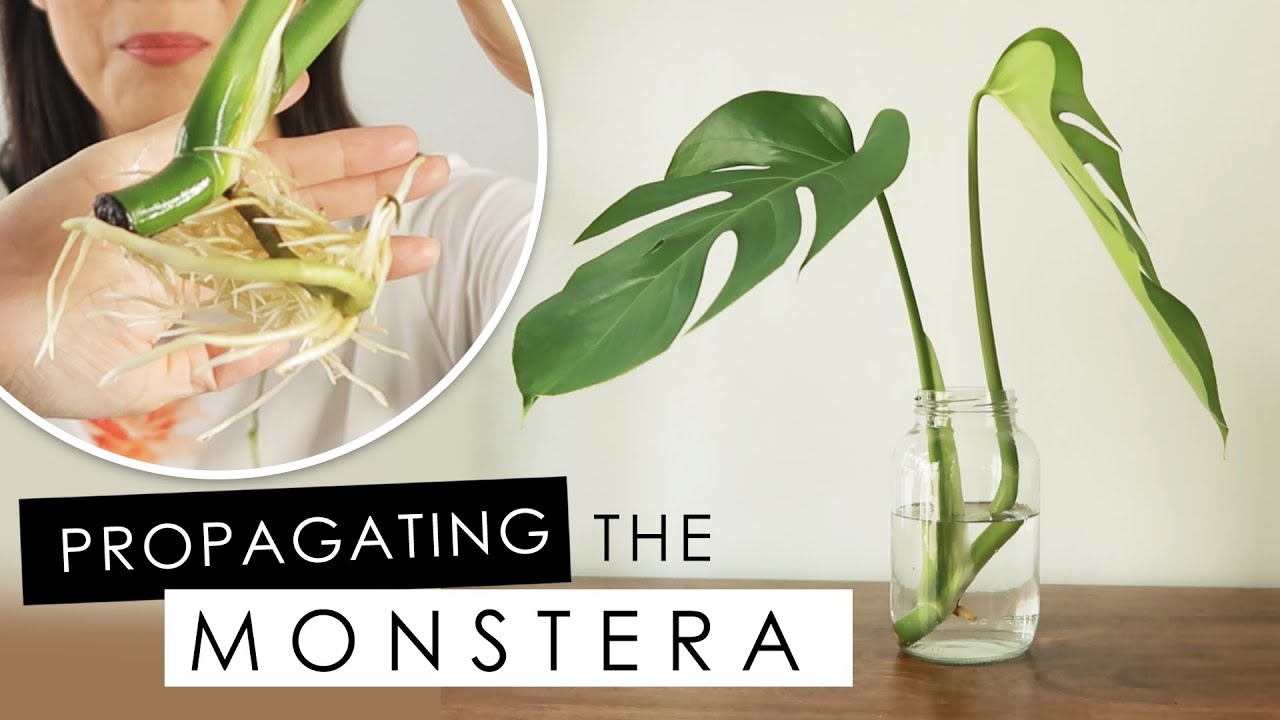
Introduction To Monstera Cuttings
Monstera cuttings are a popular method for propagating new plants. They are an easy way to expand your indoor garden. This process involves taking a healthy section of a Monstera plant and placing it in water to encourage root growth. This technique is simple and effective. Below, we explore the key aspects of Monstera cuttings.
Plant Characteristics
The Monstera plant, also known as the Swiss Cheese Plant, is a tropical plant. It is admired for its large, glossy, and perforated leaves. These unique leaves are not only beautiful but also help the plant adapt to its environment. Monstera plants thrive in bright, indirect light and need well-draining soil. They are also resilient and can grow in various conditions.
Benefits Of Propagation
Propagating Monstera cuttings has several benefits. First, it allows you to grow new plants from an existing one. This saves money and gives you more plants to enjoy. Second, it helps maintain the health of the original plant. Regular pruning encourages new growth and keeps the plant vibrant. Third, propagating cuttings is an excellent way to share your plant with friends and family.
Another benefit is the sense of accomplishment. Watching your cuttings grow roots and develop into new plants is rewarding. It’s a simple process that yields great results.
:max_bytes(150000):strip_icc()/SPR-how-to-propagate-monstera-04-bd6b8ebc682f4a03baa6ece4fd8a75e9.jpg)
Preparing Monstera Cuttings
Preparing Monstera cuttings properly ensures they root well in water. Healthy cuttings lead to strong new plants. Start with clean tools and the right technique. This section guides you through the essential steps.
Choosing Healthy Stems
Selecting the right stems is crucial. Look for stems with at least one node. Nodes are where roots will grow. Ensure the stem is green and firm. Avoid stems that are yellow or brown. These may not root well.
Necessary Tools
You need a few basic tools. Have a pair of sharp scissors or pruning shears. Ensure they are clean to prevent infection. A clean jar or glass filled with water is also necessary. Use filtered or distilled water if possible. Tap water can contain chemicals that harm the plant.
Optionally, use rooting hormone to speed up the process. This is available at garden centers. Follow the instructions on the package.
Steps For Rooting In Water
Propagating Monstera cuttings in water is a popular method for plant enthusiasts. The process is simple and requires a few basic steps. This guide will walk you through the necessary steps for rooting Monstera cuttings in water.
Cutting Preparation
Begin by choosing a healthy Monstera plant. Use clean, sharp scissors or pruning shears. Cut a stem below a node, ensuring the cutting is at least 6 inches long. Remove any lower leaves to prevent them from rotting in the water. This prepares the cutting for the rooting process.
Water Setup
Fill a clear glass or jar with water. Ensure the water is room temperature and free of chemicals. Place the Monstera cutting in the water, ensuring the node is submerged. Position the jar in a spot with indirect sunlight. Change the water every week to keep it fresh. Roots should start to develop within a few weeks.
Optimal Conditions For Rooting
Monstera cuttings can root in water. But, they need the right conditions. For successful rooting, focus on water quality and light requirements. These factors are key for healthy root growth.
Water Quality
Water quality is crucial for rooting Monstera cuttings. Use clean, filtered water. Tap water can contain chemicals. These chemicals can harm the cuttings. Change the water every few days. This prevents bacteria buildup. Fresh water supports healthy roots.
Light Requirements
Light is another important factor. Monstera cuttings need bright, indirect light. Avoid direct sunlight. It can burn the leaves. Place the cuttings near a window. A north or east-facing window works best. Ensure they get enough light for healthy growth.
Monitoring Root Development
Monstera cuttings can root in water, making it easy to monitor root development. Place cuttings in water and watch for new roots. This method helps ensure successful plant growth.
To ensure your Monstera cuttings root successfully in water, monitoring root development is crucial. This process helps you understand when to transplant the cuttings. Proper observation can also prevent common issues that might affect root growth.Signs Of Root Growth
Look for small white nodules on the cutting. These nodules are early signs of root growth. Over time, they will develop into longer roots. Clear, healthy roots are a good indicator. They should be firm and white or light tan. Check the roots regularly. This helps track their progress and ensures they are growing properly.Common Issues
Sometimes, roots may not develop as expected. One common issue is root rot. This can occur if the water is not changed regularly. Root rot makes the roots look brown and mushy. Another issue could be slow root growth. This may happen due to low light or poor water quality. Ensure the cuttings receive indirect sunlight. Use clean water for the best results. Monitoring root development is key to successful propagation. By observing signs of root growth and addressing common issues, your Monstera cuttings will thrive. “`Transplanting To Soil
Transplanting Monstera cuttings from water to soil is a crucial step in their growth. Once roots develop, it’s time to move them to a proper soil environment. This helps the plant receive nutrients it can’t get from water alone.
Best Time To Transplant
The best time to transplant Monstera cuttings is during spring or early summer. During this period, plants are actively growing. This gives them the best chance to thrive in their new environment. Look for roots that are at least 2-3 inches long before making the move.
Soil Preparation
Preparing the right soil mix is essential for the health of your Monstera. Use a well-draining potting mix. A mix of peat moss, perlite, and pine bark works well. This combination provides good aeration and prevents root rot.
Here’s a simple table for a soil mix recipe:
| Ingredient | Proportion |
|---|---|
| Peat Moss | 40% |
| Perlite | 30% |
| Pine Bark | 30% |
Before planting, ensure the pot has drainage holes. This prevents water from accumulating at the bottom. Waterlogged soil can cause root rot, which harms the plant.
Follow these steps for a successful transplant:
- Fill the pot halfway with the prepared soil mix.
- Gently remove the Monstera cutting from the water.
- Place the cutting in the center of the pot.
- Fill the rest of the pot with soil, covering the roots completely.
- Water the soil lightly to settle it around the roots.
After transplanting, place the pot in a spot with indirect sunlight. Keep the soil moist but not soggy. Your Monstera will soon adapt to its new home and continue to grow.
Caring For New Plants
After successfully rooting your Monstera cuttings in water, the next step is caring for the new plants. Proper care ensures the plants grow strong and healthy. Let’s look at the essential aspects of caring for your new Monstera plants.
Watering Schedule
Monstera plants thrive with a consistent watering schedule. Ensure the soil stays moist but not waterlogged. Overwatering can cause root rot, a common problem.
- Check the soil moisture every few days.
- Water the plant when the top inch of soil feels dry.
Use a watering can with a narrow spout to water at the base of the plant. This helps prevent water from sitting on the leaves, which can cause leaf spots.
Nutrient Needs
New Monstera plants need nutrients to grow. Regular feeding with the right fertilizer is important.
| Fertilizer Type | Frequency |
|---|---|
| Balanced liquid fertilizer | Once a month during the growing season |
| Slow-release pellets | Every 3-4 months |
Follow the instructions on the fertilizer package to avoid over-fertilizing. Too many nutrients can harm the plant. By providing the right nutrients, your Monstera will develop vibrant leaves and strong roots.
Troubleshooting Tips
Monstera cuttings often thrive in water, but issues can arise. Understanding these problems and learning how to fix them helps ensure success. Here are some common troubleshooting tips to consider.
Dealing With Root Rot
Root rot is a common issue with water propagation. It happens when roots stay too wet. To prevent root rot, change the water regularly. Use clean, filtered water. This keeps harmful bacteria away.
Inspect the roots often. Healthy roots look white or light tan. If you see brown or mushy roots, trim them off. Use sterilized scissors to cut back to healthy tissue. This stops the rot from spreading.
Encouraging Growth
To encourage growth, provide the right environment. Place the cuttings in indirect sunlight. Direct sunlight can be too harsh. It may damage the delicate roots and leaves.
Maintain a warm temperature. Monstera cuttings root best in temperatures between 65°F and 80°F. Avoid cold drafts and sudden temperature changes.
Adding a rooting hormone can also help. Dip the cut end of the cutting in rooting hormone before placing it in water. This promotes faster root development.
Finally, be patient. Rooting can take several weeks. Monitor the water level and keep it consistent. Refill as needed to keep the nodes submerged.
Frequently Asked Questions
Can Monstera Cuttings Grow Roots In Water?
Yes, Monstera cuttings can grow roots in water. Simply place the cutting in a jar of water and wait.
How Long Do Monstera Cuttings Take To Root?
Monstera cuttings typically take 2-4 weeks to root. Patience is key for successful rooting.
What Type Of Water Is Best For Rooting?
Filtered or distilled water is best for rooting. It helps prevent impurities that can harm the cutting.
Do Monstera Cuttings Need Light To Root?
Yes, Monstera cuttings need indirect light to root. Avoid direct sunlight to prevent leaf burn.
Conclusion
Monstera cuttings can root in water with ease. This method is simple. Place the cutting in clean water. Change the water weekly. You will soon see roots. Patience is key. Healthy roots take time. Once roots form, transplant to soil.
Your Monstera will thrive. Happy planting!
Leave a Reply