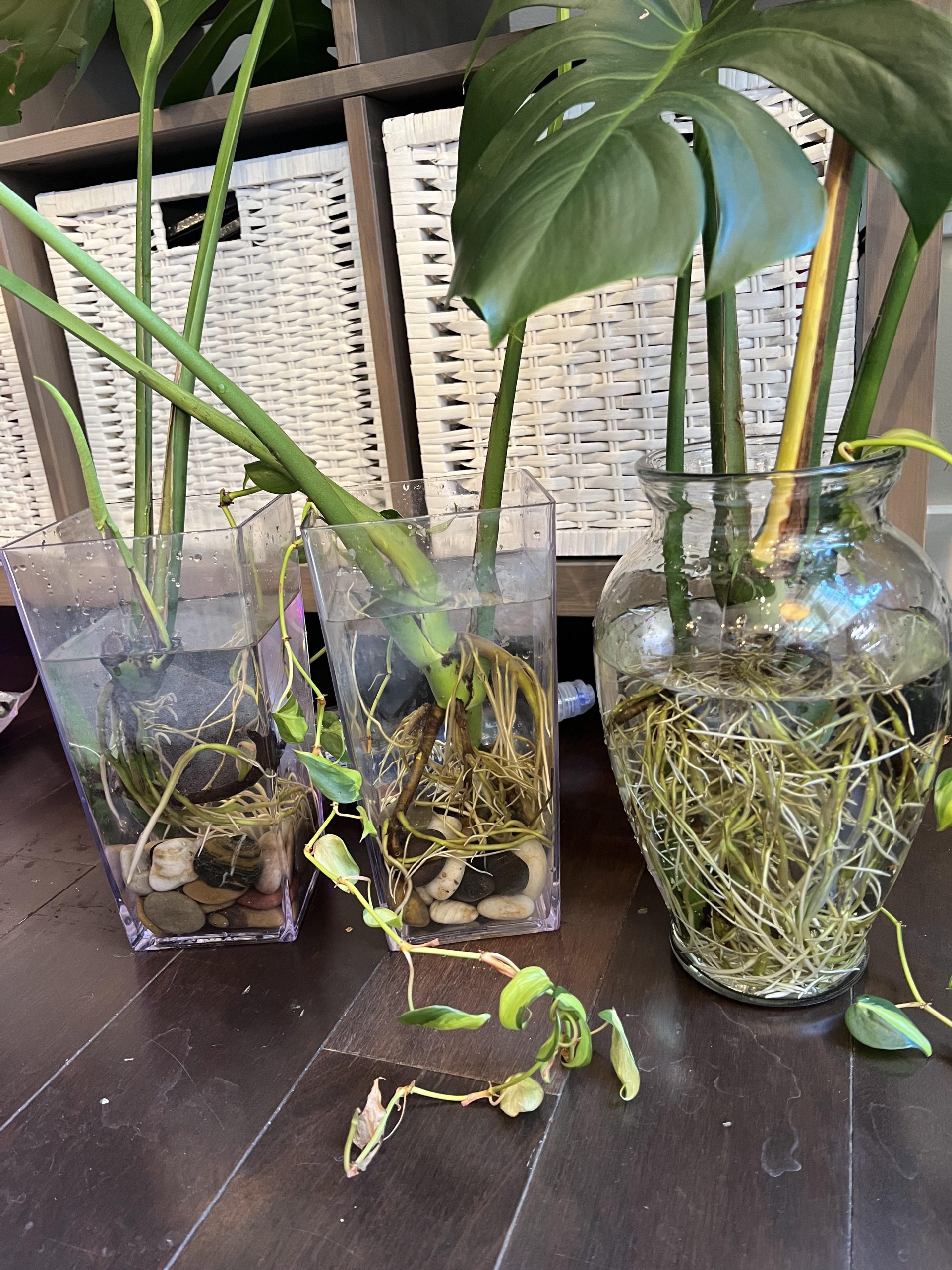
Yes, Monstera can be propagated in water. It’s a simple and effective method.
Many plant lovers prefer this technique. Monstera plants are popular for their unique, split leaves. Propagating them in water is a beginner-friendly process. This technique allows you to watch the roots grow, making it exciting. It also requires minimal tools and effort.
Water propagation is a great way to multiply your Monstera collection. Plus, it ensures your plants stay healthy and strong. In this blog post, we will explore the steps to propagate Monstera in water. We will also cover tips and tricks to help you succeed. Let’s dive in and learn more about this fascinating method!
Choosing The Right Cutting
Propagating Monstera plants in water is a popular method. It is essential to choose the right cutting for successful propagation. This section will guide you through selecting healthy stems and identifying nodes and aerial roots.
Selecting Healthy Stems
Healthy stems are crucial for propagation. Look for a stem with vibrant, green leaves. Avoid stems with yellow or brown spots.
Choose a stem that is at least 4-6 inches long. Ensure the stem is firm and not too soft. Soft stems may indicate rot or disease.
Here is a quick checklist for selecting healthy stems:
- Vibrant, green leaves
- No yellow or brown spots
- 4-6 inches long
- Firm and not soft
Identifying Nodes And Aerial Roots
The node is where new roots will grow. It is a small bump on the stem. Each cutting should have at least one node.
Aerial roots look like little brown strings. They help the plant absorb moisture and nutrients. Cuttings with aerial roots will root faster in water.
Follow these steps to identify nodes and aerial roots:
- Examine the stem for small bumps (nodes)
- Look for brown strings (aerial roots) near the nodes
- Ensure the cutting has at least one node and aerial root
By selecting healthy stems and identifying nodes and aerial roots, you increase the chances of successful propagation.
Preparing The Cutting
Propagating Monstera in water is a rewarding and straightforward process. The first step is preparing the cutting. This involves a few crucial steps to ensure your Monstera cutting thrives. Below, we’ll guide you through trimming the stem and removing lower leaves.
Trimming The Stem
Start by selecting a healthy stem on your Monstera plant. The stem should have at least one node. The node is a small bump where roots will grow. Use clean, sharp scissors or pruning shears to make a cut. Aim for a 45-degree angle to increase the surface area for rooting.
Make sure your cut is about 1-2 inches below a node. This ensures the cutting has enough length to support new roots. It’s essential to have a clean cut to prevent infections. Avoid crushing the stem as this can hinder root growth.
Removing Lower Leaves
Once you have your trimmed stem, it’s time to remove the lower leaves. Leaves near the cut end can rot in water and cause problems. Carefully pluck off the leaves closest to the base of the stem. Leave at least one or two leaves at the top for photosynthesis.
Ensure not to damage the node while removing the leaves. This node is where new roots will emerge. Removing the lower leaves helps the plant focus its energy on root development. This step is crucial for successful water propagation.
Setting Up The Water Container
Propagating Monstera in water is a simple and rewarding process. This section will guide you through setting up the perfect water container for your Monstera cuttings. Choosing the right container and filling it with water properly are crucial steps for successful propagation.
Choosing The Right Container
Selecting the right container is essential for Monstera propagation. A clear glass jar or vase is ideal. It allows you to monitor root growth easily. Ensure the container is clean to prevent bacterial growth.
Here are some key points to consider:
- Size: The container should be large enough to hold the cutting without overcrowding.
- Shape: A narrow neck helps support the cutting and keeps it upright.
- Material: Glass is preferred because it’s non-toxic and transparent.
Filling With Water
After selecting the container, fill it with water. Use clean, room-temperature water. Avoid using chlorinated water as it can harm the cutting.
Follow these steps to fill the container:
- Fill the container about halfway with water. Ensure the bottom nodes of the cutting are submerged.
- Change the water every week to keep it fresh and oxygenated.
- Top up the water if the level drops. Maintain a consistent water level.
Proper water management ensures healthy root development. With the right container and clean water, your Monstera cutting will thrive.
:max_bytes(150000):strip_icc()/SPR-how-to-propagate-monstera-04-bd6b8ebc682f4a03baa6ece4fd8a75e9.jpg)
Placing The Cutting In Water
Placing the cutting in water is a popular method to propagate Monstera plants. This method is simple and effective. It allows you to watch the roots grow. Here are some key steps to ensure success.
Positioning The Cutting
Choose a healthy Monstera stem with at least one node. The node is where the roots will grow. Make a clean cut just below the node. Use a sharp knife or scissors. Ensure the cutting is 4-6 inches long. Remove any leaves near the cut end.
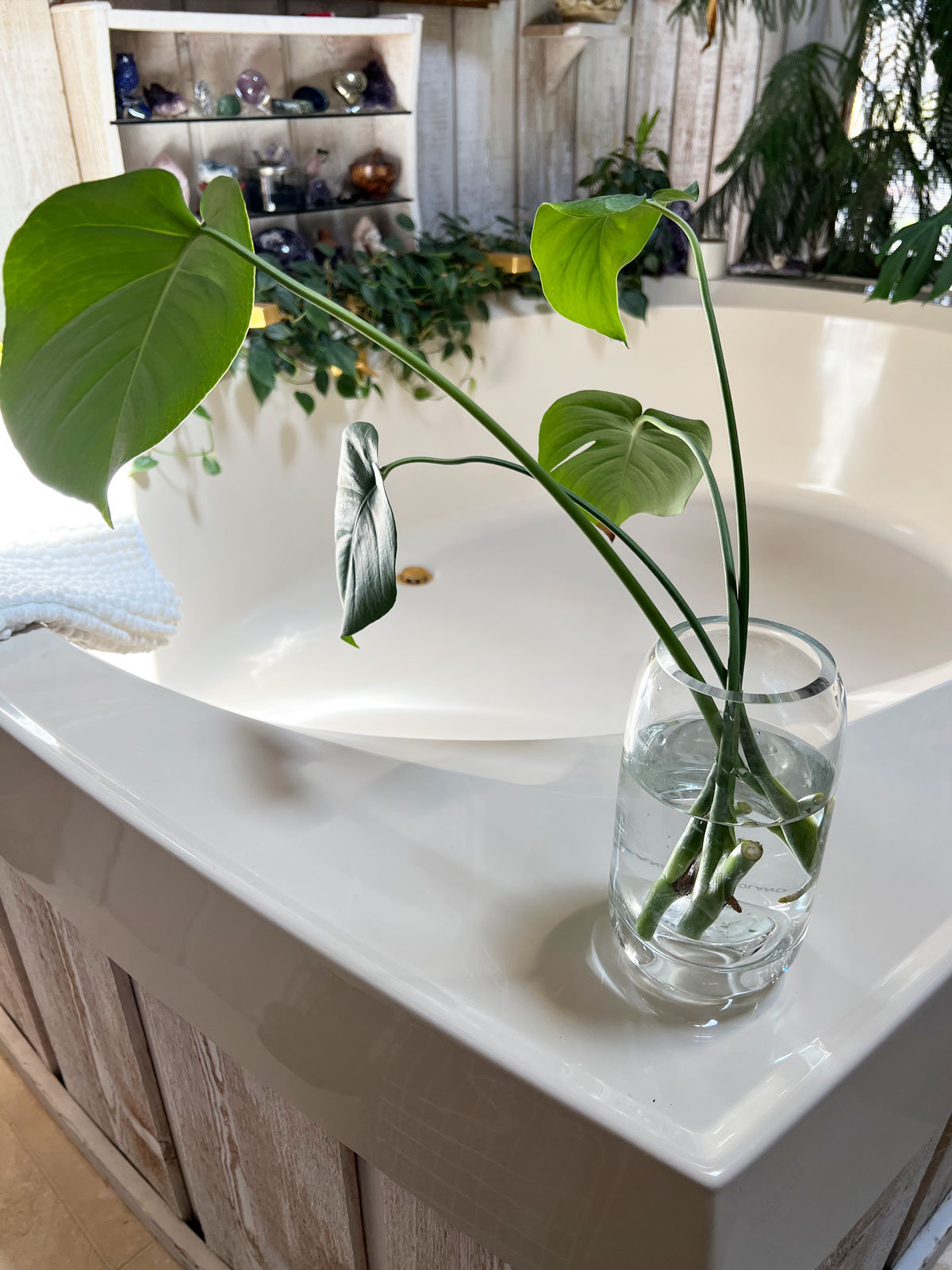
Place the cutting in a clear glass or jar. This allows you to monitor the water level and root growth. Position the cutting so that the node is submerged in water. The leaves should stay above the water level.
Ensuring Proper Submersion
Fill the glass or jar with clean, room temperature water. The water should cover the node completely. Make sure the leaves do not touch the water. This helps prevent rotting.
Change the water every few days. This keeps it fresh and oxygenated. Fresh water helps promote healthy root growth. Place the glass or jar in a spot with indirect sunlight. Direct sunlight can harm the cutting.
Monitor the cutting regularly. Look for signs of root development. Roots usually start to appear within a few weeks. Once the roots are a few inches long, the cutting is ready to be planted in soil.
Caring For The Cutting
Monstera can be propagated in water successfully. Place the cutting in a clear jar with water, ensuring the node is submerged. Change the water weekly to keep it fresh and encourage root growth.
Once you have your Monstera cutting, proper care is essential. This ensures healthy root development. Let’s explore two key aspects of care: changing the water regularly and providing adequate light.Changing Water Regularly
Stagnant water can harm your Monstera cutting. Change the water every 3-5 days. This keeps it fresh and oxygen-rich. Clean water helps prevent bacterial growth. Use room temperature water for best results.Providing Adequate Light
Light is crucial for your Monstera cutting. Place it near a bright, indirect light source. Avoid direct sunlight. It can scorch the leaves. A north or east-facing window works well. If natural light is limited, consider using a grow light. Ensure the cutting gets at least 6-8 hours of light daily. “`
Monitoring Root Development
Monitoring the root development of your Monstera is crucial for successful water propagation. Observing growth and identifying problems early can ensure a healthy plant. This section covers signs of root growth and troubleshooting issues.
Signs Of Root Growth
Recognizing the signs of root growth helps ensure your Monstera is thriving. Look for the following indicators:
- White root tips: These are new growth and a good sign.
- Increased root length: Roots should grow steadily and visibly.
- Root branching: New roots may branch out, indicating healthy growth.
- Firm roots: Healthy roots feel firm and solid to the touch.
Troubleshooting Issues
If your Monstera’s roots do not develop as expected, consider these common issues:
- Root rot: Brown or mushy roots indicate root rot. Change the water regularly.
- Stagnant water: Ensure fresh water to avoid bacterial growth. Change it every week.
- Lack of light: Place the plant in indirect sunlight for better growth.
- Temperature: Keep the water at room temperature for optimal growth.
| Issue | Solution |
|---|---|
| Root rot | Change water regularly |
| Stagnant water | Replace water weekly |
| Lack of light | Place in indirect sunlight |
| Temperature issues | Keep water at room temperature |
Transplanting To Soil
Transplanting your Monstera from water to soil is an exciting step. This process helps the plant grow stronger roots and thrive better. Understanding the right time and steps to do this can ensure a successful transition.
When To Transplant
Check the roots before transplanting. They should be 2-4 inches long and have some side roots. This usually takes 4-6 weeks. Healthy roots are white or light tan. If they look mushy, wait until new roots form.
Steps For Successful Transplantation
First, prepare the pot. Choose one with drainage holes. Fill it with well-draining soil. A mix of potting soil and perlite works well.
Next, remove the Monstera from water. Gently shake off excess water. Place the plant in the center of the pot. Spread the roots evenly in the soil.
Cover the roots with more soil. Press the soil gently but firmly. Water the plant lightly. Keep the soil moist but not soggy. Place the pot in a spot with indirect sunlight.
Monitor the plant for the next few weeks. Look for signs of new growth. Adjust watering as needed. This helps the Monstera adapt to its new environment.
Frequently Asked Questions
Can Monstera Be Propagated In Water?
Yes, Monstera can be propagated in water. Simply place a cutting in water. Ensure the cutting has at least one node. Change the water weekly to keep it fresh. Roots should start to grow within a few weeks.
How Long Does Monstera Take To Root In Water?
Monstera cuttings usually take 2-4 weeks to develop roots in water. This can vary based on conditions. Warmer temperatures and bright, indirect light can speed up the process. Patience is key during this period.
What Part Of Monstera Can Be Propagated?
Monstera can be propagated using stem cuttings. Ensure each cutting has at least one node. Nodes are crucial for root development. Cuttings with leaves will propagate more successfully.
Do Monstera Cuttings Need Light To Propagate?
Yes, Monstera cuttings need bright, indirect light to propagate. Avoid direct sunlight, which can damage the cutting. Adequate light helps the cutting develop roots and grow healthily.
Conclusion
Propagating Monstera in water is simple and rewarding. Just cut a stem. Place it in water. Ensure it has enough light. Change the water regularly. Watch roots grow within weeks. This method is ideal for beginners. Enjoy the beauty of new plants.
Happy propagating!
Leave a Reply