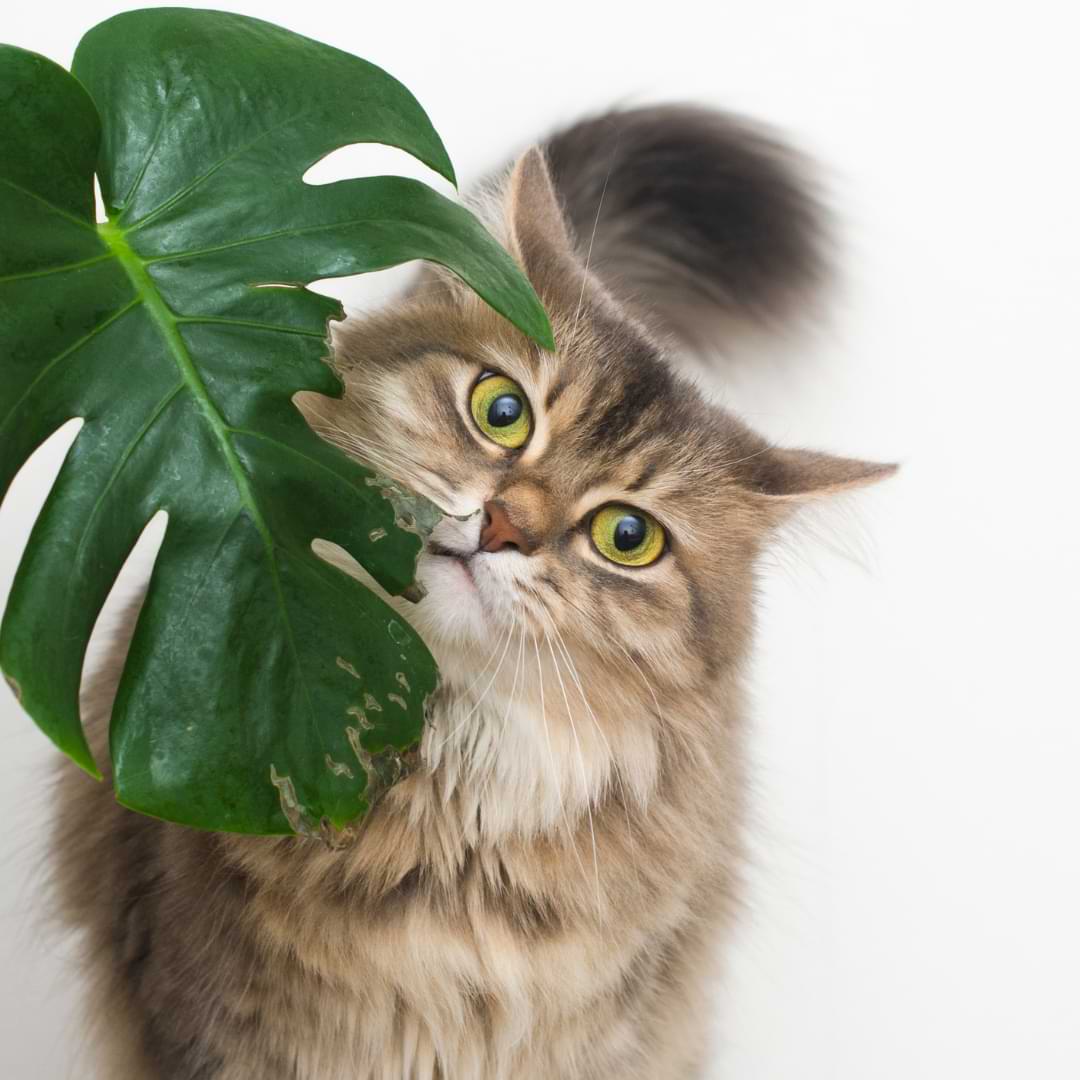
No, Monstera plants are not safe for cats. They contain calcium oxalates, which can harm pets if ingested.
Monstera plants, often called Swiss Cheese plants, are popular for their unique leaves. Many plant lovers adore them for their beauty and easy care. But, if you have a cat, there is a concern. Cats love to nibble on plants, and Monstera plants can be toxic to them.
If your cat chews on a Monstera leaf, it may experience drooling, vomiting, and difficulty swallowing. It’s important to understand the risks to keep your furry friend safe. In this blog, we will explore why Monstera plants are dangerous for cats and what you can do to protect your pet.
Introduction To Monstera Plants
Monstera plants, also known as Swiss Cheese Plants, are popular houseplants. Their unique, large leaves with holes make them a favorite. But are they safe for cats? Before we answer, let’s understand what Monstera plants are.
Popularity Of Monstera
Monstera plants have gained popularity over the years. They are stylish and add a tropical vibe to any space. Many people love their distinctive leaves. These plants have become a staple in home decor. They’re often seen in magazines and social media.
Basic Care Requirements
Monstera plants are relatively easy to care for. Here are their basic needs:
- Light: Bright, indirect sunlight is best.
- Water: Water when the top inch of soil is dry.
- Soil: Use well-draining potting mix.
- Humidity: They thrive in high humidity.
- Fertilizer: Feed monthly during growing season.
Keeping these plants healthy is simple. Follow these basic care tips. They will reward you with beautiful, lush growth.
Monstera Toxicity
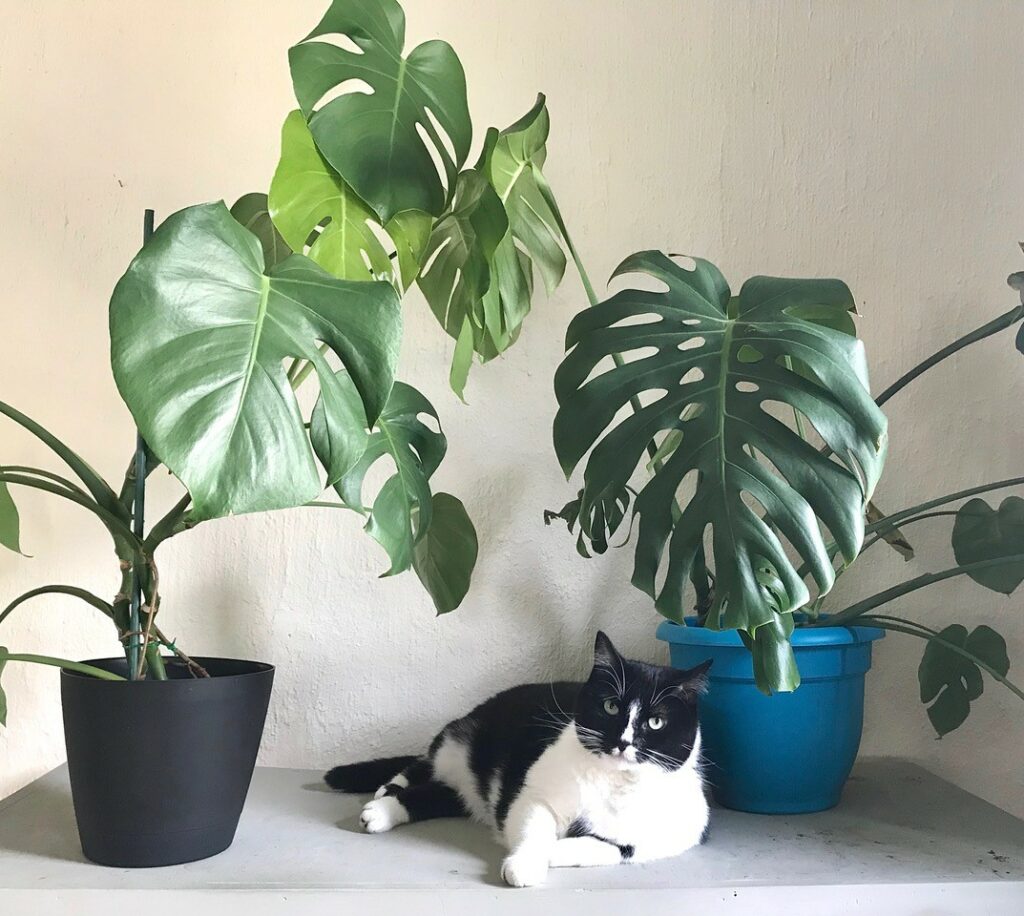
Monstera plants are popular houseplants known for their unique leaves. They are beautiful but can be dangerous for cats. This section will explore why these plants are toxic and the symptoms to watch for if your cat ingests them.
Toxic Compounds In Monstera
Monstera plants contain calcium oxalate crystals. These crystals are sharp and can cause harm. They can irritate a cat’s mouth, throat, and stomach. This irritation can lead to serious health issues. Even a small amount can cause problems.
Symptoms Of Ingestion
If a cat eats part of a Monstera plant, watch for these symptoms:
- Drooling
- Pawing at the mouth
- Swelling of the mouth or tongue
- Difficulty swallowing
- Vomiting
- Decreased appetite
These symptoms can appear quickly. It’s crucial to act fast. If you see any of these signs, call your vet right away.
Impact On Cats
Monstera plants are popular indoor plants. Their large, beautiful leaves add charm to any room. But, if you own a cat, you might worry about their safety.
Common Reactions In Cats
Cats are curious. They often chew on plants. Monstera plants have calcium oxalate crystals. These can cause irritation. After chewing, cats may drool, vomit, or paw at their mouth. They might also have trouble swallowing. Sometimes, their tongue and mouth can swell.
Long-term Health Risks
If a cat eats a lot of Monstera, it can be serious. The plant can affect their kidneys. Over time, this can lead to kidney problems. They might also develop an upset stomach. This can make them avoid food. If they do not eat well, they might lose weight.
Keep Monstera plants out of reach. Your cat’s health is important. Stay aware and prevent any risks.

Immediate Actions If Ingested
Monstera plants, with their lush foliage, are popular houseplants. But they can be toxic to cats if ingested. If your cat nibbles on a Monstera, immediate actions are crucial to ensure their safety. Here are essential steps to follow if your cat eats a Monstera plant.
First Aid Steps
First, remove any plant pieces from your cat’s mouth. Rinse their mouth with water to clear any remaining plant matter. Offer them a small amount of milk or yogurt. This can help neutralize the plant toxins. Monitor your cat for signs of distress. Look for drooling, vomiting, or difficulty breathing.
When To Visit The Vet
If your cat shows severe symptoms, visit the vet immediately. Persistent vomiting, excessive drooling, or swelling needs urgent attention. Even if symptoms seem mild, it’s wise to get a professional opinion. The vet can provide treatments to alleviate discomfort and prevent complications. Early intervention can make a significant difference in your cat’s recovery.
Creating A Cat-safe Home
Creating a cat-safe home ensures the safety and well-being of your feline friends. Many houseplants can be harmful to cats, so choosing the right plants is crucial. Monstera plants are popular for their large, decorative leaves, but their safety for cats is often questioned. Let’s explore how to create a safe environment for your cats while enjoying your favorite houseplants.
Choosing Non-toxic Plants
Non-toxic plants are safe for cats. Some cat-friendly plants include spider plants, Boston ferns, and areca palms. These plants are not harmful if your cat chews on them. Always research the safety of a plant before bringing it home. Many resources list plants that are safe for pets. This helps you make informed decisions and keeps your cat safe.
Safe Placement Of Monstera
Monstera plants can be toxic to cats if ingested. Place your Monstera where your cat cannot reach. High shelves or hanging planters work well. Ensure the plant is secure and won’t fall. Cats are curious and may try to jump or climb. Regularly check the plant’s location for safety. This helps prevent accidents and keeps your cat healthy.
Alternative Pet-friendly Plants
If you have a curious cat at home, you might worry about the safety of your houseplants. Some plants can be toxic to pets. But don’t worry! There are many alternative pet-friendly plants that can beautify your home without posing a risk to your furry friend.
Top Safe Plants For Cats
Here are some top safe plants for cats that you can consider:
- Spider Plant: Easy to grow and non-toxic to cats.
- Areca Palm: Adds a tropical feel and is safe for pets.
- Boston Fern: A lush, green plant that is cat-friendly.
- Catnip: Cats love it and it’s safe for them.
- Calathea: Known for its beautiful leaves and is non-toxic.
Benefits Of Pet-friendly Plants
Choosing pet-friendly plants has several benefits:
| Benefit | Description |
|---|---|
| Safety | Non-toxic plants ensure your cat stays healthy. |
| Peace of Mind | You won’t worry about your cat chewing on plants. |
| Variety | Many beautiful, pet-safe plants are available. |
These benefits make choosing pet-friendly plants an excellent decision for pet owners.
Preventing Plant Ingestion
Preventing your cat from ingesting Monstera plants is essential. These plants can be toxic to cats. By taking some simple steps, you can keep your feline friend safe. Let’s explore some effective methods to prevent plant ingestion.
Training Your Cat
Training your cat is a crucial step. Teach your cat to stay away from plants. Use positive reinforcement techniques. Reward your cat with treats when it avoids the plant. Consistency is key. Over time, your cat will learn to avoid the Monstera plant.
Using Deterrents
Using deterrents can be very effective. Place citrus peels around the plant. Cats dislike the smell of citrus. Another option is to use a pet-safe deterrent spray. Spray it on the plant leaves. This will make the plant less appealing to your cat. There are also motion-activated air sprays. These can scare your cat away from the plant.
Consulting With Experts
Are you worried about your cat’s safety around Monstera plants? You’re not alone. Many pet owners are concerned about the potential risks. Consulting with experts can provide peace of mind and ensure the safety of your furry friend.
Veterinarian Advice
Veterinarians are essential resources for pet safety. They can inform you about plant toxicity. Monstera plants contain calcium oxalate crystals. These can be harmful if ingested by cats.
If your cat shows symptoms like drooling, vomiting, or difficulty swallowing, contact your vet immediately. They can offer treatment options. Always consult your vet before introducing new plants at home.
Consulting Plant Specialists
Plant specialists can provide valuable insights. They can suggest cat-safe alternatives to Monstera plants. Some safe options include:
- Spider Plant
- Areca Palm
- Boston Fern
Plant specialists can also advise on plant placement. Keeping toxic plants out of reach can prevent accidents. Proper education can help you maintain a pet-friendly home environment.
In summary, consulting with experts ensures your cat’s safety. Veterinarians and plant specialists can offer crucial advice and alternatives.
Frequently Asked Questions
Are Monstera Plants Toxic To Cats?
Yes, Monstera plants are toxic to cats. They contain calcium oxalates, which can cause irritation. Symptoms include drooling, vomiting, and difficulty swallowing.
What Happens If A Cat Eats Monstera?
If a cat eats Monstera, it may experience drooling, vomiting, and mouth irritation. Contact a vet immediately for advice.
Can Monstera Plants Cause Serious Harm To Cats?
While Monstera plants cause discomfort, they rarely cause serious harm. However, severe reactions can occur. Always consult a vet if symptoms appear.
How Can I Keep My Cat Away From Monstera Plants?
To keep cats away from Monstera plants, place the plant out of reach. Use deterrent sprays and provide alternative plants for cats to chew on.
Conclusion
Monstera plants add beauty to your home. But, they can harm cats. Toxic substances in the plant may cause discomfort. It’s best to keep Monstera plants away from pets. Consider cat-safe plants instead. Your cat’s health should always come first.
Create a safe environment for them. Always research plants before bringing them home. Stay informed to protect your furry friends. Simple steps can make a big difference.
Leave a Reply