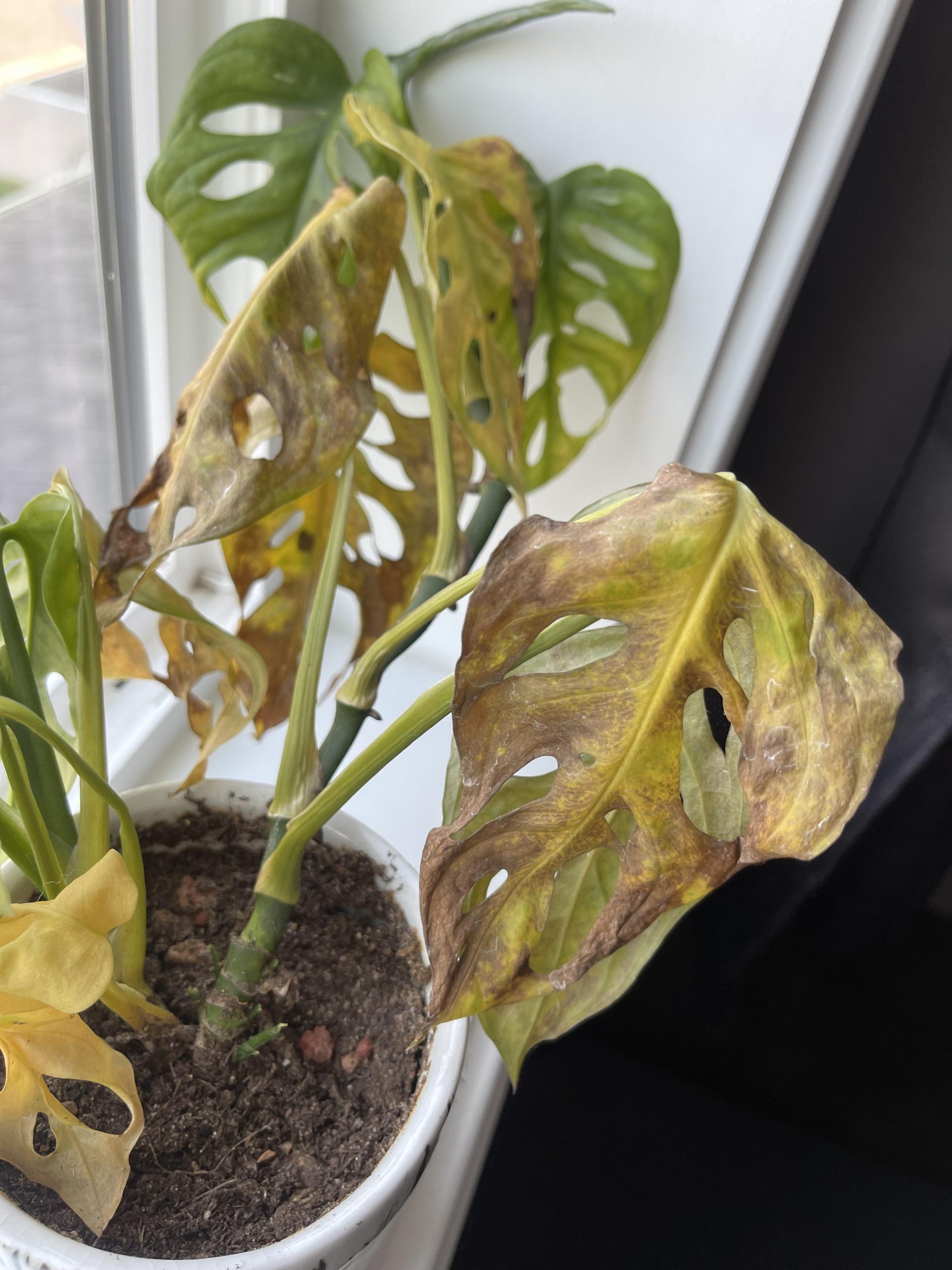
Your Monstera Adansonii isn’t looking healthy? Don’t worry, you’re not alone.
Many plant lovers face issues with their Monstera Adansonii. This beautiful plant, known for its unique, holey leaves, can sometimes show signs of distress. Yellow leaves, brown spots, or drooping stems can be alarming. Understanding the causes can help you nurse your plant back to health.
Common problems include overwatering, insufficient light, or pests. Identifying the issue is the first step to recovery. In this blog, we’ll explore the potential problems and how to fix them. Let’s get your Monstera Adansonii thriving again!
Common Issues
Monstera Adansonii plants are popular for their unique, perforated leaves. Despite their beauty, they can face several common issues. Understanding these problems helps keep your plant healthy.
Yellowing Leaves
Yellowing leaves are a common issue with Monstera Adansonii. This usually indicates overwatering. Check the soil moisture. If the soil feels wet, let it dry out. Water the plant only when the top inch of soil is dry. Poor drainage can also cause yellow leaves. Ensure the pot has drainage holes. Use well-draining soil to prevent this problem.
Brown Tips
Brown tips on the leaves often signal low humidity. Monstera Adansonii thrive in humid environments. Increase humidity around the plant. Mist the leaves regularly or use a humidifier. Brown tips can also result from underwatering. Ensure the plant gets enough water. Check the soil moisture frequently. If the soil is too dry, increase watering.

Watering Problems
Monstera Adansonii plants often face issues related to watering. Proper watering is key to their health. Both overwatering and underwatering can harm your plant. Identifying these problems early can save your Monstera from serious damage.
Overwatering Signs
Overwatering is a common issue for many plant owners. Monstera Adansonii is no exception. Here are some signs your plant might be getting too much water:
- Yellowing Leaves: If the leaves are turning yellow, it could be due to overwatering.
- Wilting Leaves: Leaves may appear wilted or droopy despite the soil being wet.
- Root Rot: Check the roots. If they are brown and mushy, root rot is likely.
- Fungal Growth: Mold or fungus on the soil surface indicates too much moisture.
Underwatering Symptoms
Underwatering can also cause problems for your Monstera Adansonii. Look out for these symptoms to ensure your plant gets enough water:
- Crispy Leaves: Dry, crispy leaf edges can indicate a lack of water.
- Leaf Drop: Leaves may fall off more frequently if the plant is too dry.
- Curled Leaves: Leaves curling inwards is a sign of underwatering.
- Brown Leaf Tips: Brown tips on the leaves often suggest the plant needs more water.
Proper watering can help your Monstera Adansonii thrive. Pay attention to these signs to keep your plant healthy.
Lighting Requirements
Monstera Adansonii, also known as the Swiss Cheese Plant, has specific lighting needs. Ensuring proper light helps this tropical plant thrive. But what happens if it gets too much or too little light?
Too Much Light
Excessive light can harm your Monstera Adansonii. Direct sunlight may scorch its leaves. You might notice brown, crispy edges. The leaves could also turn pale. Keep your plant away from intense sun rays. Filtered light works best. Use sheer curtains or place it near a north-facing window.
Insufficient Light
Too little light is also harmful. In low light, Monstera Adansonii struggles to grow. Its leaves may become smaller. They might also lose their unique holes. The plant could look leggy and weak. Ensure it gets enough indirect light. A bright, shaded spot is ideal. Use artificial grow lights if needed.
Pest Infestations
Your beautiful Monstera Adansonii may be struggling due to pest infestations. Pests can damage leaves, stunt growth, and cause your plant to look unhealthy. Identifying common pests and using effective pest control methods is crucial to keeping your plant healthy.
Common Pests
Several pests can attack your Monstera Adansonii. Here are some of the most common:
- Spider Mites: Tiny, red or brown insects that create webbing on leaves.
- Mealybugs: White, cotton-like insects found on stems and leaves.
- Scale Insects: Small, round insects that appear like bumps on stems and leaves.
- Aphids: Small, green or black insects that cluster on new growth.
Pest Control Methods
To keep your Monstera Adansonii healthy, use these pest control methods:
- Inspect Regularly: Check your plant weekly for signs of pests.
- Isolate Infected Plants: Keep affected plants away from healthy ones.
- Natural Predators: Introduce ladybugs to eat aphids and other pests.
- Neem Oil: Spray neem oil on leaves to repel and kill pests.
- Insecticidal Soap: Use insecticidal soap to wash off pests from the plant.
- Pruning: Remove heavily infested leaves and dispose of them properly.
These methods can help you keep your Monstera Adansonii pest-free and thriving.
Soil And Potting
Understanding the right soil and potting techniques for your Monstera Adansonii is crucial. This plant, known for its unique fenestrated leaves, thrives best in specific conditions. By ensuring the correct soil type and repotting methods, you can keep your Monstera healthy and vibrant.
Soil Type
The soil type plays a significant role in the growth of your Monstera. Monstera Adansonii prefers well-draining soil. Use a mix that retains moisture but doesn’t stay soggy. A popular choice is a mix of peat moss, perlite, and orchid bark. This combination ensures good aeration and drainage.
- Peat Moss: Helps retain moisture without becoming waterlogged.
- Perlite: Enhances drainage and aeration.
- Orchid Bark: Provides structure and prevents soil compaction.
Avoid using heavy or dense soils. Such soils can lead to root rot and other issues. Always check the soil moisture before watering your plant.
Repotting Tips
Repotting your Monstera Adansonii periodically is essential. It allows the plant to grow and prevents root-bound conditions. Here are some repotting tips to help your plant thrive.
- Choose the Right Pot: Use a pot with drainage holes to avoid water accumulation.
- Use Fresh Soil: Replace old soil with a fresh mix to provide nutrients.
- Handle Roots Gently: Carefully loosen the roots to encourage growth.
- Repot in Spring: This season is ideal as the plant is in its growing phase.
Repotting every 1-2 years is beneficial. It ensures the plant has enough space for its roots to expand. If you notice roots coming out of the pot’s drainage holes, it’s time to repot.
By following these soil and potting guidelines, your Monstera Adansonii will flourish. Proper care ensures a healthy and beautiful plant.

Temperature And Humidity
Monstera Adansonii plants thrive in specific temperature and humidity conditions. These factors are crucial for their growth and overall health. Understanding the ideal settings can help you provide the best care for your plant.
Ideal Temperature
Monstera Adansonii prefers temperatures between 65°F and 80°F. These tropical plants do well in warm environments. Avoid exposing them to temperatures below 50°F. Cold drafts can harm their leaves and stunt growth. Keeping them away from open windows in winter is essential.
Humidity Levels
High humidity is vital for Monstera Adansonii. Aim for humidity levels between 60% and 80%. Dry air can cause leaf edges to brown. Using a humidifier can help maintain proper moisture. Grouping plants together also boosts humidity around them.
Misting the leaves occasionally can provide extra moisture. Ensure good air circulation to prevent mold and mildew. Keep an eye on the humidity levels, especially during winter months.
Nutrient Deficiencies
Your Monstera Adansonii may not look healthy. This could be due to nutrient deficiencies. Plants need nutrients to grow strong and stay green. Lack of essential nutrients can cause many problems. Let’s look at the signs and some tips to help your plant.
Signs Of Deficiency
Yellowing leaves are a common sign. This often means a lack of nitrogen. If the edges of the leaves turn brown, it could be a potassium deficiency. Pale new leaves may show an iron deficiency. Slow growth and small leaves are also signs. Watch your plant closely. Note any changes in color or size.
Fertilizing Tips
Use a balanced fertilizer. This means it has equal parts nitrogen, phosphorus, and potassium. A 10-10-10 fertilizer is a good choice. Fertilize once a month during the growing season. Mix the fertilizer with water. Follow the instructions on the package. Do not over-fertilize. Too much fertilizer can harm your plant. Rinse the soil with water every few months. This will remove any excess salts.
Pruning And Maintenance
Pruning and maintaining your Monstera Adansonii is crucial for its health. Regular care can prevent many common issues. Proper pruning encourages healthy growth and removes damaged leaves. This section will guide you through the essential steps.
When To Prune
Prune your Monstera Adansonii during its growing season. This is usually spring and summer. Avoid pruning in fall or winter. During these times, the plant rests and won’t recover well. Look for signs of overgrowth or damaged leaves. These are the indicators that pruning is needed.
Tools And Techniques
Use clean, sharp pruning shears. Dirty tools can spread disease. Sterilize your shears with rubbing alcohol before and after use. Cut just above a node to encourage new growth. Remove yellow or brown leaves first. Trim back any leggy vines to keep the plant compact.
Regularly inspect your plant for dead or damaged leaves. Remove them promptly. This helps the plant focus its energy on healthy growth. Pruning also allows more light to reach lower leaves. This promotes even growth throughout the plant.

Frequently Asked Questions
Why Are My Monstera Adansonii Leaves Turning Yellow?
Yellow leaves can indicate overwatering or underwatering. Check the soil moisture. Ensure proper drainage and adjust watering frequency accordingly.
How Do I Fix Monstera Adansonii Brown Spots?
Brown spots may result from inconsistent watering or low humidity. Maintain consistent watering and increase humidity.
Why Is My Monstera Adansonii Not Growing?
Lack of growth can be due to insufficient light. Place the plant in bright, indirect light.
How Often Should I Water Monstera Adansonii?
Water when the top inch of soil is dry. Avoid waterlogging the soil to prevent root rot.
Conclusion
Caring for a Monstera Adansonii can be challenging but rewarding. Understand its needs for light, water, and humidity. Check for pests regularly to keep it healthy. Pruning and repotting help it grow better. Addressing issues early prevents bigger problems. Remember, every plant is unique.
Observe your Monstera closely and respond to its signals. This will ensure it thrives and adds beauty to your space. Patience and attention make all the difference. Happy gardening!
Leave a Reply