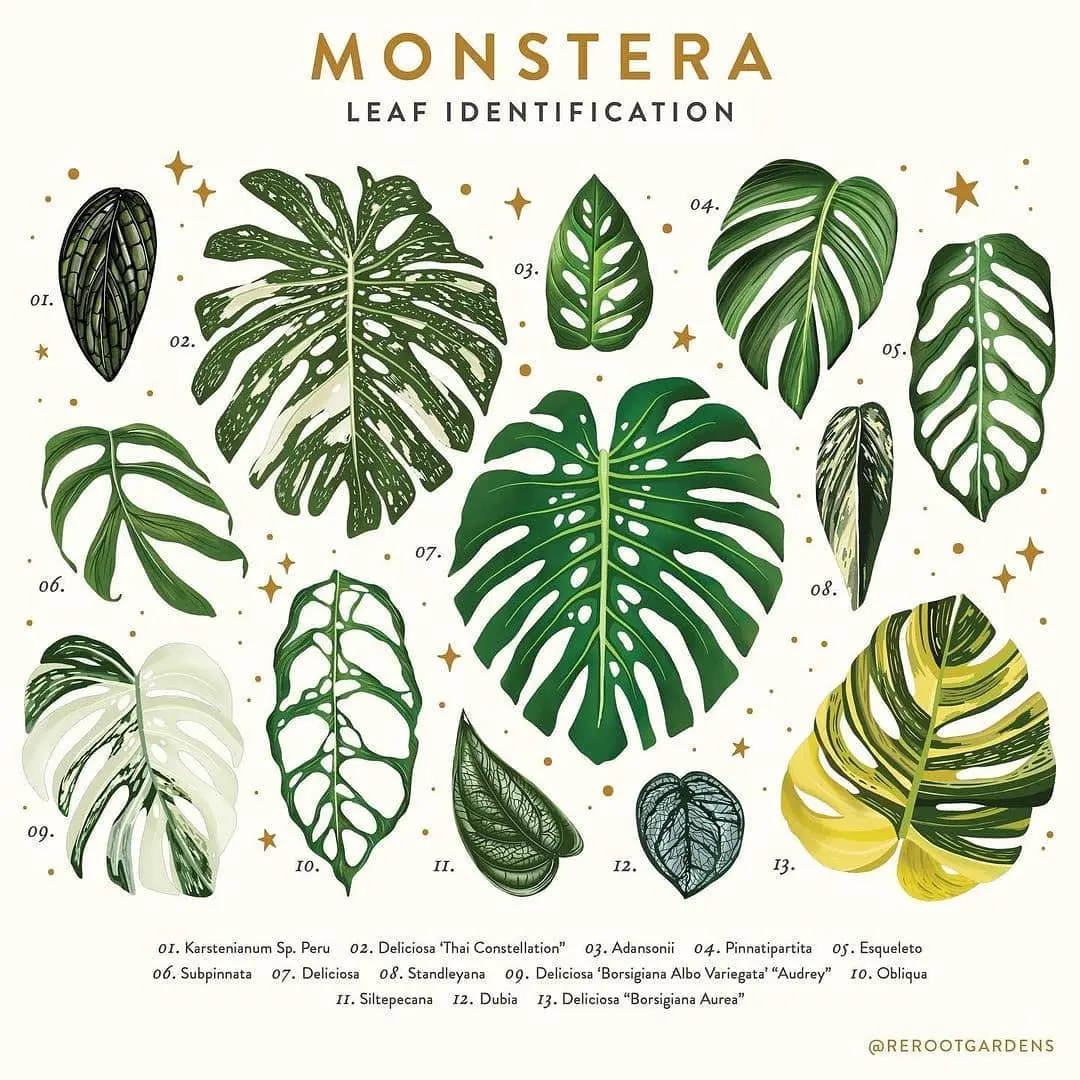
Monstera plants are popular houseplants known for their unique, holey leaves. But how many types of Monstera plants are there?
In this blog post, we will explore the different varieties of Monstera plants. Monstera plants have taken the indoor gardening world by storm. With their striking leaves and easy-care nature, it’s no wonder they are so loved. But you might be surprised to learn just how many types of Monstera plants exist.
From the classic Monstera deliciosa to rarer varieties, each type has its own charm. Knowing about the different kinds can help you choose the right plant for your home. Whether you’re a seasoned plant parent or a beginner, understanding these varieties will enhance your indoor garden experience. Let’s dive into the world of Monstera plants and discover their diversity.
Introduction To Monstera Plants
Monstera plants are popular among houseplant enthusiasts. There are around 50 different species of Monstera. Each species has unique characteristics, making them a favorite for indoor gardening.
Monstera plants are among the most loved houseplants. Their large, glossy leaves with unique patterns catch the eye. Many people enjoy having them in their homes. These plants are not just beautiful. They are also easy to care for. This makes them perfect for both beginners and experienced plant lovers. Monstera plants belong to the Araceae family. They are known for their distinctive split leaves. This feature makes them stand out from other plants.Popular Houseplants
Monstera plants are popular choices for indoor gardening. Their stunning leaves add a touch of nature to any room. They are also known for their air-purifying qualities. Many people choose Monstera plants for their homes and offices. These plants can thrive in low light conditions. This makes them suitable for various indoor settings.Tropical Origins
Monstera plants have tropical origins. They are native to the rainforests of Central and South America. In the wild, they can grow very large. These plants climb trees to reach sunlight. Their aerial roots help them attach to surfaces. This allows them to grow upwards and spread out. The tropical climate provides ideal conditions for Monstera plants. They enjoy warm temperatures and high humidity. Understanding their origins helps in providing the best care at home. “`Characteristics Of Monstera Plants
Monstera plants are famous for their unique and beautiful leaves. These plants, native to tropical forests, have distinct features that make them a favorite among plant enthusiasts. Let’s explore the main characteristics of Monstera plants.
Leaf Shape And Size
Monstera leaves are large and glossy. They have a heart shape with deep splits and holes. These holes, known as fenestrations, help the plant survive in its natural habitat.
Young Monstera leaves are small and simple. As they mature, the leaves grow larger and develop more splits and holes. The size of the leaves can reach up to 3 feet in length, depending on the species.
Growth Patterns
Monstera plants are climbers. In their natural habitat, they grow on trees. They have aerial roots that help them cling to surfaces. This climbing habit makes them ideal for indoor decoration with support like a moss pole.
These plants grow quickly in the right conditions. They need indirect light, high humidity, and well-drained soil. With proper care, a Monstera can grow several feet in a year.
Common Monstera Varieties
Monstera plants are beloved by many for their unique foliage. There are several varieties, each with its own charm. Let’s explore two common types. They are sure to add beauty to any space.
Monstera Deliciosa
Monstera Deliciosa is famous for its large, split leaves. These leaves can grow up to three feet wide. The plant is also known as the Swiss cheese plant. Its natural holes and splits resemble the holes in Swiss cheese. Monstera Deliciosa thrives in bright, indirect light. It can tolerate low light but will grow slower. Water it when the top inch of soil feels dry.
Monstera Adansonii
Monstera Adansonii is smaller than Monstera Deliciosa. Its leaves have more holes and are less split. This variety is often called the Swiss cheese vine. It can be trained to climb or trail. Monstera Adansonii likes bright, indirect light. Water it when the soil feels dry. This plant is perfect for hanging baskets or shelves.

Rare Monstera Varieties
Monstera plants come in various types, with some being very rare. These rare varieties often have unique features, making them sought after by plant lovers. Let’s explore two rare Monstera varieties: Monstera Obliqua and Monstera Dubia.
Monstera Obliqua
Monstera Obliqua is one of the rarest Monstera plants. It has delicate, paper-thin leaves with large holes. These holes give it a lace-like appearance. This plant needs high humidity and warm temperatures to thrive. It grows slowly and requires special care. Monstera Obliqua is a true collector’s item.
Monstera Dubia
Monstera Dubia is another rare Monstera variety. It has small, heart-shaped leaves that are dark green with silver patterns. Young Monstera Dubia plants climb surfaces, sticking flat against them. As it matures, its leaves change and become more fenestrated. This plant prefers bright, indirect light and moderate humidity.
Care Tips For Monstera Plants
Monstera plants are popular for their unique and beautiful leaves. To keep them healthy, you need to follow some care tips. These tips will help you provide the best environment for your Monstera plants.
Light And Watering
Monstera plants thrive in bright, indirect light. Direct sunlight can burn their leaves. Place your plant near a window with filtered light.
Watering is crucial for Monstera plants. Allow the top inch of soil to dry out between watering. Overwatering can lead to root rot. Underwatering can cause the leaves to wilt.
| Light Condition | Watering Frequency |
|---|---|
| Bright, Indirect Light | Once a week |
| Low Light | Once every 10-14 days |
Soil And Fertilization
Monstera plants need well-draining soil. A mix of peat moss, perlite, and pine bark works well. This type of soil allows air to reach the roots.
Fertilize your Monstera plant once a month during the growing season. Use a balanced, water-soluble fertilizer. Follow the instructions on the package for the right dosage.
- Spring and Summer: Fertilize monthly
- Fall and Winter: Reduce fertilization to every 6-8 weeks
By following these care tips, your Monstera plant will thrive and grow beautifully.
:max_bytes(150000):strip_icc()/GettyImages-1205923822-6e6fbc0f48ff44b2b3b22ef835169684.jpg)
Propagation Methods
Propagation of Monstera plants can be an exciting endeavor. It allows plant enthusiasts to grow new plants from existing ones. There are several methods to propagate Monstera plants, each with its own set of advantages. Below, we delve into two popular methods: stem cuttings and air layering.
Stem Cuttings
Stem cuttings are a widely used method for propagating Monstera plants. This technique is straightforward and effective. Follow these steps for successful stem cutting propagation:
- Choose a healthy stem with at least one node and a leaf.
- Use a clean, sharp knife or scissors to cut below the node.
- Place the cutting in water or soil, ensuring the node is submerged.
- Keep the cutting in a warm, humid environment with indirect sunlight.
- Roots should develop in a few weeks. Transplant to a pot once roots are visible.
Stem cuttings are popular due to their simplicity. They are ideal for beginners and experienced gardeners alike.
Air Layering
Air layering is another effective method for propagating Monstera plants. This technique stimulates root growth while the stem is still attached to the parent plant. Here’s how to do it:
- Select a healthy section of the stem with a leaf.
- Make a small cut or remove a strip of bark around the stem.
- Wrap the cut area with moist sphagnum moss.
- Secure the moss with plastic wrap to retain moisture.
- Keep the moss moist and wait for roots to form.
- Once roots are visible, cut the stem below the roots and plant it in soil.
Air layering can be more complex than stem cuttings. It requires patience but often results in a stronger, more established plant.
Pest And Disease Management
Monstera plants are beautiful and popular among plant enthusiasts. But like any other plants, they can face challenges from pests and diseases. Proper management is key to keeping them healthy and thriving. Below, we will discuss common pests and how to prevent diseases to ensure your Monstera plants stay in top shape.
Common Pests
Monstera plants can attract various pests that can harm their health. Being vigilant and proactive can save your plant from serious damage. Here are some common pests:
- Spider Mites: Tiny pests that can cause yellowing leaves.
- Mealybugs: White, cotton-like insects that suck sap from the plant.
- Scale Insects: Brown or black bumps that can weaken the plant.
- Aphids: Small green or black insects that can cause leaf curl.
Regularly inspect your plants for these pests. Treat infestations promptly with insecticidal soap or neem oil to avoid further damage.
Disease Prevention
Diseases can also affect Monstera plants. Maintaining proper care practices can help prevent these issues. Here are some tips:
- Avoid Overwatering: Too much water can lead to root rot.
- Ensure Good Air Circulation: Stagnant air can cause fungal growth.
- Use Sterilized Tools: Clean tools prevent the spread of diseases.
- Remove Affected Leaves: Trim and discard diseased leaves to prevent spread.
Following these practices can help keep your Monstera plants healthy and disease-free. Regular monitoring and immediate action are crucial for effective pest and disease management.

Decorating With Monstera Plants
Explore the charm of decorating with Monstera plants. Discover the many types, from the popular Monstera Deliciosa to the rare Monstera Obliqua. Each variety adds a unique touch to your home.
Monstera plants have become a popular choice for home decor. Their large, unique leaves add a touch of the tropics to any room. These plants not only look beautiful but are also easy to care for. Let’s explore some creative ways to decorate your home with Monstera plants.Indoor Placement Ideas
Monstera plants thrive in bright, indirect light. Place them near a window for the best growth. Avoid direct sunlight, which can burn the leaves. A living room corner can be a perfect spot. It adds a lush green touch to the space. The bathroom is another excellent choice. The humidity helps the plant thrive. You can also place a Monstera in your bedroom. It creates a relaxing and natural atmosphere.Pairing With Other Plants
Monstera plants pair well with many other houseplants. Combine them with snake plants for a striking contrast. Snake plants have tall, slender leaves that complement the Monstera’s broad foliage. Pair them with ferns for a lush, jungle-like effect. Ferns add softness and texture to the overall look. Place small succulents around the base of the Monstera. They add variety and interest to the arrangement. Try mixing Monstera with peace lilies. Their white flowers stand out against the Monstera’s green leaves. “`Frequently Asked Questions
How Many Monstera Plant Varieties Exist?
There are about 45 recognized Monstera species. Each species has unique characteristics and growth patterns.
What Is The Most Popular Monstera Variety?
The most popular variety is Monstera deliciosa. It is known for its large, fenestrated leaves.
Are All Monstera Plants Easy To Care For?
Most Monstera plants are easy to care for. They thrive with minimal maintenance and indirect light.
Do Monstera Plants Purify The Air?
Yes, Monstera plants help purify the air. They absorb pollutants and release oxygen.
Conclusion
Monstera plants come in various types, each unique and beautiful. From the classic Monstera deliciosa to the rare Monstera obliqua, there’s a Monstera for everyone. They add charm and greenery to any space. Explore and find the perfect one for your home.
Caring for them is easy, and their beauty is rewarding. Enjoy the journey of discovering different Monstera plants. Happy gardening!
Leave a Reply