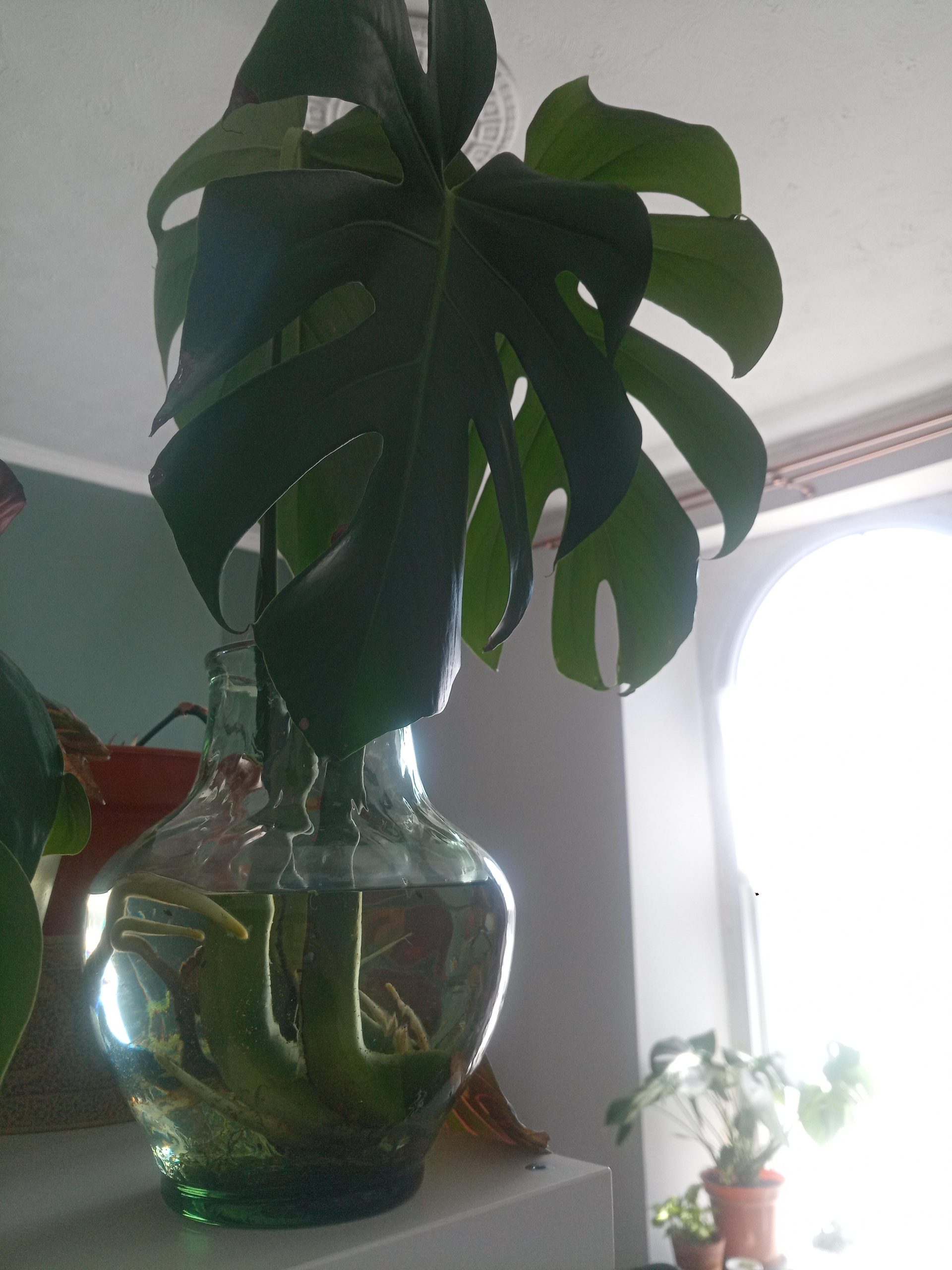
Yes, Monstera can grow in water forever. But, there are some things to consider.
Monstera, also known as Swiss Cheese Plant, is a popular indoor plant. It has striking leaves with unique holes. Many plant lovers wonder if it can thrive in water alone. Growing plants in water is called hydroponics. This method has many benefits.
It reduces the risk of soil-borne pests and diseases. It also makes it easier to control plant nutrients. But, is it ideal for Monstera? While Monstera can survive in water, it needs certain conditions. Proper light, nutrients, and water quality are crucial. Understanding these factors can help your Monstera flourish in water. In this post, we will explore how to care for Monstera in water. Let’s dive in!
Introduction To Monstera
Monstera can thrive in water indefinitely with proper care. Regularly change the water and provide nutrients. This method offers a unique and attractive way to grow this popular houseplant.
Monstera plants have become popular among houseplant enthusiasts. Their unique leaves and easy care make them a favorite. But can Monstera grow in water forever? Let’s dive into the world of Monstera.
Origin And Types
Monstera plants come from tropical forests in Central and South America. These rainforests provide the perfect conditions. The plants thrive under the canopy, growing tall and spreading wide. Monstera is part of the Araceae family. There are several types, each with distinct features.
Popular Varieties
Many Monstera varieties are loved by plant owners. Monstera Deliciosa is the most famous. Its large, split leaves are iconic. Another popular type is Monstera Adansonii. This variety has smaller leaves with holes, giving it a unique look. Monstera Obliqua is rare but admired for its delicate, lace-like leaves.
Monstera plants bring a touch of the jungle into homes. They can adapt to growing in water, adding a versatile option for plant care.
“`
Water Propagation Basics
Water propagation is a simple and exciting method for growing Monstera plants. This technique allows you to grow new plants from cuttings, using just water. It’s perfect for beginners and seasoned plant enthusiasts alike. Let’s explore the basics of water propagation and how you can start your own Monstera in water.
Necessary Supplies
Before starting, gather the following supplies:
- Healthy Monstera cutting with at least one node
- Clean glass container (jar or vase)
- Fresh water
- Optional: Rooting hormone
Step-by-step Guide
Follow these steps to propagate your Monstera in water:
- Prepare the cutting: Use sterilized scissors to cut a healthy Monstera stem. Make sure the cutting has at least one node, as roots will grow from this point.
- Remove lower leaves: Strip off any leaves near the node. This prevents them from sitting in water and rotting.
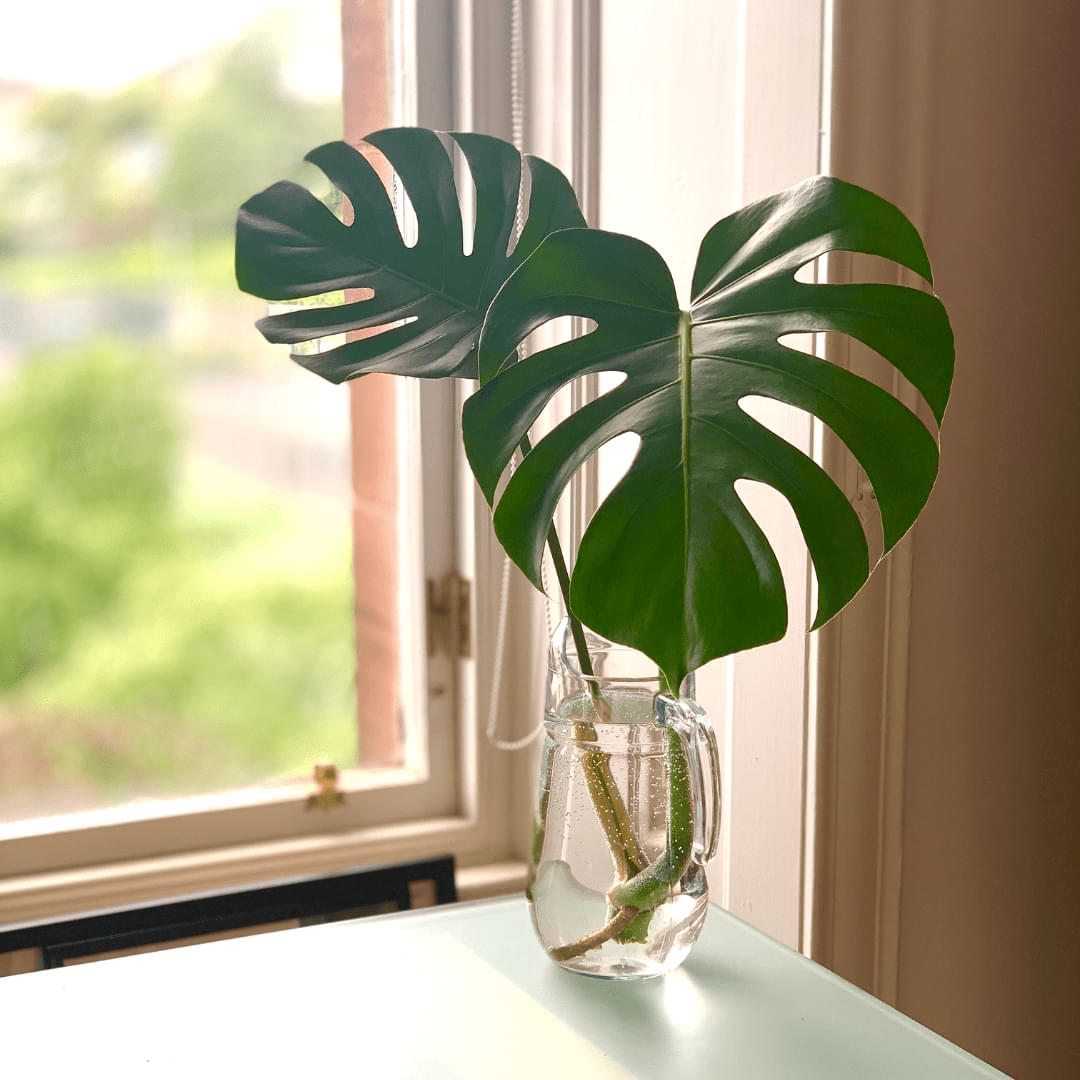
- Place in water: Put the cutting in a clean glass container filled with fresh water. Ensure the node is submerged.
- Change water regularly: Replace the water every 3-5 days to keep it fresh and oxygenated.
- Monitor root growth: Watch for roots to develop, which usually takes a few weeks.
- Optional: Dip the node in rooting hormone before placing it in water to encourage faster root growth.
With these steps, your Monstera cuttings should thrive. Water propagation not only helps in growing new plants but also adds a fresh and aesthetic touch to your home decor. Happy growing!
Benefits Of Growing Monstera In Water
Growing Monstera in water offers numerous benefits. From visual appeal to simple upkeep, this method can be quite advantageous. Below are some key benefits of growing Monstera in water.
Aesthetic Appeal
Monstera plants look stunning in clear vases. Their roots create a unique underwater display. This can be a beautiful addition to any home decor. The transparent container allows you to see the roots. This adds another layer of visual interest.
Water-grown plants often look cleaner. There is no soil to spill or mess up. This makes them ideal for modern or minimalist spaces. You can also use colored vases for a pop of color.
Ease Of Maintenance
Growing Monstera in water is easy. There is no need to worry about soil quality. Simply change the water regularly. This helps keep the plant healthy. You do not need to worry about pests that live in soil.
Water-grown Monstera plants need less frequent watering. This makes them perfect for busy people. Simply top up the water level when it gets low. It is a low-maintenance way to enjoy a beautiful plant.
| Benefits | Description |
|---|---|
| Aesthetic Appeal | Clear vases display roots, clean look, adds visual interest. |
| Ease of Maintenance | No soil quality concerns, regular water changes, fewer pests. |
Challenges Of Water Growth
Growing Monstera plants in water might seem easy. But it can bring certain challenges. Understanding these challenges can help you care for your plant better.
Root Health Issues
Roots need oxygen to stay healthy. In water, roots can lack enough oxygen. This can lead to root rot. Root rot causes the roots to turn brown and mushy. This can harm the plant. Keeping the water clean can help prevent this.
Nutrient Deficiencies
Monstera plants need nutrients to grow well. In soil, they get these nutrients from the earth. In water, plants rely on you to provide nutrients. Without proper nutrients, leaves can turn yellow. The plant may stop growing. You can add liquid fertilizer to the water. This helps provide the needed nutrients.
Nutrient Solutions For Water-grown Monstera
Growing a Monstera in water can be an exciting journey. But to keep it healthy, you need the right nutrient solutions. This section will cover the essential nutrients and DIY fertilizer recipes for your water-grown Monstera.
Essential Nutrients
Monstera plants need specific nutrients to thrive in water. Here are the key ones:
- Nitrogen (N): Promotes leaf growth and overall plant health.
- Phosphorus (P): Supports root development and flower production.
- Potassium (K): Enhances disease resistance and water uptake.
- Calcium (Ca): Strengthens cell walls and promotes root growth.
- Magnesium (Mg): Important for chlorophyll production and photosynthesis.
These nutrients can be found in various commercial fertilizers. But you can also make your own nutrient solution at home.
Diy Fertilizer Recipes
Creating your own fertilizer for water-grown Monstera is easy. Here are some simple recipes:
-
Banana Peel Fertilizer:
- Soak banana peels in water for 24 hours.
- Strain and use the water to feed your Monstera.
- This provides potassium and other trace minerals.
-
Eggshell Fertilizer:
- Crush eggshells into a fine powder.
- Add the powder to water and let it sit for a day.
- This mixture adds calcium to the water.
-
Compost Tea:
- Place compost in a cloth bag and steep in water for 24 hours.
- Strain the liquid and use it to water your Monstera.
- This provides a balanced mix of nutrients.
Using these DIY solutions can help keep your water-grown Monstera healthy and thriving.

Monitoring Plant Health
Monitoring the health of your Monstera plant is crucial. This is especially true if you are growing it in water. Keeping a close eye on its condition helps ensure it thrives. Below, we discuss the signs of healthy growth and how to detect problems early.
Signs Of Healthy Growth
- Green Leaves: Bright, green leaves indicate good health. Yellowing leaves may signal trouble.
- New Growth: Look for new leaves and roots. This shows the plant is thriving.
- Firm Stems: Stems should be firm and upright. Drooping may mean the plant is stressed.
Detecting Problems Early
- Yellow Leaves: This can be a sign of nutrient deficiency. Consider adding a liquid fertilizer.
- Root Rot: Check the roots. Healthy roots are white and firm. Brown, mushy roots indicate rot.
- Stunted Growth: If the plant stops growing, it may need more nutrients or light.
Regularly check your Monstera for these signs. This helps keep it healthy in water.
Transitioning To Soil
Transitioning your Monstera plant from water to soil can be a rewarding process. While Monstera can thrive in water for a long time, it will eventually need soil for full growth. This section will guide you through the best time to move your Monstera and the practices to follow for a smooth transition.
When To Move
Monstera can stay in water for several months. Look for signs that it needs soil. New leaves and roots indicate it’s time. Roots should be at least a few inches long. The plant should look healthy and strong. Move it to soil before it shows stress signs.
Best Practices
Prepare a pot with drainage holes. Fill it with well-draining soil. Gently remove the Monstera from the water. Rinse the roots to remove any algae. Make a hole in the soil and place the roots inside. Cover the roots with soil, but do not pack it too tightly.
Water the soil until it is moist. Place the pot in a bright spot with indirect sunlight. Keep the soil moist but not soggy. Monitor the plant for a few weeks. It may show signs of stress, such as drooping leaves. This is normal during the transition.
Fertilize the plant after a few weeks. Use a balanced fertilizer. Follow the instructions on the package. This will help the Monstera adapt to its new environment. With proper care, your Monstera will thrive in soil. Enjoy watching it grow and flourish.
Common Myths Debunked
Many plant enthusiasts often wonder if Monstera can thrive in water indefinitely. Misconceptions and myths circulate widely. It’s important to distinguish fact from fiction. Let’s debunk some common myths about growing Monstera in water.
Water Vs. Soil Growth
One common myth is that Monstera plants grow better in soil than in water. The truth is, Monstera can grow well in both mediums. Soil provides nutrients and stability. Water offers a clean and low-maintenance environment. Each method has its own advantages.
In soil, Monstera plants benefit from natural microorganisms. These help in nutrient absorption. In water, they need regular nutrient solutions. Both methods require care and attention. Neither is inherently superior.
Longevity In Water
Another myth suggests Monstera cannot survive in water for long periods. In reality, Monstera can thrive in water indefinitely. With proper care, it’s possible. Regular water changes and nutrient solutions are key.
Many people successfully grow Monstera in water for years. It’s essential to monitor the plant’s health. Look for signs of root rot or nutrient deficiency. Adjust care routines as needed.
In summary, Monstera can grow and thrive in water. With the right care, they can live a long and healthy life.
Frequently Asked Questions
Can Monstera Grow In Water Permanently?
Yes, Monstera can grow in water permanently. However, it requires regular water changes and nutrient supplementation.
What Nutrients Do Monstera Need In Water?
Monstera needs essential nutrients like nitrogen, phosphorus, and potassium. Use a balanced liquid fertilizer regularly.
How Often Should I Change Monstera Water?
Change the water every two weeks. This helps prevent algae growth and ensures the roots stay healthy.
Does Monstera Grow Faster In Soil Or Water?
Monstera typically grows faster in soil. Soil provides more nutrients and a stable environment for root development.
Conclusion
Monstera can thrive in water for a long time. But not forever. Soil provides essential nutrients. Water lacks these over time. Regular changes in water help, but can’t substitute soil. Mix both methods for best results. Hydroponics can be a temporary solution.
Soil remains crucial for long-term growth. Consider these factors for healthy Monstera plants.
Leave a Reply