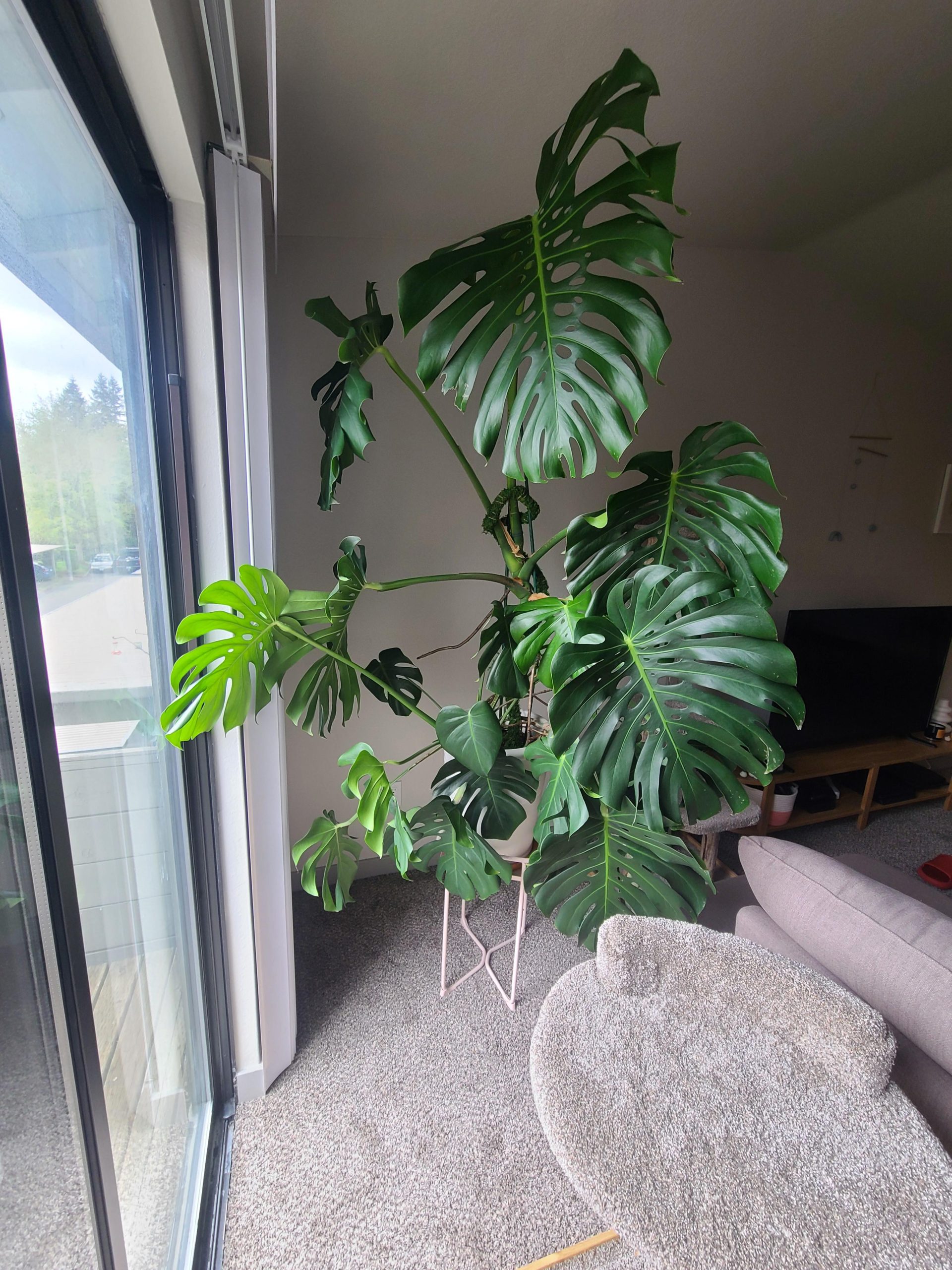
Yes, Monstera plants can grow in low light conditions. They are adaptable and can survive with less sunlight.
Monstera plants, known for their stunning leaves, are popular indoor choices. Their adaptability makes them ideal for many homes and offices. But, can they truly thrive in low light? Understanding their light needs is crucial for healthy growth. Too little light might slow their development, while too much can damage their leaves.
Let’s explore what makes Monstera plants unique and how they adjust to different lighting conditions. This knowledge will help you care for your Monstera, ensuring it stays vibrant and healthy, even in low light.

Introduction To Monstera
Monstera, commonly known as the Swiss Cheese Plant, has become a favorite among plant enthusiasts. Its unique, hole-filled leaves add a touch of nature to any indoor space. But can this popular houseplant thrive in low light conditions? Let’s delve into the fascinating world of Monstera.
Popular Houseplant
The Monstera has gained immense popularity as a houseplant. Its lush, green leaves are a sight to behold. Many people find it easy to care for, making it a top choice for indoor gardening.
This plant not only beautifies your home but also purifies the air. It is known to remove toxins, providing a healthier living environment.
Here are some reasons why Monstera is a popular houseplant:
- Striking appearance with large, perforated leaves
- Easy to care for
- Improves indoor air quality
Natural Habitat
Understanding Monstera’s natural habitat can help you provide the best care. Monstera originates from tropical rainforests in Central and South America. These environments are warm, humid, and rich in organic matter.
In the wild, Monstera climbs trees to reach sunlight, making it an epiphyte. It thrives under the canopy, where light is filtered through the dense foliage above.
Table of Monstera’s Natural Habitat Conditions:
| Condition | Description |
|---|---|
| Temperature | Warm (20-30°C) |
| Humidity | High (60-80%) |
| Light | Indirect, filtered light |
By mimicking these conditions, you can help your Monstera thrive indoors. Even in low light, Monstera can adapt, though its growth may slow down.

Light Requirements
Monstera plants are popular for their striking leaves and easy care. Understanding their light needs is crucial for healthy growth. Let’s explore the ideal conditions and their tolerance to low light.
Ideal Conditions
Monstera plants thrive in bright, indirect light. This mimics their natural habitat under the forest canopy. They absorb light through their large leaves, which helps them grow and develop. Direct sunlight can scorch their leaves. Place them near a window with filtered light for the best results.
Low Light Tolerance
Monstera plants can survive in low light conditions. They may not grow as quickly or produce new leaves. Low light can affect their overall health and appearance. In such settings, expect slower growth and smaller leaves. Regularly rotate the plant to ensure even light exposure. This helps prevent uneven growth.
Effects Of Low Light
Monstera plants are known for their large, beautiful leaves and unique growth patterns. But what happens to these plants when they are placed in low light conditions? Understanding the effects of low light on monstera can help you better care for your plant.
Growth Patterns
In low light, monstera growth slows down. The plant may produce fewer new leaves. The stems may also become leggy, stretching towards the light source. This can make the plant look sparse and less full.
Leaf Color And Size
Low light affects the color and size of monstera leaves. Leaves may become smaller and lose their vibrant green color. They might turn a lighter green or even yellow. This is because the plant cannot photosynthesize properly in low light.
Here is a quick comparison of monstera leaf characteristics in low light versus bright light:
| Condition | Leaf Color | Leaf Size |
|---|---|---|
| Low Light | Lighter Green/Yellow | Smaller |
| Bright Light | Vibrant Green | Larger |
These changes are signs that your monstera needs more light. If you notice these effects, consider moving your plant to a brighter spot.
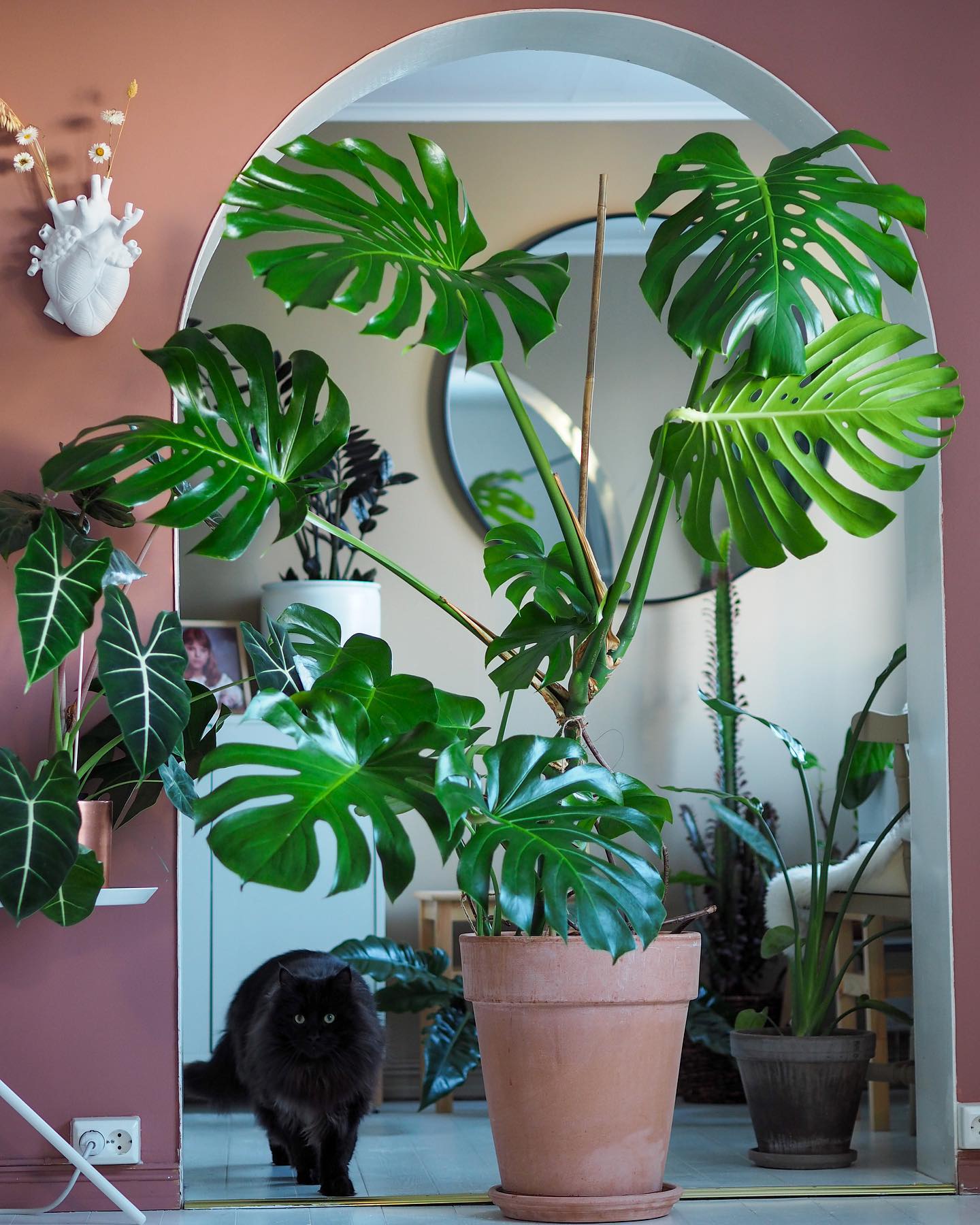
Tips For Growing In Low Light
Many plant enthusiasts wonder if Monstera can thrive in low light conditions. The good news is, Monstera is quite adaptable. By following some simple tips, you can help your Monstera grow even in low light. These tips will ensure your plant remains healthy and vibrant.
Proper Placement
Finding the right spot is crucial. Place your Monstera near a north or east-facing window. This provides indirect light without harsh sun rays. Avoid placing it in dark corners. Your Monstera needs some light to photosynthesize. Rotate the plant occasionally. This ensures even growth on all sides.
Supplemental Lighting
In low light, consider adding a grow light. LED grow lights are energy-efficient and effective. Place the light 12-18 inches above the plant. Use a timer to mimic natural daylight hours. Aim for 12-14 hours of light daily. This helps compensate for the lack of natural light.
Common Issues
When growing Monstera in low light conditions, several common issues can arise. Understanding these problems helps ensure your plant remains healthy. Let’s explore the most frequent challenges.
Signs Of Light Deficiency
Monstera plants need light to thrive. In low light, they often show signs of deficiency. The leaves may become smaller and lose their split appearance. Yellowing leaves are another common symptom. Your plant might also grow leggy, with long stems and fewer leaves. These signs indicate the plant is not getting enough light.
Pest Problems
Low light conditions can weaken Monstera plants. This makes them more susceptible to pests. Common pests include spider mites and mealybugs. These pests thrive in low light and damp environments. Regularly inspect your plant for tiny insects or webbing. Early detection is key to managing pest problems effectively.
Care Techniques
Monstera plants are popular for their unique, split leaves. They can adapt to low light conditions, but proper care is essential. Let’s explore some care techniques to ensure your Monstera thrives, even with limited light.
Watering Schedule
Watering your Monstera is crucial for its health. In low light, the plant needs less water. Check the soil before watering. If the top inch is dry, it’s time to water. Use room temperature water. Avoid overwatering to prevent root rot.
Fertilization
Fertilizing helps your Monstera grow strong. In low light, it needs less fertilizer. Use a balanced, water-soluble fertilizer every month during spring and summer. Reduce feeding in fall and winter. Always follow the instructions on the fertilizer package.
Pruning And Maintenance
Maintaining a Monstera plant, especially in low light, requires regular pruning. Pruning helps the plant stay healthy and encourages new growth. Proper maintenance is key to ensuring your Monstera thrives even in less-than-ideal lighting conditions.
Trimming Leaves
Trimming leaves is an essential part of Monstera care. Begin by identifying any yellow or damaged leaves. These leaves can drain energy from the plant. Use clean, sharp scissors or pruning shears to cut them off at the base.
Check the plant regularly for any signs of rot or disease. Removing these parts promptly prevents the spread of any issues. Healthy leaves can also be trimmed to control the plant’s size. This is especially useful for indoor plants with limited space.
Encouraging Growth
Encouraging growth in a Monstera involves more than just pruning. Regularly rotate the plant to ensure even light distribution. Even low light can be maximized this way. This helps prevent the plant from leaning towards the light source.
Fertilizing the plant can also stimulate growth. Use a balanced, water-soluble fertilizer once a month. Be sure to water the plant properly. Over-watering or under-watering can both harm the Monstera.
Here are some tips for encouraging healthy growth:
- Ensure proper drainage to avoid root rot.
- Keep the soil moist but not soggy.
- Maintain a consistent watering schedule.
- Provide occasional misting to increase humidity.
By following these steps, your Monstera can thrive even in low light conditions.
Expert Insights
Monstera plants are popular for their lush, split leaves. Many plant lovers wonder if they can thrive in low light. To provide clarity, we reached out to experts in the field. Their insights can help you understand how to care for Monstera in low-light conditions.
Professional Advice
Experts agree that Monstera can survive in low light, but they prefer bright, indirect light. Low light slows their growth and may result in smaller leaves. To keep your Monstera healthy, place it near a window with filtered light. Rotate the plant occasionally to ensure even growth.
Case Studies
Several plant enthusiasts shared their experiences. One case involves a Monstera placed in a dim corner. The plant survived but grew slowly. Another case features a Monstera near a north-facing window. It thrived with larger leaves and steady growth.
These case studies illustrate that while Monstera can tolerate low light, they perform better with more light. Aim to provide some natural light to keep your plant vibrant.
Frequently Asked Questions
Can Monstera Survive In Low Light?
Yes, Monstera can survive in low light. However, it prefers bright, indirect light for optimal growth.
How Often Should I Water Monstera In Low Light?
Water Monstera every 1-2 weeks in low light. Ensure the top inch of soil dries out between waterings.
What Are The Signs Of Low Light Stress In Monstera?
Signs of low light stress include yellowing leaves, slow growth, and leggy stems. Move it to a brighter spot.
Can Monstera Grow Without Sunlight?
Monstera cannot grow without sunlight. It needs some light to photosynthesize, even if it’s low or indirect light.
Conclusion
Monstera plants can grow in low light, but they thrive in bright, indirect light. In low light, growth slows down and leaves may become smaller. Regular care helps the plant stay healthy. Water less often in low light. Ensure proper drainage.
Rotate the plant occasionally for even growth. Monitor for pests and diseases. With patience and attention, your Monstera can still be a beautiful part of your home.
Leave a Reply