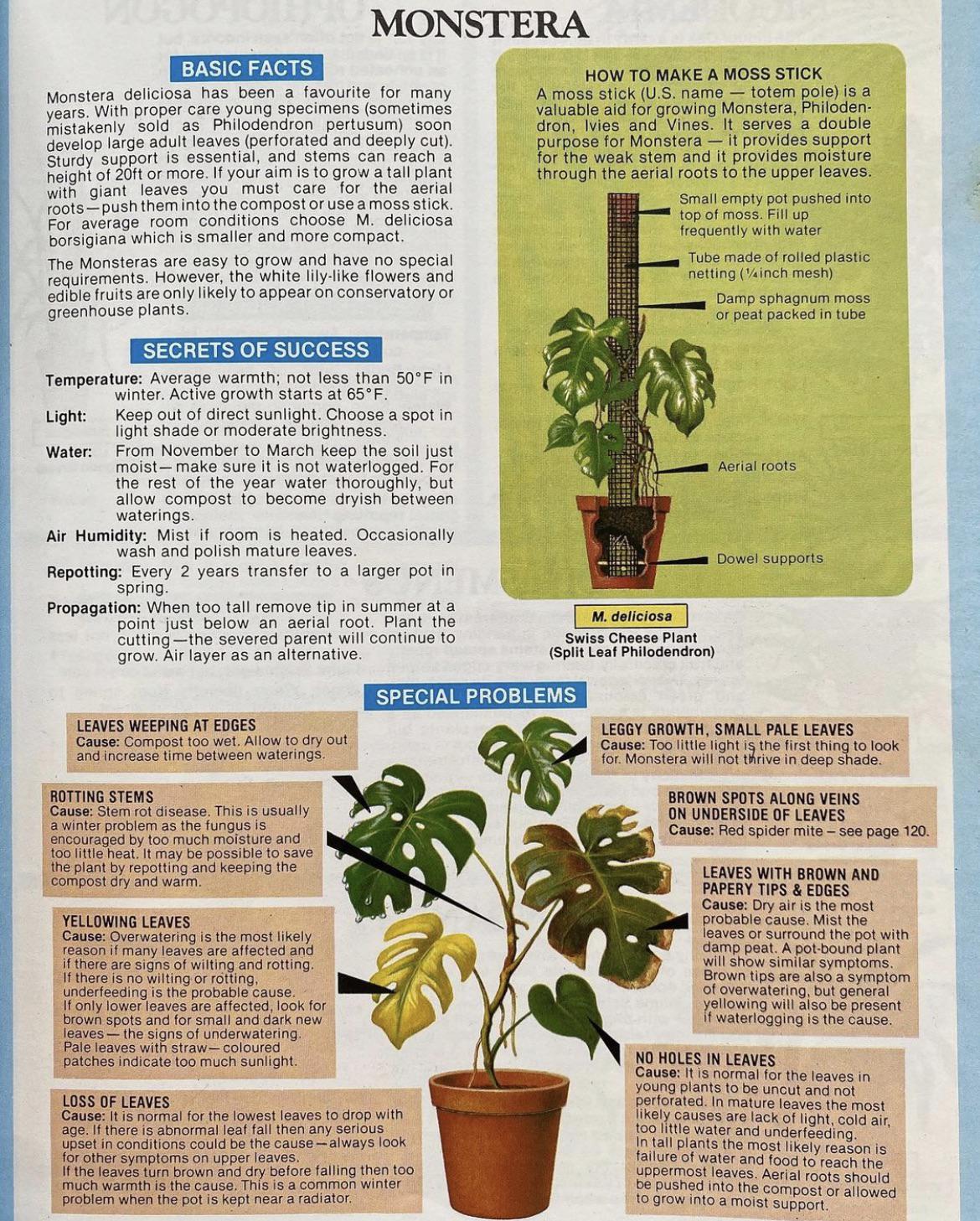
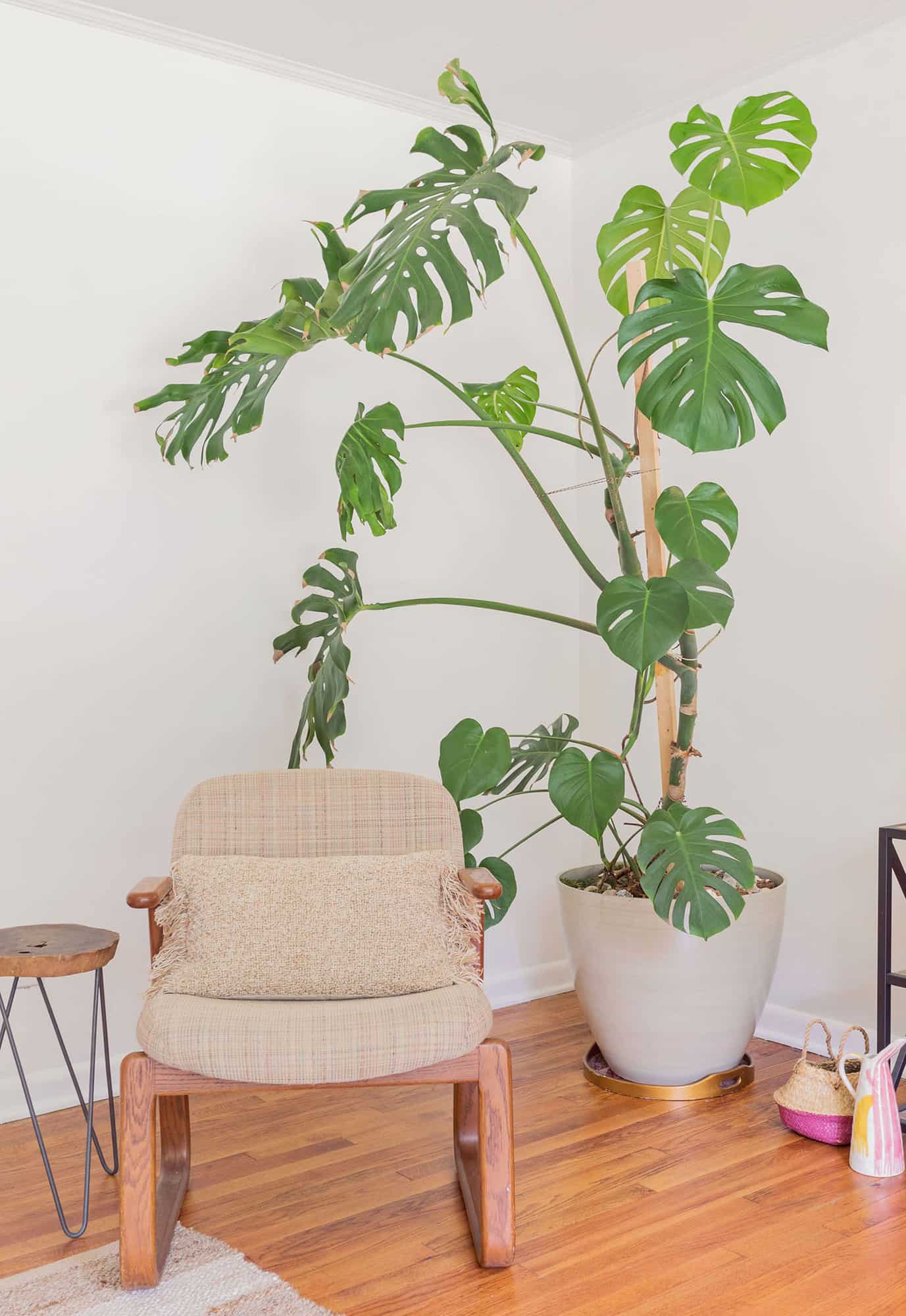
Monstera plants, with their striking leaves, are popular houseplants. They add a touch of the tropics to any space.
Want to know how to best care for Monstera? First, keep it in bright, indirect light. Water it when the topsoil dries out. Avoid overwatering to prevent root rot. Monstera, also known as the Swiss Cheese Plant, is loved for its unique, perforated leaves.
Native to tropical forests, it thrives in warm, humid environments. By understanding its natural habitat, you can mimic these conditions at home. This helps your plant flourish. Proper care includes the right light, watering, and occasional feeding. With the right tips, your Monstera can grow lush and healthy. Let’s dive into the details and ensure your Monstera thrives.
Introduction To Monstera Care
Monstera plants, also known as Swiss cheese plants, have become popular houseplants. Their unique, holey leaves and easy care make them appealing. Whether you are new to houseplants or a seasoned gardener, Monstera can thrive in your home with proper care.
Brief History
Monstera plants originate from the tropical forests of Central and South America. These plants grow under the canopy of taller trees. They climb using their aerial roots. In their natural habitat, Monstera can grow very large. They have been popular houseplants since the 1970s. Their unique leaves made them a favorite in home decor.
Popular Varieties
Several Monstera varieties are popular among plant enthusiasts. Monstera deliciosa is the most common type. It has large, heart-shaped leaves with holes. Monstera adansonii, also known as the Swiss cheese vine, has smaller leaves with more holes. Another variety, Monstera dubia, has smaller, more delicate leaves. Each variety has its own charm and care needs.
Choosing The Right Spot
Caring for your Monstera starts with choosing the right spot. The location can affect its growth, health, and overall appearance. Understanding its light, temperature, and humidity needs is essential. Let’s dive into the details.
Light Requirements
Monstera plants thrive in bright, indirect light. Direct sunlight can scorch their leaves. Place your Monstera near a window with filtered light. North or east-facing windows work best. If natural light is limited, use a grow light. Ensure the light source mimics natural sunlight. Adjust the distance to avoid burning the leaves.
Temperature And Humidity
Monstera plants prefer warm temperatures. The ideal range is between 65°F and 85°F. Avoid placing them near cold drafts or heat sources. Consistent temperature helps them grow well. High humidity is also beneficial. Aim for 60% humidity or higher. Use a humidifier if necessary. Grouping plants together can also increase humidity.
| Temperature | Humidity |
|---|---|
| 65°F – 85°F | 60% or higher |
- Keep the Monstera away from cold drafts.
- Use a humidifier to maintain humidity levels.
- Avoid placing the plant near heating vents.
Consistent care in these areas ensures your Monstera stays healthy. Happy growing!
Watering Guidelines
Caring for a Monstera plant involves proper watering. This helps the plant thrive. Understanding the right watering techniques is crucial. Let’s dive into the Watering Guidelines for your Monstera.
Frequency Of Watering
Water your Monstera every 1-2 weeks. The exact frequency can vary. It depends on the season and your home’s humidity.
To check if your Monstera needs water, insert your finger two inches into the soil. If the soil feels dry, it’s time to water.
In winter, reduce the frequency. Water less often as the plant’s growth slows.
Signs Of Overwatering
Overwatering can harm your Monstera. Look out for the following signs:
- Yellowing leaves
- Wilting despite wet soil
- Moldy soil surface
- Root rot (soft, brown roots)
If you notice these signs, reduce watering. Allow the soil to dry out more between waterings.
Always use well-draining soil. Ensure your pot has drainage holes.
| Frequency | Indicators |
|---|---|
| 1-2 weeks | Check soil moisture before watering |
| Winter | Reduce frequency |
By following these guidelines, you can ensure your Monstera remains healthy and vibrant.

Soil And Potting Mix
Caring for your Monstera involves understanding its soil and potting mix needs. The right soil and potting mix will help your plant thrive. Let’s explore the ideal soil composition and essential repotting tips.
Ideal Soil Composition
Monstera plants prefer well-draining soil. A mix that retains some moisture but doesn’t stay soggy is best. Here is an ideal soil composition:
| Soil Component | Percentage |
|---|---|
| Peat Moss | 40% |
| Perlite | 20% |
| Pine Bark | 20% |
| Compost | 20% |
Peat moss helps retain moisture. Perlite improves drainage. Pine bark adds structure. Compost provides nutrients. Using this mix will give your Monstera the perfect balance.
Repotting Tips
Repotting your Monstera every 1-2 years is essential. Follow these simple steps:
- Choose a pot 2 inches larger than the current one.
- Gently remove the plant from its old pot.
- Loosen the roots if they are tangled.
- Place the plant in the new pot with fresh soil mix.
- Water thoroughly and let the excess drain out.
Check for root rot when repotting. Healthy roots are white and firm. Rotten roots are brown and mushy. Remove any rotten roots before replanting.
Repotting gives the Monstera room to grow and fresh nutrients. This promotes healthy growth and a vibrant plant.
Fertilizing Needs
Monstera plants are popular for their unique, large leaves. To keep these plants healthy, proper fertilization is essential. Fertilizing helps them grow strong and maintain their vibrant green color. Without the right nutrients, Monsteras can become weak and less attractive.
Best Fertilizers
Choose a balanced, water-soluble fertilizer for your Monstera. Look for a fertilizer with an N-P-K ratio of 20-20-20. This ratio means equal parts of nitrogen, phosphorus, and potassium. These nutrients support leaf growth, root development, and overall plant health. Organic options like compost tea or fish emulsion work well too. They provide a slow release of nutrients and improve soil quality.
Fertilizing Schedule
Fertilize your Monstera every two weeks during the growing season. The growing season is typically from spring to early fall. During this time, the plant is actively producing new leaves. Reduce fertilization to once a month during the winter months. This is the plant’s dormant period. Over-fertilizing can harm your Monstera, so follow the recommended schedule.
Pruning And Training
Caring for your Monstera involves more than just watering and sunlight. Pruning and training are key to ensuring your plant grows healthy and strong. Pruning helps in removing dead or yellow leaves, while training guides the plant to grow in your desired direction. Both these practices are essential for maintaining the plant’s shape and encouraging new growth.
When To Prune
Pruning your Monstera is essential for its health. The best time to prune is in the spring or early summer when the plant is actively growing. Use clean, sharp scissors to cut off dead or yellow leaves. Always prune just above a leaf node to encourage new growth.
Training For Growth
Training your Monstera helps it grow in the shape you want. Use stakes or trellises to support the plant. Gently tie the plant to the support with soft ties. Adjust the ties as the plant grows to avoid damage.
You can also guide the aerial roots into the soil or a moss pole. This gives the plant extra nutrients and support. Regularly check the ties and supports to ensure they are not too tight.
Training and pruning your Monstera ensures it remains healthy and attractive. These practices are simple but make a big difference.
Pest And Disease Control
Monstera plants are a popular choice for indoor greenery. Yet, they can fall prey to pests and diseases. Knowing how to prevent and control these problems is key. This guide will help you keep your Monstera healthy and thriving.
Common Pests
Monstera plants attract a variety of pests. Spider mites are tiny and hard to spot. They leave fine webs on the leaves. Scale insects are small, brown, and immobile. They stick to the stems and undersides of leaves. Aphids are small, green, or black insects. They gather on new growth and can stunt plant development. Mealybugs appear as white, cottony masses. They hide in leaf joints and feed on plant sap.
Preventive Measures
Prevention is better than cure. Start with regular inspections. Check the leaves, stems, and soil for signs of pests. Clean the leaves with a damp cloth every week. This removes dust and potential pests. Ensure good air circulation around your Monstera. Avoid overwatering to prevent root rot. Use well-draining soil to keep roots healthy. Isolate new plants for a few weeks. This stops pests from spreading to other plants.
Propagation Techniques
Monstera plants are popular for their beautiful, split leaves. Propagating these plants allows you to share their beauty with others or expand your own collection. There are several effective propagation techniques to choose from. Here, we’ll focus on two: stem cuttings and air layering.
Stem Cuttings
Stem cuttings are a simple and popular method. Follow these steps to propagate Monstera using stem cuttings:
- Select a healthy stem with at least one node.
- Use clean, sharp scissors to cut just below the node.
- Place the cutting in water or soil.
- If in water, ensure the node is submerged.
- Change the water regularly to avoid stagnation.
- Roots should start to develop in a few weeks.
Once the roots are a few inches long, you can transfer the cutting to soil. Keep the soil moist but not waterlogged.
Air Layering
Air layering is another effective propagation technique. It’s ideal for larger Monstera plants. Here’s how to do it:
- Choose a healthy stem that is at least 12 inches long.
- Make a small cut halfway through the stem, just below a node.
- Wrap the cut area with moist sphagnum moss.
- Cover the moss with plastic wrap to retain moisture.
- Secure the plastic wrap with ties or tape.
- Check the moss regularly to ensure it stays moist.
Roots should begin to grow from the cut area within a few weeks. Once the roots are visible, you can cut the stem below the roots and plant it in soil.
Both methods are effective for Monstera propagation. Choose the one that suits your needs and enjoy watching your plant collection grow.
Seasonal Care Tips
Monstera plants are popular for their stunning leaves and easy care. Yet, they do need specific attention during different seasons. This guide will help you provide the best care for your Monstera plant throughout the year.
Winter Care
Winter can be tough for Monstera plants. They need warmth and light. Keep your Monstera away from drafty windows. Avoid placing it near heating vents. Dry air can harm the plant.
Use a humidifier to maintain humidity. Water less frequently in winter. The soil should be dry before the next watering. Fertilizing is not necessary during this period.
Summer Care
Summer is a great time for Monstera growth. They thrive in bright, indirect light. Direct sunlight can scorch the leaves. Ensure your Monstera has the right light balance.
Water your Monstera more often in summer. Check the soil moisture regularly. Increase humidity by misting the leaves. Fertilize once a month to support growth. Ensure good air circulation around the plant.
:max_bytes(150000):strip_icc()/how-to-grow-monstera-deliciosa-5072671-01-a65286b8b3b8402882c7ad2c57756bbe.jpg)
Frequently Asked Questions
How Often Should I Water Monstera?
Water your Monstera when the top 2-3 inches of soil are dry. Overwatering can cause root rot. Ensure the pot has good drainage.
What Kind Of Light Does Monstera Need?
Monstera thrives in bright, indirect light. Direct sunlight can scorch the leaves. Low light slows its growth.
How Do I Propagate Monstera?
Propagate Monstera by stem cuttings. Place cuttings in water until roots develop, then plant in soil.
Why Are My Monstera Leaves Turning Yellow?
Yellow leaves often indicate overwatering or poor drainage. Check soil moisture and adjust your watering schedule.
Conclusion
Caring for a Monstera can be simple with the right tips. Keep the soil moist but not soggy. Ensure bright, indirect light. Prune occasionally to maintain its shape. Wipe leaves to remove dust. Rotate the plant for even growth. Mist leaves for humidity.
With proper care, your Monstera will thrive. Enjoy the lush, vibrant foliage it brings to your space. Happy planting!
Leave a Reply