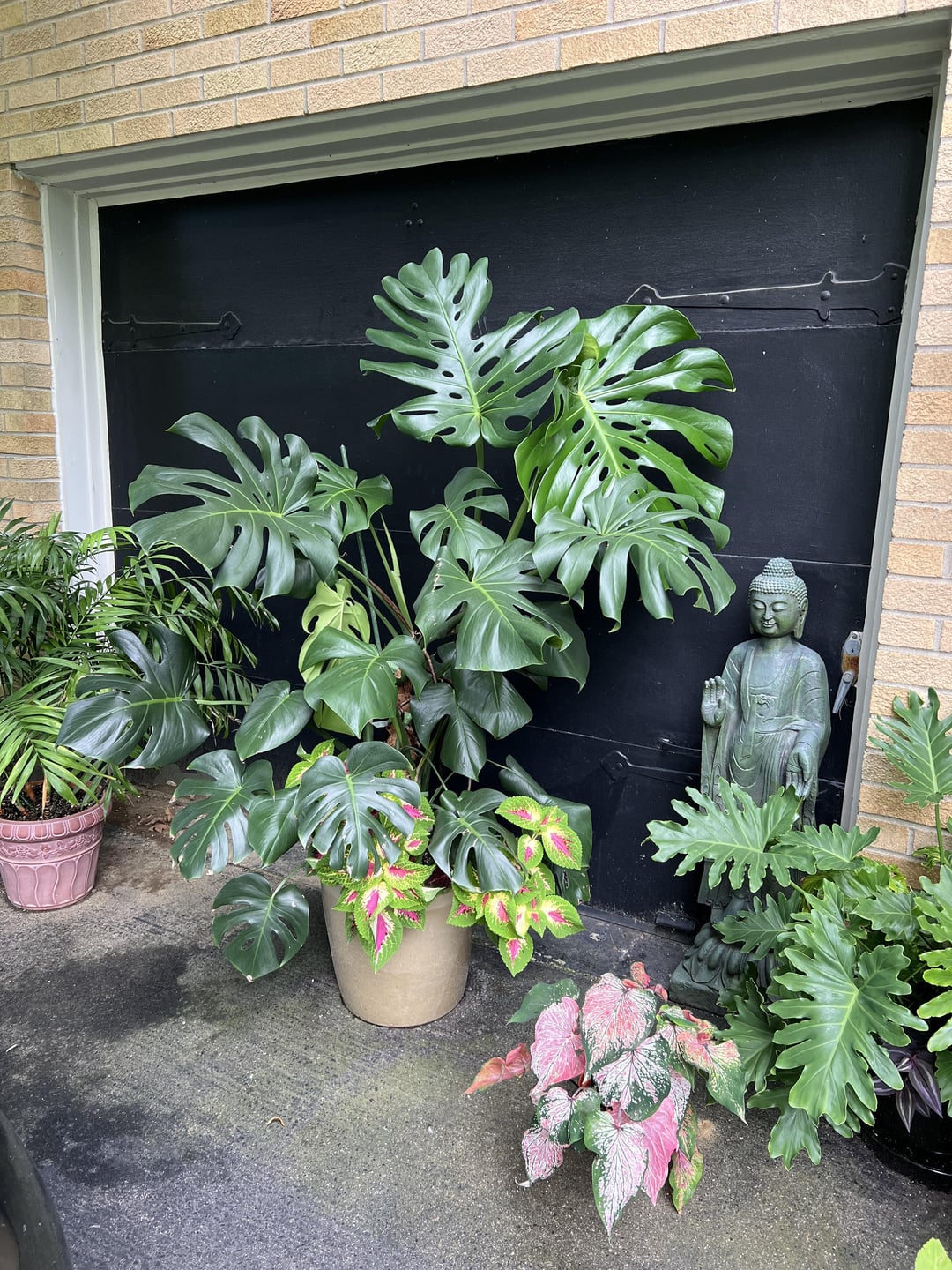
You can put your Monstera outside when the temperature is consistently above 60°F (15°C). Also, ensure there is no risk of frost.
These tropical plants love warm weather but need protection from direct sunlight and strong winds. Monstera plants, known for their striking leaves, thrive in the right conditions. As a houseplant, they bring a touch of the tropics indoors. But, can you move them outside?
Yes, you can! Moving your Monstera outside can promote healthier growth. It allows the plant to enjoy fresh air and natural light. But timing is crucial. Place your Monstera outside during the late spring or early summer. Make sure the temperature is stable and warm. This ensures your plant stays healthy and vibrant. Keep reading to learn the best tips for transitioning your Monstera outdoors.
Ideal Outdoor Conditions
Monstera plants thrive when placed in the right outdoor environment. Knowing the ideal conditions will help your Monstera grow lush and healthy. This section covers the key aspects of the outdoor environment.
Temperature Range
Monstera plants prefer a temperature range between 65°F and 85°F (18°C and 29°C). They do not handle cold well. Protect them from temperatures below 50°F (10°C). If your area gets cold, bring your Monstera inside during the fall and winter.
Humidity Levels
Monstera plants need high humidity to grow well. Aim for 60% to 80% humidity levels. If you live in a dry climate, you might need to increase humidity. Use a humidifier or a pebble tray filled with water.
Keeping the humidity right helps prevent leaf problems. Brown tips and edges can indicate low humidity. Regular misting can also help maintain proper moisture levels for your Monstera.
Best Time Of Year
Putting your Monstera outside can help it thrive. Knowing the best time of year to do this is important. Monstera plants love warmth and humidity. The right timing ensures they adapt well and grow healthily.
Spring Transition
Spring is ideal for transitioning your Monstera outside. Temperatures begin to rise, making it safer for the plant. Start by placing it outside for a few hours each day. Gradually increase the time as the days get warmer. This process helps the plant adjust to outdoor conditions. Avoid putting it outside during early spring frosts.
Summer Growth
Summer offers the best environment for Monstera growth. Warm temperatures and high humidity levels are perfect. Place your Monstera in a shaded area to avoid direct sunlight. Too much sun can damage the leaves. Water the plant regularly to keep the soil moist. Summer is the season when Monstera will thrive the most.
Choosing The Right Spot
Placing your Monstera outside can help it thrive. But choosing the right spot is crucial. The right location ensures your plant stays healthy and grows well. Let’s explore the key factors.
Light Requirements
Monstera plants need bright, indirect light. Direct sunlight can scorch their leaves. A spot with filtered sunlight is ideal. Under a tree or a shaded patio works well. Morning sun is gentle and safe for a few hours.
Wind Protection
Strong winds can damage Monstera leaves. Choose a place sheltered from gusts. Near a wall or a fence can help. You can also use other plants as a windbreak. This will keep your Monstera safe and happy.
Preparing The Plant
Proper preparation is essential when moving your Monstera plant outside. Ensuring the plant adapts to outdoor conditions will promote healthy growth. Follow these steps to prepare your Monstera for life outdoors.
Acclimatization Process
Begin by gradually exposing your Monstera to outdoor conditions. Start with a few hours of morning sun. Increase exposure time over a week. Avoid direct midday sun to prevent leaf burn.
Monitor the plant closely during this period. Look for signs of stress like yellowing leaves. This slow introduction helps the plant adjust without shock.
Soil Preparation
Check the soil type before placing your Monstera outside. It prefers well-draining soil. Avoid areas with heavy clay soil. Consider using a pot with drainage holes if the soil is poor.
Mix compost or organic matter into the soil. This improves nutrient content and drainage. Ensure the soil remains moist but not waterlogged.
| Soil Type | Suitability |
|---|---|
| Sandy | Good drainage, needs more nutrients |
| Loamy | Ideal, well-draining and nutrient-rich |
| Clay | Poor drainage, needs amendment |
Using a soil mix with perlite or bark can enhance drainage. Ensure the plant sits in a location with indirect sunlight. This balance of light and soil quality ensures a healthy Monstera.
Watering Needs
When you move your Monstera outside, understanding its watering needs is crucial. Outdoor conditions differ from indoor settings. This change can affect how often and how much water your Monstera requires. Let’s break down the watering needs into two key aspects: frequency and amount.
Frequency
Monitor the soil regularly. During warmer months, outdoor Monsteras may need more frequent watering. Check the soil every few days. If the top inch feels dry, it’s time to water. Cooler months might see less frequent watering needs.
Amount
Water the Monstera deeply but infrequently. Ensure water reaches the roots. Too much water can lead to root rot. Always use well-draining soil. This helps prevent waterlogging. After watering, let excess water drain out completely.

Fertilizing Routine
Fertilizing your Monstera is essential for its growth, especially when you move it outdoors. A proper fertilizing routine can help your Monstera thrive in its new environment. Let’s dive into the details of the fertilizing routine for your Monstera when placed outside.
Type Of Fertilizer
Choosing the right type of fertilizer is crucial for your Monstera’s health. Organic fertilizers are a popular choice due to their natural ingredients and slow-release properties. They provide essential nutrients without the risk of over-fertilizing.
Chemical fertilizers are another option. They offer a precise balance of nutrients. If used correctly, they can support your Monstera’s growth effectively. Look for a balanced fertilizer with equal parts Nitrogen (N), Phosphorus (P), and Potassium (K).
| Fertilizer Type | Advantages |
|---|---|
| Organic | Natural ingredients, slow-release, less risk of over-fertilizing |
| Chemical | Precise nutrient balance, quick results |
Application Schedule
The application schedule for fertilizing your Monstera depends on the type of fertilizer used. For organic fertilizers, apply once every 4-6 weeks during the growing season (spring and summer). This allows the nutrients to be released gradually, supporting steady growth.
If you use chemical fertilizers, a more frequent schedule is needed. Apply every 2-4 weeks during the growing season. Be sure to dilute the fertilizer to half strength to avoid nutrient burn.
- Organic Fertilizer: Once every 4-6 weeks
- Chemical Fertilizer: Every 2-4 weeks (diluted to half strength)
Always water your Monstera thoroughly after fertilizing. This helps distribute the nutrients evenly and prevents root burn. Adjust the schedule based on your Monstera’s response and environmental conditions.
Pest And Disease Management
When you move your Monstera outside, managing pests and diseases is crucial. Outdoor conditions can expose your plant to various threats. Proper care ensures your Monstera stays healthy and thrives in its new environment.
Common Pests
Monstera plants can attract several pests. Some of the most common include:
- Spider mites: Tiny, often red or brown, and create webbing.
- Mealybugs: White, cotton-like masses on leaves and stems.
- Aphids: Small, green or black insects that cluster on new growth.
- Scale insects: Hard, brown or tan bumps on stems and leaves.
These pests can cause leaf damage and stunt growth. It’s important to identify and address infestations early.
Preventative Measures
Preventing pests and diseases involves several key steps:
- Inspect regularly: Check your Monstera for signs of pests weekly.
- Maintain cleanliness: Remove fallen leaves and debris from the soil.
- Use neem oil: Spray leaves with neem oil to deter pests.
- Quarantine new plants: Keep new plants separate for a few weeks.
- Avoid overwatering: Excess moisture can attract pests and cause root rot.
Following these steps helps keep your Monstera healthy outdoors. Proper care and monitoring can prevent most issues.
Seasonal Care Tips
Place your Monstera outside after the last frost when temperatures are consistently above 50°F. Choose a shaded spot to protect its delicate leaves. Avoid direct sunlight to prevent scorching.
Putting your Monstera outside can enhance its growth and health. But, understanding the seasonal care tips ensures your plant thrives. Each season brings unique challenges and needs for your Monstera. Follow these tips to keep your plant happy and healthy.Fall Transition
During fall, temperatures start to drop. Gradually move your Monstera to a shaded area. This helps it adjust to cooler conditions. Reduce watering as the weather cools. Overwatering can cause root rot. Keep an eye on the weather forecasts. Bring your plant inside if temperatures dip below 50°F.Winter Protection
Winter poses challenges for outdoor Monsteras. Cold weather can damage the plant. Move your Monstera indoors before the first frost. Place it near a bright window but avoid direct sunlight. Indoor humidity levels often drop in winter. Use a humidifier or mist the leaves regularly. Monitor for pests, as they can thrive indoors. Adjust watering based on indoor conditions. Too much water can harm your plant. “`
Frequently Asked Questions
When Is The Best Time To Move Monstera Outside?
The best time to move Monstera outside is during spring. Ensure the temperature stays consistently above 50°F.
Can Monstera Thrive Outdoors?
Yes, Monstera can thrive outdoors. They need indirect sunlight and protection from harsh weather.
How To Acclimate Monstera To Outdoor Conditions?
Gradually acclimate Monstera by increasing outdoor time daily. Start with a few hours of indirect light.
What Temperature Is Ideal For Monstera Outside?
The ideal temperature for Monstera outside is between 65°F and 85°F. Avoid cold drafts.
Conclusion
Placing your Monstera outside can boost its growth. Ensure the temperature is warm. Avoid direct sunlight to prevent leaf burn. Choose a shaded spot for best results. Gradually increase outdoor time. Monitor the plant’s response. Bring it indoors if the weather turns cold.
With care, your Monstera will thrive both indoors and out. Enjoy your vibrant, healthy plant!
Leave a Reply