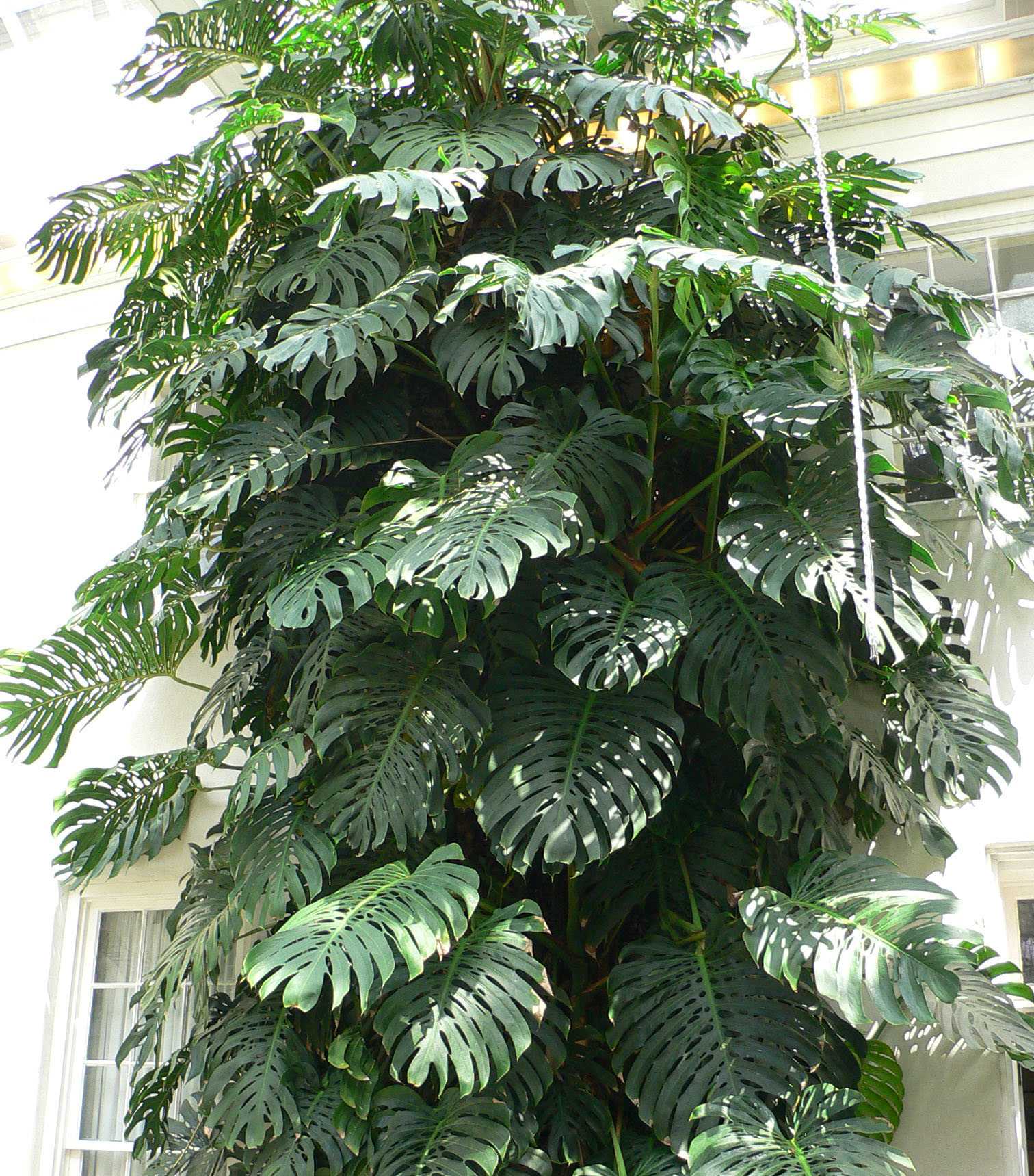
Monstera plants come from tropical regions of Central and South America. They thrive in rainforests under the canopy of larger trees.
These fascinating plants, with their iconic split leaves, have captured the hearts of plant lovers worldwide. Their natural habitat provides the perfect conditions for their growth, with high humidity and filtered sunlight. Understanding their origins can help you care for them better at home.
By replicating their tropical environment, you can ensure your Monstera flourishes. We will explore the journey of Monstera plants from the wild rainforests to our living rooms. Knowing their background will make you appreciate these stunning plants even more. Let’s dive into the world of Monsteras and discover their true roots.
Monstera Plant Overview
The Monstera plant, often known as the Swiss Cheese Plant, has unique leaves. These leaves feature natural holes and splits that add to their charm. This plant is a favorite in many homes due to its distinct look and easy care.
Introduction To Monstera
Monstera plants belong to the Araceae family. They are native to tropical regions of Central and South America. These regions provide the perfect humid environment for their growth. Monsteras can grow very large in the wild. They use their aerial roots to climb trees and spread out.
Popularity In Modern Homes
In recent years, Monstera plants have become popular in modern home decor. Their large, eye-catching leaves make a bold statement. They fit well in various interior styles, from minimalistic to bohemian. People love them for their low maintenance and stunning appearance.
Here are a few reasons why Monsteras are so popular:
- They are easy to care for.
- They can thrive in low light.
- They add a tropical feel to any room.
Adding a Monstera plant to your home can improve air quality. It also adds a touch of nature indoors. This makes it a perfect choice for plant lovers.
Native Habitat
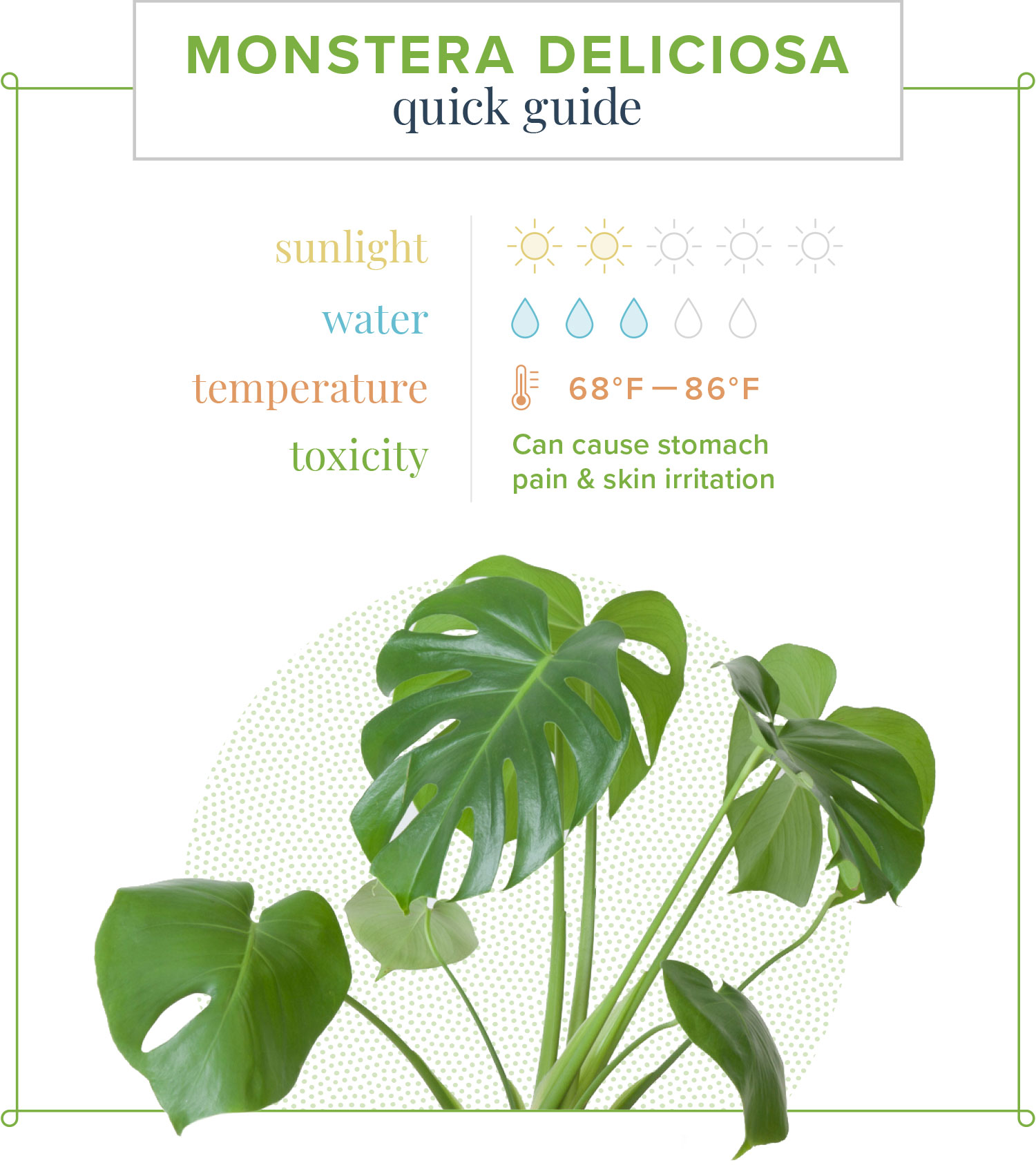
Monstera plants originate from the tropical forests of Central America. These vibrant plants thrive in humid, shaded environments.
Monstera plants, known for their iconic split leaves, have a fascinating origin. Understanding their native habitat helps in caring for them properly. Let’s explore where these stunning plants come from.Geographical Origins
Monstera plants originate from Central and South America. They thrive in countries like Mexico, Panama, and Colombia. These regions provide the perfect conditions for their growth. Monstera plants are often found in tropical rainforests.Climate And Conditions
Monstera plants love humid and warm climates. They flourish in temperatures between 68°F to 86°F. High humidity levels are essential for their well-being. In the wild, they grow under the rainforest canopy. This gives them indirect sunlight, which they prefer. Monstera plants also climb trees in their natural habitat. Their aerial roots help them attach to surfaces. This climbing habit allows them to reach for light. The rainforest floor provides rich, moist soil. This soil type is ideal for Monstera growth. Understanding these natural conditions can help you mimic them at home. This ensures your Monstera plant stays healthy and vibrant. “`Historical Background
Monstera plants, also known as Swiss cheese plants, have a rich history. They are native to the tropical rainforests of Central and South America. These plants thrive in the humid, shaded environments of the jungle. Over time, they have spread to various parts of the world.
In their native regions, Monstera plants have been part of the local ecosystem for centuries. They grow under the canopy of taller trees, absorbing moisture from the air. Their distinctive leaves with natural holes help them survive the low light conditions of the rainforest.
Ancient Uses
In ancient times, Monstera plants were not just ornamental. Indigenous people used their roots for making ropes. The plant’s fruit, known as “ceriman,” was consumed for its sweet taste. It was a valuable food source due to its high nutritional value.
The leaves of the Monstera plant also had practical uses. They were used in traditional medicine to treat various ailments. The leaves were believed to have healing properties. This practice highlights the plant’s importance in ancient cultures.
Cultural Significance
Monstera plants hold cultural significance in many societies. In Central and South America, they are often associated with growth and prosperity. The plant’s ability to thrive in challenging conditions symbolizes resilience.
In modern times, Monstera plants have gained popularity worldwide. They are common in homes and offices for their aesthetic appeal. The unique design of their leaves makes them a favorite among plant enthusiasts.
The cultural significance of Monstera plants continues to evolve. They are now symbols of modern interior design trends. Their presence in a space can create a sense of tranquility and connection to nature.
Species And Varieties
The Monstera plant, often known for its iconic split leaves, originates from tropical regions. It’s a favorite among plant enthusiasts for its unique appearance and easy care. Understanding the different species and varieties of Monstera can help you choose the right one for your home.
Common Types
One of the most popular types is Monstera Deliciosa. This variety is known for its large, fenestrated leaves. It thrives in bright, indirect light. Another common type is Monstera Adansonii, also called the Swiss Cheese Plant. It has smaller leaves with oval-shaped holes. This variety grows well in hanging baskets or as a climbing plant.
Rare Varieties
Rare Monstera varieties include Monstera Thai Constellation. This type features beautiful variegated leaves with creamy white speckles. Another rare variety is Monstera Obliqua. Known for its delicate, lace-like leaves, it requires high humidity and careful attention. Monstera Peru, with its textured, glossy leaves, is also a rare find. Each of these rare varieties offers unique beauty for any plant collection.
Ecological Role
Monstera plants, with their lush green leaves and unique patterns, are more than just ornamental houseplants. They play a vital role in their natural habitats, contributing to the balance and health of the ecosystem.
Part In The Ecosystem
Monstera plants are native to tropical rainforests in Central and South America. They thrive in the understory layer, where sunlight is scarce. Their large leaves help capture light, supporting photosynthesis. This process produces oxygen and helps maintain the atmospheric balance.
These plants also act as natural air purifiers. They absorb carbon dioxide and other pollutants, improving air quality. Their roots stabilize the soil, preventing erosion and promoting healthy forest floors.
Interactions With Wildlife
Monstera plants interact with various wildlife species. Birds, insects, and small mammals find refuge among their leaves. The plants’ flowers and fruits provide food sources for these creatures. This mutual relationship supports biodiversity and ensures the survival of many species.
For example, certain birds use Monstera leaves to build their nests. Insects pollinate the flowers, aiding in the plant’s reproduction. These interactions create a web of life, highlighting the Monstera’s importance in the ecosystem.
| Role | Details |
|---|---|
| Light Capture | Large leaves capture sunlight for photosynthesis. |
| Air Purification | Absorb pollutants and improve air quality. |
| Soil Stabilization | Roots prevent erosion and maintain forest floors. |
| Wildlife Habitat | Provide shelter and food for various species. |
- Large leaves capture light efficiently.
- Roots stabilize soil and prevent erosion.
- Provide shelter for birds and insects.
- Flowers and fruits feed wildlife.

Adaptations
Monstera plants are fascinating and resilient. They have unique adaptations that help them thrive in their natural habitats. These adaptations are key to their survival and success.
Unique Features
Monstera plants have large, heart-shaped leaves. These leaves develop holes and splits as they mature. The holes allow light to reach lower leaves. This is vital in dense forests.
Their aerial roots help them climb trees. This helps them reach sunlight. These roots also absorb moisture from the air. This is crucial in their humid environments.
Survival Mechanisms
Monstera plants can survive in low light conditions. They adjust their growth to make the most of available light. This is an important survival mechanism in their native habitats.
They have a flexible growth habit. They can grow on the ground or climb trees. This flexibility helps them find the best conditions for growth.
Their thick leaves store water. This is useful during dry spells. It ensures the plant remains hydrated and healthy.
Cultivation And Care
Monstera plants, with their striking leaves, have become a popular choice for indoor greenery. Understanding their cultivation and care is essential for keeping these tropical beauties healthy and vibrant. This section will guide you through the best growing conditions and maintenance tips for Monstera plants.
Growing Conditions
Monstera plants thrive in bright, indirect sunlight. Direct sunlight can scorch their leaves. Place them near a window with filtered light. They prefer a warm environment. Keep temperatures between 65°F and 85°F. Cold drafts can harm them. Ensure the room has good humidity. Use a humidifier if necessary.
Well-draining soil is crucial. A mix of potting soil, peat moss, and perlite works well. This combination ensures proper drainage and aeration. Water the plant when the top inch of soil is dry. Overwatering can lead to root rot.
Maintenance Tips
Regularly dust the leaves. Clean leaves can photosynthesize better. Use a damp cloth for cleaning. Prune the plant to maintain its shape. Remove any yellow or damaged leaves. This encourages new growth.
Support the plant with a moss pole or trellis. Monstera plants are natural climbers. Fertilize the plant once a month during the growing season. Use a balanced liquid fertilizer. Always follow the package instructions.
Repot the plant every two years. Choose a pot that is slightly larger. This gives the roots more space to grow. Check for pests regularly. Common pests include spider mites and scale. Treat any infestations promptly with insecticidal soap.
Global Spread
Monstera plants, also known as Swiss Cheese plants, are native to tropical regions. These stunning plants have captured the hearts of plant enthusiasts worldwide. The global spread of Monstera plants highlights their adaptability and beauty. Let’s explore how these plants have made their way to new regions and their impact on local flora.
Introduction To New Regions
Monstera plants originally hail from the rainforests of Central America. Their journey from these lush environments to homes and gardens around the world is fascinating.
Due to their striking appearance and low maintenance, Monstera plants quickly became popular. As demand grew, nurseries started cultivating them in various climates.
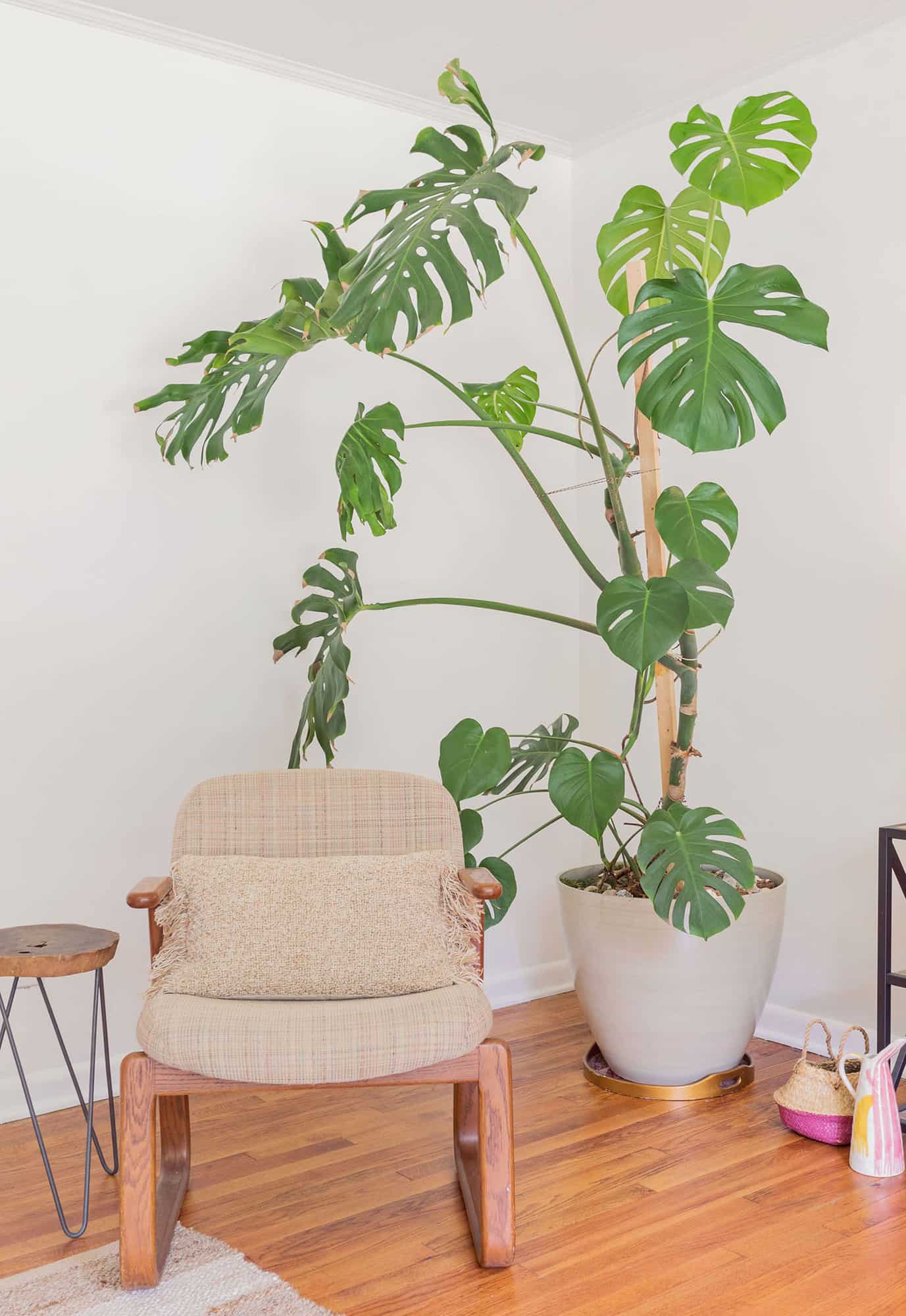
Today, you can find Monstera plants in diverse regions, from North America to Europe and Asia. They thrive in indoor settings, making them a favorite among urban gardeners.
Impact On Local Flora
Introducing Monstera plants to new regions can have significant effects on local flora. In some cases, they compete with native species for resources. This can lead to changes in the local ecosystem.
However, when cultivated responsibly, Monstera plants can coexist with local flora. They add to the diversity and beauty of gardens and indoor plant collections.
Gardeners should be mindful of the potential impact on local ecosystems. Responsible cultivation practices can help maintain the balance between introduced and native species.
| Region | Introduction Method | Impact |
|---|---|---|
| North America | Nurseries and Garden Centers | Minimal, mainly indoor cultivation |
| Europe | Horticultural Trade | Positive, enhances indoor spaces |
| Asia | Plant Enthusiasts | Varied, requires careful management |
In summary, the global spread of Monstera plants showcases their adaptability and appeal. While they bring beauty to new regions, it’s essential to consider their impact on local ecosystems.
Frequently Asked Questions
Where Do Monstera Plants Originate?
Monstera plants originate from tropical rainforests in Central and South America. They thrive in warm, humid environments.
Are Monstera Plants Native To Any Specific Country?
Yes, Monstera plants are native to countries like Mexico, Panama, and Costa Rica. They flourish in their natural habitat.
What Climate Do Monstera Plants Prefer?
Monstera plants prefer a warm, humid climate with indirect sunlight. They thrive in temperatures between 65-85°F.
Do Monstera Plants Grow In The Wild?
Yes, Monstera plants grow in the wild in tropical rainforests. They can climb trees and spread across vast areas.
Conclusion
Monstera plants have unique origins. They thrive in the tropical forests. Their beauty and ease of care make them popular. Today, they grace homes around the world. Bringing a piece of the tropics indoors. Understanding their roots helps in better care.
Enjoy your Monstera plant journey. It’s a rewarding experience. Happy planting!
Leave a Reply