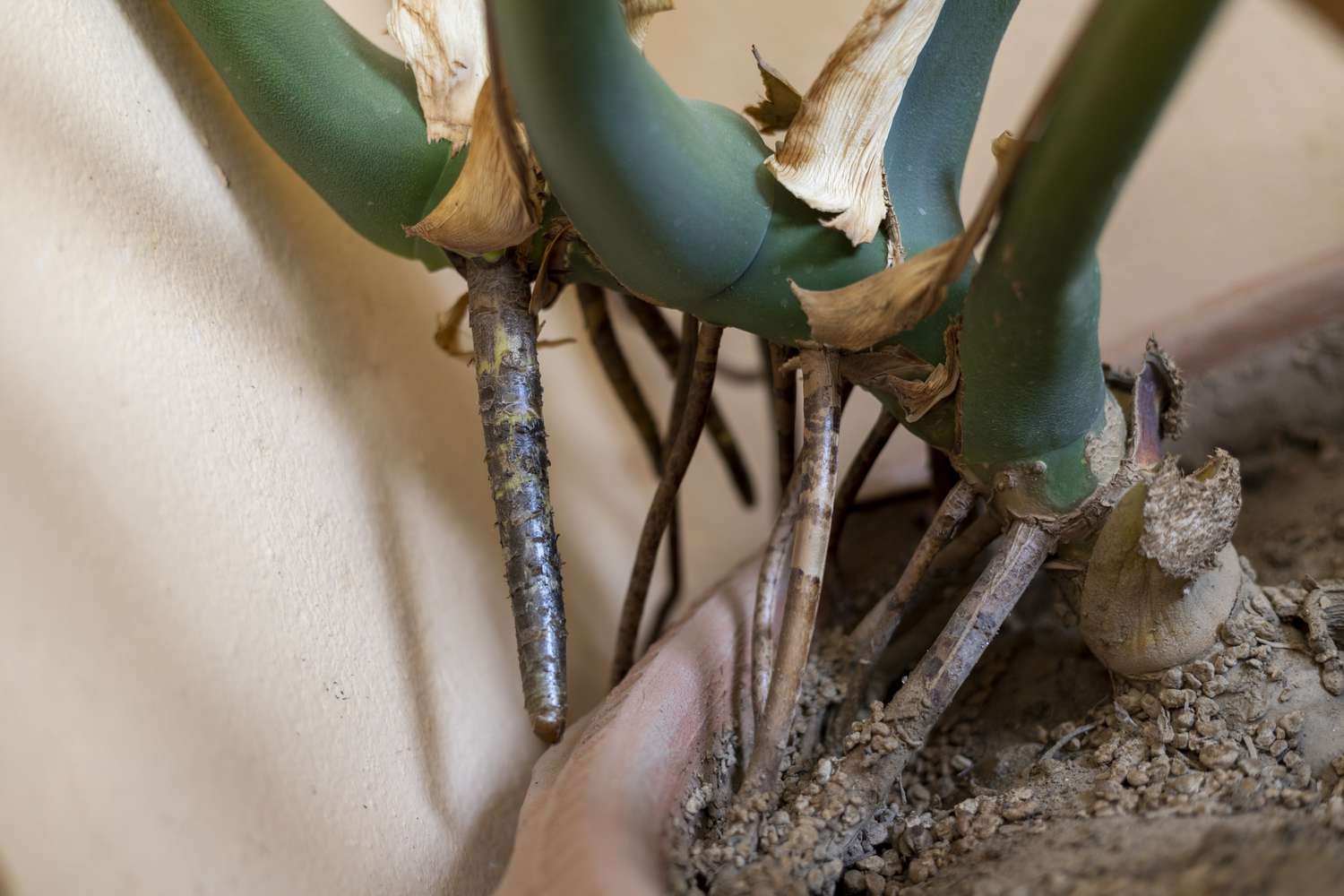
Monstera plants are famous for their large, split leaves. But why do they grow aerial roots?
These roots serve specific purposes that are crucial for the plant’s growth. Monstera aerial roots help the plant in multiple ways. They assist in climbing and support, anchoring the plant to surfaces. This behavior mimics their natural habitat, where they climb trees in rainforests.
Additionally, these roots absorb moisture and nutrients from the air, ensuring the plant thrives even in tricky conditions. Understanding why Monstera grow aerial roots can help you care for your plant better. It sheds light on their unique adaptations and how you can create an ideal environment for them at home. Let’s dive deeper into the fascinating world of Monstera aerial roots.
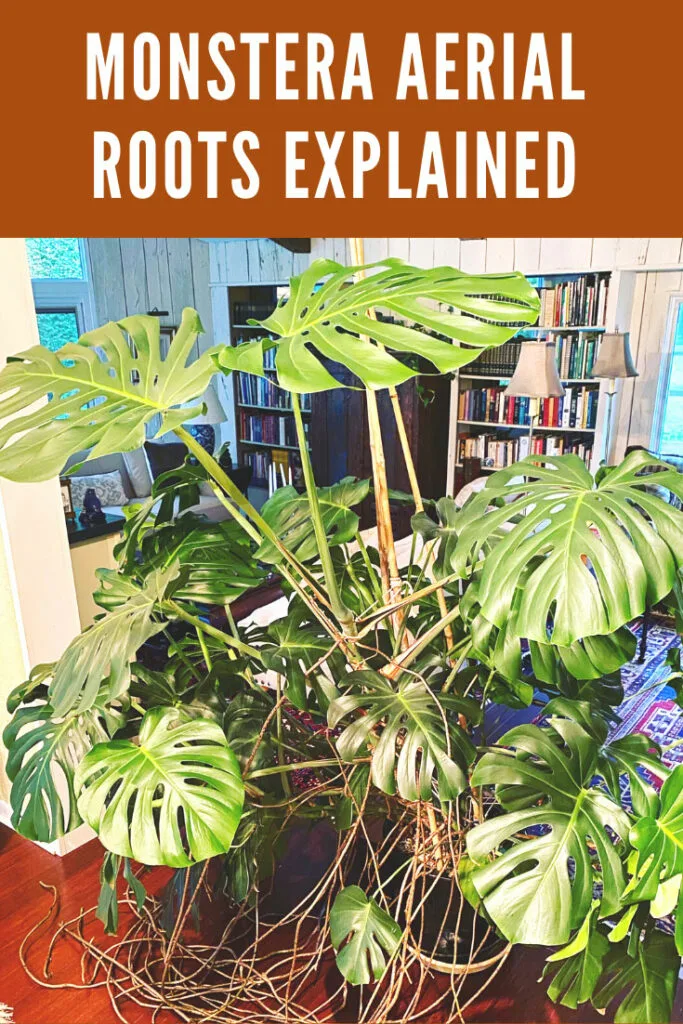
Introduction To Monstera
The Monstera plant, often called the Swiss cheese plant, is famous for its unique leaves. These leaves have natural holes and splits. Monstera plants are popular in homes and offices for their dramatic foliage. They are also known for their aerial roots.
Monstera Overview
Monstera plants originate from tropical rainforests. They are part of the Araceae family. These plants can grow both indoors and outdoors. Monstera plants have large, glossy leaves. These leaves can grow up to 3 feet wide. The aerial roots help the plant climb and absorb nutrients.
Common Varieties
- Monstera deliciosa: The most common variety. It has large leaves with deep splits and holes.
- Monstera adansonii: Known for smaller leaves with more numerous holes.
- Monstera obliqua: Rare and sought after. It has very thin leaves with large holes.
- Monstera dubia: Features small, heart-shaped leaves. It climbs and adheres closely to surfaces.
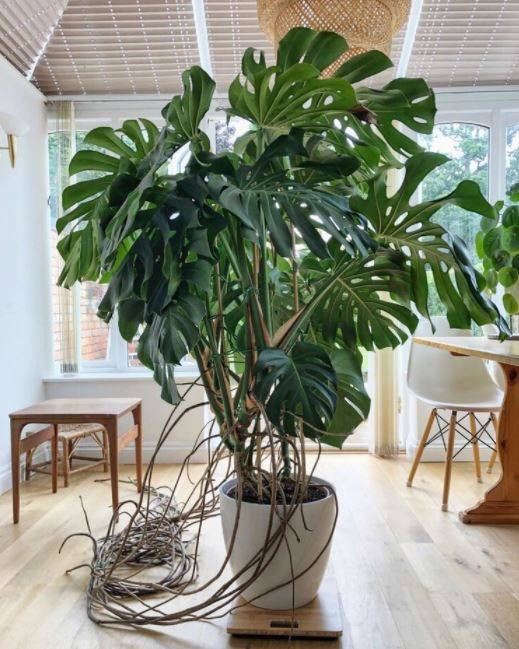
The Anatomy Of Monstera
Understanding the anatomy of Monstera plants helps explain why they grow aerial roots. These tropical plants have unique structures that make them fascinating to study. From their large leaves to their extensive root systems, every part plays a vital role.
Leaf Structure
Monstera leaves are famous for their large, split design. These splits, or fenestrations, allow light to pass through to the lower leaves. This adaptation helps the plant thrive in dense forests. The leaf structure also aids in withstanding heavy rain and strong winds.
Root System
The root system of Monstera is quite complex. It includes both terrestrial and aerial roots. Terrestrial roots grow in the soil and absorb nutrients and water. Aerial roots grow from the stem above the soil.
Aerial roots help the plant climb and anchor itself to trees. They also absorb moisture and nutrients from the air. This makes them essential for the plant’s growth and stability.
What Are Aerial Roots
Aerial roots are fascinating parts of many plants. They grow above the ground. Monstera plants are known for these roots. But what are aerial roots exactly?
Definition Of Aerial Roots
Aerial roots are roots that grow from the stem or branches. They do not grow underground like most roots. They often hang in the air or attach to surfaces. These roots help the plant in several ways.
Characteristics
Aerial roots have unique features. They are often thick and strong. They might look different from the plant’s regular roots. These roots can absorb moisture from the air. They also help the plant climb and find support.
Aerial roots have a tough outer layer. This protects them from drying out. They can grow long and spread out. These roots make the Monstera plant more stable.
Role Of Aerial Roots In Nature
Aerial roots are fascinating features of the Monstera plant. These roots grow above the ground. They play a significant role in the plant’s survival and growth in its natural habitat.
Climbing Mechanism
One of the primary functions of aerial roots is to aid in climbing. Monstera plants naturally grow in rainforests. In these environments, they need to reach for sunlight. Aerial roots help them attach to trees and other structures. This climbing ability allows the plant to grow upwards towards the light.
Imagine the Monstera in the dense jungle. It uses its aerial roots to grasp onto trees. This support system helps the plant grow taller and stronger. Without these roots, the Monstera would struggle to find light.
Nutrient Absorption
Besides climbing, aerial roots also help in nutrient absorption. These roots can absorb moisture and nutrients from the air and surrounding environment. This is crucial in the rainforest where nutrients are often scarce on the ground.
The Monstera’s aerial roots can soak up rainwater and organic matter. This additional nutrient intake supports the plant’s overall health. It allows the Monstera to thrive even in challenging conditions.
Here is a summary in table format:
| Function | Description |
|---|---|
| Climbing | Helps the plant attach to trees and grow upwards towards light. |
| Nutrient Absorption | Allows the plant to absorb moisture and nutrients from the air. |
These dual functions of aerial roots make the Monstera a resilient plant. It can adapt and flourish in its natural habitat.
Environmental Factors
Monstera plants are popular for their unique appearance and easy care. These plants often grow aerial roots, which help them thrive in their natural habitat. Environmental factors like humidity levels and light conditions play a significant role in the growth of these roots.
Humidity Levels
Monstera plants originate from tropical rainforests. These areas have high humidity. High humidity promotes the growth of aerial roots. These roots absorb moisture from the air. This helps the plant stay hydrated. In a home environment, you can mimic this by using a humidifier.
Here is a simple comparison:
| Environment | Humidity Level |
|---|---|
| Tropical Rainforest | High (70-90%) |
| Indoor Home | Variable (30-50%) |
Maintaining higher humidity levels can help your Monstera grow healthy aerial roots.
Light Conditions
Monstera plants thrive in bright, indirect light. In their natural habitat, they grow under the canopy of taller trees. This provides them with filtered sunlight. Proper light conditions encourage the growth of aerial roots.
- Bright, indirect light
- Filtered sunlight
- Avoid direct sunlight
Direct sunlight can damage the plant’s leaves. It can also hinder the growth of aerial roots. Place your Monstera near a window with sheer curtains. This allows the plant to get the light it needs without direct exposure.
In summary, providing the right humidity levels and light conditions is crucial. This ensures your Monstera grows healthy aerial roots. These roots help the plant climb and absorb moisture from the air.
Aerial Roots In Indoor Plants
Monstera plants are famous for their unique leaves and aerial roots. These roots are not just for show. They play a crucial role in the plant’s growth and health. Indoor plants like Monstera develop aerial roots for several reasons.
Support Structures
Aerial roots help Monstera plants climb and find support. In the wild, they use these roots to cling to trees. This helps them reach sunlight. Indoors, the same principle applies. The roots seek structures to attach to.
You can provide stakes or moss poles. These supports help guide the roots. This keeps the plant upright and healthy. It also helps the plant grow taller. This is essential for its development.
Training Techniques
Training Monstera plants is essential. Proper training ensures the roots grow in the right direction. You can use ties to guide the roots. Be gentle to avoid damage.
Another method is to regularly check the roots. Redirect them if they start to grow away from the support. This helps maintain the plant’s shape. It also ensures the roots provide maximum support.
Training takes time and patience. The results are worth the effort. A well-trained Monstera is both healthy and beautiful.
Benefits Of Aerial Roots
The Benefits of Aerial Roots in Monstera plants are numerous. These unique roots serve various functions that contribute to the overall health and growth of the plant. Understanding these benefits can help you care for your Monstera more effectively.
Improved Stability
Aerial roots provide improved stability for Monstera plants. In their natural habitat, these roots anchor the plant to trees. This helps the plant climb and reach for sunlight. At home, these roots help the plant stay upright. They also prevent it from tipping over.
When your Monstera grows larger, the weight increases. The aerial roots act like extra support, keeping the plant stable. This is especially useful in windy areas or if the plant gets bumped. A stable Monstera is less likely to get damaged.
Enhanced Growth
Aerial roots contribute to the enhanced growth of your Monstera. These roots absorb moisture from the air. They also help the plant take in nutrients from the soil. This leads to better growth and healthier leaves.
With proper care, your Monstera can grow faster and stronger. The aerial roots can also help the plant spread out. This makes it more visually appealing. A healthy Monstera with strong aerial roots will have larger, more vibrant leaves.
To summarize, understanding the benefits of aerial roots can improve your Monstera care routine. This will lead to a healthier, more stable, and faster-growing plant.
Common Issues
Monstera plants are known for their unique aerial roots. These roots can sometimes face issues that affect their growth. Understanding these common problems can help maintain a healthy Monstera.
Overgrowth
Overgrowth of aerial roots can be a common issue. When these roots grow too long, they may start to look messy. They can also take up too much space. This can make your plant look untidy.
To manage this, you can trim the roots. Use clean, sharp scissors. Cut them back to a more manageable length. Be careful not to cut too much. This can harm the plant.
Root Damage
Root damage can happen for various reasons. One common cause is physical injury. This can occur during repotting or moving the plant.
Damaged roots can turn brown or black. They may also become soft. If you notice this, take action quickly. Remove the damaged parts with clean scissors. Make sure to sterilize the scissors before and after use.
Another cause of root damage is pests. Check your plant regularly for signs of pests. Look for small insects or holes in the leaves. If you find any, treat the plant with a suitable pesticide.
Keeping an eye on these common issues can help your Monstera thrive. Regular care and attention will ensure your plant stays healthy and beautiful.
Care Tips For Aerial Roots
Monstera plants are known for their unique, stunning foliage and aerial roots. These roots help the plant climb and absorb moisture from the air. Proper care of these roots ensures a healthy, thriving Monstera. Let’s explore some essential tips for taking care of aerial roots.
Pruning Techniques
Pruning aerial roots can be beneficial for your Monstera. If the roots become too long or unruly, you can trim them. Use clean, sharp scissors to avoid infection. Always cut just above a node or where the root meets the stem.
- Trim roots that are over a foot long.
- Remove any damaged or dead roots.
- Prune in the growing season for best results.
Remember, pruning should be done sparingly. Only cut what is necessary to maintain the plant’s shape and health. Excessive pruning can stress the plant.
Proper Watering
Aerial roots need moisture, but too much water can harm them. Mist the roots regularly to keep them hydrated. Use a spray bottle with clean water.
Do not let the aerial roots sit in water. This can cause rot. Instead, provide humidity by placing a pebble tray with water near the plant. This helps maintain the right moisture level.
- Mist roots once a week or more if needed.
- Use a pebble tray for added humidity.
- Avoid overwatering to prevent root rot.
Following these care tips will help your Monstera thrive. Healthy aerial roots contribute to a vibrant, lush plant. Enjoy your beautiful, unique Monstera!

Frequently Asked Questions
What Are Aerial Roots On Monstera?
Aerial roots are roots that grow above the soil. They help Monstera climb and absorb moisture from the air.
Why Does My Monstera Have Aerial Roots?
Monstera develops aerial roots to support itself. They help the plant climb and access more light and nutrients.
Should I Cut Monstera Aerial Roots?
It’s not necessary to cut aerial roots. They are natural and help the plant thrive, but trimming won’t harm it.
Can Monstera Aerial Roots Be Planted?
Yes, you can plant aerial roots. They can develop into new roots when placed in soil or water.
Conclusion
Aerial roots help Monstera thrive in their natural habitat. They offer stability and support. These roots also absorb moisture and nutrients from the air. This makes Monstera healthy and strong. Understanding this can help you care for your plant better.
So, appreciate those quirky roots. They play a vital role in your Monstera’s growth and health. Happy planting!
Leave a Reply