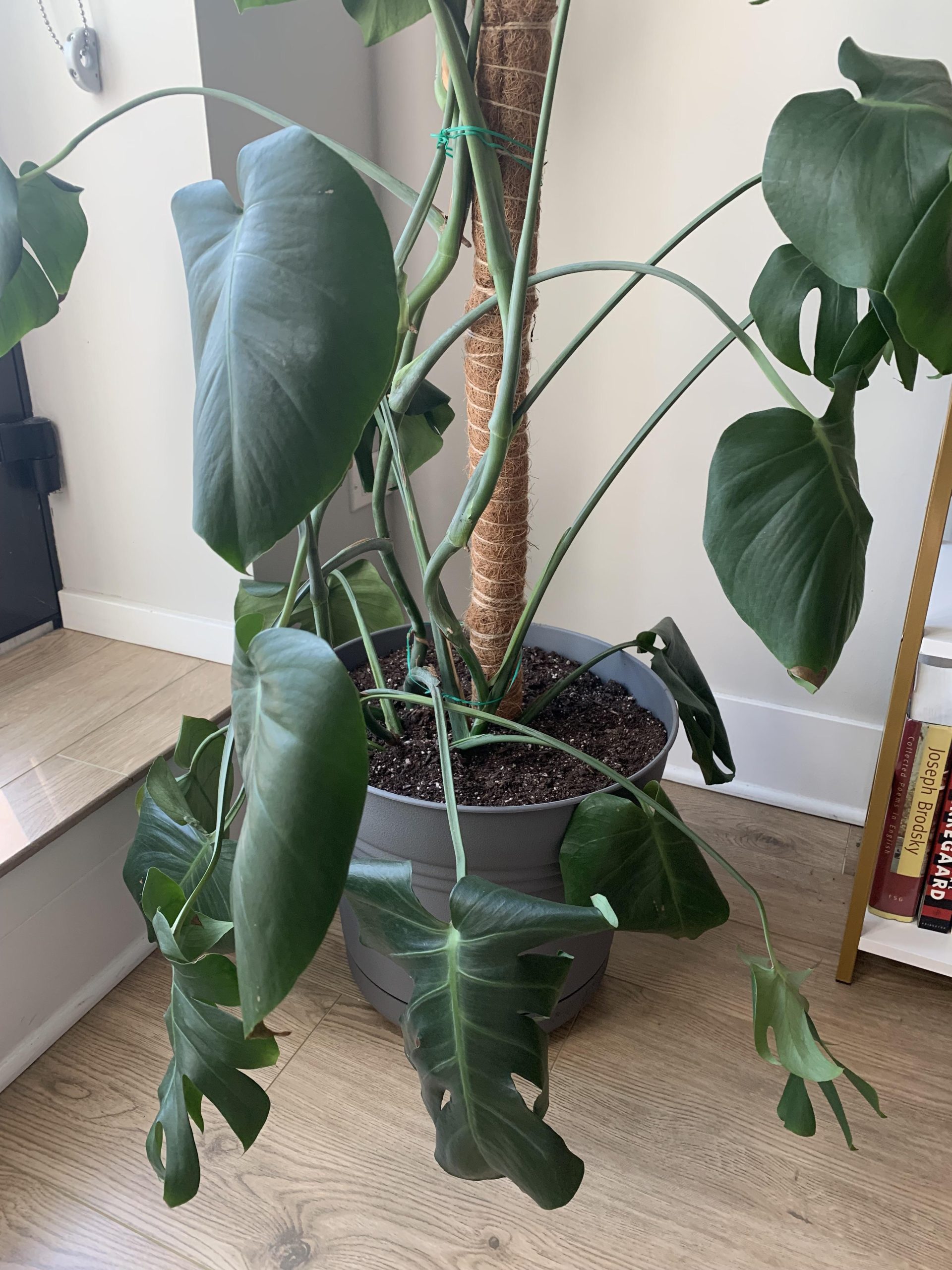
Monstera plants need water every 1-2 weeks. Soil should dry out between waterings.
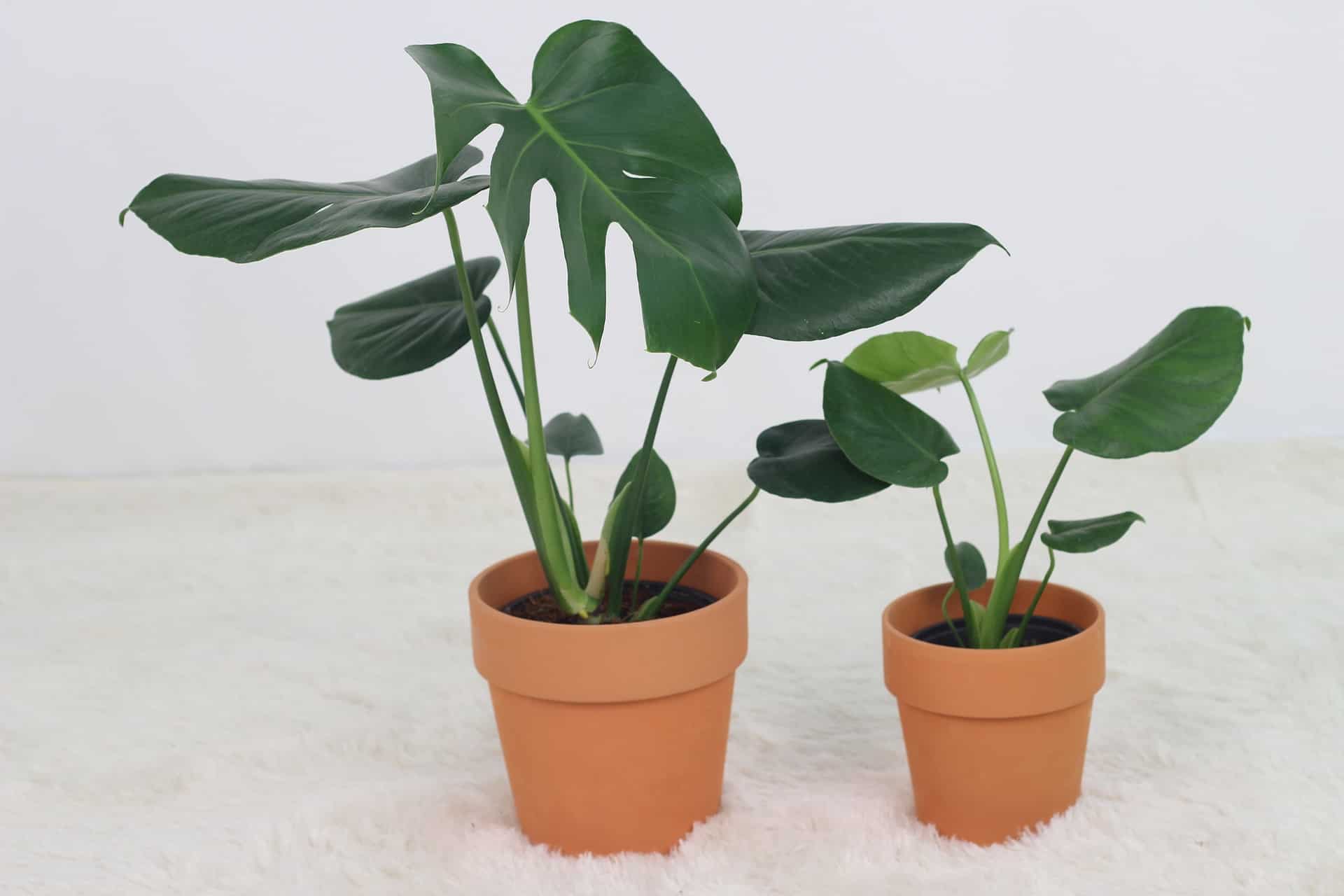
Monstera, also known as the Swiss cheese plant, is popular for its unique leaves. Understanding its water needs is crucial for healthy growth. Overwatering can lead to root rot, while underwatering can cause leaf damage. Finding the right balance is key.
Factors like light, temperature, and humidity affect how often you should water your Monstera. In this blog post, we will explore these factors in detail. You’ll learn how to check soil moisture, signs of over and underwatering, and tips for optimal watering. With the right care, your Monstera can thrive and grow beautifully. Let’s dive in to keep your plant happy and healthy.

Watering Frequency
Understanding the watering frequency for your Monstera is crucial for its health. Overwatering or underwatering can harm this popular houseplant. With the right schedule, your Monstera will thrive.
Ideal Schedule
Water your Monstera every 1-2 weeks. Check the soil first. Use your finger to feel the top 2 inches of soil. If it’s dry, it’s time to water. If still moist, wait a few more days.
In general, Monsteras prefer their soil to dry out between waterings. This mimics their natural environment. Always use well-draining soil and a pot with drainage holes.
Seasonal Variations
Water needs change with the seasons. In spring and summer, Monsteras grow more. They need more water during these active growth periods.
In fall and winter, Monsteras enter a dormant phase. Water them less often. Adjust your schedule to every 2-4 weeks.
Use a consistent routine. Always check the soil before watering. This prevents both overwatering and underwatering.
| Season | Watering Frequency |
|---|---|
| Spring | Every 1-2 weeks |
| Summer | Every 1-2 weeks |
| Fall | Every 2-4 weeks |
| Winter | Every 2-4 weeks |
Remember, your Monstera’s water needs can vary. Factors like pot size, humidity, and light levels matter. Always monitor your plant and adjust as needed.
Signs Of Underwatering
Keeping your Monstera plant healthy requires understanding its watering needs. Underwatering can cause several visible signs. Recognizing these signs helps ensure your Monstera thrives.
Wilting Leaves
One of the first signs of underwatering is wilting leaves. Your Monstera’s leaves may droop and lose their firmness. They might also turn yellow or brown at the edges. This happens because the plant lacks sufficient moisture to stay hydrated.
Wilting can also cause the leaves to appear limp and lifeless. This is a clear signal that your Monstera needs water. Ensure you check the soil moisture to confirm underwatering.
Dry Soil
Another sign of underwatering is dry soil. If the soil feels dry to the touch, your Monstera likely needs water. Insert your finger about an inch into the soil. If it feels dry, it’s time to water your plant.
Dry soil can also become compacted and hard. This makes it difficult for the roots to absorb water when you do water the plant. Regularly checking the soil moisture can prevent this issue.
| Signs | Description |
|---|---|
| Wilting Leaves | Leaves droop, lose firmness, and may turn yellow or brown. |
| Dry Soil | Soil feels dry to the touch and may become hard. |
Pay attention to these signs to keep your Monstera healthy. Proper watering ensures your plant stays vibrant and beautiful.
Signs Of Overwatering
Overwatering can be harmful to your Monstera. Knowing the signs helps keep your plant healthy. Two main signs indicate overwatering: yellowing leaves and root rot.
Yellowing Leaves
Yellow leaves often mean too much water. Waterlogged soil prevents roots from getting oxygen. This lack of oxygen causes leaves to turn yellow. Check the soil. If it is constantly wet, reduce watering frequency.
Root Rot
Root rot is another sign of overwatering. Roots sit in water and start to rot. This can kill your plant. To spot root rot, look for mushy, black roots. Also, the plant may have a foul smell. Remove the plant from the pot. Check the roots. Cut away any rotten parts. Repot in fresh, well-draining soil.
Watering Techniques
Watering techniques play a crucial role in the health of your Monstera plant. Ensuring proper watering habits can prevent issues like root rot or dehydration. Let’s explore some effective methods to keep your Monstera thriving.
Soil Moisture Check
Before watering, always check the soil moisture. Insert your finger about an inch into the soil. If it feels dry, it’s time to water. Alternatively, use a moisture meter. This tool gives an accurate reading of the soil’s moisture level.
Proper Watering Method
When watering, pour water until it flows out of the drainage holes. This ensures even moisture distribution. Avoid letting your Monstera sit in standing water. This can cause root rot. Empty the saucer under the pot after watering.
Choosing The Right Water
Choosing the right water for your Monstera plant is crucial. The type of water you use can impact your plant’s health and growth. Below, we will discuss different types of water and their suitability for your Monstera.
Tap Water
Tap water is the most accessible option for most people. But, it can contain chemicals like chlorine and fluoride. These chemicals might harm your Monstera over time. If you use tap water, let it sit for 24 hours before using it. This allows some chemicals to evaporate. You can also boil the water to remove impurities.
Filtered Water
Filtered water is another good option for your Monstera. It removes many harmful chemicals found in tap water. Using filtered water can result in healthier plants. You can use a home filtration system or buy filtered water from stores. This water type is especially beneficial if your tap water is hard or has a high mineral content.
Humidity Requirements
The humidity requirements of a Monstera plant are essential for its health. Monstera loves a tropical environment. It thrives in higher humidity levels, usually between 60% and 80%. These conditions mimic its natural habitat, making it easier for the plant to grow robustly. Ensuring the right humidity levels can prevent common issues like brown leaf edges.
Maintaining Humidity
To maintain proper humidity for your Monstera, you can use various methods. One simple way is to group your houseplants together. This creates a microenvironment with higher humidity. You can also place a tray filled with water and pebbles under the plant. The evaporating water will increase the moisture in the air around the Monstera.
Another effective method is misting the leaves. Use a spray bottle to lightly mist the plant every few days. This can help keep the leaves hydrated. But be careful not to overdo it, as excessive moisture can lead to fungal issues.
Using Humidifiers
Using a humidifier is one of the best ways to maintain a consistent humidity level. Choose a humidifier that is suitable for the size of your room. Place it near the Monstera, but not too close. A distance of about 3-5 feet is ideal. This ensures the plant receives enough moisture without getting waterlogged.
Set the humidifier to a level that maintains around 60-80% humidity. Monitor the humidity levels using a hygrometer. This device will help you keep track of the air moisture and make adjustments as needed. Remember, consistent humidity is key to a healthy Monstera.
Potting And Soil
Understanding the right potting and soil for your Monstera plant is crucial. The proper combination ensures healthy growth and helps in managing the water needs. Let’s explore the key aspects of potting and soil for Monstera, focusing on drainage and soil types.
Drainage Importance
Good drainage is vital for Monstera plants. Without it, water can pool at the bottom of the pot, leading to root rot. To prevent this, make sure your pot has drainage holes.
Here are some tips for ensuring proper drainage:
- Use pots with multiple drainage holes.
- Add a layer of small stones or gravel at the pot’s base.
- Avoid using pots without drainage holes.
Soil Types
Choosing the right soil is just as important as drainage. Monstera prefers a soil mix that is both rich and well-draining.
Here are some types of soil mixes that work well for Monstera:
- A mix of peat moss, pine bark, and perlite.
- Commercial potting soil blended with cactus mix.
- Equal parts of potting soil, orchid bark, and perlite.
Here’s a simple recipe for a Monstera soil mix:
1 part peat moss
1 part perlite
1 part orchid bark
This mix ensures good aeration and retains moisture without becoming waterlogged.

Common Mistakes
Caring for a Monstera plant can be challenging, especially for beginners. Many people make common mistakes that affect the health of their plants. Understanding these mistakes can help you avoid them and ensure your Monstera thrives.
Overwatering
Overwatering is one of the most frequent mistakes. Monstera plants do not like to sit in water. Their roots can rot if they stay wet for too long. To avoid this, always check the soil before watering. Stick your finger into the soil. If the top inch is dry, it is time to water. If not, wait a few days and check again.
Using a pot with good drainage is also important. Without proper drainage, water can accumulate at the bottom of the pot. This leads to root rot. Make sure your pot has holes at the bottom. You can also add some pebbles to the bottom of the pot to improve drainage.
Ignoring Humidity
Ignoring humidity is another common mistake. Monstera plants are native to tropical forests. They thrive in humid conditions. If the air in your home is too dry, your Monstera may suffer. You can increase humidity by misting the leaves with water. Do this a few times a week.
Another way to boost humidity is to place your Monstera near other plants. Grouping plants together creates a micro-environment with higher humidity. You can also use a humidifier to maintain the right moisture level in the air.
| Common Mistakes | Solutions |
|---|---|
| Overwatering | Check soil moisture before watering. Use pots with good drainage. |
| Ignoring Humidity | Mist leaves, group plants together, or use a humidifier. |
Frequently Asked Questions
How Often Should I Water My Monstera?
Water your Monstera once a week. Ensure the top 1-2 inches of soil are dry before watering. Adjust frequency based on humidity and season.
What Are The Signs Of Overwatering Monstera?
Yellowing leaves and root rot are signs of overwatering. If you notice these, reduce the watering frequency and check soil drainage.
How Do I Know If My Monstera Is Thirsty?
Drooping leaves and dry soil indicate a thirsty Monstera. Water thoroughly when the top 1-2 inches of soil are dry.
Can I Mist My Monstera Instead Of Watering?
Misting can supplement humidity but can’t replace watering. Mist to maintain humidity but water the soil to keep the plant healthy.
Conclusion
Watering a Monstera isn’t hard. Watch the soil’s moisture. Water when the top inch feels dry. Adjust based on season and climate. Too much water harms the plant. Not enough makes it wilt. Consistency is key. Monitor your Monstera’s needs.
Healthy plants thrive with care and attention. Happy watering!
Leave a Reply