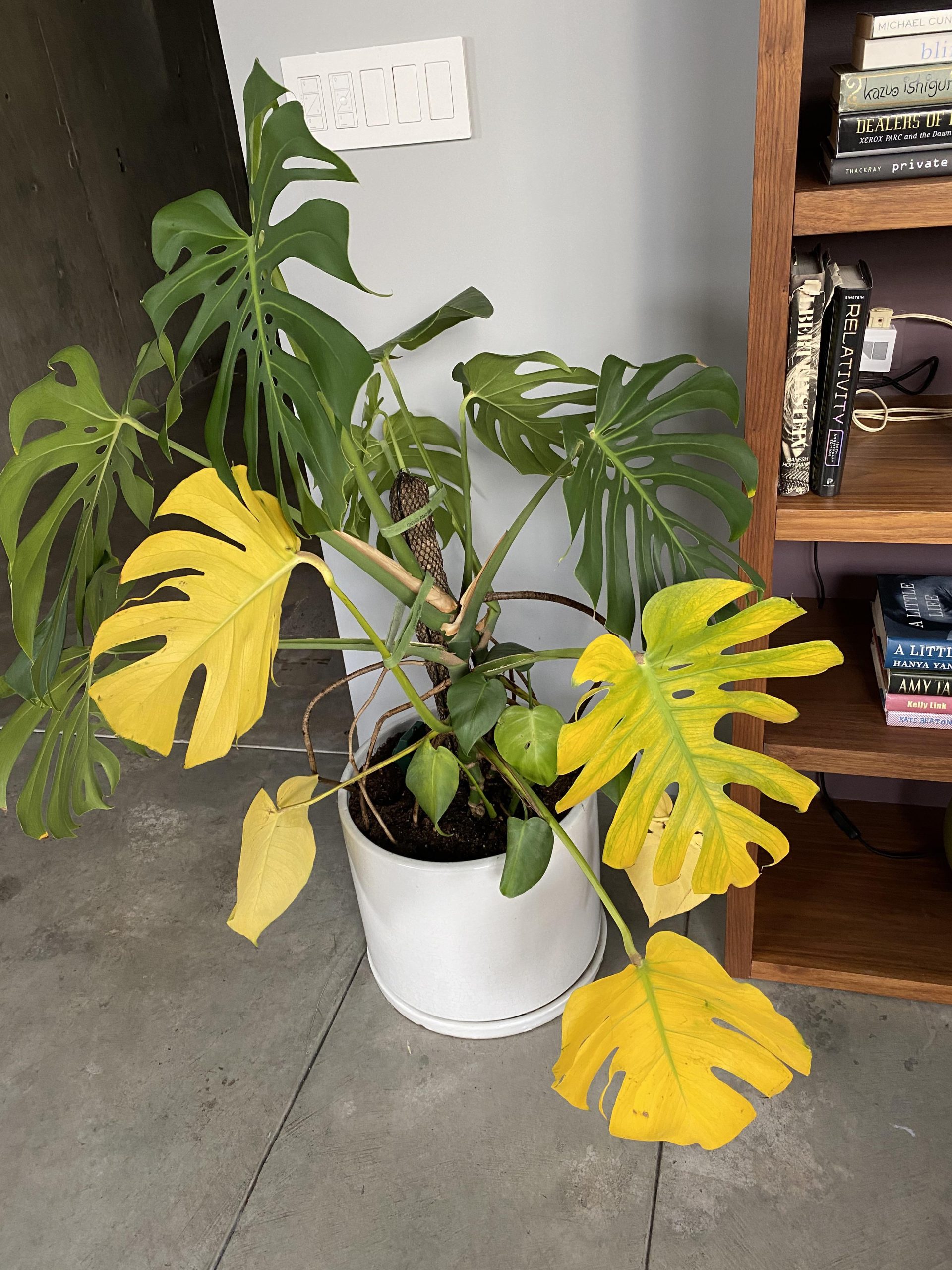
When a Monstera leaf turns yellow, it’s a sign of trouble. It can worry any plant lover.
Monstera plants are popular for their unique leaves and easy care. But even these hardy plants can show distress. Yellowing leaves are a common issue and can stem from several causes. Understanding why this happens is key to saving your plant.
Yellow leaves might mean overwatering, pests, or other problems. Don’t panic. With some care and attention, you can help your Monstera thrive again. Let’s explore the common reasons for yellow leaves and how to fix them. You’ll soon be able to keep your plant healthy and green.
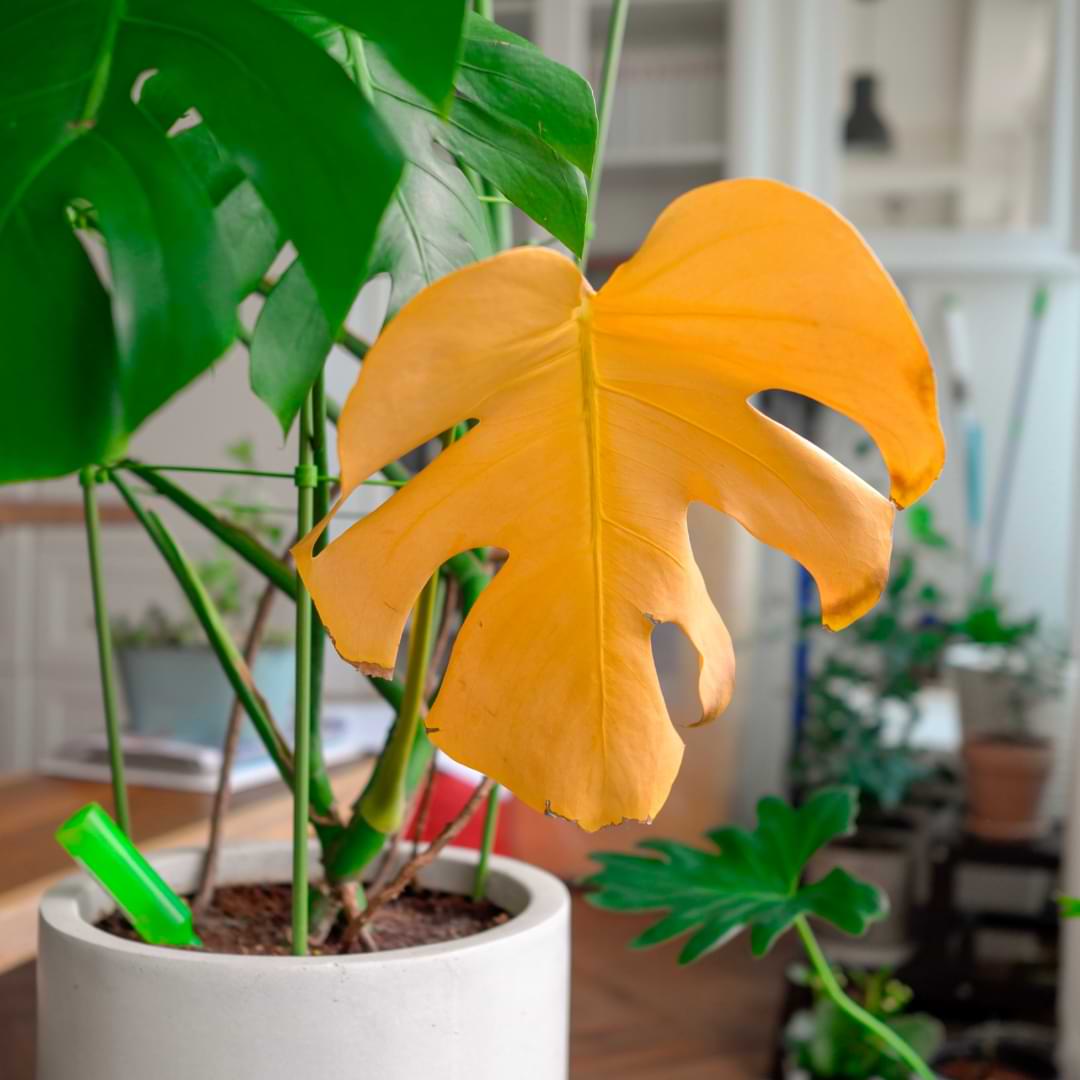
Identifying Yellowing Leaves
Noticing a yellowing leaf on your Monstera can be concerning. Yellow leaves can be an early sign of a problem. It’s important to understand the root cause. Here, we’ll cover the early signs and common causes of yellowing leaves.
Early Signs
Yellowing leaves often start with subtle changes. You might see:
- Small yellow spots
- Yellow edges on the leaf
- Yellow veins with green areas
Catching these early can help you save your plant.
Common Causes
Several factors can cause Monstera leaves to turn yellow. The most common are:
| Cause | Description |
|---|---|
| Overwatering | Too much water can drown the roots. This leads to yellow leaves. |
| Underwatering | Lack of water stresses the plant. This also turns leaves yellow. |
| Light Issues | Too much direct sunlight or too little light can cause yellowing. |
| Nutrient Deficiency | Lack of essential nutrients, especially nitrogen, can result in yellow leaves. |
| Pests | Insects like spider mites and aphids can damage leaves, causing yellowing. |
Recognizing these causes can help you take the right action. Proper care will keep your Monstera healthy and green.
:max_bytes(150000):strip_icc()/Why-Are-My-Monstera-Leaves-Turning-Yellow-b2cd94a10c184ae6a214790c893344f7.jpg)
Possible Reasons For Yellowing
Yellowing Monstera leaves can be a cause for concern. They might indicate a problem with the plant’s health. Understanding the possible reasons can help you address the issue effectively. Let’s explore some common causes of yellowing leaves.
Overwatering
Overwatering is a frequent cause of yellow Monstera leaves. Excessive water can lead to root rot. This prevents the plant from absorbing nutrients properly. The leaves turn yellow as a result. Ensure the soil is well-draining. Water the plant only when the top inch of soil is dry.
Underwatering
Underwatering can also cause yellowing leaves. When a Monstera doesn’t get enough water, it can’t maintain its health. The leaves may turn yellow and wilt. Check the soil moisture regularly. Water the plant thoroughly when the soil feels dry.
Nutrient Deficiencies
Yellow Monstera leaves often signal nutrient deficiencies. Check soil for balance and consider adding fertilizer. Ensure proper watering to maintain plant health.
Nutrient deficiencies can cause yellow leaves on a Monstera plant. Plants need specific nutrients to thrive. A lack of these nutrients can lead to various problems. Understanding these needs helps keep Monstera leaves green and healthy.Essential Nutrients
Monsteras need nitrogen, potassium, and magnesium. Each nutrient plays a role in plant health. Nitrogen helps with leaf growth. Potassium supports overall plant health. Magnesium is vital for photosynthesis. Providing these nutrients can prevent yellow leaves.Signs Of Deficiency
Nitrogen deficiency can cause yellowing of older leaves. The leaves may turn pale and drop. Potassium deficiency may cause yellow edges on leaves. The yellowing starts at the tips. Magnesium deficiency shows as yellow spots between veins. The veins remain green. Recognizing these signs helps in fixing the nutrient imbalance.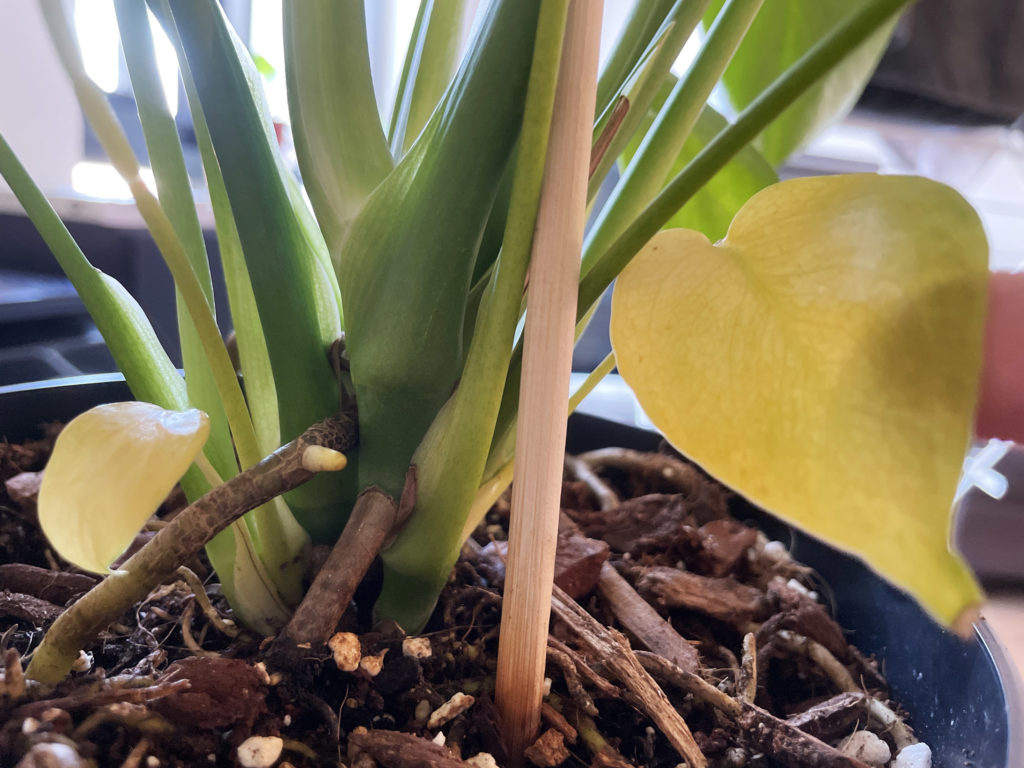
Lighting Conditions
Lighting conditions play a crucial role in the health of your Monstera plant. Monstera leaves can turn yellow due to improper lighting. Ensuring the right amount of light is essential for their vibrant green color.
Optimal Light
Monstera plants thrive in bright, indirect light. Direct sunlight can scorch the leaves, causing them to turn yellow. Place your Monstera near a window with filtered light. A sheer curtain can help diffuse direct sunlight.
Ensure the plant receives at least 6-8 hours of light daily. Insufficient light can also cause yellowing leaves. If natural light is limited, consider using grow lights. A balanced light source promotes healthy growth and vibrant leaves.
Adjusting Light Exposure
If your Monstera’s leaves are yellowing, assess its current lighting conditions. Move the plant to a brighter spot if it lacks light. Avoid placing it in direct sunlight to prevent leaf burn.
Use the following table to adjust light exposure:
| Condition | Action |
|---|---|
| Too Much Direct Sunlight | Move to a spot with filtered light |
| Insufficient Light | Relocate to a brighter area or use grow lights |
Regularly rotate your Monstera to ensure even light distribution. This prevents one side from receiving too much light while the other remains shaded. Consistent lighting helps maintain healthy, green leaves.
Soil And Root Health
When a Monstera leaf turns yellow, soil and root health are crucial factors. Healthy roots and soil ensure the plant gets the nutrients it needs. Let’s dive into how soil quality and root inspection can help your Monstera thrive.
Soil Quality
Good soil is essential for a healthy Monstera. The soil should be well-draining and rich in organic matter. Use a potting mix designed for indoor plants.
- Choose a soil mix with peat, perlite, and pine bark.
- Avoid heavy, compacted soils.
- Ensure the soil pH is between 5.5 and 7.
Watering also affects soil quality. Too much water can cause root rot. Ensure the pot has drainage holes to prevent waterlogging.
Root Inspection
Inspecting the roots can reveal underlying issues. Start by gently removing the plant from its pot.
- Look for healthy, white roots. These indicate good health.
- Check for brown or mushy roots. These are signs of root rot.
- Trim any damaged or diseased roots with sterilized scissors.
After trimming, replant your Monstera in fresh, well-draining soil. Keep the plant in indirect sunlight and monitor its water needs closely.
Remember, healthy soil and roots are the foundation of a thriving Monstera. Regular checks can prevent yellow leaves and keep your plant happy.
Pest And Disease Management
Yellowing Monstera leaves can be a sign of pest and disease issues. Effective pest and disease management is crucial to maintaining your plant’s health. Identifying common pests and understanding disease symptoms can help you take prompt action to save your Monstera.
Common Pests
Several pests can attack Monstera plants. Spider mites are tiny and hard to see. They spin webs on the undersides of leaves. Scale insects appear as small, brown bumps on stems and leaves. Mealybugs look like tiny cotton balls. They gather in leaf joints and stems. Aphids are small, green insects that suck sap from the plant. Regular inspection helps catch these pests early.
Disease Symptoms
Diseases can cause yellowing leaves. Root rot is a common issue. It occurs due to overwatering. The roots become mushy and black. Leaf spot disease causes dark, water-soaked spots on leaves. Bacterial blight leads to yellow and brown streaks. Fungal infections cause leaf spots and mold. Treating these diseases early is vital. Remove affected leaves and improve air circulation.
Proper Watering Techniques
Proper watering is essential for the health of your Monstera plant. Incorrect watering can lead to yellow leaves. Understanding the right techniques can save your plant. This section will guide you on how to water your Monstera correctly.
Watering Schedule
Establishing a consistent watering schedule is crucial. Water your Monstera once a week. Check the soil before watering. The top inch should be dry. Overwatering can cause root rot. This leads to yellow leaves.
Underwatering can also harm your plant. It can cause the leaves to turn yellow. Always monitor the soil moisture. Adjust your watering schedule based on the season. During winter, your plant needs less water.
Water Quality
Water quality affects your Monstera’s health. Use filtered or distilled water. Tap water can contain chlorine and fluoride. These chemicals can harm your plant. They can cause yellow leaves.
Room temperature water is best. Cold water can shock the roots. Let the water sit out overnight before using. This allows chemicals to dissipate. Your Monstera will thrive with the right water quality.
Preventive Measures
Preventive measures are essential to ensure your Monstera plant stays healthy. Regular maintenance and a healthy environment are key to preventing yellow leaves. Let’s dive into the specifics.
Regular Maintenance
Regular maintenance is crucial for a thriving Monstera. Here are some tips:
- Watering: Ensure the soil is moist but not soggy. Water when the top inch is dry.
- Pruning: Remove dead or damaged leaves. Use clean, sharp scissors.
- Cleaning: Wipe leaves with a damp cloth. This removes dust and pests.
- Fertilizing: Feed your plant every month during the growing season. Use a balanced, water-soluble fertilizer.
Healthy Environment
A healthy environment is vital for your Monstera. Consider these factors:
| Factor | Recommendation |
|---|---|
| Light | Bright, indirect light. Avoid direct sunlight. |
| Temperature | 65-85°F (18-29°C). Avoid cold drafts. |
| Humidity | 60% or higher. Use a humidifier if needed. |
| Soil | Well-draining mix. Consider adding perlite or orchid bark. |
Maintaining these conditions helps prevent yellow leaves. Keep an eye on your plant and adjust as needed.
When To Seek Expert Help
Sometimes, yellowing leaves on your Monstera plant indicate a problem beyond basic care. If you’ve tried adjusting light, water, and soil, but the leaves continue to turn yellow, it might be time to seek expert help. Professional advice can save your plant and provide peace of mind.
Professional Advice
An expert can diagnose the specific issues affecting your Monstera. They may identify problems such as root rot, pests, or nutrient deficiencies. To find the right expert, look for a certified plant specialist or a reputable nursery in your area.
- Root Rot: Often caused by overwatering, leading to yellow leaves.
- Pests: Common pests include spider mites and aphids.
- Nutrient Deficiencies: Lack of essential nutrients can cause yellowing.
Advanced Care
Sometimes, your Monstera needs advanced care that only an expert can provide. This may involve specialized treatments or changes to your plant’s environment.
| Issue | Advanced Care Tips |
|---|---|
| Root Rot | Repot with fresh soil and a fungicide treatment. |
| Pests | Use insecticidal soap or neem oil to treat infestations. |
| Nutrient Deficiencies | Apply a balanced fertilizer according to the expert’s advice. |
Consulting a professional ensures your Monstera gets the best care. Your plant will thrive with the right attention and treatments.
Frequently Asked Questions
Why Is My Monstera Leaf Turning Yellow?
Yellowing Monstera leaves can be caused by overwatering, poor light, or nutrient deficiencies. Assess your plant’s care routine.
How Do I Fix Yellow Monstera Leaves?
To fix yellow Monstera leaves, adjust watering, ensure proper light, and check for pests. Prune damaged leaves.
Can Yellow Monstera Leaves Turn Green Again?
Yellow Monstera leaves usually do not revert to green. Trim them to encourage new, healthy growth.
Is It Normal For Monstera Leaves To Yellow?
Occasional yellow leaves on a Monstera are normal. If many leaves yellow, inspect care conditions for issues.
Conclusion
Caring for a yellowing Monstera leaf isn’t hard. Check for common issues like overwatering or lack of light. Adjust your plant care routine. Ensure proper drainage and balanced light. Trim affected leaves to promote new growth. Keep an eye on your plant’s health.
Consistency in care is key. Yellow leaves are a sign. Act promptly to restore your Monstera’s vitality. With a little attention, your plant will thrive again. Stay patient and observant. Your Monstera can become lush and green once more. Follow these tips and enjoy a healthy, vibrant plant.
Leave a Reply