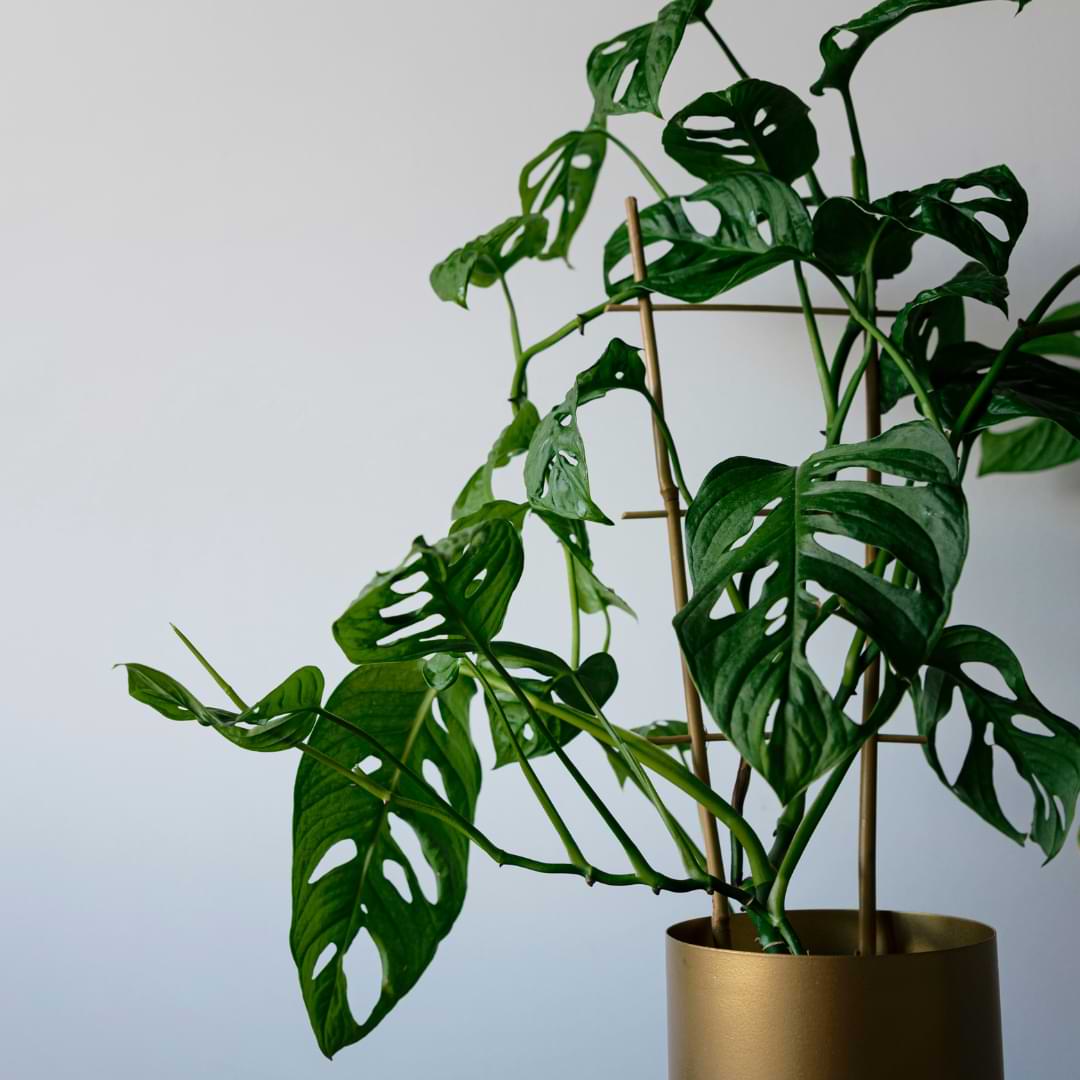
Monstera plants are beautiful but can be dangerous for dogs. Even a small bite can harm your pet.
Monstera plants, with their large, glossy leaves, are a favorite among plant lovers. But did you know they can be toxic to dogs? If your furry friend chews on a Monstera leaf, it can lead to serious health issues. Symptoms might include drooling, vomiting, and difficulty swallowing.
It’s important to be aware of the risks and take steps to keep your pets safe. In this post, we will discuss just how toxic Monstera is to dogs and what you can do to prevent any accidents. Let’s ensure our homes are safe for our beloved pets.
Introduction To Monstera Plants
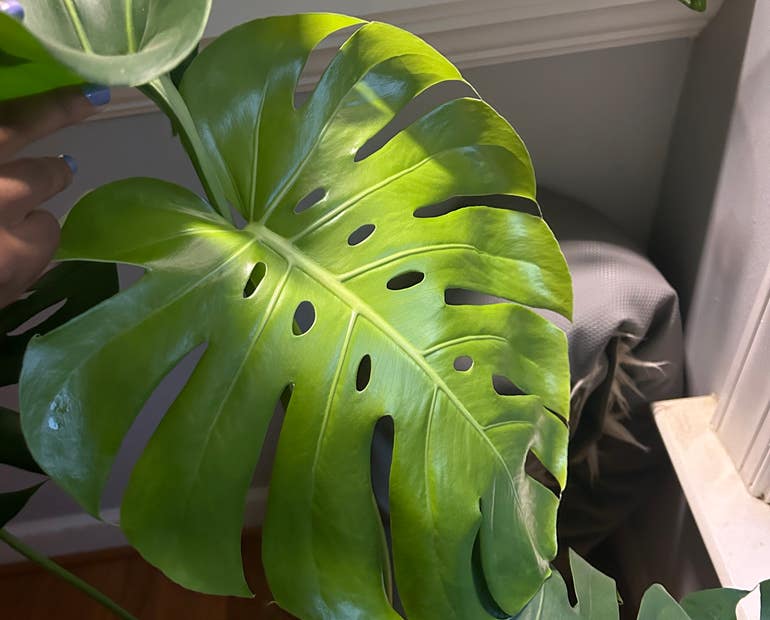
Monstera plants are popular indoor plants. Their large, split leaves add a tropical touch to any space. Many plant lovers adore them. But, pet owners should be cautious. Monstera plants can be toxic to dogs.
Popular Varieties
Monstera plants come in several varieties. Each has unique features.
- Monstera Deliciosa: Known for its large, perforated leaves.
- Monstera Adansonii: Smaller, with many holes in the leaves.
- Monstera Obliqua: Rare, with delicate and thin leaves.
Indoor Vs. Outdoor Growth
Monstera plants can grow both indoors and outdoors. Indoor plants need bright, indirect light. They thrive in warm and humid conditions. Outdoor growth requires a shaded spot. Direct sunlight can harm the leaves. Always consider your climate before planting outdoors.
Monstera plants are beautiful. Yet, they need care, especially if you have pets. Always ensure your pets are safe. Know the risks and enjoy your green space.
Why Monstera Plants Can Be Toxic
Monstera plants, popular for their striking appearance, can pose a risk to pets. Though they add beauty to homes, they contain toxic compounds. Knowing why Monstera plants can be toxic helps in protecting our furry friends.
Chemical Components
Monstera plants contain calcium oxalate crystals. These tiny, sharp crystals can cause irritation. When ingested, they can damage tissues in the mouth, throat, and stomach. The plant’s sap can also cause skin irritation in pets.
Effects On Pets
Ingesting Monstera can cause severe symptoms in dogs. Common signs include drooling, vomiting, and difficulty swallowing. Pets may also show signs of mouth pain and swelling. In severe cases, it can lead to breathing difficulties.
Immediate veterinary care is crucial. The vet may suggest rinsing the pet’s mouth and giving medications. Avoiding Monstera plants in homes with pets is the best prevention.
Symptoms Of Monstera Poisoning In Dogs
Monstera plants are popular for their exotic look. But they are toxic to dogs. If your dog eats Monstera, it can show different symptoms. These symptoms can be mild or severe.
Mild Symptoms
Some dogs may show mild symptoms after eating Monstera. These signs are less serious but need attention. Watch for the following:
- Drooling
- Mild vomiting
- Pawing at the mouth
- Decreased appetite
- Swelling around the mouth
Drooling is a common sign. Your dog may drool more than usual. Mild vomiting can also happen. This may occur once or twice. If your dog is pawing at the mouth, it could be in discomfort. Decreased appetite is another sign. Your dog may not want to eat. Swelling around the mouth can occur. This means the plant has irritated the mouth.
Severe Symptoms
In some cases, Monstera poisoning can be severe. These symptoms are more serious and need urgent care. Look for the following signs:
- Severe vomiting
- Difficulty swallowing
- Breathing problems
- Intense pain
- Oral ulcers
Severe vomiting means your dog is very sick. Difficulty swallowing can make eating and drinking hard. If your dog has breathing problems, it is an emergency. Intense pain is another sign of severe poisoning. Your dog may show signs of distress. Oral ulcers are sores in the mouth. They can be very painful.
If your dog shows any of these symptoms, contact your vet. Quick action can help your dog recover.

Immediate Actions If Your Dog Ingests Monstera
Monstera contains calcium oxalates, which are toxic to dogs in large amounts. Seek immediate veterinary care if ingestion occurs. Monitor for symptoms like drooling, vomiting, or difficulty swallowing.
If your dog eats a Monstera plant, act quickly. The plant is toxic to dogs. Immediate action can prevent serious health issues.First Aid Steps
1. Remove Plant Material: Check your dog’s mouth. Remove any plant pieces. Use a cloth if needed. 2. Rinse Mouth: Rinse your dog’s mouth. Use clean, cold water. This helps reduce irritation. 3. Offer Water: Encourage your dog to drink. This helps flush toxins. 4. Monitor Symptoms: Watch for signs of distress. Look for drooling, vomiting, or trouble breathing. 5. Stay Calm: Keep your dog calm. Stress can worsen symptoms.When To Call The Vet
– Severe Symptoms: Call the vet if symptoms are severe. Look for swelling, pain, or difficulty breathing. – Persistent Issues: Seek help if symptoms persist. Vomiting or diarrhea for more than a day needs attention. – Uncertainty: Call the vet if unsure. Always better to be safe.| Symptom | Severity | Action |
|---|---|---|
| Drooling | Mild | Rinse mouth, monitor |
| Vomiting | Moderate | Offer water, call vet |
| Difficulty Breathing | Severe | Immediate vet care |
Preventive Measures
Monstera plants are toxic to dogs. Preventing your dog from ingesting them is essential. Here are some effective preventive measures to ensure your dog’s safety.
Safe Placement Of Plants
Keep Monstera plants out of your dog’s reach. High shelves and hanging baskets are good options. Ensure no leaves or stems dangle within reach.
Consider placing plants in rooms your dog cannot access. Use baby gates or closed doors to restrict access. This simple step can save your dog from harm.
Training Your Dog
Training your dog is another effective preventive measure. Teach basic commands like “Leave it” or “No.” Use treats and positive reinforcement for best results.
Start training your dog from a young age. Puppies are more receptive to learning. Consistent training helps keep your dog safe around plants.
Introduce your dog to safe chew toys. This can divert their attention from plants. Make sure toys are durable and safe for your dog.
Regularly monitor your dog’s behavior. If you notice any interest in plants, correct it immediately. Quick action can prevent potential poisoning.
Using these preventive measures, you can ensure your dog’s safety around Monstera plants. A little effort goes a long way in protecting your furry friend.
Pet-safe Alternatives To Monstera
If you love plants and pets, you might worry about your Monstera. This beautiful plant can be toxic to dogs. The good news? There are many pet-safe alternatives to Monstera. These can add beauty to your home without posing a risk to your furry friends.
Non-toxic Houseplants
Choosing non-toxic houseplants is essential for a pet-friendly home. Here are some safe options:
- Spider Plant: Easy to care for and pet-safe.
- Areca Palm: Adds a tropical feel without the danger.
- Bamboo Palm: Safe and elegant for indoor spaces.
- Boston Fern: Perfect for hanging baskets and safe for pets.
- Parlor Palm: A low-light, pet-friendly option.
| Plant | Light Requirement | Watering Frequency |
|---|---|---|
| Spider Plant | Bright, indirect light | Weekly |
| Areca Palm | Bright, indirect light | Every 5-7 days |
| Bamboo Palm | Low to bright, indirect light | Weekly |
| Boston Fern | Indirect light | Keep soil moist |
| Parlor Palm | Low light | Every 1-2 weeks |
Benefits Of Safe Plants
Safe plants provide many benefits. First, they protect your pets from harmful substances. Dogs love to explore, and they might chew on leaves. Non-toxic plants ensure they stay healthy.
Second, these plants improve air quality. Many non-toxic plants act as natural air purifiers. They remove toxins and increase oxygen levels. This creates a healthier environment for everyone.
Third, adding these plants can reduce stress. Plants have a calming effect. Their presence can lower anxiety and boost mood. This benefits both pets and owners.
Lastly, safe plants are easy to care for. Many non-toxic plants are low-maintenance. They require minimal watering and light. This makes them perfect for busy pet owners.
Veterinary Treatments For Monstera Poisoning
When dogs consume Monstera plants, they risk serious health issues. Immediate veterinary attention is crucial. Here, we explore the veterinary treatments for Monstera poisoning in dogs. These treatments can alleviate symptoms and speed up recovery.
Common Treatments
Veterinarians often use various methods to treat Monstera poisoning. The treatment depends on the severity of the symptoms.
- Inducing Vomiting: This method helps remove the plant from the dog’s system.
- Activated Charcoal: It absorbs toxins in the stomach.
- IV Fluids: These help maintain hydration and support kidney function.
- Antihistamines: These reduce swelling and allergic reactions.
- Gastroprotectants: Medications that protect the stomach lining.
Recovery Process
Recovery from Monstera poisoning varies. It depends on the amount consumed and the dog’s health.
| Stage | Actions | Duration |
|---|---|---|
| Immediate Care | Induce vomiting, administer activated charcoal | First few hours |
| Stabilization | IV fluids, antihistamines, gastroprotectants | 12-24 hours |
| Monitoring | Observe for any delayed reactions | Next 48 hours |
During recovery, ensure your dog rests and stays hydrated. Monitor its condition closely. Contact your vet if symptoms persist.
Creating A Pet-safe Home Environment
Creating a pet-safe home environment is crucial for the well-being of your furry friends. Many common household items can pose risks to pets, including popular houseplants like Monstera. Knowing what to look out for and how to create a safe space can prevent accidents and keep your pets healthy.
Household Hazards
Monstera plants are toxic to dogs. Their leaves contain calcium oxalate crystals. These crystals can cause irritation and swelling in your dog’s mouth, throat, and stomach. Ingesting even a small amount can lead to serious health issues. Symptoms include drooling, difficulty swallowing, and vomiting.
Apart from Monstera, other household items can be hazardous too. Cleaning products, certain foods, and small objects can pose risks. Keep these items out of your pet’s reach. Store cleaning supplies in locked cabinets. Be mindful of foods like chocolate, grapes, and onions, which are toxic to dogs.
Pet-friendly Tips
To create a pet-safe home, start by removing toxic plants. Choose pet-friendly alternatives like spider plants, Boston ferns, and Areca palms. These plants are safe for pets and add beauty to your home.
Secure trash cans with lids to prevent your dog from accessing harmful items. Use baby gates to block off areas where hazards are present. Ensure all electrical cords are hidden or secured to avoid chewing.
Provide plenty of safe toys to keep your dog entertained. Regularly check toys for wear and tear. Replace them if they become damaged. Also, create a cozy space for your pet with a bed, water, and food bowls.
Training your dog to stay away from certain areas can also help. Use positive reinforcement to teach commands like “leave it” or “stay.” This will help prevent your dog from exploring dangerous spots.

Frequently Asked Questions
Is Monstera Toxic To Dogs?
Yes, Monstera is toxic to dogs. Ingesting it can cause oral irritation, vomiting, and difficulty swallowing.
What Happens If A Dog Eats Monstera?
If a dog eats Monstera, it may experience mouth irritation, drooling, vomiting, and difficulty swallowing.
How Much Monstera Is Dangerous For Dogs?
Even a small amount of Monstera can be harmful to dogs. It’s best to keep it out of reach.
Can Dogs Recover From Monstera Poisoning?
Yes, dogs can recover from Monstera poisoning with prompt veterinary care. Immediate treatment is crucial.
Conclusion
Monstera plants can be harmful to dogs. Keep them out of reach. Even small amounts can cause issues. Always monitor your dog’s health. Contact a vet if you suspect ingestion. Prevention is the best approach. Choose pet-friendly plants instead. Your dog’s safety comes first.
Stay informed and cautious. Safe plants, happy pets.
Leave a Reply