
You should water Monstera less in winter. The plant’s growth slows in colder months.
Monstera plants, with their iconic split leaves, are popular houseplants. Yet, their care needs change with the seasons. In winter, it’s crucial to adjust your watering routine. Overwatering can harm your Monstera, leading to root rot and other issues. Understanding how often to water is key to keeping your plant healthy.
In this post, we’ll explore the best practices for watering Monstera in winter. We’ll discuss signs of overwatering and tips to maintain the right moisture level. This guide will help ensure your Monstera thrives, even in the colder months.
Importance Of Proper Watering
Watering your Monstera correctly in winter is crucial for its health. Overwatering or underwatering can harm your plant. Proper watering ensures the plant stays healthy and continues to grow even in colder months.
Plant Health
Watering your Monstera properly helps maintain its overall health. Too much water can lead to root rot, while too little can cause the leaves to wilt and turn brown. The right amount of water keeps the roots healthy and supports the plant’s natural processes.
Growth And Development
Proper watering is essential for the growth and development of your Monstera. During winter, the plant’s growth slows down, so it needs less water. Overwatering can stunt growth and cause other issues. By adjusting your watering schedule, you ensure your Monstera continues to develop healthily.
| Watering Frequency | Impact on Monstera |
|---|---|
| Too Frequent | Leads to root rot and poor health |
| Too Infrequent | Causes wilting and leaf browning |
| Proper Frequency | Maintains health and supports growth |
Here are some tips to ensure proper watering:
- Check the soil before watering. It should be dry about an inch deep.
- Use a well-draining pot to prevent water from pooling.
- Water less frequently in winter, but ensure the soil stays moist.

Monstera’s Water Needs
Monstera plants are popular for their large, unique leaves. They bring a tropical feel to any room. To keep them healthy, understanding their water needs is crucial. Especially in winter, their requirements change.
General Requirements
Monstera plants thrive with consistent care. Generally, they need moderate watering. Water them when the top inch of soil feels dry. It helps to check the soil regularly. Use your finger to gauge moisture levels. Overwatering can lead to root rot. Underwatering can cause the leaves to droop.
Seasonal Changes
Winter months bring lower temperatures and less light. Monstera plants enter a slower growth phase. Their water needs decrease during this period. Water them less frequently in winter. Allow the soil to dry out more between waterings. This prevents overwatering and keeps roots healthy.
Adjust your watering schedule based on your home’s humidity and temperature. If the air is very dry, consider using a humidifier. It helps maintain the plant’s health. Always observe your Monstera. Its appearance will guide you in adjusting care routines.
Winter Watering Challenges
Winter watering challenges can be tricky for Monstera owners. Monstera plants need less water in winter. The colder temperatures and lower light levels change their water needs.
Temperature Effects
Cold temperatures slow Monstera growth. This means they need less water. Overwatering can cause root rot. Keep an eye on the soil. Water less often if the soil stays damp longer.
Humidity Levels
Winter air is often drier. Indoor heating can lower humidity levels. Low humidity can dry out Monstera leaves. Mist the leaves or use a humidifier. This helps keep the plant healthy.
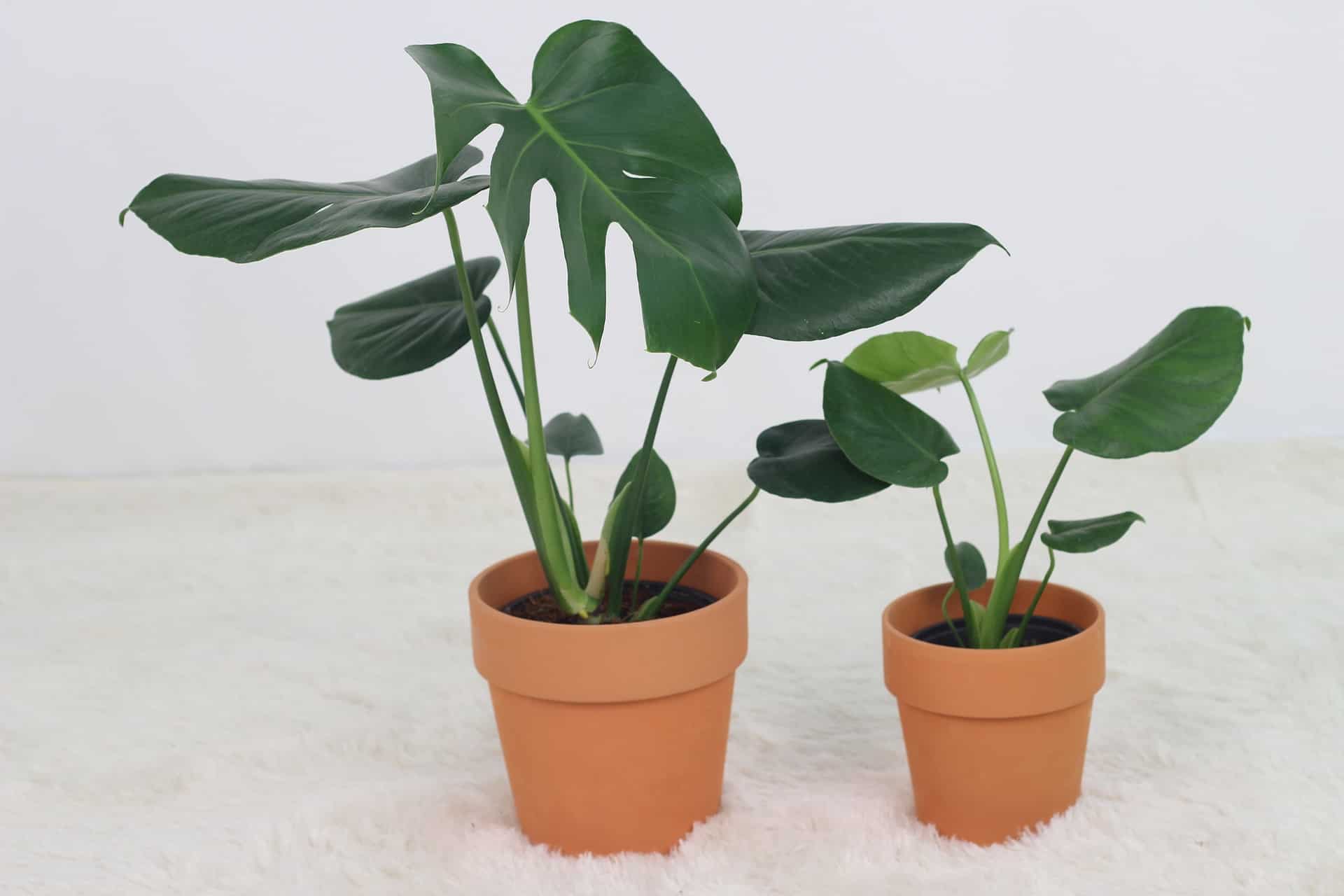
Signs Your Monstera Needs Water
During winter, your Monstera plant’s watering needs change. It’s crucial to know the signs indicating that your Monstera needs water. Recognizing these signs helps keep your plant healthy and vibrant.
Wilting Leaves
Wilting leaves are a clear sign your Monstera needs water. Healthy leaves should be firm and upright. If they droop, it might be thirsty. Check the leaves regularly. If they look tired, it’s time to water.
Other factors like temperature and humidity can affect leaf health. Ensure your Monstera is not near a heat source. Keep it away from cold drafts too. These conditions can also cause wilting.
Dry Soil
Dry soil is another indicator your Monstera needs water. Stick your finger in the soil up to the first knuckle. If it feels dry, water your plant. The soil should be slightly moist, not soggy.
Check the soil weekly. Over time, you’ll learn your plant’s needs. Ensure the pot has drainage holes. This prevents water from pooling and causing root rot. Proper drainage is key to a healthy Monstera.
Using a moisture meter can help too. This tool measures soil moisture levels. It’s a handy way to ensure your plant’s needs are met.
Signs Of Overwatering
Yellowing leaves and mushy roots indicate overwatering. Water your Monstera less frequently in winter to prevent these issues. Ensure the soil dries out between waterings.
Watering your Monstera in winter can be tricky. Overwatering is a common issue. It can harm your plant. Here are some signs to look out for.Yellowing Leaves
Yellowing leaves are a clear sign. Your Monstera may have too much water. The leaves turn yellow and droopy. They feel soft to the touch. This happens because the roots can’t breathe. They are drowning in water. Reduce the watering frequency. Check the soil moisture before watering.Root Rot
Root rot is another sign. Overwatering can cause the roots to rot. The roots become mushy and brown. They may have a foul smell. This can kill your Monstera. To prevent this, ensure good drainage. Use a well-draining potting mix. Let the soil dry out between waterings. By watching for these signs, you can help your Monstera thrive.
Best Watering Techniques
Watering your Monstera plant in winter can be tricky. The cold season changes your plant’s needs. Understanding the best watering techniques is key. This will help your Monstera thrive through the colder months.
Deep Watering
Deep watering ensures your Monstera gets enough moisture. Water the plant until water drains from the bottom. This method helps the roots absorb water better. It also prevents root rot by avoiding frequent, shallow watering. Allow the topsoil to dry out before the next watering. This technique promotes healthy root growth.
Watering Schedule
Adjust your watering schedule for winter. Monstera needs less water in colder months. Water your plant every two weeks or so. Check the soil moisture before watering. Insert your finger 2 inches into the soil. If it feels dry, it’s time to water. If the soil is still moist, wait a few more days.
Remember, overwatering can harm your Monstera. Less is more in winter. Keep an eye on the plant’s condition. Yellow leaves may indicate too much water. Adjust your schedule accordingly.
Monitoring Soil Moisture
Winter can be tricky for watering your Monstera. The soil dries out slower. Overwatering can lead to root rot. Monitoring soil moisture helps keep your plant healthy. This section explains two simple methods to check soil moisture.
Moisture Meters
Moisture meters are handy tools. They measure the soil’s water content. Insert the meter into the soil. The dial indicates if the soil is dry, moist, or wet. Use the reading to decide if you need to water. Moisture meters are accurate and easy to use.
Finger Test
The finger test is simple and effective. Stick your finger into the soil up to the second knuckle. If the soil feels dry, it’s time to water. If it feels moist, wait a few days and check again. The finger test helps you understand your plant’s needs better.
Expert Tips For Winter Care
Water Monstera plants less frequently in winter. Ensure the soil dries out before watering again. Overwatering can cause root rot.
Winter care for your Monstera plant requires some adjustments. Cooler temperatures and lower light affect its needs. Follow these expert tips to keep your plant healthy.Adjusting Watering Frequency
In winter, Monstera plants need less water. Overwatering can lead to root rot. Check the soil before watering. It should feel dry to the touch. Water less frequently, perhaps every two to three weeks. Always ensure the pot has drainage holes.Maintaining Humidity
Winter air is often dry, which Monstera plants dislike. Increase humidity around your plant. Use a humidifier or place a tray of water nearby. Grouping plants together also helps. Mist the leaves occasionally. This keeps the plant happy and thriving. “`Frequently Asked Questions
How Often Should I Water Monstera In Winter?
Water your Monstera every 2-3 weeks in winter. Check the top inch of soil for dryness before watering. Adjust based on your home’s humidity and temperature.
Can Overwatering Harm My Monstera In Winter?
Yes, overwatering can harm your Monstera. It may lead to root rot and other issues. Ensure the soil is dry before watering.
How Do I Check Monstera Soil Moisture?
Insert your finger into the soil up to the first knuckle. If it feels dry, it’s time to water.
Should I Reduce Watering Monstera In Winter?
Yes, reduce watering in winter. Monstera grows slower in colder months and requires less water to thrive.
Conclusion
Watering your Monstera in winter needs careful attention. Check the soil regularly. Only water when the top inch feels dry. Overwatering can harm your plant. Adjust your watering schedule based on your home’s humidity. Cooler temperatures mean less water is needed.
Keep your Monstera healthy by monitoring its needs. Happy plant care!