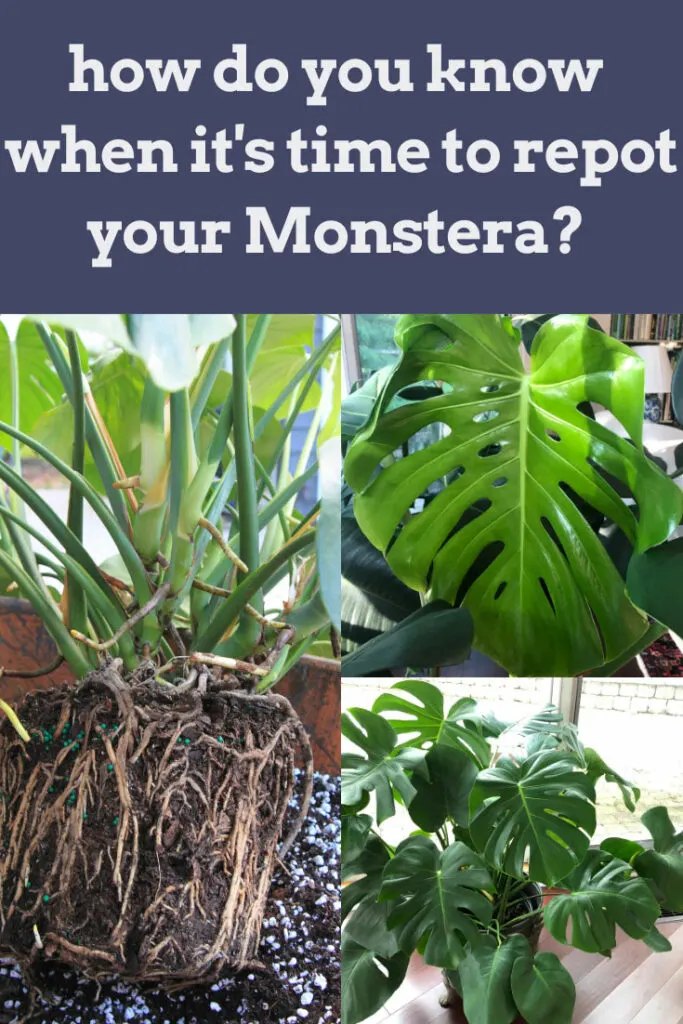
The best time to repot a Monstera is in the spring. This is when the plant is actively growing and can recover quickly.
Monsteras are popular houseplants known for their large, unique leaves. They thrive when given the right care. Repotting is a crucial part of this care. It ensures the plant has enough room to grow and fresh soil for nutrients. Repotting at the right time helps the Monstera stay healthy and vibrant.
Understanding the best time to do this can make a big difference. Spring is ideal because the plant’s growth cycle is just beginning. This allows it to adjust better to new conditions. In this blog, we will explore why spring is the best time and how to repot your Monstera effectively.
Signs Your Monstera Needs Repotting
Repotting your Monstera at the right time is crucial for its health. Knowing the signs that your plant needs repotting can help you take action early. Here are some clear indications that your Monstera needs a new pot.
Root Bound Symptoms
One of the first signs is when the plant becomes root bound. This happens when roots outgrow the pot and start circling around the edges. You might notice roots coming out of the drainage holes.
Another sign is that the roots might be pushing the plant upwards. This can make the plant unstable. If you remove the plant from the pot and see a dense root ball, it’s time to repot.
Slow Growth Indicators
If your Monstera is growing slowly or not at all, it might need more space. Slow growth can indicate that the roots don’t have enough room to expand.
Additionally, yellowing leaves can be a sign of stress. This stress often comes from being root bound. Giving the plant a larger pot can help it thrive.

Ideal Seasons For Repotting
Repotting a Monstera plant ensures it thrives. The timing of repotting plays a crucial role in the plant’s health. Understanding the ideal seasons for this task can lead to a healthier, more vibrant Monstera. Let’s explore the benefits of repotting in spring and the considerations for summer.
Spring Benefits
Spring is the most ideal season for repotting Monstera. During this time, the plant awakens from its winter dormancy. It begins to grow actively. This active growth phase helps the plant recover from the stress of repotting. Here are some benefits:
- Rapid Root Growth: The roots grow quickly, filling the new pot.
- Increased Nutrient Uptake: Fresh soil provides more nutrients.
- Better Water Absorption: New soil mixes improve water retention.
All these factors contribute to a healthier Monstera with lush, vibrant foliage.
Summer Considerations
Repotting in summer can also be effective, but it comes with some considerations. During summer, the temperatures are higher. This can stress the plant if not managed properly. Here are a few tips:
- Watering: Ensure the plant gets enough water to prevent dehydration.
- Shade: Keep the plant in a shaded area to avoid direct sun.
- Monitoring: Watch the plant closely for signs of stress.
Following these tips can help the Monstera thrive even when repotted in summer.
Choosing The Right Pot
Repot Monstera in early spring. This season encourages new growth. Look for signs like roots poking out or slow growth.
Repotting your Monstera can be a critical step for its health and growth. Selecting the appropriate pot is essential. A suitable pot ensures your plant thrives and avoids common issues like root rot or stunted growth. Let’s explore the key factors in choosing the right pot.Pot Size
Choosing the right pot size is crucial for your Monstera. Too small, and the roots will be cramped, leading to poor growth. Too large, and the soil might retain too much moisture, causing root rot. A general rule of thumb is to choose a pot that’s 2-4 inches larger in diameter than the current one.| Pot Size | Plant Health |
|---|---|
| Too Small | Cramped Roots |
| Too Large | Excess Moisture |
| 2-4 inches larger | Optimal Growth |
Drainage Importance
Drainage holes are a must for Monstera pots. They prevent water from accumulating at the bottom. This helps avoid root rot. Without proper drainage, waterlogged soil can suffocate the roots. Always ensure your pot has ample drainage holes.- Prevents root rot
- Allows excess water to escape
- Ensures healthy root development

Preparing The Soil Mix
Repotting your Monstera at the right time is crucial for its growth. An essential part of this process is preparing the perfect soil mix. The right mix ensures proper drainage, nutrient retention, and root support.
Soil Composition
Monstera plants thrive in well-draining soil. A mix of peat moss, perlite, and bark works best.
- Peat moss: Retains moisture while providing some aeration.
- Perlite: Enhances drainage and prevents soil compaction.
- Bark: Adds structure and improves aeration.
Combine these components in equal parts. This mix mimics the Monstera’s natural habitat.
Nutrient Additives
Nutrient additives ensure your Monstera gets the necessary nutrients.
| Type | Benefit |
|---|---|
| Compost | Provides organic matter and nutrients. |
| Worm castings | Rich in beneficial microorganisms. |
| Slow-release fertilizer | Offers a steady supply of nutrients. |
Mix these additives into your soil composition. This ensures a nutrient-rich environment.
Step-by-step Repotting Guide
Repotting your Monstera can help it thrive and grow. Follow this step-by-step repotting guide to ensure your plant stays healthy and strong. This guide will walk you through the process of removing the plant and transferring it to a new pot.
Removing The Plant
First, gather all the necessary tools. You will need a new pot, fresh soil, gloves, and a small shovel.
- Water the Monstera a day before repotting to make the soil soft.
- Gently tilt the pot and tap the sides to loosen the soil.
- Carefully hold the base of the plant and pull it out of the pot.
- If the plant is stuck, use a small shovel to ease the roots.
Transferring To New Pot
Now, it’s time to transfer your Monstera to a new home.
- Choose a pot that is 2-3 inches larger in diameter than the old one.
- Fill the bottom of the pot with fresh soil, about one-third full.
- Place the Monstera in the center of the new pot.
- Fill the sides with more fresh soil, pressing gently to remove air pockets.
- Water the plant thoroughly to help it settle in the new soil.
Repotting your Monstera can seem daunting, but following these steps will make it easier. Your plant will thank you with new growth and vibrant leaves.

Post-repotting Care
Repotting your Monstera is just the first step. Proper care after repotting ensures the plant thrives. It’s important to adjust your care routine to meet its new needs.
Watering Schedule
After repotting, water the Monstera lightly. The soil should be moist, not soaked. Overwatering can lead to root rot. Check the top inch of soil. If it’s dry, it’s time to water. A consistent schedule helps the plant adjust to its new pot.
Light Requirements
Place the Monstera in bright, indirect light. Direct sunlight can scorch the leaves. A spot near a window with filtered light works best. If the plant gets leggy, it might need more light. Adjust its position to ensure it receives the right amount.
Common Repotting Mistakes
Repotting your Monstera can be a rewarding task. But, many plant parents make common mistakes. Understanding these mistakes ensures your plant thrives.
Overwatering Risks
Overwatering is a frequent error. It’s easy to give your Monstera too much water. This can lead to root rot. Roots need oxygen as well as water.
Here are some signs of overwatering:
- Yellowing leaves
- Wilting despite moist soil
- Moldy soil surface
To avoid overwatering, check the soil before watering. The top inch should be dry. Use a pot with drainage holes. This ensures excess water escapes.
Pot Size Errors
Choosing the right pot size is crucial. A pot too big or small can stress your Monstera. A large pot holds too much water. This can cause overwatering issues.
Here’s a table to help you choose the right pot size:
| Plant Size | Pot Size |
|---|---|
| Small (under 12 inches) | 6-8 inches |
| Medium (12-24 inches) | 10-12 inches |
| Large (over 24 inches) | 14-16 inches |
A small pot restricts root growth. This can stunt your plant’s development. Repot to a pot only 2 inches larger than the current one.
Remember these key points. They help avoid common repotting mistakes. Your Monstera will thank you!
Expert Tips For Healthy Growth
Repotting your Monstera can be a pivotal moment in its growth journey. Ensuring a smooth transition involves more than just moving it to a new pot. To help your Monstera thrive, follow these expert tips for healthy growth. These tips cover essential areas like fertilization, pruning, and more.
Fertilization Advice
Proper fertilization is key to a healthy Monstera. Use a balanced, water-soluble fertilizer. Apply it once a month during the growing season. This typically spans from spring to early fall. Avoid fertilizing in winter, as the plant’s growth slows down.
| Season | Frequency | Type |
|---|---|---|
| Spring | Once a month | Balanced, water-soluble |
| Summer | Once a month | Balanced, water-soluble |
| Fall | Once a month | Balanced, water-soluble |
| Winter | None | None |
Pruning Techniques
Pruning helps maintain your Monstera’s shape and promotes healthy growth. Use clean, sharp scissors to remove any yellow or damaged leaves. Cut close to the main stem but be careful not to damage it. This encourages new growth and keeps your plant looking its best.
- Remove yellow leaves
- Use clean, sharp scissors
- Cut close to the main stem
These expert tips will guide you in fostering a healthy and vibrant Monstera. With proper care and attention, your plant can grow lush and strong, adding beauty to your home.
Frequently Asked Questions
When Is The Best Time To Repot Monstera?
The best time to repot Monstera is in spring. This is when the plant is actively growing. Repotting during this time helps the plant establish itself quickly.
How Do You Know When To Repot Monstera?
You know it’s time to repot when roots are visible. They may be growing out of the drainage holes. Also, if the plant seems too large for its pot.
What Type Of Soil Is Best For Monstera?
Monstera prefers well-draining soil. A mix of potting soil, peat, and perlite is ideal. This ensures proper aeration and moisture retention.
How Often Should Monstera Be Repotted?
Repot Monstera every 1-2 years. This gives the plant enough space to grow. Younger plants may need more frequent repotting.
Conclusion
Repotting your Monstera is essential for its health and growth. The best time to repot is in spring. During this season, the plant is actively growing. This helps it recover quickly. Ensure the new pot has drainage holes. Use fresh soil to provide nutrients.
Pay attention to the plant’s roots. Healthy roots mean a happy plant. Remember, a well-cared-for Monstera will thrive. Happy gardening!
Leave a Reply