
To prevent Monstera from getting leggy, you need to provide the right conditions. Proper light, watering, and support are essential.
Monstera, with its lush, split leaves, is a popular houseplant. But, it can get leggy if not cared for properly. This means it grows tall and thin with sparse foliage. A leggy Monstera doesn’t look as attractive and may become weak.
It’s important to understand the needs of your plant to keep it healthy and full. In this guide, we will explore the steps you can take to ensure your Monstera stays bushy and vibrant. With the right care, you can enjoy a thriving, beautiful plant in your home.

Introduction To Monstera Plants
Monstera plants are popular indoor plants known for their unique leaves. Their large, split leaves add a touch of the tropics to any room. They are easy to grow and care for, making them a favorite among plant lovers.
Popular Varieties
There are several popular varieties of Monstera plants. The Monstera Deliciosa is the most common. It features large, glossy leaves with deep splits. Another popular variety is the Monstera Adansonii. This type has smaller leaves with more holes. Monstera Obliqua is rare but highly sought after. Its delicate leaves have large, intricate holes.
Basic Care Requirements
Monstera plants need bright, indirect light to thrive. Direct sunlight can scorch their leaves. They prefer well-draining soil that stays moist but not soggy. Water them when the top inch of soil feels dry. During the growing season, fertilize once a month. Prune regularly to keep them bushy and healthy.
Monstera plants also benefit from high humidity. Mist the leaves or use a humidifier to maintain moisture. Provide a support structure, like a moss pole, for them to climb. This mimics their natural growth habit in the wild.
Understanding Legginess
Monstera plants are popular for their large, beautiful leaves. But sometimes, they become leggy. This means they have long stems with fewer leaves. Understanding legginess helps you maintain a healthy Monstera. Let’s dive into it.
What Is Legginess?
Legginess occurs when a Monstera plant grows tall and thin. The stems stretch out and leaves become sparse. This makes the plant look weak and unhealthy.
| Leggy Plant | Healthy Plant |
|---|---|
| Long, thin stems | Short, sturdy stems |
| Few leaves | Many leaves |
| Weak appearance | Strong appearance |
Common Causes
Several factors cause legginess in Monstera plants. Identifying these helps prevent the issue.
- Insufficient Light: Monstera plants need bright, indirect light. Low light makes them stretch towards the light source, causing legginess.
- Improper Watering: Overwatering or underwatering stresses the plant. Stress leads to uneven growth and legginess.
- Lack of Nutrients: Monstera plants need nutrients for healthy growth. Poor soil or infrequent feeding leads to weak, leggy stems.
- Overcrowding: If the plant is in a small pot, roots can’t grow well. This limits the plant’s ability to support itself, causing legginess.
By addressing these common causes, you can keep your Monstera healthy and full. Make sure to provide proper light, water, and nutrients.
Optimal Light Conditions
Monstera plants thrive in specific light conditions. Ensuring your Monstera receives the right light can prevent it from becoming leggy. Here, we’ll explore the best light for growth and the signs of insufficient light.
Best Light For Growth
Monstera plants prefer bright, indirect light. Direct sunlight can scorch their leaves. Place your Monstera near a window with filtered light.
- East-facing windows are ideal.
- South or west-facing windows need sheer curtains.
Maintain consistent light exposure. Rotate the plant every few weeks. This ensures all sides receive light evenly.
Signs Of Insufficient Light
If your Monstera is not getting enough light, it will show signs. Look for these indicators:
| Sign | Description |
|---|---|
| Leggy Growth | Stems grow long and spindly, with fewer leaves. |
| Yellow Leaves | Leaves turn yellow and fall off. |
| Small Leaves | New leaves are smaller than usual. |
| Slow Growth | The plant grows very slowly. |
Address these signs promptly. Move your Monstera to a brighter spot. Use artificial grow lights if necessary. Ensure your Monstera gets the light it needs to stay healthy and vibrant.
Proper Watering Techniques
Proper watering techniques can keep your Monstera healthy. Water the plant when the top inch of soil is dry. Make sure to avoid overwatering to prevent legginess.
Proper watering techniques are essential to keep your Monstera healthy and prevent it from getting leggy. Understanding the right way to water your plant can make a big difference. Let’s dive into the specifics.Ideal Watering Schedule
Water your Monstera once a week. This is usually enough. Check the top inch of soil. If it’s dry, it’s time to water. Remember, overwatering can harm your plant. Use this schedule as a guide. Adjust based on the humidity and temperature of your home.Avoiding Overwatering
Overwatering is a common mistake. It can lead to root rot. Make sure the pot has drainage holes. This allows excess water to escape. Use a well-draining soil mix. It helps keep the roots healthy. Water the plant until the water drains out the bottom. Empty the saucer to avoid standing water. “` This section provides clear and simple instructions on proper watering techniques. It helps prevent Monstera plants from becoming leggy. The tips are easy to follow and suitable for non-native English speakers.Importance Of Humidity
Monstera plants thrive in humid environments. Proper humidity levels prevent legginess. Legginess occurs when the plant stretches for moisture. High humidity helps maintain healthy foliage. It also promotes robust growth. Without adequate humidity, leaves can turn brown. This affects the plant’s overall appearance. So, maintaining humidity is crucial for a lush Monstera.
Maintaining Humidity Levels
Keep an eye on your room’s humidity. Aim for 60-70% humidity for your Monstera. Use a hygrometer to monitor levels. Adjust as needed to keep your plant happy. Regular misting can help. Spray the leaves gently with water. This boosts humidity around the plant. Grouping plants together also creates a humid microclimate. They share moisture and help each other. Place a tray with water and pebbles under the pot. The water evaporates, raising humidity around the plant.
Using Humidifiers
Humidifiers are a great option. They add moisture to the air. Choose a humidifier that suits your room size. Place it near your Monstera. Ensure it runs consistently. Keep it clean to avoid mold. Humidifiers can make a big difference. Your Monstera will look healthier and fuller.
Nutrient Requirements
Keeping your Monstera plant healthy and lush requires proper nutrient management. Nutrients play a crucial role in preventing your Monstera from becoming leggy. Understanding what your plant needs can help you maintain its vibrant appearance and robust growth.
Best Fertilizers
Choosing the right fertilizer is essential for your Monstera’s health. Monstera plants thrive with a balanced, water-soluble fertilizer. A 20-20-20 ratio works well. This means equal parts nitrogen, phosphorus, and potassium. These nutrients support overall growth and development.
Nitrogen promotes leafy growth, making your Monstera lush and green. Phosphorus aids in root development and flower production. Potassium helps with overall plant health and disease resistance. Use a balanced fertilizer monthly during the growing season.
Signs Of Nutrient Deficiency
Watch for signs of nutrient deficiency in your Monstera. Yellowing leaves can indicate a lack of nitrogen. Stunted growth may suggest phosphorus deficiency. Brown leaf edges often signal a potassium shortage.
Other symptoms include pale leaves and poor new growth. Addressing these issues promptly ensures your Monstera remains healthy. Regular feeding with the right nutrients prevents these problems.
Pruning And Training
Pruning and training help prevent Monstera from getting leggy. Trim long stems and guide growth using stakes or trellises. This keeps the plant compact and healthy.
Pruning and training can keep your Monstera healthy and beautiful. They help prevent legginess and promote fuller growth. Learn simple tips to prune and train your Monstera effectively.Pruning Tips
Use clean, sharp scissors or shears for pruning. Remove yellow or damaged leaves first. Cut just above a leaf node to encourage new growth. Trim back long stems to maintain the plant’s shape. Regular pruning helps your Monstera stay compact and lush.Using Stakes And Trellises
Monstera plants love to climb. Provide support with stakes or trellises. Place a sturdy stake in the pot. Gently tie the stems to the stake with soft ties. Use a trellis for more support and decorative appeal. Training your Monstera to climb keeps it from getting leggy and adds visual interest. “`Repotting And Soil Choice
Monstera plants can grow quite large and need the right care to stay healthy. Repotting and choosing the correct soil are essential steps to prevent them from getting leggy. Here are some tips to help you keep your Monstera lush and full.
When To Repot
Repotting your Monstera at the right time is crucial. Watch for these signs:
- Roots growing out of the drainage holes
- Soil dries out very quickly
- Plant looks top-heavy and unbalanced
Repot your Monstera every 1-2 years. Spring is the best time. It allows the plant to adjust before its active growing season. Choose a pot that is 2 inches larger in diameter than the current one.
Choosing The Right Soil
The right soil mix helps your Monstera thrive. It should be:
- Well-draining
- Rich in nutrients
- Light and airy
A good soil mix includes:
- One part potting soil
- One part peat moss or coco coir
- One part perlite
This mix ensures proper drainage and aeration. Avoid heavy soils that retain too much water. They can lead to root rot. Remember, a healthy root system means a healthy plant.
Dealing With Pests
Preventing Monstera from getting leggy involves keeping the plant healthy. Pests can weaken Monstera and cause it to grow poorly. Learn how to identify and control pests to keep your Monstera thriving.
Common Pests
Several pests can harm Monstera plants. Knowing them helps in quick action. Here are the most common pests:
- Aphids: Small, green insects that suck sap from leaves.
- Spider Mites: Tiny, red or brown mites that create webs on the plant.
- Mealybugs: White, cotton-like bugs found in leaf joints.
- Scale Insects: Brown or yellow bumps on stems and leaves.
Natural Pest Control
Using natural methods to control pests is safe for Monstera. Here are some effective options:
- Neem Oil: Mix water and neem oil and spray on leaves. This repels many pests.
- Insecticidal Soap: Spray this soap on infected areas. It kills pests without harming the plant.
- Alcohol Wipes: Use a cotton swab with rubbing alcohol. This removes mealybugs and scale insects.
- Beneficial Insects: Ladybugs and predatory mites can eat harmful pests.
Regularly check your Monstera for pests. Early detection helps in effective treatment. Healthy plants are less likely to become leggy. Keep your Monstera pest-free and enjoy its lush growth.
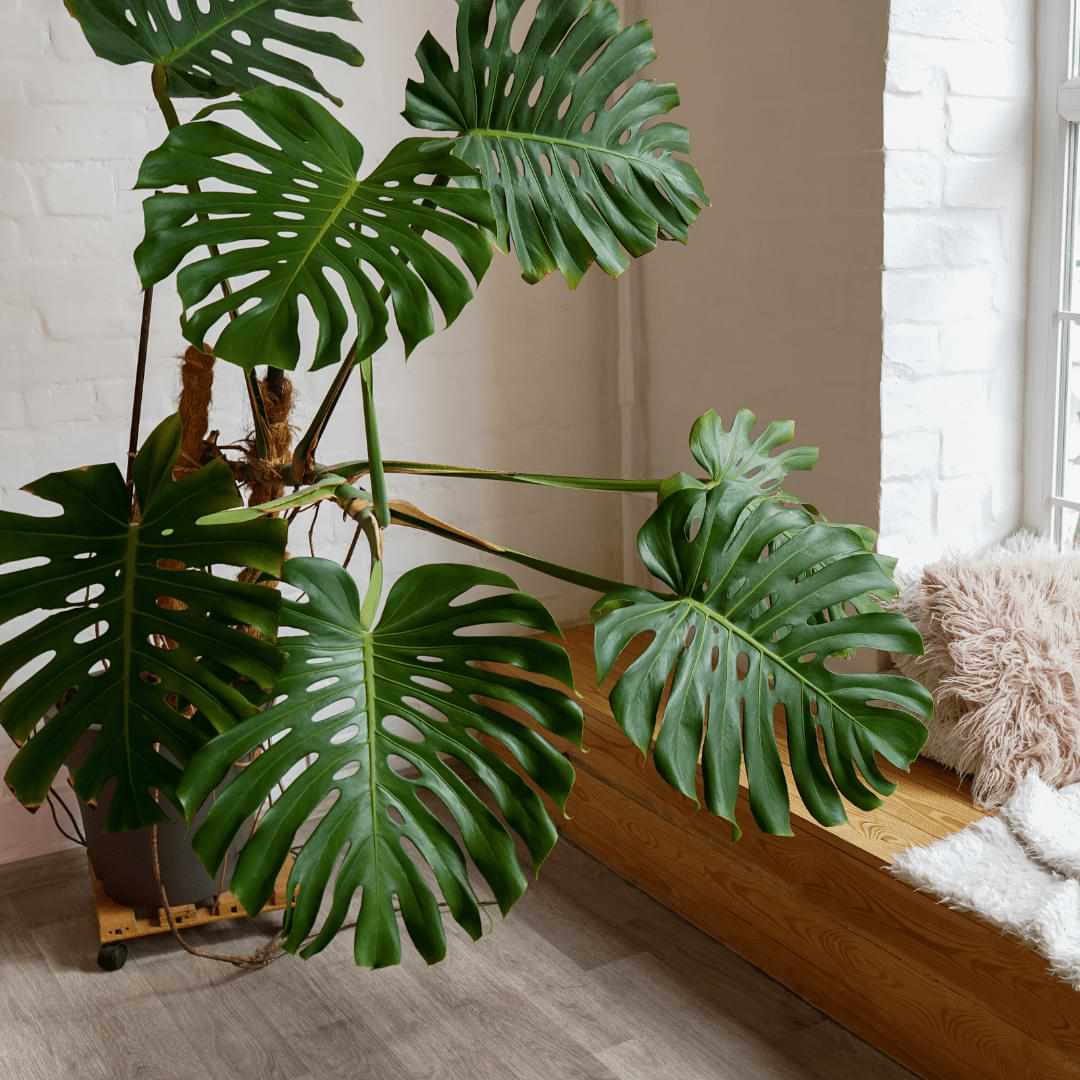
Seasonal Care Tips
Monstera plants can get leggy if not given proper care. Seasonal care is crucial to keep your Monstera healthy and full. Each season brings different requirements for your plant. Let’s explore some essential care tips for winter and summer.
Winter Care
During winter, Monstera plants need extra attention. The colder months can be challenging for tropical plants.
- Light: Place your Monstera near a window with bright, indirect light.
- Watering: Water less frequently. Ensure the soil is dry before watering.
- Humidity: Use a humidifier or mist the plant to maintain humidity.
- Temperature: Keep your plant in a room with temperatures above 60°F (15°C).
- Dusting: Clean the leaves to help with light absorption.
Proper care during winter will prevent your Monstera from becoming leggy. Keeping it healthy ensures it thrives when the growing season returns.
Summer Maintenance
Summer is the growing season for Monstera plants. They need more water and light.
- Light: Move your Monstera to a spot with bright, indirect light.
- Watering: Increase watering frequency. Ensure the soil is moist but not waterlogged.
- Feeding: Fertilize monthly with a balanced liquid fertilizer.
- Pruning: Trim any leggy stems to encourage bushier growth.
- Support: Provide a moss pole or trellis for support as the plant grows.
Summer care helps your Monstera grow strong and prevents legginess. Follow these tips to keep your plant lush and healthy.

Frequently Asked Questions
Why Is My Monstera Getting Leggy?
Your Monstera is likely getting leggy due to insufficient light. Ensure it gets bright, indirect sunlight.
How Can I Make My Monstera Bushier?
To make your Monstera bushier, prune leggy stems and provide adequate light. Regularly rotate the plant.
How Often Should I Prune My Monstera?
Prune your Monstera every few months. This encourages bushier growth and prevents legginess.
What Kind Of Light Is Best For Monstera?
Bright, indirect light is best for Monstera. Avoid direct sunlight to prevent leaf burn.
Conclusion
Preventing your Monstera from getting leggy is simple. Provide enough light. Rotate the plant regularly. Prune to encourage growth. Water and fertilize properly. Follow these tips consistently. Your Monstera will stay healthy and bushy. Enjoy your vibrant, lush plant. Happy gardening!