
Root rot in Monstera can be worrying. It’s not the end, though.
With the right steps, your plant can recover. Monstera plants, with their stunning leaves, are favorites among plant lovers. But like all plants, they can face issues. One common problem is root rot. This happens when the roots sit in water too long.
They start to decay. Root rot can kill the plant if not treated quickly. In this blog, we’ll explain what to do if your Monstera shows signs of root rot. You’ll learn how to spot the problem and save your plant. Let’s dive in and get your Monstera back to health.

Identifying Root Rot
Root rot is a common issue in Monstera plants. Recognizing it early can save your plant. This section will help you identify root rot in your Monstera.
Symptoms Of Root Rot
There are several signs that your Monstera might have root rot. Here are the most common symptoms:
- Wilting or yellowing leaves
- Mushy or blackened roots
- Unpleasant smell from the soil
- Slow growth or stunted growth
Check the roots if you notice these symptoms. Healthy roots should be white and firm.
Common Causes
Understanding what causes root rot can help prevent it in the future. Here are some common causes:
- Overwatering: Too much water suffocates the roots.
- Poor drainage: Soil that retains too much water.
- Contaminated soil: Using soil that has pathogens.
- Inadequate pot: Using a pot without drainage holes.
Addressing these causes can keep your Monstera healthy. Always monitor the watering schedule and use well-draining soil.
Immediate Actions To Take
Root rot can be fatal to your Monstera if not treated promptly. This guide will help you take immediate actions to save your plant. Follow these steps to give your Monstera the best chance at recovery.
Isolate The Plant
First, isolate the plant. Keep it away from other plants to stop the spread of root rot. Root rot is a fungal issue. It can infect other plants if they are too close.
Stop Watering
Next, stop watering your Monstera. Overwatering is the main cause of root rot. Let the soil dry out completely. This will help kill the fungus causing the rot.
Inspecting The Roots
Inspecting the roots of your Monstera plant is crucial when dealing with root rot. Healthy roots are essential for the plant’s growth and overall health. Knowing how to identify and address root issues can save your Monstera.
How To Remove The Plant From Soil
First, gently lift the Monstera from its pot. Tilt the pot and tap the sides to loosen the soil. Carefully slide the plant out, holding the base of the stem. Be cautious not to damage the roots.
Use your fingers to remove excess soil from the roots. Be gentle to avoid breaking them. Wash the roots under running water to see them clearly. This helps in identifying healthy and rotten roots.
Signs Of Healthy Vs. Rotten Roots
Healthy roots are firm and white or light tan. They look plump and feel sturdy. Rotten roots, on the other hand, are mushy and dark brown or black. They often have a foul smell.
If you spot any rotten roots, trim them with sterilized scissors. Cut back to where the roots look healthy. Removing rotten roots prevents further decay and helps the plant recover.
After trimming, let the roots dry for a few hours. This helps to prevent infection. Now, your Monstera is ready for repotting in fresh, well-draining soil.
Trimming Affected Roots
When you discover that your Monstera has root rot, it’s important to act quickly. The first step in saving your plant is to trim the affected roots. This process involves removing the rotting sections to prevent further spread. Let’s dive into the steps for trimming affected roots effectively.
Sterilizing Tools
Before you begin trimming, ensure your tools are clean. Dirty tools can introduce bacteria or fungi to the plant.
- Use a sharp pair of scissors or pruning shears.
- Clean the tools with rubbing alcohol or a bleach solution.
- Let the tools dry completely before use.
Proper Trimming Techniques
Once your tools are sterilized, follow these steps to trim the affected roots:
- Remove the Monstera from its pot and gently shake off the soil.
- Identify the rotting roots. These will appear brown, mushy, and have a foul smell.
- Using your sterilized tools, cut away the rotting roots. Make clean cuts to avoid further damage.
- Trim back to healthy, white or light tan roots. Avoid cutting too much.
By carefully trimming the affected roots and ensuring your tools are sterilized, you can help your Monstera recover from root rot.
Treating The Plant
Experiencing root rot in your Monstera can be disheartening. Treating the plant properly is crucial to saving it. Here, we will explore effective methods to treat root rot, including using fungicides and natural remedies.
Using Fungicides
Fungicides can help combat root rot in your Monstera. Choose a fungicide designed for root rot and follow these steps:
- Remove affected roots: Gently remove the plant from its pot. Trim off all the rotted roots using sterilized scissors.
- Clean the plant: Wash the remaining healthy roots with water to remove any soil.
- Apply fungicide: Mix the fungicide as per the instructions. Dip the roots in the solution or apply it directly.
- Repot the plant: Use fresh, well-draining soil. Make sure the new pot has good drainage.
- Monitor the plant: Keep an eye on the Monstera. Water it only when the top inch of soil is dry.
Fungicides are effective but should be used with caution. Overuse can harm the plant.
Natural Remedies
Natural remedies offer a gentler approach to treating root rot. Some effective methods include:
| Natural Remedy | Steps |
|---|---|
| Cinnamon | Sprinkle cinnamon powder on the cut ends of the roots. Cinnamon has natural antifungal properties. |
| Hydrogen Peroxide | Mix one part hydrogen peroxide with two parts water. Soak the roots in this solution for 5-10 minutes. |
| Neem Oil | Mix neem oil with water as per instructions. Apply to the roots and soil. |
These remedies can be effective in treating root rot. They are gentle and safe for your Monstera.
By using these methods, you can help your Monstera recover from root rot. Choose the best option for your plant’s needs.
Repotting The Monstera
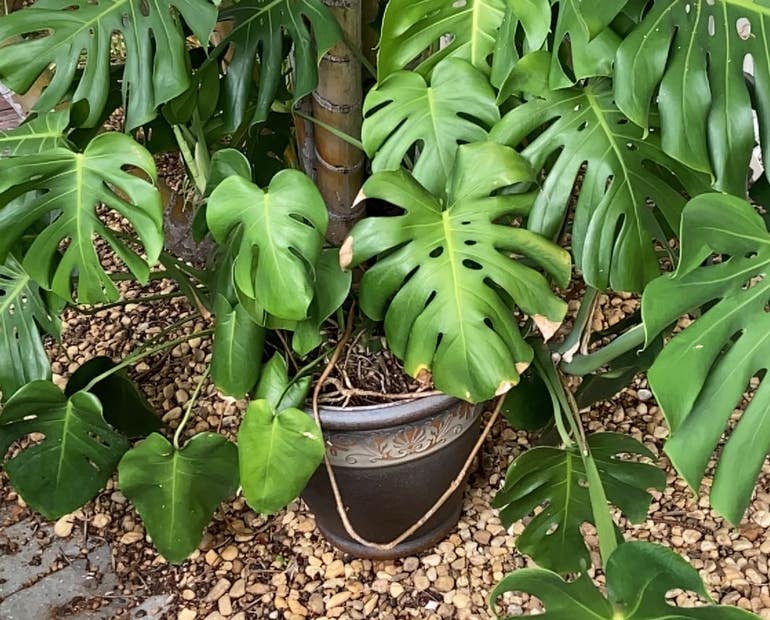
Repotting a Monstera with root rot can revive your beloved plant. Healthy roots need fresh soil and a clean pot. Let’s dive into the steps for repotting your Monstera to help it thrive once again.
Choosing The Right Soil
Select a well-draining soil mix. Monstera roots dislike staying wet for too long. A mix of peat moss, pine bark, and perlite works well. This combination ensures proper drainage and prevents waterlogging. Avoid dense or compact soil. It can suffocate the roots and worsen root rot.
Selecting A Suitable Pot
Choose a pot with drainage holes. The holes allow excess water to escape and keep the soil from getting too wet. A pot that is just slightly larger than the current root ball is ideal. Too much extra space can lead to overwatering issues. Clean the new pot thoroughly before use. This step removes any lingering pathogens that could harm your Monstera.
Post-treatment Care
Root rot in a Monstera can be a serious problem. Once you have treated the issue, it’s crucial to focus on post-treatment care. This will help the plant recover and prevent future problems. Below are some essential steps to ensure your Monstera thrives after treatment.
Watering Guidelines
Proper watering is key to the recovery of your Monstera. Here are some guidelines:
- Water Sparingly: Only water the plant when the top inch of soil is dry.
- Check Drainage: Ensure the pot has good drainage to prevent water from accumulating.
- Use Filtered Water: Tap water can have chemicals that harm the roots.
Monitoring For Recurrence
Keeping an eye on your Monstera is vital. Early detection of any issues can prevent a recurrence of root rot.
- Inspect Roots: Check the roots every few weeks. Look for any signs of rot.
- Check Leaves: Yellow or wilting leaves can indicate a problem.
- Soil Condition: Ensure the soil remains loose and well-draining.
By following these steps, you can help your Monstera recover fully and avoid future problems.
Preventing Future Root Rot
Preventing root rot in your Monstera plant is essential. Root rot can quickly damage the plant’s health. By following some simple steps, you can keep your Monstera happy and thriving.
Proper Watering Practices
Watering your Monstera correctly is vital. Too much water can lead to root rot.
- Check soil moisture: Before watering, check the soil moisture. Stick your finger into the soil up to an inch. If it feels dry, it’s time to water.
- Water thoroughly: Ensure water reaches the roots by watering deeply. This encourages root growth.
- Avoid overwatering: Do not water if the soil is still moist. Overwatering suffocates the roots.
Ensuring Adequate Drainage
Adequate drainage prevents water from pooling around the roots.
| Tip | Action |
|---|---|
| Use well-draining soil | Choose a potting mix that drains well, such as a mix with perlite or sand. |
| Choose the right pot | Use pots with drainage holes to allow excess water to escape. |
| Avoid waterlogging | Place a layer of small rocks at the bottom of the pot to improve drainage. |
By following these steps, you can prevent root rot. Keep your Monstera healthy and beautiful.
Frequently Asked Questions
What Causes Root Rot In Monstera?
Root rot in Monstera is caused by overwatering and poor drainage. The roots sit in water, leading to decay.
How Can I Identify Root Rot In Monstera?
Identify root rot by yellowing leaves, wilting, and a foul smell from the soil. Check roots for mushiness.
Can Monstera Recover From Root Rot?
Yes, Monstera can recover if treated early. Remove affected roots, repot with fresh soil, and adjust watering.
How Should I Treat Monstera Root Rot?
Treat root rot by removing damaged roots, using fungicide, and repotting in well-draining soil. Adjust watering habits.
Conclusion
Caring for a Monstera with root rot is challenging but possible. Start by removing affected roots. Use clean tools to avoid spreading disease. Next, repot the plant in fresh, well-draining soil. Ensure proper watering habits. Avoid overwatering to prevent future issues.
Regularly check the plant for any signs of distress. With patience and care, your Monstera can recover. Healthy roots lead to a thriving plant. Stay vigilant and attentive to your plant’s needs. Happy gardening!