
Monstera fruit, also known as the Swiss cheese plant fruit, is a tropical delight. It has a unique taste, blending banana, pineapple, and mango flavors.
But how long does it take to ripen? Monstera fruit takes about a year to ripen after flowering. This may seem like a long time, but the wait is worth it. The fruit starts green and hard, gradually turning yellow and soft.
Understanding the ripening process helps you enjoy the fruit at its peak flavor. In this guide, we’ll explore the stages of ripening, what to look for, and how to know when your Monstera fruit is ready to eat. Stay with us to learn more about this fascinating tropical fruit!
Introduction To Monstera Fruit
Monstera fruit takes about 10 to 12 months to ripen. The fruit shows signs of readiness by shedding its green scales. Patience is key for enjoying this exotic treat.
Monstera fruit, also known as the Swiss cheese plant fruit, is unique and exotic. This tropical fruit is a real treat for those who know it. Monstera fruit grows on the Monstera deliciosa plant, which is native to Central America. It’s famous not just for its delicious taste but also for its unusual appearance.What Is Monstera Fruit?
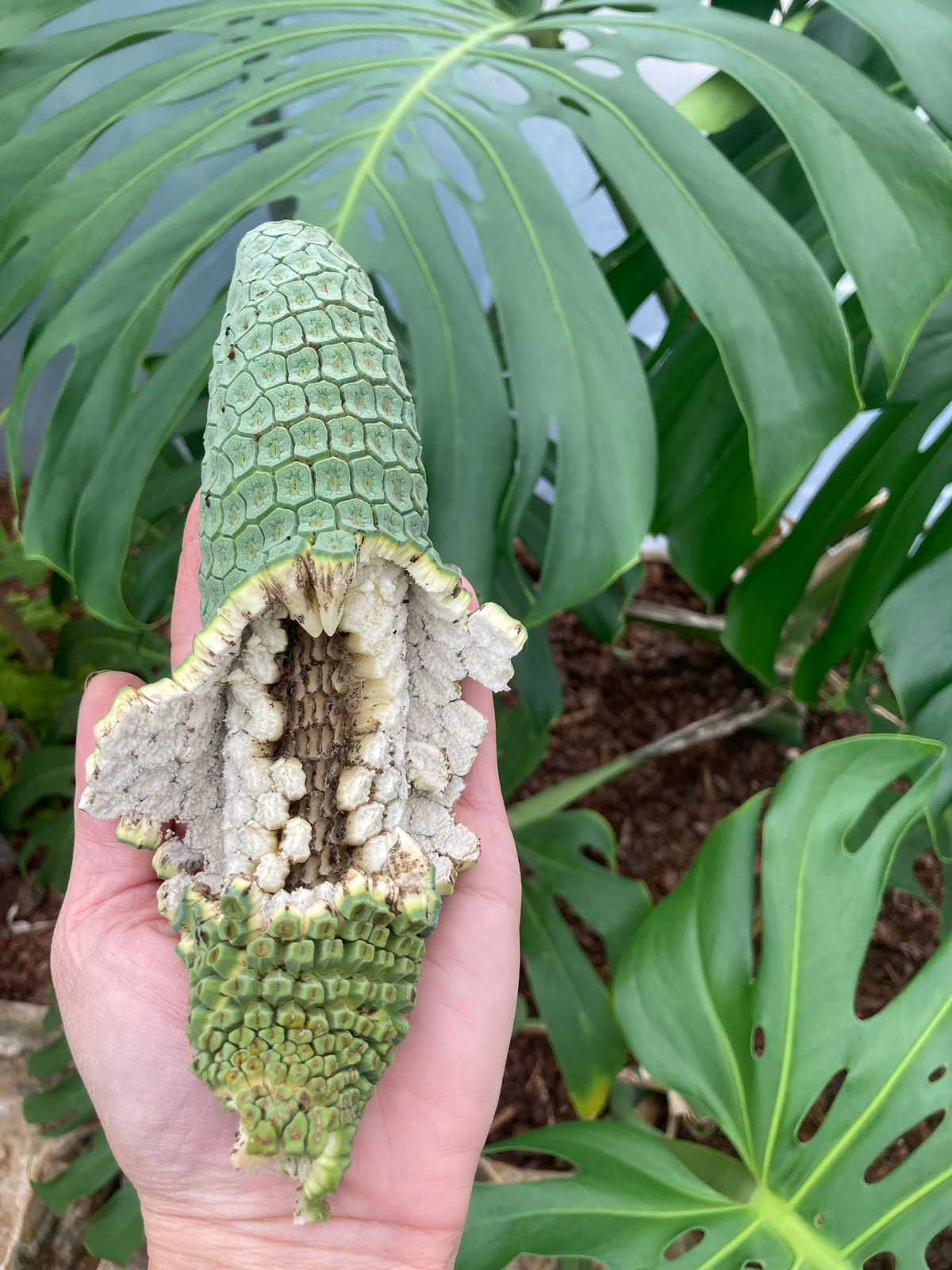
Monstera fruit looks like a green ear of corn. It has a hexagonal pattern on its skin. The fruit’s flesh is creamy and white with small black seeds. When ripe, it has a sweet and tangy flavor. People often describe it as a mix of pineapple and banana.Nutritional Benefits
Monstera fruit is rich in vitamins and minerals. It contains high levels of vitamin C, which boosts the immune system. The fruit is also a good source of potassium, aiding in muscle function. Monstera fruit has dietary fiber, which helps digestion. It also contains antioxidants that promote overall health. “`Monstera Plant Overview
The Monstera plant, often called the Swiss Cheese Plant, is famous for its unique leaves. These plants add a tropical touch to any space. They are easy to care for and can even produce fruit. This section will give you an overview of the Monstera plant.
Plant Characteristics
The Monstera plant has large, glossy leaves with natural holes and splits. These leaves can grow quite large, adding a dramatic look to your home or garden. The plant can climb using aerial roots, making it suitable for vertical gardening.
Monstera plants are slow-growing but can reach impressive heights. They produce a fruit called the Monstera deliciosa, which looks like a green corn cob. The fruit is edible and tastes like a mix of pineapple and banana.
Ideal Growing Conditions
Monstera plants thrive in warm, humid environments. They do best in temperatures between 65°F and 85°F. Avoid placing them in direct sunlight; bright, indirect light is ideal. They can tolerate low light but will grow slower.
Water your Monstera when the top inch of soil is dry. Over-watering can lead to root rot, so ensure the pot has good drainage. Fertilize the plant every month during the growing season to encourage healthy growth.
Keep the humidity levels high around your Monstera. You can mist the leaves or use a humidity tray. This will help the plant thrive and produce healthy foliage.
| Factor | Condition |
|---|---|
| Light | Bright, indirect light |
| Temperature | 65°F to 85°F |
| Water | When top inch of soil is dry |
| Humidity | High |
| Fertilizer | Monthly during growing season |
By providing the right conditions, your Monstera will grow strong and healthy. These plants are rewarding and can even produce delicious fruit.
Growth Stages Of Monstera Fruit
The Monstera plant is famous for its unique leaves. Its fruit is just as interesting. Understanding its growth stages can help you care for it better. The process from flowering to ripening is fascinating.
Flowering Phase
The flowering phase is the first step in fruit development. Monstera plants produce a single flower. This flower has a white, hood-like structure called a spathe. Inside, there is a spadix which is covered with tiny flowers.
Pollination needs to occur for fruit to develop. In the wild, insects usually do this job. Indoors, hand pollination may be necessary. The flower stays open for a few days. Once pollinated, the flower starts the next phase.
Fruit Development
After pollination, the flower begins to transform. The spadix turns into a cluster of small fruits. These fruits are fused together. This stage is slow. Patience is key during this period.
The fruit grows larger over several months. It starts green and hard. As it matures, the fruit becomes softer. The outer layer also changes. It turns from green to a more yellowish color. This change signals ripening.
Ripe Monstera fruit has a strong, sweet smell. This scent attracts animals in the wild. The whole process from flower to ripe fruit can take up to a year. The right care and conditions can support healthy fruit development.

Factors Affecting Ripening Time
The ripening time of Monstera fruit can vary greatly. Several factors influence how fast the fruit matures. Understanding these factors helps in predicting and improving the ripening process.
Climate And Temperature
Climate and temperature play a crucial role in the ripening of Monstera fruit. Monstera plants thrive in warm, tropical climates. Ideal temperatures range between 20°C to 30°C (68°F to 86°F).
In cooler climates, the ripening process slows down significantly. Frost and cold temperatures can harm the fruit and delay ripening. Maintaining a consistent temperature is key.
Soil And Fertilization
The quality of soil and the use of fertilizers are essential for healthy fruit development. Rich, well-draining soil with a balanced pH level is ideal. Monstera plants prefer slightly acidic to neutral soil, with a pH range of 5.5 to 7.0.
| Factor | Optimal Condition |
|---|---|
| Soil Type | Rich, well-draining |
| pH Level | 5.5 to 7.0 |
| Fertilization | Regular, balanced fertilizers |
Regular fertilization provides essential nutrients. A balanced fertilizer with equal parts nitrogen, phosphorus, and potassium supports fruit growth. Over-fertilizing can damage the plant and affect the fruit quality.
Proper care and attention to these factors can significantly impact the ripening time of Monstera fruit. By controlling the climate, temperature, soil, and fertilization, you can ensure a healthy and timely harvest.
Typical Ripening Duration
Monstera fruit, also known as Swiss Cheese Plant fruit, is a tropical delight. It has a unique taste that combines the flavors of pineapple and banana. But how long does it take for this fruit to ripen? Understanding the typical ripening duration can help you enjoy this exotic fruit at its best.
Average Timeframe
The average timeframe for Monstera fruit to ripen is about 10 to 12 months. This period starts from the time the flower blooms until the fruit is fully ripe. The ripening process can vary based on factors like climate and care.
In a warm and humid environment, Monstera fruit may ripen faster. Cooler temperatures might extend the ripening time. Here is a table summarizing the average ripening duration:
| Environment | Ripening Duration |
|---|---|
| Warm and Humid | 8-10 months |
| Cooler Climate | 12-14 months |
Signs Of Ripeness
Knowing the signs of ripeness is crucial. Here are some key indicators:
- Color Change: The fruit changes from green to a yellowish hue.
- Fragrance: A sweet, fruity aroma is noticeable.
- Texture: The scales on the fruit start to lift and fall off.
Always handle the fruit gently. Overripe fruit can become mushy and less enjoyable. If the scales start to fall off on their own, it’s a clear sign that the fruit is ready to eat.
Ripening Challenges
Ripening Monstera fruit can be an exciting yet challenging process. The fruit, also known as Monstera Deliciosa, requires specific conditions to ripen properly. Any deviation can lead to issues. Understanding these challenges can help you achieve the perfect ripened fruit.
Common Issues
The most common issue is improper temperature. Monstera fruit needs a warm, humid environment. Without it, the ripening process slows down or stops. Another problem is inconsistent watering. Both overwatering and underwatering can harm the fruit. Pay attention to your watering schedule.
Ripening may also be delayed if the plant lacks nutrients. Ensure your plant gets the necessary fertilizers. Lastly, insufficient light can affect the fruit. Monstera plants thrive in bright, indirect sunlight. Without it, the fruit won’t ripen as expected.
Pest And Disease Control
Pests and diseases can pose significant threats to the ripening process. Common pests include spider mites and scale insects. These pests damage the plant and affect the fruit. Regularly inspect your plant for any signs of pests. Use natural or chemical treatments as needed.
Diseases like root rot and fungal infections can also harm the ripening fruit. These diseases often result from overwatering or poor soil drainage. To prevent these issues, ensure good soil and proper watering practices.
By addressing these challenges, you can help your Monstera fruit ripen successfully. Happy growing!
Expert Tips For Faster Ripening
Monstera fruit, also known as the “Fruit Salad Plant,” is loved for its unique taste. But how long does it take to ripen, and can you speed up the process? Here are some expert tips to help your Monstera fruit ripen faster.
Optimizing Growth Conditions
To speed up the ripening process, start with optimizing the growth conditions of your Monstera plant. The right environment is crucial.
- Light: Ensure your plant gets bright, indirect light.
- Temperature: Maintain a warm environment, ideally between 68°F and 86°F.
- Humidity: High humidity levels are essential. Aim for 60% to 80%.
- Soil: Use well-draining soil to prevent root rot.
Providing the right conditions will help your Monstera fruit ripen more quickly.
Harvesting Techniques
Proper harvesting techniques can also make a difference. Here are some tips:
- Monitor the Fruit: Check the fruit regularly for signs of ripening.
- Harvest Time: Pick the fruit when the scales start to lift. This is a sign it is ready to ripen.
- Handle with Care: Be gentle to avoid bruising the fruit.
By following these harvesting techniques, you can ensure your Monstera fruit ripens faster and maintains its quality.
| Condition | Optimal Level |
|---|---|
| Light | Bright, indirect |
| Temperature | 68°F – 86°F |
| Humidity | 60% – 80% |
| Soil | Well-draining |
By providing the optimal growth conditions and following proper harvesting techniques, you can enjoy your Monstera fruit sooner.
Culinary Uses Of Monstera Fruit
The Monstera fruit, also known as the Swiss cheese plant fruit, is not only unique in its appearance but also in its taste. This tropical fruit offers a delicious blend of pineapple and banana flavors. It can enhance a variety of dishes and beverages. Let’s explore some creative ways to use Monstera fruit in your kitchen.
Recipes And Ideas
Monstera fruit can be a delightful addition to many recipes. For a refreshing treat, try adding it to fruit salads. Its sweet and tangy flavor pairs well with berries and melons. You can also blend it into smoothies for a tropical twist. Another idea is to use Monstera fruit as a topping for yogurt or oatmeal. Its unique taste adds a new dimension to your breakfast.
For a savory option, consider making a salsa with Monstera fruit. Combine it with tomatoes, onions, and cilantro. Serve it with grilled fish or chicken for a flavorful meal. You can even use Monstera fruit in baked goods. Try adding it to muffins or bread for a moist and fruity result.
Storage And Preservation
Storing Monstera fruit properly ensures it stays fresh and tasty. Once ripened, keep it in the refrigerator. This helps maintain its flavor and texture. If you have excess fruit, consider freezing it. Peel and slice the fruit before placing it in an airtight container. Frozen Monstera fruit works well in smoothies and desserts.
Preserving Monstera fruit as a jam or jelly is another option. Cook the fruit with sugar and lemon juice. Store the mixture in sterilized jars. This way, you can enjoy the unique flavor of Monstera fruit year-round. It makes a delightful spread for toast or biscuits.

Frequently Asked Questions
How Long Does Monstera Fruit Take To Ripen?
Monstera fruit typically takes about 10 to 12 months to ripen. The process can vary based on environmental conditions. Ensure the plant receives adequate sunlight and water for optimal growth. Patience is key when waiting for Monstera fruit to mature.
What Are Signs Of Ripe Monstera Fruit?
Ripe Monstera fruit will have a sweet aroma and a yellowish-green color. The scales will start to lift slightly. Avoid eating unripe fruit as it can cause irritation. Always check for these signs before consuming.
Can Monstera Fruit Ripen Off The Plant?
Yes, Monstera fruit can ripen off the plant. Harvest it when it begins to change color. Place it in a paper bag at room temperature. Check regularly until it reaches desired ripeness.
How To Speed Up Monstera Fruit Ripening?
To speed up ripening, place Monstera fruit in a warm, sunny spot. Use a paper bag with a ripe banana or apple. The ethylene gas from these fruits accelerates ripening. Monitor the fruit daily for best results.
Conclusion
Ripening Monstera fruit requires patience and attention. Typically, it takes about a year. Keep an eye on color changes. Green skin turns yellowish when ripening begins. Wait for the scales to lift slightly. This indicates it’s ready to eat. Pick and enjoy the fruit at this stage.
Always handle with care to avoid bruising. Proper storage also helps in ripening. Remember, a little effort brings delicious rewards. Cultivate patience and savor the sweet Monstera delight.