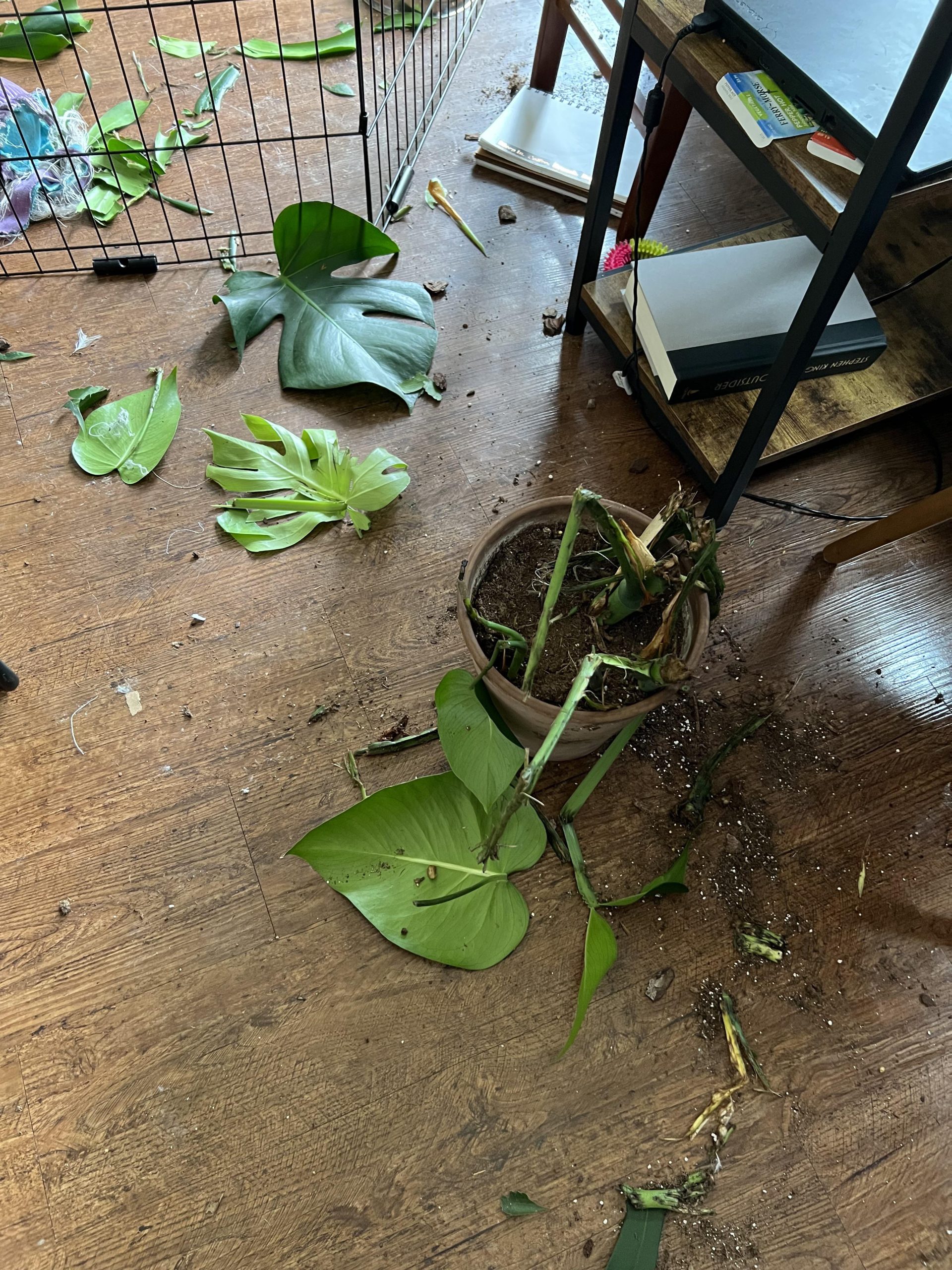
If a dog eats Monstera, it can be harmful. Monstera plants contain calcium oxalates, which can cause irritation in dogs.
Plants can look tempting to dogs. They might chew on them out of curiosity. But not all plants are safe. The Monstera is one such plant. It’s popular in homes because of its large, beautiful leaves. Yet, it poses a risk to pets.
When a dog eats Monstera, it can lead to discomfort and health issues. Symptoms include drooling, mouth pain, and vomiting. Knowing what to do if your dog eats Monstera is crucial. This knowledge can help you act quickly and keep your pet safe. Understanding the risks can also prevent future accidents. Stay informed to protect your furry friend.
Potential Toxicity
Monstera plants, known for their lush green leaves, are popular houseplants. But they pose a risk to pets. If a dog eats Monstera, it can cause health issues. The plant contains calcium oxalate crystals. These crystals can be harmful if ingested by dogs.
Common Symptoms
If a dog eats Monstera, several symptoms may appear. Common signs include drooling and pawing at the mouth. Dogs may also experience swelling in the mouth, lips, and tongue. Vomiting is another frequent symptom. Dogs might have difficulty swallowing. They may show signs of oral pain. Keep an eye out for these symptoms.
Severity Levels
The severity of symptoms can vary. Mild cases might involve minor irritation and discomfort. Moderate cases can lead to more pronounced swelling and pain. Severe cases may cause intense pain and significant swelling. In extreme situations, breathing difficulties can occur. Immediate veterinary attention is crucial in severe cases.

Immediate Actions
Immediate actions are crucial if your dog eats Monstera. This plant can be toxic to dogs. Swift action can prevent serious health issues.
Assessing The Situation
First, stay calm and assess your dog’s condition. Look for signs like drooling, pawing at the mouth, or vomiting. Check if any part of the Monstera plant is missing.
Note any symptoms and take a picture of the plant. This information will help the vet understand the situation better.
Contacting A Veterinarian
Call your veterinarian immediately. Explain what happened and describe the symptoms. Provide details about the Monstera plant.
Follow the vet’s instructions carefully. They may ask you to bring your dog in for an examination. Do not try to treat your dog at home without advice.
If the vet is not available, contact an emergency animal hospital. Quick action can make a huge difference in your dog’s health.
Treatment Options
If a dog eats Monstera, treatment options include inducing vomiting, administering activated charcoal, and seeking veterinary care immediately. Symptoms may include drooling, vomiting, and difficulty swallowing.
If a dog eats Monstera, it’s important to act fast. Monstera plants are toxic to dogs. They can cause mouth irritation, drooling, and vomiting. Early treatment can help prevent more serious health issues.Home Remedies
First, rinse your dog’s mouth with water. This can help remove plant residue. Offer your dog water to drink. It can soothe irritation and wash down any toxins. Monitor your dog closely. Check for signs of swelling or difficulty breathing. These may need urgent care.Professional Care
Visit a vet if symptoms are severe. The vet may induce vomiting. This helps remove the plant from the stomach. Activated charcoal might be given. It can bind the toxins and prevent absorption. The vet may also provide IV fluids. This can help with dehydration and support kidney function. Follow all vet advice closely for the best outcome. “`
Long-term Effects
If your dog eats a Monstera plant, the long-term effects can vary. This depends on the amount ingested and the dog’s size. While some dogs may recover quickly, others might face more serious complications. Understanding these effects is crucial for providing the best care for your furry friend.
Possible Complications
Some dogs may experience chronic symptoms after ingesting Monstera. Here are a few potential complications:
- Kidney Damage: In rare cases, toxins may affect the kidneys.
- Digestive Issues: Persistent vomiting and diarrhea can occur.
- Oral Ulcers: The mouth and throat may develop painful sores.
These complications can lead to ongoing discomfort and health issues. It’s vital to monitor your dog closely after exposure.
Monitoring Recovery
Recovery monitoring is essential to ensure your dog heals properly. Here’s a guide to help:
- Regular Vet Visits: Schedule frequent check-ups.
- Hydration: Ensure your dog drinks plenty of water.
- Diet: Provide a bland diet if digestive issues persist.
Keeping a close eye on your dog’s health can make a significant difference. Early intervention can prevent long-term damage.
Preventive Measures
Dogs are curious creatures. They often explore with their mouths. This can lead to dangerous situations, especially with toxic plants like Monstera. By taking some preventive measures, you can keep your furry friend safe.
Safe Plant Choices
Choose pet-friendly plants. Opt for plants like spider plants, Boston ferns, or African violets. These are safe for dogs and add beauty to your home. Research before buying any plant. Ensure it’s non-toxic to pets.
Dog-proofing Your Home
Keep toxic plants out of reach. Place them on high shelves or in rooms your dog can’t access. Use barriers or gates if necessary. Train your dog to avoid certain areas. Reward them for staying away from restricted zones.
Store plant food and fertilizers safely. These can be harmful if ingested. Keep these products in locked cabinets or out of reach. Supervise your dog during playtime. Ensure they don’t chew on plants or other dangerous items.
Alternatives To Monstera
If your dog has eaten a Monstera, you might be worried. Monstera plants are toxic to dogs. They can cause serious health issues. Fortunately, there are safe alternatives. These plants can beautify your home without posing a danger to pets. Let’s explore some of these options.
Non-toxic Plants
There are many beautiful, non-toxic plants for your home. Here are some great choices:
- Spider Plant: This plant is safe and purifies the air.
- Areca Palm: Adds a tropical feel. Safe for pets.
- Boston Fern: Elegant and non-toxic.
- Calathea: Known for its vibrant leaves. Safe for dogs.
Pet-friendly Indoor Gardens
Creating a pet-friendly indoor garden can be fun. Here are some ideas:
- Herb Garden: Grow basil, rosemary, and thyme. These herbs are safe for pets.
- Succulent Collection: Choose pet-safe varieties like Haworthia.
- Hanging Gardens: Use hanging pots for added safety and beauty.
Make sure to always check the safety of plants before bringing them home. A pet-friendly garden can be both beautiful and safe. Enjoy decorating your space with these lovely, non-toxic options!
Recognizing Plant Toxicity
Pets often explore the world with their mouths. This curiosity can lead to trouble. Some household plants can be toxic if ingested. Recognizing plant toxicity is crucial for every pet owner. Knowing the signs can help keep your dog safe.
Common Toxic Plants
Many plants can be harmful to dogs. Here are some of the most common toxic plants:
- Monstera – Causes oral irritation and swelling.
- Aloe Vera – Can lead to vomiting and diarrhea.
- Philodendron – May cause oral pain and drooling.
- Dieffenbachia – Can result in digestive issues.
- Sago Palm – Extremely toxic; affects the liver.
Identifying Dangerous Plants
Identifying dangerous plants in your home or garden is essential. Here’s how to recognize them:
| Plant Name | Symptoms of Toxicity | Appearance |
|---|---|---|
| Monstera | Oral irritation, swelling, vomiting | Heart-shaped leaves with holes |
| Aloe Vera | Vomiting, diarrhea, lethargy | Thick, fleshy leaves |
| Philodendron | Pain, drooling, swelling | Large, glossy leaves |
| Dieffenbachia | Digestive distress, drooling | Speckled leaves, green and white |
| Sago Palm | Vomiting, seizures, liver failure | Feathery leaves, thick trunk |
Recognize these plants to prevent exposure. Keep them out of reach of your pets.

Educating Pet Owners
Pet owners must be aware of the dangers certain plants pose to dogs. One such plant is the Monstera, which can be harmful if ingested. Knowing what happens if a dog eats Monstera and how to prevent it is crucial. Educating yourself on this topic can help keep your furry friend safe.
Training Tips
- Teach the command “leave it” to prevent your dog from eating harmful items.
- Provide plenty of safe chew toys to keep your dog occupied.
- Supervise your dog when it’s around unfamiliar plants.
Resources For Pet Safety
There are many resources available to help ensure your dog’s safety.
| Resource | Description | Link |
|---|---|---|
| ASPCA Animal Poison Control | Provides information on toxic plants and emergency assistance. | ASPCA Poison Control |
| Pet Poison Helpline | 24/7 emergency service for pet poisoning. | Pet Poison Helpline |
| Veterinarian Consultations | Consult your vet for advice on pet-safe plants. | Contact your local vet |
These resources can provide valuable information and support if your dog eats Monstera.
Frequently Asked Questions
What Are The Symptoms Of Monstera Poisoning In Dogs?
If a dog eats Monstera, they may exhibit drooling, vomiting, difficulty swallowing, and oral irritation. Immediate veterinary attention is needed.
Is Monstera Dangerous For Dogs?
Yes, Monstera is toxic to dogs. It contains calcium oxalates that can cause irritation and digestive issues.
What Should I Do If My Dog Eats Monstera?
If your dog eats Monstera, contact your veterinarian immediately. Do not induce vomiting without professional guidance.
Can Monstera Poisoning Be Fatal For Dogs?
Monstera poisoning is rarely fatal but can cause severe discomfort. Prompt veterinary care ensures better outcomes.
Conclusion
It’s important to keep Monstera plants away from dogs. These plants can cause discomfort and health issues. If your dog eats Monstera, seek immediate veterinary help. Prompt action ensures your dog’s safety. Always monitor pets around plants. Choose pet-safe plants for your home.
This keeps your dog happy and healthy. Prioritize your pet’s well-being.
Leave a Reply