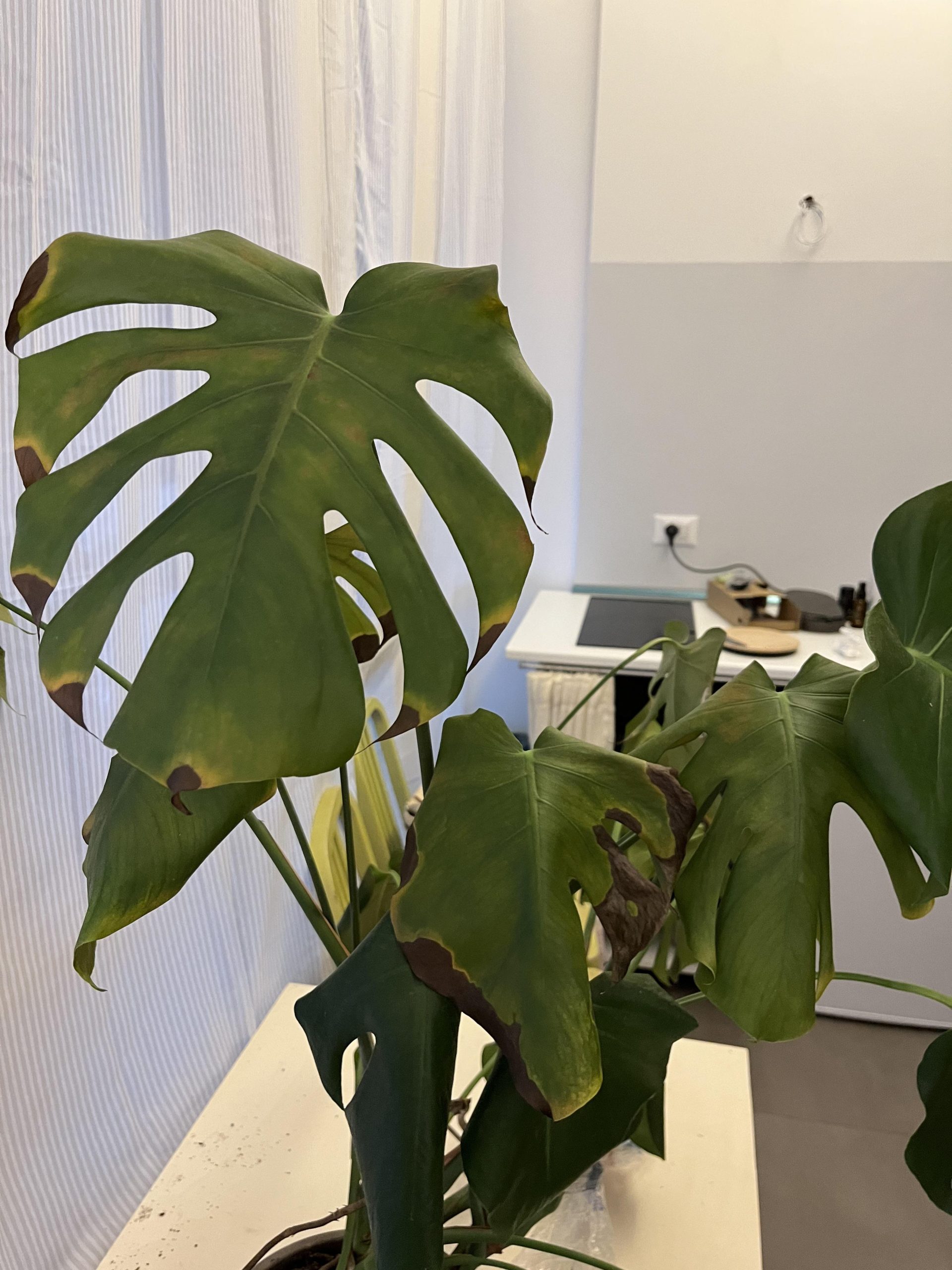
Overwatering a Monstera can be a common mistake. It can lead to root rot and other issues.
So, what should you do if you overwater this popular plant? Monstera plants thrive with the right balance of water. Too much water can harm them. If you suspect you’ve overwatered your Monstera, don’t panic. There are simple steps you can take to save it.
First, you need to identify the signs of overwatering. These include yellowing leaves, soggy soil, and a musty smell. Once identified, take action immediately. Proper care and quick response can help your Monstera recover. This post will guide you through the steps to nurse your plant back to health. Let’s dive into how you can fix the overwatering problem and keep your Monstera thriving.
Signs Of Overwatering
Overwatering is a common issue for Monstera plants. Recognizing the signs early can save your plant. Here are some key indicators that you might be overwatering your Monstera:
Yellowing Leaves
One of the first signs of overwatering is yellowing leaves. If your Monstera’s leaves turn yellow, it might be getting too much water. Check the soil moisture before watering again.
Wilting And Drooping
Overwatered Monstera plants often exhibit wilting and drooping. Despite adequate watering, the plant appears weak. This can confuse many plant owners. Ensure the soil is not waterlogged.
Mushy Stems
Mushy stems are a serious sign of overwatering. The stems become soft and may even rot. This happens when the roots are suffocating from too much water. Check the soil and adjust your watering schedule.
Below is a table summarizing these signs:
| Sign | Description |
|---|---|
| Yellowing Leaves | Leaves turn yellow due to excess water. |
| Wilting and Drooping | Plant appears weak and droopy despite watering. |
| Mushy Stems | Stems become soft and may rot. |
Identify these signs early to save your Monstera. Adjust your watering habits accordingly.
Immediate Actions
Over-watering a Monstera plant can lead to root rot and other issues. Addressing the problem quickly helps save the plant. These immediate actions can help revive an over-watered Monstera.
Stop Watering
First, stop watering your Monstera. Over-watering happens when the soil stays wet too long. Let the soil dry out completely before watering again. Use a moisture meter to check the soil’s moisture level. This prevents further damage.
Remove Excess Water
If the pot has standing water, remove it immediately. Tip the pot to drain excess water. Use paper towels to soak up any remaining water. This helps prevent root rot. Roots need air to stay healthy.
Check Drainage
Ensure the pot has drainage holes. Good drainage allows excess water to escape. If your pot lacks holes, repot the Monstera into one with proper drainage. Adding a layer of small rocks at the bottom can also improve drainage. This keeps the roots from sitting in water.
Assessing Root Damage
Overwatering a Monstera can lead to root damage. Check for signs like yellow leaves or a musty smell. Reduce watering and improve drainage to help the plant recover.
Overwatering a Monstera can lead to serious problems. The roots may suffer damage and rot. Assessing root damage is crucial to save your plant. Follow these steps to inspect and treat the roots.Inspect Roots
Gently remove the Monstera from its pot. Shake off excess soil. Look closely at the roots. Healthy roots are firm and white. Damaged roots are mushy and brown. Smell the roots. A foul odor indicates rot.Trim Affected Roots
Use clean, sharp scissors to trim the mushy roots. Cut back to healthy tissue. Be gentle to avoid further damage. Disinfect your tools after use. This prevents the spread of disease.Rinse Healthy Roots
Rinse the healthy roots with lukewarm water. Remove any remaining soil. This helps to clean the roots and reduce the risk of further infection. Let the roots dry for a few hours. Then repot in fresh, well-draining soil. “`
Repotting The Plant
Overwatering your Monstera can cause root rot and other issues. One effective solution is repotting the plant. Repotting helps remove the excess water and gives the roots a fresh start. Follow these steps to ensure your Monstera stays healthy and thrives.
Choosing The Right Soil
Choosing the right soil is crucial for repotting a Monstera. Use a well-draining soil mix. A mix of potting soil, perlite, and orchid bark works well. Avoid heavy soils that retain too much water.
| Soil Component | Purpose |
|---|---|
| Potting Soil | Provides nutrients |
| Perlite | Improves drainage |
| Orchid Bark | Enhances aeration |
Using Proper Pot Size
Using the proper pot size ensures the plant has enough space. Choose a pot that is 1-2 inches larger in diameter than the current one. A larger pot allows the roots to spread out and grow.
Avoid pots that are too large. Excess soil can hold more water and lead to root rot.
Ensuring Adequate Drainage
Ensuring adequate drainage is essential for a healthy Monstera. Make sure the pot has drainage holes at the bottom. These holes allow excess water to escape.
Consider adding a layer of gravel or small stones at the bottom of the pot. This layer helps improve drainage and prevents water from sitting at the roots.
- Check the pot for drainage holes.
- Add a layer of gravel or small stones.
- Use a saucer to catch excess water.
By following these steps, you can successfully repot your Monstera. This will help it recover from overwatering and continue to grow strong and healthy.
Reviving The Plant
Overwatering a Monstera can lead to root rot and other problems. The good news is that you can revive your plant. Follow these steps to bring your Monstera back to life. Your plant will thank you for it.
Replanting Process
First, carefully remove the plant from its pot. Check the roots for any signs of rot. Trim off any brown or mushy roots with clean scissors. Use fresh, well-draining soil to replant your Monstera. Choose a pot with drainage holes to avoid future overwatering.
Initial Watering
After replanting, water the Monstera lightly. Make sure the soil is moist but not soggy. Wait for the top inch of soil to dry out before watering again. Monitor the soil moisture to prevent overwatering.
Optimal Light Conditions
Place the Monstera in a spot with bright, indirect light. Avoid direct sunlight, as it can scorch the leaves. Consider rotating the plant every week for even growth. Light plays a crucial role in the plant’s recovery.
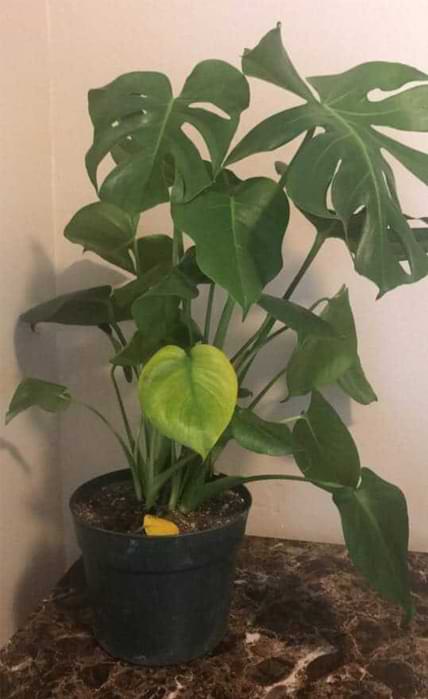
Preventing Future Overwatering
Overwatering a Monstera can cause many problems. To prevent this, you need to follow a few simple steps. This section will guide you through creating an effective watering schedule, monitoring soil moisture levels, and selecting the right pot.
Watering Schedule
Creating a consistent watering schedule is crucial. Monstera plants need water every one to two weeks. Adjust the frequency based on the season. In winter, water less often. Always check the top inch of soil. If it is dry, it is time to water.
Soil Moisture Levels
Monitoring soil moisture levels helps avoid overwatering. Use a moisture meter for accuracy. Insert the meter into the soil. If the reading is low, the plant needs water. You can also use your finger. Stick it into the soil up to the first knuckle. If it feels dry, water the plant. If it is still moist, wait a few days and check again.
Proper Pot Selection
Choosing the right pot is vital for proper drainage. Ensure the pot has drainage holes at the bottom. This helps excess water to escape. Avoid pots without holes. They can trap water and cause root rot. Use a pot with a saucer to catch extra water. Remove the saucer after watering to prevent standing water.
| Task | Frequency |
|---|---|
| Check Soil Moisture | Every 3-4 days |
| Watering | Every 1-2 weeks |
Follow these steps to keep your Monstera healthy and happy. Consistent care will prevent overwatering and promote growth.
Monitoring Recovery
Monitoring the recovery of an overwatered Monstera is crucial. This ensures the plant returns to health and vitality. With careful observation and adjustments, you can help your Monstera thrive again.
Signs Of Improvement
Look for new, healthy leaves. These are a positive sign. The leaves should be firm and green. If the leaves are no longer yellowing or wilting, this is good. Also, check the roots. Healthy roots are white and firm, not mushy.
Adjusting Care Routine
Adjust the watering schedule. Water only when the top inch of soil is dry. Use a well-draining potting mix. Ensure the pot has drainage holes. Place the plant in indirect sunlight. Avoid direct sunlight, which can stress the plant further.
Long-term Care Tips
Regularly check the soil moisture. Use a moisture meter for accuracy. Repot the Monstera every 1-2 years. This prevents root bound conditions. Prune dead or damaged leaves. This helps the plant focus on new growth. Maintain a consistent care routine. Healthy habits will keep your Monstera thriving.
Common Mistakes To Avoid
Overwatering a Monstera can lead to significant problems. Knowing the common mistakes to avoid can help you nurse your plant back to health. Let’s dive into these mistakes and how to prevent them.
Overcompensating With Fertilizer
Many plant owners think adding more fertilizer will fix their overwatered Monstera. This is a mistake. Overfertilizing can stress the plant further. Instead, focus on letting the soil dry out. Fertilizer should be used sparingly and only when the plant shows signs of nutrient deficiency.
Ignoring Drainage
Proper drainage is crucial for Monstera plants. Ignoring drainage can cause root rot. Always ensure your plant’s pot has drainage holes. If water cannot escape, it will sit at the bottom and damage the roots. Use a well-draining soil mix for best results.
Not Allowing Drying Time
After overwatering, it’s important to let the soil dry out. Many plant owners water again too soon. This prevents the roots from recovering. Let the soil dry completely before watering again. Use a moisture meter to check soil moisture levels.
Frequently Asked Questions
How Can I Tell If My Monstera Is Overwatered?
If your Monstera has yellowing leaves, a musty smell, or root rot, it’s overwatered. Check the soil for moisture and adjust your watering schedule.
How Do I Fix An Overwatered Monstera?
First, stop watering immediately. Remove the plant from its pot and inspect the roots. Trim any rotten roots and repot in fresh, well-draining soil.
What Are The Signs Of Root Rot In Monstera?
Signs include brown, mushy roots, yellowing leaves, and an unpleasant odor. If you suspect root rot, act quickly to save your plant.
How Often Should I Water My Monstera?
Water your Monstera when the top 2 inches of soil are dry. Overwatering can lead to root rot and other issues.
Conclusion
Caring for a Monstera can be tricky, especially with watering. Overwatering can harm your plant. Always check the soil before watering. Ensure proper drainage to avoid root rot. Remove any damaged leaves promptly. Monitor the plant for signs of stress.
Adjust your watering schedule as needed. Remember, it’s better to underwater slightly than to overwater. With attention and care, your Monstera will thrive. Happy growing!
Leave a Reply