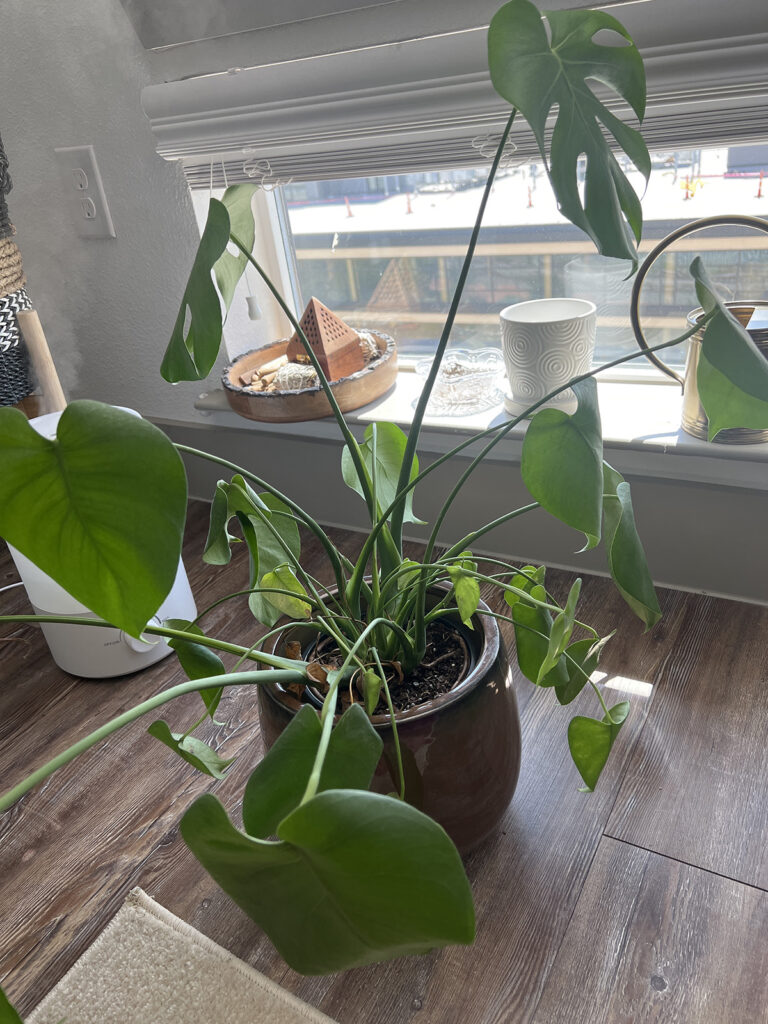
Is your Monstera plant looking unhealthy? This can be worrying for any plant lover.
Monsteras are beautiful and popular houseplants known for their unique, split leaves. When a Monstera starts to decline, it can be due to various reasons. These plants need specific care to thrive. Understanding the signs of distress and the right steps to take can save your plant.
Healthy Monsteras can bring joy and a touch of nature to your home. Let’s explore what might be going wrong and how to help your Monstera recover. Keep reading to learn how to nurse your plant back to health.
Identifying The Problem
If your Monstera plant is showing signs of distress, it is crucial to identify the problem quickly. Recognizing the symptoms early can save your plant. This section will guide you through the common symptoms and early warning signs of a dying Monstera.
Common Symptoms
Several symptoms indicate that your Monstera is not healthy. The most obvious signs include:
- Yellowing leaves: This often indicates overwatering or poor drainage.
- Drooping leaves: This could be a sign of underwatering or low humidity.
- Brown leaf edges: Usually caused by underwatering or lack of humidity.
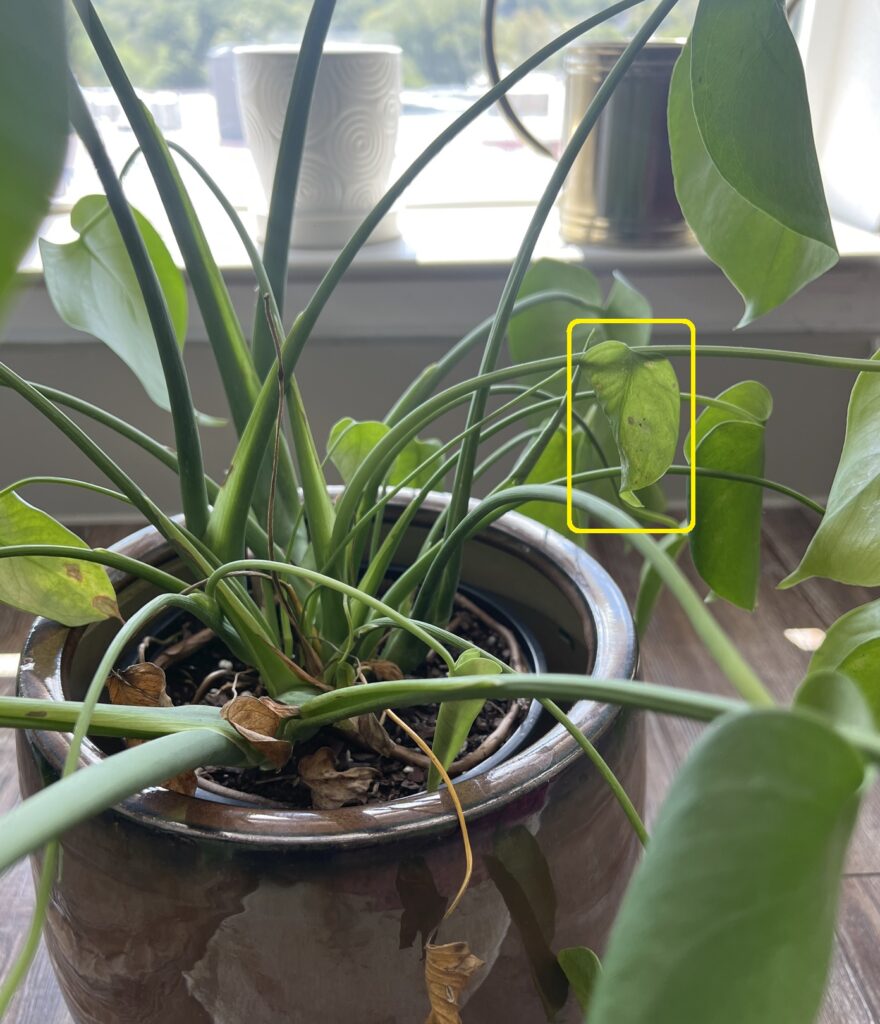
- Leaf spots: Dark spots can be a sign of fungal infections.
- Slow growth: If your plant is not growing, it might lack nutrients or light.
Early Warning Signs
Identifying problems early can prevent more severe damage. Look for these early warning signs:
- Wilting leaves: This can indicate both underwatering and overwatering.
- Yellowing lower leaves: These may suggest nutrient deficiencies.
- Stunted growth: This often indicates that the plant needs more light.
- Root rot: Check for mushy or blackened roots, which signal overwatering.
- Pale leaves: These are often a sign of insufficient light exposure.
Regularly inspect your Monstera for these symptoms and signs. Early detection and proper action can help your plant recover and thrive.
Assessing The Environment
Is your Monstera looking sad and unhealthy? Start by assessing the environment. Your plant’s surroundings greatly affect its health. Key factors like light, temperature, and humidity need careful attention. Understanding these can help you revive your Monstera.
Light Conditions
Monstera plants love bright, indirect light. Too much direct sun can scorch their leaves. If the plant is in a dark corner, it might not be getting enough light. Move it closer to a window, but not in direct sunlight. Consider using sheer curtains to filter the light. If natural light is scarce, use grow lights to supplement.
Temperature Needs
Monstera plants thrive in temperatures between 65-85°F (18-29°C). Extreme temperatures can stress the plant. Ensure it is not near drafts, heaters, or air conditioners. A consistent temperature is key for their growth. Use a thermometer to monitor the room temperature.
| Condition | Optimal Range |
|---|---|
| Light | Bright, indirect |
| Temperature | 65-85°F (18-29°C) |
By focusing on these environmental factors, you can improve your Monstera’s health. Adjust light and temperature to create a suitable environment for your plant. Small changes can make a big difference.
Watering Techniques
Watering is crucial for the health of your Monstera plant. Proper watering techniques can be the difference between a thriving plant and a dying one. Understanding how and when to water your Monstera can help revive it.
Proper Watering Schedule
Monstera plants prefer a consistent watering schedule. Water your Monstera once a week. Always check the top inch of soil. If it’s dry, it’s time to water. Use room temperature water for best results. Ensure the pot has drainage holes to avoid waterlogging.
Signs Of Overwatering
Overwatering can harm your Monstera. Look for yellowing leaves. This is a common sign. Drooping leaves can also indicate overwatering. The soil may feel constantly wet. Root rot is a severe sign. To avoid this, let the soil dry out between waterings. Adjust your watering schedule accordingly.
Soil And Potting Mix
Soil and potting mix are crucial for your Monstera’s health. If you notice your Monstera is struggling, the soil might be the problem. Proper soil and potting mix provide essential nutrients and proper drainage. Let’s explore the best soil composition and repotting tips for your Monstera.
Ideal Soil Composition
Monsteras need well-draining soil. A blend of peat moss, pine bark, and perlite works well. Peat moss retains moisture, while pine bark offers aeration. Perlite ensures good drainage. Avoid heavy soils that retain too much water. They can cause root rot and harm your Monstera.
Repotting Tips
Repot your Monstera every 1-2 years. Choose a pot with drainage holes. This prevents waterlogging and root rot. Gently remove your Monstera from its current pot. Loosen the roots and shake off excess soil. Place it in the new pot with fresh soil mix. Water it thoroughly after repotting.
Repotting gives your Monstera fresh nutrients. It also allows room for growth. Check the roots for signs of rot or damage. Trim any unhealthy roots before repotting. This helps your Monstera recover and thrive.
Nutrient Deficiencies
Is your Monstera looking sad and unhealthy? It might be suffering from nutrient deficiencies. Plants need the right nutrients to thrive. Without them, your Monstera can struggle to grow and stay vibrant. Understanding and addressing these deficiencies can save your plant. Let’s dive into the essentials.
Fertilizing Guidelines
Proper fertilization is key to a healthy Monstera. Use a balanced fertilizer with equal parts nitrogen, phosphorus, and potassium. Apply fertilizer every two weeks during the growing season. In winter, reduce the frequency to once a month. Over-fertilizing can harm your plant. Always follow the instructions on the fertilizer package. Water your Monstera before fertilizing to prevent root burn.
Recognizing Nutrient Imbalance
Yellowing leaves can indicate a nitrogen deficiency. If leaves turn brown at the edges, it might be due to a lack of potassium. Pale, stunted growth can signal a phosphorus deficiency. Wilting or drooping leaves may mean your Monstera needs magnesium. Identifying these signs early can help you provide the right nutrients. Healthy leaves are green and vibrant.
Pest Control
Pests can wreak havoc on your Monstera plant. They feed on the plant’s leaves, stems, and roots, causing damage and stress. Addressing pest issues promptly is crucial for your plant’s health.
Common Pests
Spider mites, mealybugs, and scale insects are common pests that attack Monsteras. Spider mites are tiny and create fine webbing on leaves. Mealybugs look like small cotton balls. Scale insects appear as small brown or yellow bumps.
Natural Remedies
Neem oil is an effective natural remedy for pest control. Mix it with water and spray it on the affected areas. Rubbing alcohol can also help. Dab it on a cotton ball and wipe the pests off the plant. You can also use insecticidal soap. It is safe and easy to apply.
Pruning And Trimming
Pruning and trimming your Monstera plant can help it thrive. It removes dead or damaged leaves, promotes new growth, and improves overall plant health. Knowing the right time and way to prune can make a big difference.
When To Prune
Prune your Monstera during the growing season. This is usually spring and summer. Look for yellow or brown leaves. These are signs that pruning is needed. If the plant looks crowded, it’s a good time to prune.
How To Trim Properly
Use clean, sharp scissors or pruning shears. Cut the stem just above a leaf node. This helps the plant grow back stronger. Remove any yellow or brown leaves. These leaves no longer help the plant. Trim any stems that are too long. This will keep your Monstera looking neat and healthy.
Long-term Care
If your Monstera is struggling, don’t lose hope. With the right long-term care, you can nurse it back to health. This section will cover essential maintenance tips and how to prevent future issues.
Maintenance Tips
Proper maintenance is crucial for a healthy Monstera. Follow these tips to ensure your plant thrives:
- Watering: Water your Monstera when the top inch of soil is dry. Overwatering can lead to root rot.
- Light: Provide bright, indirect light. Direct sunlight can scorch the leaves.
- Humidity: Monstera plants love humidity. Use a humidifier or mist the leaves regularly.
- Fertilizing: Feed your plant with a balanced fertilizer once a month during the growing season.
- Pruning: Trim yellow or damaged leaves to encourage new growth.
Preventing Future Issues
To keep your Monstera healthy, it’s important to prevent future problems. Here are some strategies:
- Check for pests: Inspect your plant regularly for pests like spider mites and aphids. Use insecticidal soap if needed.
- Proper drainage: Ensure your pot has drainage holes. Standing water can harm the roots.
- Soil choice: Use well-draining soil. A mix of peat moss, perlite, and pine bark works well.
- Temperature control: Keep your plant in a stable environment. Avoid placing it near drafts or heat sources.
- Repotting: Repot your Monstera every 2-3 years. This gives it fresh soil and more room to grow.
By following these long-term care tips, your Monstera can recover and thrive. Remember, patience and consistency are key.
Frequently Asked Questions
How Can I Save My Dying Monstera?
First, identify the problem: overwatering, underwatering, pests, or poor light. Adjust care accordingly. Prune damaged leaves. Ensure proper drainage.
Why Are My Monstera Leaves Turning Yellow?
Yellow leaves often indicate overwatering. Allow the soil to dry out between waterings. Check for root rot.
What Causes Brown Spots On Monstera Leaves?
Brown spots can result from underwatering, low humidity, or pests. Increase humidity, water consistently, and inspect for pests.
How Often Should I Water My Monstera?
Water your Monstera when the top 2 inches of soil are dry. Overwatering can lead to root rot.
Conclusion
Reviving a dying Monstera requires patience and care. First, identify the problem. Is it overwatering, pests, or lack of light? Address these issues promptly. Trim damaged leaves and ensure proper drainage. Check the soil for pests and treat them if needed.
Place your plant in a bright spot, avoiding direct sunlight. Monitor its progress and adjust care as needed. Remember, consistent care can bring your Monstera back to health. Stay attentive and patient. Your plant will thank you with lush, green growth.
Happy gardening!
Leave a Reply