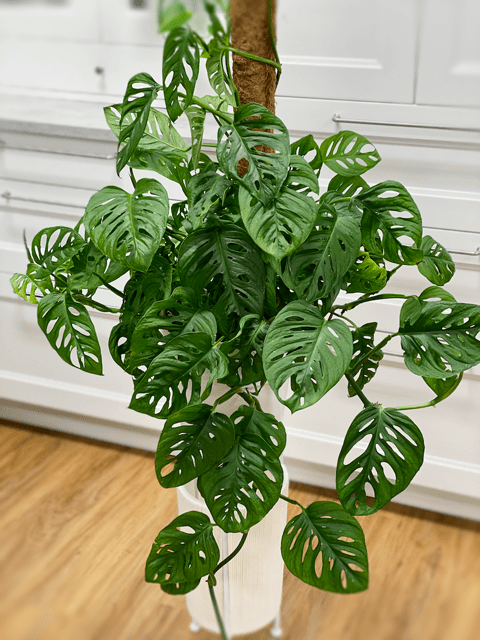
Monstera and Swiss Cheese Plant are popular houseplants. They are often confused for one another.
Understanding the difference is important for proper care. Both plants have unique characteristics and needs. Knowing how to identify each can improve your plant care skills. In this blog post, we will explore the key differences. You will learn to distinguish between Monstera and Swiss Cheese Plant.
This will help you become a better plant parent. Let’s dive into the details and clear up the confusion.
Botanical Background
Understanding the botanical background of Monstera and Swiss Cheese Plant helps differentiate these two popular houseplants. Both plants belong to the Araceae family, yet they have unique characteristics and origins.
Scientific Names
The scientific name of the Monstera is Monstera deliciosa. This name reflects its large, delicious fruits. On the other hand, the Swiss Cheese Plant is scientifically known as Monstera adansonii. Despite their similar names, these plants are distinct species within the same genus.
Origins And Natural Habitats
Monstera deliciosa originates from the tropical rainforests of Southern Mexico and Central America. It thrives in humid, warm environments, often climbing trees with its aerial roots.
Monstera adansonii is native to the rainforests of South and Central America. It also prefers humid conditions and can be found climbing trees or trailing along the forest floor.
| Plant | Scientific Name | Origin | Natural Habitat |
|---|---|---|---|
| Monstera | Monstera deliciosa | Southern Mexico, Central America | Tropical rainforests, climbing trees |
| Swiss Cheese Plant | Monstera adansonii | South and Central America | Rainforests, climbing trees or trailing |
:max_bytes(150000):strip_icc()/grow-monstera-adansonii-swiss-cheese-plant-1902774-hero-01-dc903dae459a4dd5b919d5e1d1bee9d3.jpg)
Physical Characteristics
Understanding the physical characteristics is crucial when distinguishing between a Monstera and a Swiss Cheese Plant. While these plants may look similar at first glance, they possess unique features that set them apart.
Leaf Shape And Size
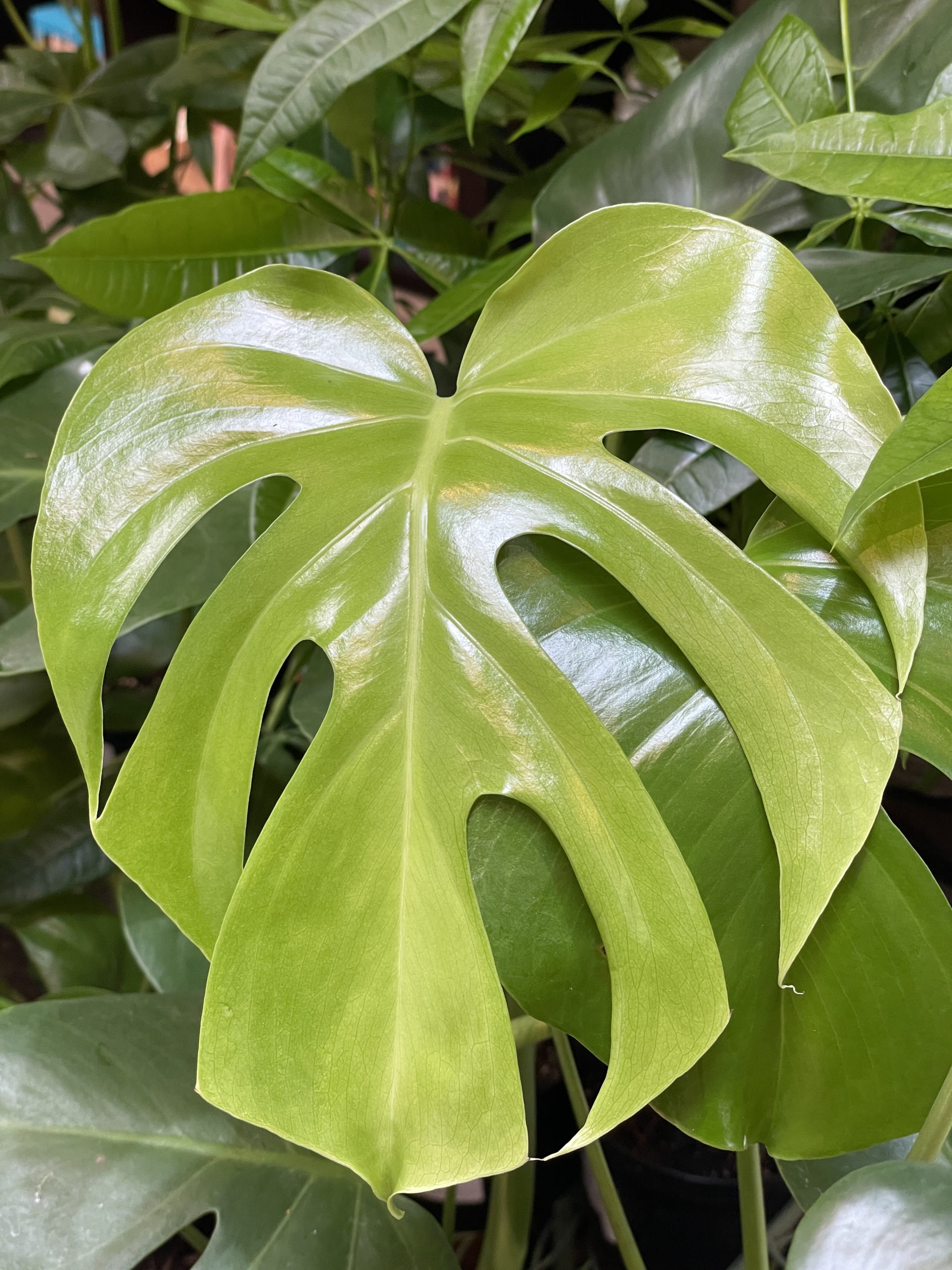
The leaves of a Monstera are large, with deep splits and holes. These leaves can grow up to 3 feet long. In contrast, the Swiss Cheese Plant has smaller leaves. The holes are more pronounced, giving a “swiss cheese” appearance.
| Plant Type | Leaf Size | Leaf Shape |
|---|---|---|
| Monstera | Up to 3 feet | Large with deep splits |
| Swiss Cheese Plant | Smaller | Pronounced holes |
Growth Patterns
Monstera plants exhibit a climbing growth pattern. They use aerial roots to attach to trees or other structures. Swiss Cheese Plants also climb but tend to grow more densely. They form a bushier appearance.
- Monstera: Climbs with aerial roots, spreads out.
- Swiss Cheese Plant: Climb densely, bushier form.
Both plants can thrive indoors. Yet, each offers a unique aesthetic based on their physical characteristics.
Care Requirements
Understanding the care requirements of Monstera and Swiss Cheese Plants is vital. Both plants share similarities but have distinct needs. This guide will help you provide the best care for each plant.
Watering Needs
Monstera plants need consistent moisture. Water them when the top inch of soil feels dry. Overwatering can lead to root rot, so ensure proper drainage.
Swiss Cheese Plants prefer slightly less water. Allow the soil to dry out a bit more between waterings. Check the soil before watering to avoid overwatering.
Light Preferences
Monstera plants thrive in bright, indirect light. They can tolerate low light but will grow slower.
Swiss Cheese Plants also enjoy bright, indirect light. They can handle some direct sunlight but not for extended periods.
Both plants will benefit from rotating regularly. This ensures even growth and prevents leaning towards the light source.
Common Varieties
The Monstera and Swiss Cheese Plant are popular indoor plants. Both have unique and striking appearances. Understanding their common varieties can help you choose the best one for your home. Let’s explore the popular varieties of each.
Popular Monstera Varieties
The Monstera genus offers several captivating varieties. The Monstera Deliciosa is well-known. It features large, heart-shaped leaves with natural splits. This plant is also known as the “Swiss Cheese Plant,” but it’s not the same as the actual Swiss Cheese Plant.
Another popular variety is the Monstera Adansonii. It has smaller leaves with oval holes. This gives it a lace-like appearance. The Monstera Obliqua is rare and highly sought after. It has delicate leaves with more holes than the Adansonii.
Monstera Variegata is a stunning variety. Its leaves have white or cream patches. These patches create a beautiful contrast. Each of these varieties adds a unique touch to any indoor space.
Popular Swiss Cheese Plant Varieties
The Swiss Cheese Plant, scientifically known as Monstera Adansonii, has its varieties too. The regular Monstera Adansonii is the most common. It features glossy, dark green leaves with holes. This plant grows well in hanging baskets or on a moss pole.
Another variety is Monstera Adansonii ‘Friedrichsthalii’. It has larger leaves and more pronounced holes. This variety is less common but equally beautiful. The Monstera Adansonii ‘Laniata’ is also popular. It has thicker leaves with more symmetrical holes.
Each variety of the Swiss Cheese Plant brings a unique charm. They are perfect for adding a touch of nature to your home.
Common Misconceptions
There are many common misconceptions about the Monstera and the Swiss Cheese Plant. These two plants often cause confusion among plant enthusiasts. Let’s clear up the confusion with some detailed insights.
Misidentification Issues
One major issue is the misidentification of these plants. Many people think Monstera and Swiss Cheese Plant are the same. In reality, they are different species.
The Monstera plant, often called Monstera deliciosa, has larger leaves. These leaves have natural holes and splits. On the other hand, the Swiss Cheese Plant, known as Monstera adansonii, has smaller leaves. These leaves have more defined holes.
| Plant | Leaf Size | Leaf Features |
|---|---|---|
| Monstera deliciosa | Larger | Natural holes and splits |
| Monstera adansonii | Smaller | More defined holes |
Misleading Names
The names of these plants add to the confusion. The term “Swiss Cheese Plant” is often used for both species. This is misleading because only Monstera adansonii is the true Swiss Cheese Plant.
Additionally, Monstera deliciosa is sometimes referred to as the “Split Leaf Philodendron.” This name is incorrect and can confuse buyers. A real philodendron is a completely different plant.
Here is a quick comparison to help:
- Monstera deliciosa: Also known as “Split Leaf Philodendron” (incorrectly).
- Monstera adansonii: Commonly called “Swiss Cheese Plant.”
Understanding these differences can help you choose the right plant for your home. Always check the scientific name to avoid mistakes.
Propagation Techniques
Propagation techniques are essential for plant enthusiasts who wish to expand their green collection. Understanding the propagation methods of both Monstera and Swiss Cheese Plants can enhance your gardening skills. These techniques are simple and effective, ensuring your plants thrive and multiply.
Monstera Propagation
Monstera propagation usually involves stem cuttings. Select a healthy stem with at least one node. Use clean scissors to cut just below the node. Place the cutting in water, ensuring the node is submerged. Change the water every few days. Roots should appear in a few weeks. Once roots are established, transfer the cutting to soil. Keep the soil moist and place the pot in indirect light.
Swiss Cheese Plant Propagation
Swiss Cheese Plant propagation also uses stem cuttings. Choose a stem with at least one aerial root. Cut just below the aerial root with clean scissors. You can place the cutting in water or directly in soil. If using water, ensure the aerial root is submerged. Change the water regularly to prevent bacteria growth. When roots are visible, plant the cutting in soil. If planting directly in soil, ensure it is well-draining. Keep the soil moist and place the pot in a bright, indirect light.
Pest And Disease Management
Monstera and Swiss Cheese plants, though similar, have different pest and disease concerns. Proper management ensures their health and longevity. Understanding the specific pests and diseases that affect each plant type helps in effective care.
Common Pests
Monstera plants often attract spider mites, aphids, and mealybugs. These pests feed on the plant’s sap, weakening its structure. Regular inspection is necessary to catch early infestations.
Swiss Cheese plants, on the other hand, may encounter thrips and scale insects. Thrips cause leaf discoloration, while scale insects leave sticky residue. Both pests can stunt plant growth.
Using insecticidal soap or neem oil can control these pests. Natural predators like ladybugs also help manage pest populations. Always quarantine new plants to prevent spreading pests.
Disease Prevention
Monstera plants are prone to root rot and fungal infections. Overwatering is a common cause. Ensure proper drainage and avoid waterlogged soil.
Swiss Cheese plants may suffer from bacterial leaf spot and powdery mildew. These diseases cause leaf spots and white powdery growth. Maintaining good air circulation reduces disease risks.
Regularly clean leaves with a damp cloth to remove dust and pathogens. Prune infected leaves immediately to prevent disease spread. Use fungicides if necessary, following the instructions carefully.
Both plants benefit from well-draining soil and appropriate watering. Good hygiene and proper care routines are key to disease prevention.

Frequently Asked Questions
What Is A Monstera Plant?
A Monstera plant is a tropical plant known for its large, perforated leaves. It’s popular as an indoor plant due to its striking appearance and easy care.
How Do Monstera And Swiss Cheese Plants Differ?
Monstera and Swiss Cheese plants differ primarily in leaf shape. Monstera leaves are larger and have natural holes, while Swiss Cheese plant leaves have more pronounced perforations.
Is The Swiss Cheese Plant A Type Of Monstera?
Yes, the Swiss Cheese plant, also known as Monstera adansonii, is a type of Monstera. It is characterized by its smaller, more perforated leaves.
Which Plant Is Easier To Care For?
Both Monstera and Swiss Cheese plants are relatively easy to care for. They require similar conditions, including indirect light, moderate watering, and well-draining soil.
Conclusion
Monstera and Swiss Cheese Plant have clear differences. Monstera leaves are larger, with deep cuts. Swiss Cheese Plant leaves have smaller holes. Both plants need similar care. Bright, indirect light works best. Water regularly but avoid overwatering. These differences help identify each plant.
Pick the one that fits your home best. Enjoy the beauty they bring.
Leave a Reply