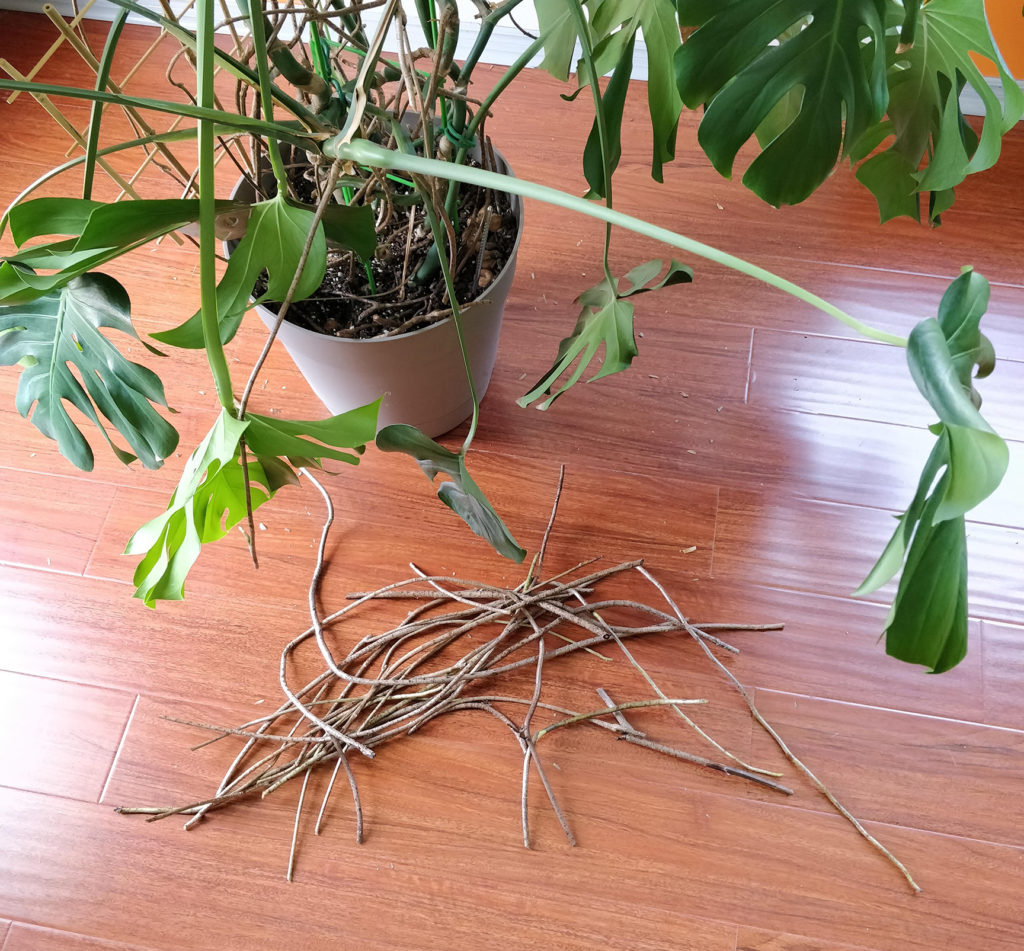
Yes, it is okay to cut Monstera aerial roots. These roots can be pruned without harming the plant.
Monstera plants are popular for their striking leaves and tropical vibe. Yet, many plant owners wonder about those long, dangling aerial roots. These roots can sometimes get messy or out of control. Knowing how to manage them is important. Cutting the aerial roots can help keep your plant tidy.
It’s a simple task that does not hurt the plant. By understanding when and how to prune these roots, you can maintain a beautiful and healthy Monstera. Let’s explore the right way to handle your Monstera’s aerial roots.

Introduction To Monstera Aerial Roots
Monstera plants are popular houseplants known for their large, beautiful leaves. Many people notice something unique about them – their aerial roots. Understanding these roots can help you take better care of your Monstera. Let’s explore what aerial roots are and their functions.
What Are Aerial Roots?
Aerial roots are roots that grow above the ground. Unlike typical roots, they emerge from the plant’s stem. Monstera plants have many aerial roots, and they can look a bit wild. These roots are usually long and thick. They can sometimes look like vines.
Common Functions Of Aerial Roots
Aerial roots serve several important functions for Monstera plants:
- Support: They help the plant stay upright. In nature, they allow the plant to climb trees.
- Nutrient absorption: They can absorb moisture and nutrients from the air.
- Stabilization: They provide stability to the plant, especially as it grows taller.
Knowing these functions can help you decide whether to cut them. Always consider the plant’s health when making this choice.
Benefits Of Monstera Aerial Roots
Monstera aerial roots serve many important functions for the plant. These roots help the plant thrive in its natural habitat and in your home. Understanding these benefits can help you decide if cutting them is a good idea.
Nutrient Absorption
Monstera aerial roots absorb moisture and nutrients from the air. This is vital for the plant’s growth. In their natural environment, these roots cling to trees and absorb nutrients from the bark. This process helps the plant get the extra nutrients it needs to grow strong and healthy.
Structural Support
Monstera aerial roots provide structural support for the plant. These roots help anchor the plant to nearby surfaces. As the Monstera grows larger, it becomes heavy. The aerial roots help keep it stable and upright. This support is essential for the plant’s health and growth.
When To Cut Aerial Roots
Monstera plants often grow long, aerial roots. These roots can seem a bit wild. But cutting them isn’t always a bad idea. You need to know the right time to trim them. Let’s explore when you should cut these roots.
Signs It’s Time To Trim
Sometimes, aerial roots can become too much. Here are a few signs that it’s time to trim:
- Roots are too long: If the roots are growing too long and looking messy.
- Roots are unhealthy: If the roots look dry or damaged.
- Roots are in the way: If the roots are climbing furniture or walls.
These signs show that it’s time to give your Monstera a trim. This will help keep your plant healthy and neat.
Seasonal Considerations
Timing is important when cutting aerial roots. The best time to trim is during the growing season.
| Season | Reason to Trim |
|---|---|
| Spring | Best time as the plant is in growth mode. |
| Summer | Good time as the plant is still growing actively. |
| Fall | Not ideal as the plant is slowing down. |
| Winter | Worst time as the plant is dormant. |
Trimming in the right season ensures the plant recovers quickly. Avoid trimming in fall and winter. The plant is not growing much then.
In summary, knowing when to cut aerial roots is key. Look for the signs. Trim during the right season. This will keep your Monstera happy and healthy.
How To Safely Trim Aerial Roots
Monstera plants are famous for their unique leaves and aerial roots. These roots help the plant climb and absorb moisture. But sometimes, they grow too long or become unsightly. So, is it ok to cut Monstera aerial roots? Yes, it is. You can safely trim them without harming the plant. Here’s how to do it right.
Necessary Tools
Before you start, gather your tools. You will need sharp pruning shears or scissors. Make sure they are clean to prevent infections. A clean cloth or paper towel is also useful to wipe the tools. Rubbing alcohol can help sanitize the tools.
Step-by-step Guide
First, identify the aerial roots you want to trim. Look for roots that are too long or damaged. Ensure you do not cut the main roots.
Next, clean your shears or scissors with rubbing alcohol. This step is important to keep your plant healthy. Wipe them with a clean cloth after sanitizing.
Hold the aerial root gently. Cut it close to the base. Be careful not to damage the main stem or leaves. It’s better to cut less than too much.
After trimming, check the plant for any signs of stress. Healthy Monstera plants will continue to grow new roots. Keep an eye on your plant for the next few days.
Potential Risks Of Cutting Aerial Roots
Monstera plants are popular for their unique leaves and aerial roots. These roots help the plant anchor and absorb moisture. Cutting them can pose several risks. Let’s explore the potential dangers.
Impact On Plant Health
Aerial roots play a crucial role in a Monstera’s health. They help the plant stay stable and absorb moisture and nutrients from the air. Removing these roots can make the plant less stable. It may also reduce the plant’s ability to absorb needed nutrients.
Without aerial roots, the plant could struggle to grow. Cutting aerial roots can stress the Monstera. This stress might slow its growth or cause other health issues.
Possible Infections
Cutting aerial roots can create open wounds on the plant. These wounds are entry points for bacteria and fungi. Infections can spread quickly through the plant.
Infected plants can show signs like yellowing leaves, wilting, or rot. To avoid infections, it’s important to use clean tools. Sterilize your cutting tools before use. This helps minimize the risk of spreading diseases.
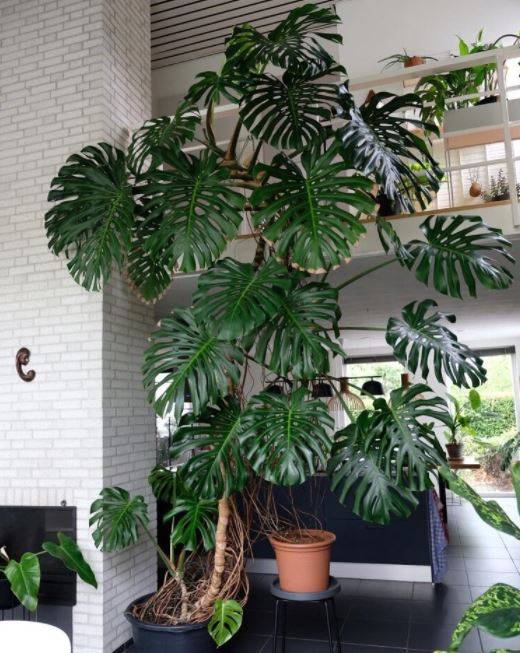
Post-trimming Care Tips
After trimming your Monstera’s aerial roots, it’s important to care for the plant to ensure it stays healthy and continues to grow well. Here are some essential tips to help you monitor and encourage new growth.
Monitoring Plant Health
Keep an eye on your Monstera after trimming. Check the leaves and stems regularly. Look for any signs of stress or disease. Ensure the plant has enough light, water, and nutrients.
Consider creating a simple table to help you monitor plant health:
| Aspect | What to Check | Frequency |
|---|---|---|
| Leaves | Color and texture | Weekly |
| Stems | Firmness and appearance | Weekly |
| Soil | Moisture level | Twice a week |
Encouraging New Growth
To promote new growth, make sure your Monstera receives adequate light. Place it in a spot with bright, indirect light. Direct sunlight can harm the leaves.
Water your Monstera properly. Overwatering can lead to root rot, while underwatering can cause the plant to wilt. Aim to keep the soil slightly moist.
Feed your Monstera with a balanced, water-soluble fertilizer once a month. This provides essential nutrients for growth.
- Provide bright, indirect light
- Maintain proper watering schedule
- Use balanced fertilizer monthly
By following these post-trimming care tips, your Monstera will stay healthy and vibrant.
Alternatives To Cutting Aerial Roots
Monstera plants are popular for their unique leaves and aerial roots. While cutting these roots might seem like the easiest solution, there are several alternatives to consider. These methods can help you manage the roots without harming the plant.
Training Roots
Training the aerial roots is one effective method. You can guide the roots back into the soil. This helps the plant get extra nutrients and water. Simply use soft ties or plant clips to direct the roots downward. This method keeps the roots from becoming a mess.
Using Support Structures
Another option is using support structures. Moss poles or trellises can support the aerial roots. This keeps them organized and provides extra stability for the plant. Attach the roots to the pole with plant ties. This will allow the roots to climb and add a decorative touch to your Monstera.
Expert Tips For Healthy Monstera Plants
Growing and maintaining a healthy Monstera plant can be a rewarding experience. These unique tropical plants are known for their large, split leaves and can add a touch of the jungle to any home. To ensure your Monstera thrives, it’s essential to understand the best practices for its care. Below, we’ll cover some expert tips to help keep your Monstera in top condition.
Optimal Growing Conditions
Monstera plants need the right conditions to grow well. They thrive in bright, indirect light. Direct sunlight can burn their leaves. A spot near a window with filtered light is ideal.
Monstera plants prefer warm temperatures. Keep them in a room with temperatures between 65-85°F (18-29°C). Avoid placing them near cold drafts or heat sources.
Maintaining the right humidity is crucial. Monsteras love high humidity. If your home is dry, consider using a humidifier or placing a tray of water near the plant. This helps to mimic the plant’s natural tropical environment.
Common Care Mistakes
Many plant owners make common mistakes when caring for their Monstera. Overwatering is a frequent issue. Monsteras prefer to dry out between waterings. Water the plant when the top inch of soil feels dry. Using a pot with drainage holes helps prevent root rot.
Another mistake is neglecting to prune. While Monsteras are hardy, they still need pruning. Remove any yellow or dead leaves. Prune aerial roots if they become too unruly. Use clean, sharp scissors or pruning shears to avoid damaging the plant.
Improper feeding can also harm your Monstera. Use a balanced liquid fertilizer during the growing season. Apply it every 4-6 weeks. Avoid fertilizing in the winter months when the plant’s growth slows.
Frequently Asked Questions
Can I Cut Monstera Aerial Roots?
Yes, you can cut Monstera aerial roots. It’s safe for the plant. Use clean, sharp scissors to avoid damage.
Why Do Monstera Have Aerial Roots?
Monstera have aerial roots for support and to absorb moisture. They help the plant climb and thrive.
How To Cut Monstera Aerial Roots?
Use clean, sharp scissors to cut Monstera aerial roots. Trim them close to the main stem.
Will Cutting Aerial Roots Harm My Monstera?
No, cutting aerial roots won’t harm your Monstera. It’s a common practice for managing their growth.
Conclusion
Cutting Monstera aerial roots is generally safe. Prune carefully to avoid damage. Healthy pruning promotes plant growth and appearance. Monitor your plant after pruning. Ensure it stays happy and vibrant. Understanding your plant’s needs is crucial. Happy pruning!
Leave a Reply