Overwatering a Monstera can lead to serious problems. It’s a common issue many plant lovers face.
Monstera plants are popular for their unique, split leaves and tropical vibe. But, giving them too much water can cause root rot and yellow leaves. These plants need the right balance of moisture to thrive. If you notice symptoms like soggy soil or drooping leaves, it’s time to act.
Understanding the signs and knowing how to fix overwatering can save your plant. With proper care, you can nurse your Monstera back to health. This guide will help you identify the problem and provide steps to recover your beloved plant. Keep reading to learn how to revive an overwatered Monstera.

Identifying Overwatered Monstera
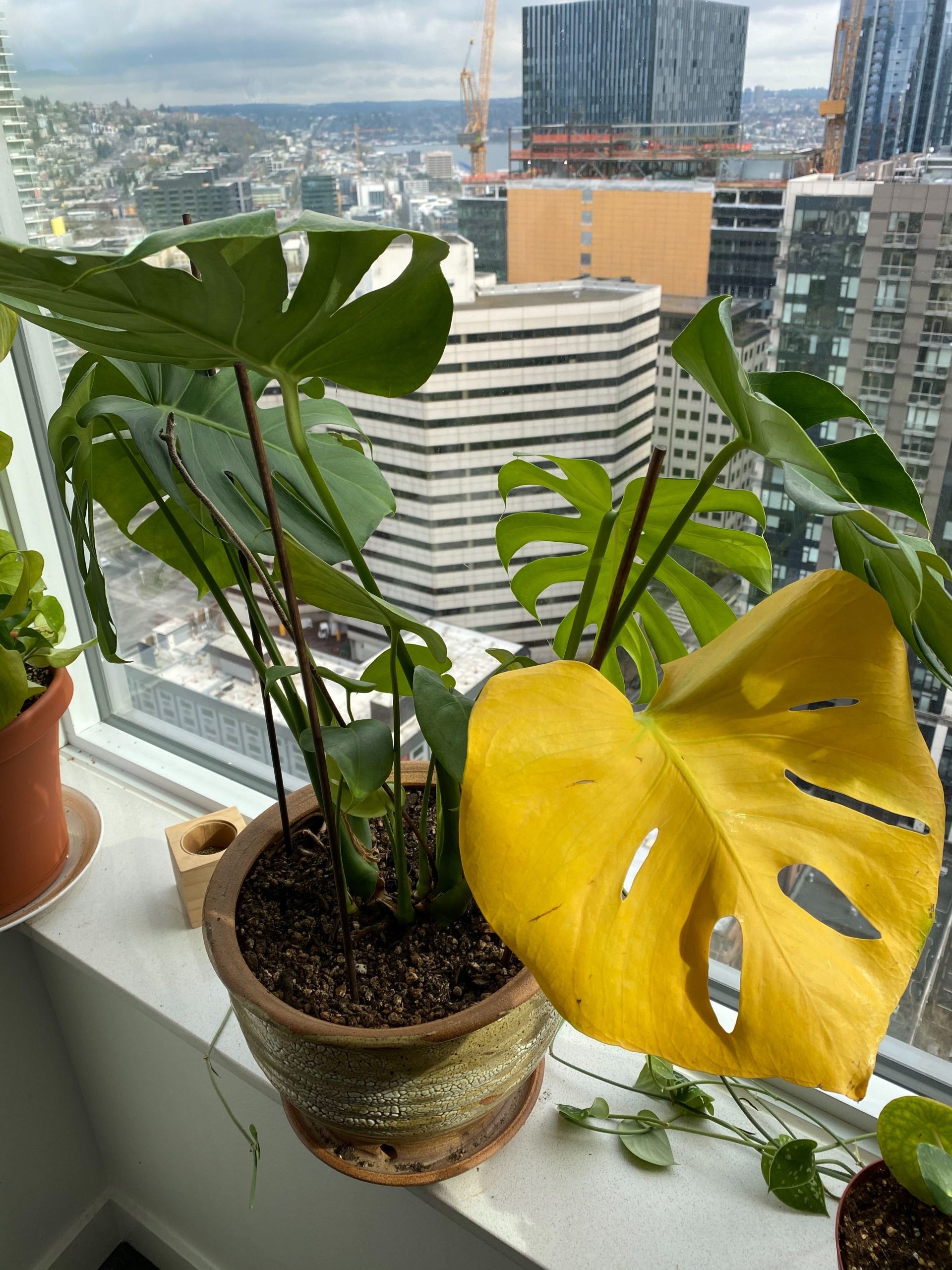
Yellowing leaves and mushy stems indicate overwatered Monstera. Reduce watering immediately. Allow soil to dry out between waterings.
Overwatering is a common issue for Monstera plants. Recognizing the signs early can save your plant. Knowing the symptoms helps in taking timely action. Below are key indicators and causes of overwatering.Signs To Look For
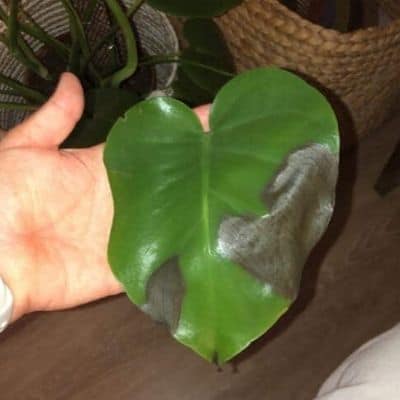
Yellowing leaves often indicate excess water. When roots can’t breathe, leaves turn yellow. Another sign is wilting. An overwatered Monstera can still wilt. This happens because roots start to rot. Brown leaf tips also signal overwatering. Soil that remains wet for long periods is problematic.Common Causes
Using pots with poor drainage is a major cause. Water accumulates at the bottom, suffocating roots. Watering too frequently leads to overwatering. Monstera plants prefer their soil to dry out between waterings. Using heavy soil mixes can also cause issues. These soils retain too much moisture. Lastly, keeping your plant in low light can slow evaporation. This leaves the soil wetter for longer periods. “`Immediate Actions To Take
Overwatering a Monstera plant can cause many issues. If you act quickly, you can save your plant. Here are the immediate actions to take if you suspect your Monstera is overwatered.
Removing Excess Water
First, remove the plant from its pot. Check for waterlogged soil. Gently shake off excess water from the roots. Let the plant sit on a dry towel. This helps absorb some moisture.
Next, check the soil. If it’s soggy, replace it with fresh, dry soil. Avoid using the same wet soil again. This step is crucial to prevent root rot.
Checking The Pot
Inspect the pot for proper drainage. Ensure that the pot has drainage holes. If it doesn’t, transfer the plant to a pot that does. Drainage holes allow excess water to escape.
Look at the size of the pot. A pot too large retains more water. Use a pot that fits the root ball. This helps control moisture levels.
Improving Drainage
Overwatering can harm your Monstera. Improving drainage is vital. By enhancing drainage, you can keep your plant healthy and happy. Let’s explore key steps to improve drainage for your Monstera.
Choosing The Right Soil
Start with the soil. Monstera needs well-draining soil. Look for soil mixes with peat, perlite, or orchid bark. These materials help water flow freely. Avoid heavy, dense soils. They trap water and can cause root rot. A good mix allows air to reach the roots. This keeps them healthy and strong.
Using Proper Pots
Next, choose the right pot. Make sure it has drainage holes. These holes let excess water escape. If your pot lacks holes, water can pool. This leads to overwatering problems. Consider pots made of porous materials. Terracotta pots are a great choice. They help absorb extra moisture. This helps your Monstera thrive.
Adjusting Watering Routine
Reduce watering immediately to help your Monstera recover. Let the soil dry out before the next watering. Ensure proper drainage to prevent future overwatering.
Overwatering your Monstera can cause serious problems. To help your plant recover, you need to adjust your watering routine. This involves changing how often you water and the techniques you use. Let’s explore these steps.Watering Frequency
First, reduce the frequency of watering. Monstera plants prefer the soil to dry out between waterings. Check the soil moisture before adding more water. Use your finger to test the top 2 inches of soil. If it feels dry, it’s time to water. If it’s still moist, wait a few more days.Best Watering Techniques
Use proper watering techniques to ensure your Monstera gets the right amount of water. Water the plant deeply but infrequently. This means soaking the soil until water drains out the bottom. Ensure the pot has drainage holes to prevent water from pooling. Avoid letting the plant sit in water. Empty the saucer after watering. Also, use room temperature water to avoid shocking the roots. Early morning is the best time to water. This allows the soil to dry out during the day. By following these steps, you can help your Monstera thrive. “`Reviving The Plant
Overwatering a Monstera plant can lead to root rot and other issues. But don’t worry. With the right steps, you can revive your plant. This section will guide you on how to bring your Monstera back to health. Focus on two main areas: pruning affected leaves and encouraging new growth.
Pruning Affected Leaves
First, inspect the plant for any yellow or brown leaves. These leaves may be damaged beyond repair. Pruning helps the plant focus its energy on healthy parts.
- Use clean, sharp scissors or pruners.
- Cut the leaves at the base, close to the stem.
- Dispose of the cut leaves to prevent any spread of disease.
After pruning, your Monstera will have more resources to direct toward healthy growth. This is a crucial step in the revival process.
Encouraging New Growth
Next, focus on encouraging new growth. A few simple steps can make a big difference.
| Action | Details |
|---|---|
| Check Soil | Ensure the soil is well-draining. Use a mix with perlite. |
| Watering | Water only when the top inch of soil is dry. |
| Light | Place the plant in indirect sunlight. |
| Humidity | Maintain humidity around 60%. Use a humidifier if needed. |
These actions will help your Monstera recover and thrive. Pay close attention to its needs. With patience, your plant will show signs of new growth soon.
Preventing Future Overwatering
To prevent future overwatering of your Monstera, ensure proper drainage and only water when the top inch of soil is dry. Consider using a moisture meter to avoid excessive watering. Regularly check the plant’s soil and adjust your watering routine accordingly.
Overwatering can harm your Monstera plant. To keep it healthy, you need to prevent this issue. Below are some steps to help you avoid overwatering.Setting A Schedule
Create a watering schedule. This helps you remember when to water your plant. Choose a specific day or days each week. Stick to this routine. It will ensure your Monstera gets water regularly but not too much.Monitoring Soil Moisture
Check the soil moisture before watering. Use your finger or a moisture meter. Insert your finger about an inch into the soil. If it feels dry, it’s time to water. If it feels moist, wait a few days and check again. This practice helps avoid overwatering. By following these steps, you can prevent future overwatering. Keep your Monstera healthy and thriving. “`Using Tools And Products
Overwatering your Monstera can lead to root rot and other issues. Using the right tools and products can help you manage and prevent these problems. Let’s explore some effective tools and products.
Moisture Meters
Moisture meters are essential for monitoring soil moisture levels. They help avoid overwatering by providing accurate readings. Insert the probe into the soil near the plant roots. The meter will display the moisture level, allowing you to water your plant only when necessary.
Here are some benefits of using moisture meters:
- Prevents overwatering and underwatering
- Simple to use
- Provides accurate readings
Investing in a reliable moisture meter can save your Monstera from overwatering-related issues.
Soil Additives
Using soil additives can improve drainage and aeration. This helps prevent water from sitting in the soil for too long. Common soil additives include perlite, sand, and coconut coir. These materials help create a well-draining soil mix, reducing the risk of root rot.
Benefits of soil additives:
- Improves soil drainage
- Increases aeration
- Reduces water retention
Adding these products to your soil mix can greatly benefit your Monstera’s health.
Here’s a table summarizing the key tools and products:
| Tool/Product | Benefits |
|---|---|
| Moisture Meters | Prevents overwatering, easy to use, accurate readings |
| Soil Additives | Improves drainage, increases aeration, reduces water retention |
Using these tools and products can help maintain the right moisture levels for your Monstera, ensuring it thrives.
When To Seek Professional Help
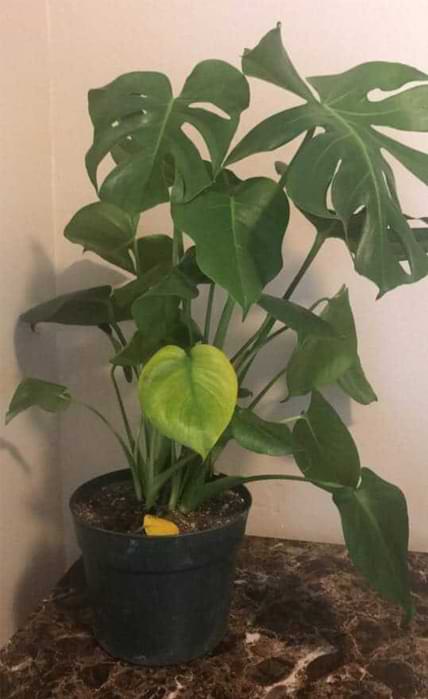
Professional help may be necessary if your Monstera shows persistent yellowing leaves. Mushy stems also signal overwatering issues. Consulting an expert can save your plant.
Overwatering a Monstera can lead to severe problems. Sometimes, you might not know how to fix the issue. In such cases, seeking professional help is essential. Experts can provide the right guidance to save your plant.Signs Of Severe Damage
When overwatering occurs, the plant shows clear signs of damage. Yellowing leaves are a common symptom. Soft or mushy stems indicate severe root rot. Foul odor from the soil signals decomposing roots. If these signs appear, immediate action is needed.Finding A Plant Expert
Locating a plant expert can make a difference. Check local plant nurseries for professionals. Many offer consultation services. Search online for plant care specialists. Read reviews to find reliable experts. Social media groups can also help. Many plant lovers share expert contacts. Getting professional advice ensures proper care for your Monstera. “`Frequently Asked Questions
How Do I Know If My Monstera Is Overwatered?
Signs of overwatering include yellowing leaves, soggy soil, and root rot. Check for brown, mushy roots.
How Can I Save An Overwatered Monstera?
To save it, remove it from soggy soil, trim damaged roots, and repot with fresh, well-draining soil.
How Often Should I Water My Monstera?
Water your Monstera when the top 2-3 inches of soil are dry. Avoid overwatering.
Can Overwatering Kill A Monstera?
Yes, overwatering can cause root rot and kill your Monstera if not addressed promptly.
Conclusion
To save an overwatered Monstera, take quick action. Reduce watering immediately. Ensure the pot has proper drainage. Allow the soil to dry out. Check roots for any rot. Trim damaged roots and repot if necessary. Maintain a proper watering schedule.
Monitor the plant closely for signs of recovery. Healthy care routines will help your Monstera thrive. Remember, less water is better than too much. Happy gardening!
Leave a Reply