Monstera plants are beloved for their large, striking leaves. They add a touch of tropical beauty to any home.
But how do you ensure your Monstera thrives? Taking care of a Monstera can be simple with the right guidance. These plants are popular among indoor gardeners due to their unique appearance and air-purifying qualities. With a few basic care tips, you can keep your Monstera healthy and vibrant.
Understanding its light, water, and soil needs is essential. This blog will guide you through the best practices to help your Monstera flourish. Whether you’re a novice or an experienced plant parent, these tips will make Monstera care easy and enjoyable. Keep reading to learn how to make your Monstera the star of your indoor garden.
Introduction To Monstera
The Monstera plant, also known as the Swiss Cheese Plant, is a popular indoor plant. It is well-loved for its unique, hole-filled leaves and easy care requirements. This tropical beauty can transform any room into a green paradise.
History And Origin
The Monstera plant is native to the rainforests of Central and South America. It thrives in humid, warm climates. The name “Monstera” comes from the Latin word for “monstrous” or “abnormal.” This is due to the plant’s unusual, perforated leaves. These holes help the plant withstand heavy rain and strong winds.
Popular Varieties
There are several popular varieties of Monstera plants, each with its own charm. Here are a few:
| Variety | Description |
|---|---|
| Monstera Deliciosa | The most common variety. Known for its large, split leaves. |
| Monstera Adansonii | Smaller leaves with more holes. Great for hanging baskets. |
| Monstera Obliqua | Rare and highly sought after. Has very thin, delicate leaves. |
Each of these varieties brings a unique look to any indoor space. Choose the one that best fits your style and care preferences.
Ideal Growing Conditions
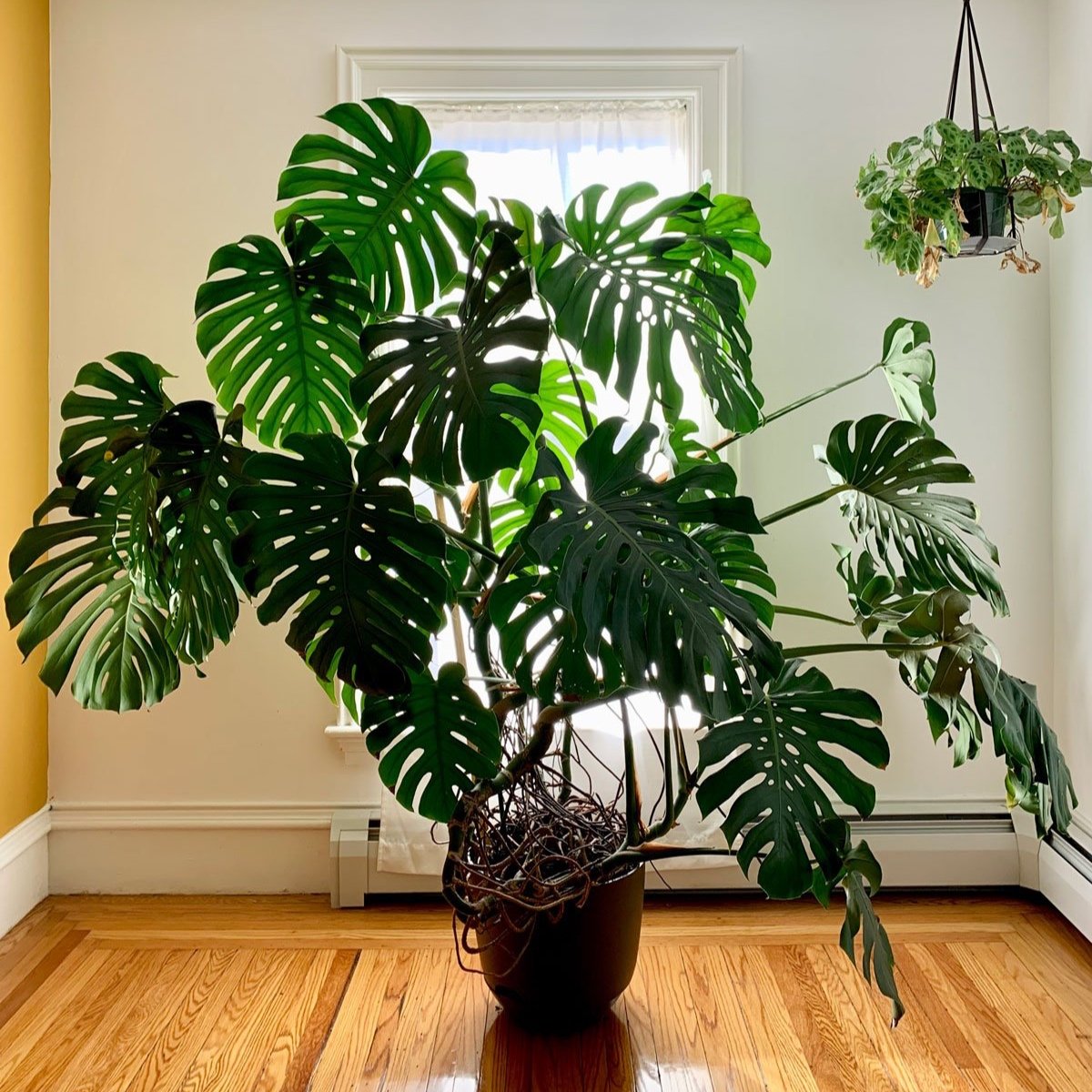
Monstera plants, known for their large, split leaves, thrive best in specific conditions. Understanding these will help your Monstera grow lush and vibrant. Let’s explore the ideal growing conditions for your Monstera.
Light Requirements
Monstera plants thrive in bright, indirect light. Direct sunlight can scorch the leaves, causing them to turn yellow. Place your Monstera near a window that gets plenty of light but shield it from direct sun. A north or east-facing window is ideal.
If your home lacks natural light, consider using artificial grow lights. These can supplement the light your Monstera needs. Remember, the goal is to mimic the light conditions of a tropical forest floor.
Temperature And Humidity
Monstera plants prefer warm temperatures. The ideal range is between 65°F and 85°F (18°C to 29°C). They do not tolerate cold drafts or sudden temperature changes. Keep your Monstera away from vents and drafty windows.
Humidity is crucial for Monstera. They thrive in high humidity levels, around 60% or higher. Use a humidifier to maintain the right humidity, especially in dry climates. Alternatively, placing a tray of water near the plant can help. Grouping plants together also increases humidity.
| Condition | Requirement |
|---|---|
| Light | Bright, indirect |
| Temperature | 65°F to 85°F (18°C to 29°C) |
| Humidity | 60% or higher |
By ensuring your Monstera has the right light, temperature, and humidity, you set it up for healthy growth. Happy planting!
Watering Tips
Watering your Monstera plant properly is crucial for its health and growth. The right amount of water helps the plant thrive, while too much or too little can harm it. In this section, we will provide simple and effective watering tips.
Frequency Of Watering
Monstera plants prefer moist soil but not soggy. Check the top 2 inches of soil. If dry, it’s time to water. Typically, water your Monstera every 1-2 weeks. This may change based on the season and indoor conditions.
Signs Of Overwatering
Overwatering is a common mistake. Yellowing leaves are a sign of too much water. The soil may also smell musty or moldy. Drooping leaves can also indicate overwatering. Allow the soil to dry out before watering again.
Soil And Fertilization
Monstera plants thrive with the right soil and proper fertilization. Understanding their needs can make a big difference. Let’s dive into the best soil mix and fertilizer recommendations.
Best Soil Mix
Monstera plants love well-draining soil. A mix of peat, perlite, and pine bark works well. This mix provides good aeration. It also holds the right amount of moisture.
Avoid heavy soils. They retain too much water. This can cause root rot. Adding orchid bark to the mix can help with drainage.
Consider using a pot with drainage holes. This helps prevent water from sitting at the bottom. Root health is crucial for a thriving Monstera.
Fertilizer Recommendations
Monstera plants need nutrients to grow well. Use a balanced liquid fertilizer. A 20-20-20 mix is ideal. Apply it every four weeks during the growing season.
In winter, reduce fertilization. Once every two months is enough. Over-fertilizing can harm the plant. Follow the instructions on the fertilizer package.
Organic fertilizers are also good. They release nutrients slowly. This helps in avoiding nutrient burn. Compost tea can be a great addition to their feeding routine.
Pruning And Maintenance
Pruning and maintenance are crucial for a healthy Monstera plant. Regular care ensures the plant grows lush and vibrant. Proper pruning helps control the plant’s size and shape. It also promotes new growth and removes damaged leaves.
When To Prune
Knowing the right time to prune your Monstera is important. Prune in spring or early summer. This is the growing season for most plants. Avoid pruning in winter when growth slows down.
Regularly inspect your Monstera for dead or yellowing leaves. These should be removed promptly. Prune away any leggy stems to encourage bushier growth.
Tools Needed
Having the right tools makes pruning easier and more effective. Here are the essential tools you’ll need:
- Sharp Pruning Shears: These are ideal for cutting stems and leaves cleanly.
- Disinfectant: Use this to clean your tools before and after pruning. This prevents the spread of disease.
- Gloves: Protect your hands from sap and sharp edges.
Ensure your tools are clean and sharp. This helps make precise cuts and reduces stress on the plant.
Step-by-step Pruning Guide
- Inspect your Monstera for any damaged or yellowing leaves.
- Use sharp pruning shears to cut these leaves at the base.
- Look for any leggy or overgrown stems. Cut these back to a node.
- Always disinfect your tools before and after use.
Following these simple steps will keep your Monstera healthy and thriving. Regular pruning ensures your plant remains beautiful and well-maintained.
Pest And Disease Management
Taking care of your Monstera involves more than just watering. Pest and disease management is crucial for a healthy plant. This section will guide you through common pests and disease prevention methods.
Common Pests
Monstera plants are prone to several pests. Here are some common ones:
- Spider Mites: Tiny, web-spinning pests that suck plant sap.
- Mealybugs: Small, white insects that create a cotton-like cover.
- Scale Insects: Hard-shelled pests that attach to stems and leaves.
- Aphids: Small insects that cluster on the undersides of leaves.
To manage these pests, regularly inspect your plant. Use insecticidal soap for treatment.
Disease Prevention
Preventing diseases is essential for a thriving Monstera. Follow these tips:
- Proper Watering: Avoid over-watering. Ensure well-drained soil.
- Good Air Circulation: Place your plant in a well-ventilated area.
- Hygiene: Clean leaves with a damp cloth to remove dust.
- Isolation: Quarantine new plants to prevent disease spread.
Root rot is a common issue. It occurs due to poor drainage. Ensure the pot has drainage holes.
Propagation Techniques
Monstera plants are a popular choice for indoor gardening. They are known for their unique, split leaves. Propagation is a great way to grow more Monstera plants. There are different methods to propagate Monstera. Let’s explore the best techniques.
Stem Cuttings
Stem cuttings are a simple and effective way to propagate Monstera. Start by choosing a healthy stem. Ensure the stem has at least one node. Nodes are the points where leaves grow from the stem. Use a clean, sharp knife to make a cut below the node. Place the cutting in water, making sure the node is submerged. Change the water every few days. Roots will begin to form within a few weeks. Once the roots are a few inches long, transfer the cutting to soil. Keep the soil moist until the plant establishes.
Air Layering
Air layering is another effective propagation method. It involves rooting a stem while it is still attached to the parent plant. Choose a healthy stem with a node. Make a small cut in the stem, just below the node. Wrap the cut area with moist sphagnum moss. Secure the moss with plastic wrap. Keep the moss moist over the next few weeks. Roots will begin to grow in the moss. Once the roots are visible, cut the stem below the moss. Plant the new Monstera in soil. Keep the soil moist until the plant establishes.
:max_bytes(150000):strip_icc()/how-to-grow-monstera-deliciosa-5072671-01-a65286b8b3b8402882c7ad2c57756bbe.jpg)
Troubleshooting Common Issues
Keeping your Monstera thriving can sometimes be challenging. Troubleshooting common issues is essential for maintaining a healthy plant. Below, we address some common problems and how to solve them.
Yellowing Leaves
Yellowing leaves can be a sign of several issues. Overwatering is a common cause. Make sure the soil is well-draining. Check that the pot has proper drainage holes. Too much direct sunlight can also cause yellowing. Place your Monstera in a spot with indirect light. Nutrient deficiency might be another reason. Use a balanced fertilizer to nourish your plant.
Root Rot
Root rot is a serious problem for Monsteras. It often occurs due to overwatering. Ensure the soil dries out between waterings. Using well-draining soil helps prevent root rot. Check the roots if you suspect rot. Healthy roots are white and firm. Rotten roots are brown and mushy. Cut away any rotten roots. Repot the plant in fresh, well-draining soil. Monitor your watering habits to avoid future issues.
Enhancing Aesthetic Appeal
Enhancing the aesthetic appeal of your Monstera plant can elevate your home decor. The right choices in pots and support structures can make a big difference. Let’s explore how to make your Monstera a stunning focal point in your space.
Decorative Pots
Choosing the right pot for your Monstera is crucial. A decorative pot not only supports the plant but also enhances its beauty. Consider pots with bold colors or intricate designs. They can add a unique touch to your living space.
Ensure the pot has adequate drainage. This prevents waterlogging and keeps the plant healthy. You can also opt for pots made of natural materials like clay. These materials are breathable and beneficial for the plant’s roots.
Support Structures
Monstera plants often need support as they grow. Support structures help them grow upright and look neat. Moss poles are a great option. They provide a natural look and blend well with the plant.
Another option is trellises. They come in various shapes and sizes. They can add a decorative element to your Monstera. Bamboo stakes can also be used for support. They are sturdy and add an exotic feel to the plant.
Proper support structures not only help the plant grow but also enhance its overall appearance. Choose the one that best fits your aesthetic preferences.
Frequently Asked Questions
How Often Should I Water My Monstera?
Water your Monstera when the top inch of soil feels dry. Over-watering can lead to root rot. Ensure proper drainage.
What Light Conditions Are Best For Monstera?
Monstera plants thrive in bright, indirect light. Avoid direct sunlight, which can scorch their leaves. Low light can slow growth.
How Do I Fertilize My Monstera?
Fertilize your Monstera monthly during the growing season with a balanced liquid fertilizer. Reduce feeding in winter months.
Can I Propagate My Monstera?
Yes, you can propagate Monstera using stem cuttings. Place the cutting in water or soil until roots develop.
Conclusion
Caring for your Monstera can be simple and rewarding. With proper light, water, and humidity, your plant will thrive. Remember to check the soil before watering. Pruning helps maintain its shape. Use a well-draining potting mix. Regularly inspect for pests.
Healthy leaves mean a happy Monstera. Enjoy the process and watch your plant flourish. With these tips, your Monstera will grow beautifully. Happy gardening!
Leave a Reply