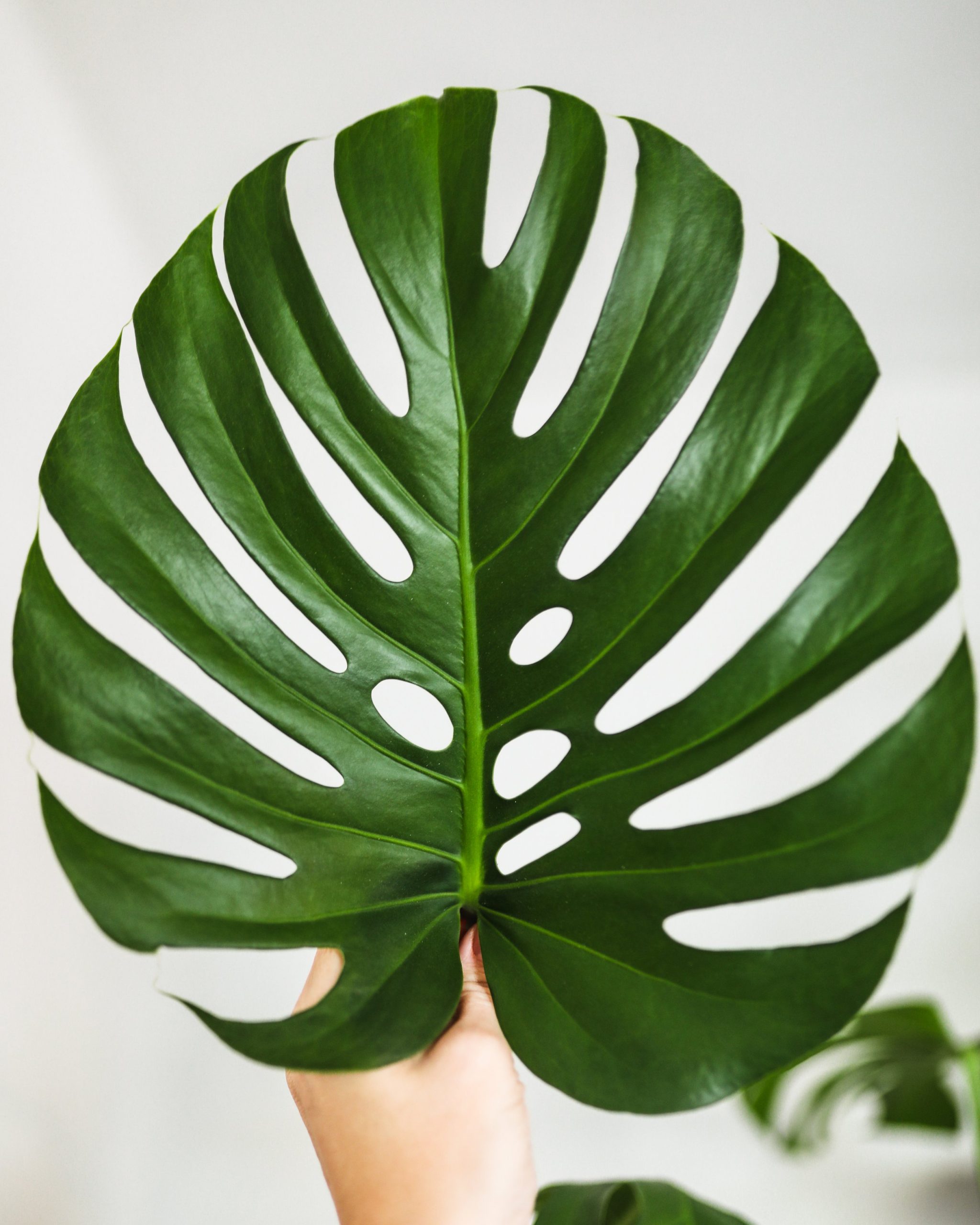
To get more leaves on your Monstera, ensure proper care. This includes adequate light, watering, and nutrients.
Monstera plants, with their iconic split leaves, are a favorite among houseplant enthusiasts. But sometimes, they can be slow to develop new foliage. Understanding the specific needs of your Monstera can make a big difference. Proper lighting, watering techniques, and the right nutrients are key factors.
This guide will help you create the perfect environment for your Monstera to thrive. Soon, you’ll see lush, new leaves sprouting. Keep reading to learn how to boost your Monstera’s growth and enjoy a more vibrant plant.

Choosing The Right Monstera
Choosing the right Monstera is crucial for getting more leaves. Different varieties have unique characteristics. Understanding these can help you pick the best plant for your home.
Popular Varieties
There are several popular Monstera varieties. Here are a few:
- Monstera Deliciosa: Known for its large, split leaves.
- Monstera Adansonii: Smaller leaves with holes.
- Monstera Borsigiana: Smaller version of Deliciosa.
Factors To Consider
Consider these factors before choosing a Monstera:
- Space: Ensure you have enough room for growth.
- Light: Monsteras need bright, indirect light.
- Humidity: They thrive in high humidity environments.
- Care Level: Some varieties need more care than others.
By considering these factors, you can select the right Monstera. This leads to healthier growth and more leaves.

Optimal Soil Conditions
Getting more leaves on your Monstera plant requires the right soil conditions. Healthy soil provides essential nutrients and supports root growth. This helps in producing lush, green leaves. Let’s delve into what makes the soil optimal for Monstera plants.
Best Soil Mix
A well-draining soil mix is key for Monstera plants. Use a mix of potting soil, peat moss, and perlite. This combination ensures proper aeration and moisture retention. Potting soil provides necessary nutrients. Peat moss helps maintain moisture without waterlogging. Perlite improves drainage and prevents soil compaction.
Drainage Solutions
Proper drainage is crucial for Monstera plants. Ensure your pot has drainage holes. This prevents root rot by allowing excess water to escape. Adding a layer of gravel or small stones at the bottom of the pot improves drainage. Check the soil before watering. If the top inch is dry, it’s time to water your plant.
Proper Watering Techniques
Proper watering techniques are crucial for the health of your Monstera plant. Watering impacts leaf growth and overall plant vitality. Understanding the correct way to water can help you get more leaves on your Monstera. Let’s dive into the details.
Water Frequency
Water your Monstera consistently but not too often. The plant thrives with a balance of moisture. Check the soil before watering. The top inch should be dry. This usually means watering every 1-2 weeks. Adjust based on your environment. Warmer areas may need more frequent watering. Cooler areas may need less.
Signs Of Overwatering
Overwatering can harm your Monstera. Look for yellowing leaves. This is a common sign. Mushy stems and root rot are severe signs. Check soil moisture levels regularly. Ensure your pot has good drainage. This prevents water from sitting at the bottom. Your Monstera will thank you for it.
Ideal Lighting
Ensuring your Monstera gets the ideal lighting is key to encouraging lush, vibrant leaves. Monstera plants thrive in specific light conditions that mimic their natural habitat. Let’s explore the best lighting options for your Monstera.
Natural Light Needs
Monstera plants prefer bright, indirect sunlight. Direct sunlight can scorch their leaves. Place your Monstera near a window with filtered light. East or west-facing windows are ideal. They offer gentle sunlight throughout the day. Avoid placing the plant in dark corners. Insufficient light leads to slow growth and fewer leaves.
Artificial Light Options
If natural light is limited, consider artificial lighting. Grow lights are a great choice. Look for full-spectrum LED grow lights. They mimic natural sunlight. Position the lights about 12 inches above the plant. Use a timer to ensure the Monstera receives 12-14 hours of light daily. Here’s a quick setup guide:
- Choose a full-spectrum LED grow light.
- Place the light 12 inches above your Monstera.
- Set a timer for 12-14 hours of light daily.
Combining both natural and artificial light can be beneficial. This ensures your Monstera gets consistent lighting throughout the year. Remember, balanced lighting is essential. It helps your Monstera produce more leaves and stay healthy.
Humidity And Temperature
Humidity and temperature play crucial roles in the health of your Monstera plant. These tropical plants thrive in specific conditions that mimic their natural habitat. Ensuring the right humidity and temperature can encourage lush, vibrant leaves.
Maintaining Humidity
Monstera plants love high humidity. Aim for a humidity level between 60% and 80%. Use a humidifier to maintain this range in your home. If a humidifier is not available, place the plant on a tray filled with pebbles and water. The water will evaporate, increasing humidity around the plant.
Misting the leaves regularly can also help. Use distilled or rainwater to avoid mineral build-up. Grouping plants together can create a microclimate with higher humidity. This is especially useful in dry climates.
Temperature Ranges
Monstera plants prefer temperatures between 65°F and 85°F. Keep the plant away from cold drafts and sudden temperature changes. Avoid placing it near air conditioners or heaters. Sudden temperature shifts can stress the plant and hinder its growth.
During winter, ensure the plant stays above 55°F. If the temperature drops, the plant may stop growing or develop yellow leaves. A stable, warm environment will support healthy, new leaf growth.
Fertilization Methods
Fertilizing your Monstera plant is key to encouraging lush, green growth. Proper fertilization supplies the essential nutrients that support healthy leaf production. Here, we cover the best fertilizers and fertilizing schedule to ensure your Monstera thrives.
Best Fertilizers
Choosing the right fertilizer is crucial for your Monstera’s health. Use a balanced, water-soluble fertilizer with equal parts nitrogen, phosphorus, and potassium (N-P-K). A common recommendation is a 20-20-20 formula. This ensures your plant receives all the nutrients it needs.
Organic options like compost or worm castings can also be beneficial. These natural fertilizers slowly release nutrients, improving soil health over time. If you prefer liquid fertilizers, fish emulsion is another good choice. It provides a mix of nutrients that encourage leaf growth.
Here’s a quick comparison of different types of fertilizers:
| Type | Benefits |
|---|---|
| Balanced Fertilizer (20-20-20) | Provides equal nutrients; easy to use |
| Compost | Improves soil health; slow-release |
| Worm Castings | Rich in nutrients; enhances soil |
| Fish Emulsion | Quick nutrient boost; natural option |
Fertilizing Schedule
Establishing a regular fertilizing schedule is important. During the growing season (spring and summer), fertilize your Monstera every 4-6 weeks. This provides a consistent nutrient supply. In fall and winter, reduce fertilization to once every 8-10 weeks. Plants grow slower in these months and need fewer nutrients.
Here is a simple fertilizing schedule:
- Spring: Fertilize every 4 weeks
- Summer: Fertilize every 6 weeks
- Fall: Fertilize every 8 weeks
- Winter: Fertilize every 10 weeks
Always follow the instructions on your fertilizer’s label. Over-fertilizing can harm your Monstera. If you notice yellowing leaves, flush the soil with water to remove excess fertilizer.
Pruning And Training
Pruning and training are essential steps for ensuring your Monstera plant thrives. These techniques encourage new growth, improve the plant’s health, and help it maintain its unique shape. Let’s dive into the basics of pruning and training your Monstera.
Pruning Techniques
Pruning your Monstera is straightforward and vital for its growth. Focus on removing dead or yellowing leaves first. Use sharp, clean scissors or pruning shears to make clean cuts.
- Cut just below a node to encourage new leaf growth.
- Remove stems growing out of shape or in unwanted directions.
- Trim away any brown, damaged parts of the leaves.
Pruning helps the plant focus energy on healthy, new growth. It prevents overcrowding and promotes better air circulation. This reduces the risk of pests and diseases.
Training For Growth
Training your Monstera involves guiding its growth direction. This is especially important for those growing indoors in limited space.
Use a moss pole or trellis for support. Tie the stems gently with soft plant ties. This guides the plant upwards, mimicking its natural habitat. Rotate the plant occasionally to ensure even light exposure.
Supporting the stems helps the Monstera grow stronger and healthier. It keeps the plant looking tidy and enhances its aesthetic appeal.
Training combined with regular pruning ensures your Monstera stays lush and vibrant. It encourages more leaves and helps maintain a manageable size.
Pest And Disease Control
To keep your Monstera thriving, it’s essential to manage pests and diseases. Healthy plants have more leaves and are more vibrant. Regular checks and appropriate measures can prevent infestations and infections. Below, we discuss common pests and disease prevention methods.
Common Pests
Several pests can affect Monstera plants. Knowing what to look for helps in early detection and control.
- Spider Mites: Tiny and red, they cause yellowing leaves. Look for fine webbing.
- Mealybugs: White, cotton-like masses on stems and leaves. They suck sap and weaken the plant.
- Aphids: Small, green or black insects. They cluster on new growth, causing distortion.
- Scale Insects: Brown or black bumps on stems. They suck sap and produce honeydew.
To control pests, use insecticidal soap or neem oil. Wipe leaves with a damp cloth to remove visible insects.
Disease Prevention
Disease can also affect your Monstera, leading to leaf drop and poor growth. Preventing diseases is easier than treating them.
- Overwatering: Causes root rot. Ensure soil drains well and water only when the top inch is dry.
- Fungal Infections: Appear as spots on leaves. Ensure good air circulation and avoid wetting leaves.
- Bacterial Infections: Cause black, mushy spots. Remove affected leaves and avoid overhead watering.
Using clean tools and pots helps prevent the spread of diseases. Quarantine new plants to ensure they are pest-free before introducing them to your collection.
Repotting Tips
Repotting your Monstera plant can give it the space it needs to thrive. Fresh soil and a larger pot can help the roots grow stronger. This leads to more leaves and a healthier plant. Follow these tips to ensure your Monstera gets the best care during repotting.
When To Repot
Repot your Monstera every 1-2 years. Check the roots to see if they are crowded. If roots are growing out of the pot, it is time to repot. Also, notice if the plant looks top-heavy or growth has slowed. These are signs the plant needs more space.
Steps For Repotting
First, choose a pot that is 2 inches larger in diameter than the current one. Make sure it has drainage holes.
Next, gently remove the Monstera from its current pot. Loosen the roots with your fingers. Shake off excess soil.
Place a layer of fresh potting soil in the new pot. Set the Monstera in the center. Fill around the roots with more potting soil. Press gently to remove air pockets.
Water the plant well after repotting. Let the excess water drain out. Place the Monstera in a spot with bright, indirect light. Give it a week to adjust before fertilizing.
Repotting helps your Monstera grow strong and produce more leaves. Follow these steps for a healthy, happy plant.

Common Mistakes To Avoid
Taking care of a Monstera plant can be rewarding. But, certain mistakes can hinder its growth. Knowing what to avoid can help your Monstera thrive. Let’s look at common mistakes that can affect leaf growth.
Overcare Issues
Overwatering is a common mistake. Monstera plants do not like soggy soil. Too much water can lead to root rot. This can stop new leaves from growing.
Too much sunlight can also be harmful. Monstera plants prefer indirect light. Direct sunlight can burn the leaves. This can stunt the plant’s growth.
Over-fertilizing is another issue. Using too much fertilizer can damage the roots. This can prevent the plant from absorbing nutrients. As a result, leaf growth may slow down.
Neglect Problems
Underwatering is a big mistake. Monstera plants need regular watering. Dry soil can cause the plant to wilt. This can stop new leaves from emerging.
Ignoring pest control is also risky. Pests can damage the leaves. This can slow down growth. Regular checks are essential.
Lack of humidity can affect the plant. Monstera plants love humidity. Dry air can cause brown leaf tips. This can affect the overall health of the plant.
Frequently Asked Questions
How Often Should I Water My Monstera?
Water your Monstera when the top inch of soil feels dry. Overwatering can lead to root rot, so ensure proper drainage. Generally, watering once a week is sufficient.
What Type Of Light Is Best For Monstera?
Monstera plants thrive in bright, indirect sunlight. Avoid direct sunlight, as it can scorch the leaves. A spot near an east or south-facing window is ideal.
How Can I Encourage New Leaf Growth?
To encourage new leaf growth, provide consistent watering, indirect sunlight, and regular fertilization. Ensure the plant is in a well-draining pot with nutrient-rich soil.
Why Are My Monstera Leaves Turning Yellow?
Yellow leaves on a Monstera can be caused by overwatering, poor drainage, or insufficient light. Adjust watering habits and check for proper light conditions to resolve the issue.
Conclusion
Healthy leaves on your Monstera require attention. Water regularly but avoid overwatering. Ensure bright, indirect light. Feed with a balanced fertilizer monthly. Trim damaged leaves to encourage new growth. Maintain high humidity for best results. Monitor for pests and treat promptly.
With proper care, your Monstera will thrive. Happy growing!
Leave a Reply