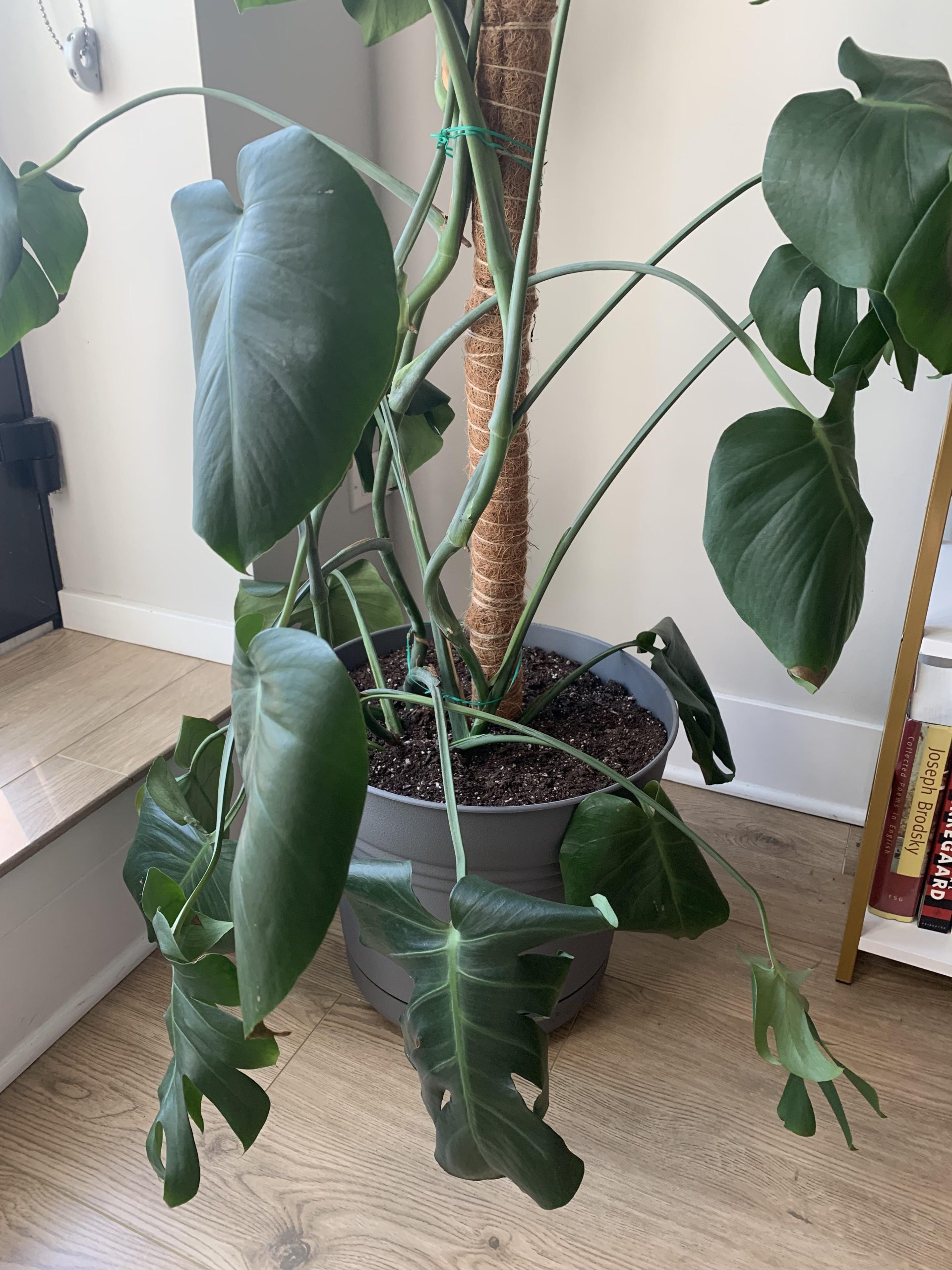
No, Monsteras do not like a lot of water. These tropical plants prefer moderate watering.
Overwatering can harm them. Monstera plants, also known as Swiss cheese plants, are popular houseplants. They thrive in warm, humid environments and can add a touch of the tropics to your home. But understanding their water needs is essential for their health.
Many plant owners think more water means a happier plant, but that’s not true for Monsteras. It’s vital to find the right balance to keep your Monstera healthy and thriving. In this post, we will explore the watering needs of Monstera plants and how to ensure they get just the right amount. Let’s dive into how you can care for your Monstera properly.

Watering Needs
Monstera plants are tropical beauties known for their large, split leaves. Proper watering is essential for their health. The right balance keeps them thriving. Too much or too little water can cause problems. Understanding their watering needs helps your Monstera flourish.
Ideal Watering Frequency
Water your Monstera once a week during the growing season. Check the top inch of soil. If it’s dry, it’s time to water. In winter, reduce watering to every two weeks. The plant grows slower and needs less water. Always use room temperature water for best results.
Signs Of Overwatering
Overwatering can harm your Monstera. Look for yellowing leaves. This is a common sign. Soft, mushy stems also indicate too much water. Check the soil. If it’s constantly wet, you’re overwatering. Root rot is a serious issue caused by overwatering. It can kill your plant.

Proper Soil
Monstera plants are popular for their unique leaves and easy care. One crucial part of their care is proper soil. The right soil helps them thrive and grow healthy. Let’s explore what type of soil Monstera needs and why drainage is important.
Soil Type For Monstera
Monstera plants prefer soil that is light and airy. A mix of peat, perlite, and orchid bark works well. This blend holds moisture but also allows air to reach the roots. Avoid using heavy, clay-based soil. It can retain too much water and harm the plant.
Importance Of Drainage
Good drainage is crucial for Monstera plants. Excess water can lead to root rot. To ensure proper drainage, use a pot with holes at the bottom. This allows excess water to escape. Adding a layer of small stones or gravel at the bottom of the pot can also help. It keeps the roots from sitting in water.
Light Requirements
Monstera plants thrive in bright, indirect light. Proper light is crucial for healthy growth. Understanding their light needs helps you care for them better.
In this section, we’ll look at the best light conditions for Monstera. We will also discuss how light impacts their watering needs.
Optimal Light Conditions
Monstera plants prefer bright, filtered light. Direct sunlight can scorch their leaves. Place them near a window with sheer curtains. This simulates their natural habitat under the forest canopy.
Low light can slow their growth. They can survive in dimmer conditions but might not thrive. Balance is key for vibrant, healthy foliage.
Impact Of Light On Watering
Light affects how much water your Monstera needs. In bright light, they dry out faster. This means more frequent watering. In low light, the soil stays moist longer. Water less often to avoid root rot.
Check the soil regularly. Stick your finger an inch deep. If it feels dry, it’s time to water. Always adapt watering based on light and temperature changes.
Humidity Levels
Monstera plants are native to tropical rainforests. They thrive in high humidity environments. Keeping the right humidity levels is essential for their growth.
Preferred Humidity Range
Monstera plants prefer humidity levels between 60% and 80%. This mimics their natural habitat. In dry indoor conditions, leaves might turn brown at the edges. High humidity helps the plant absorb more water through its leaves.
Maintaining Humidity
Maintaining the right humidity levels is crucial. Here are some methods:
- Misting: Mist the leaves with water daily. This increases humidity around the plant.
- Humidifier: Use a humidifier to keep the air moist. This is particularly useful in dry climates.
- Pebble Tray: Place a tray filled with pebbles and water under the pot. As the water evaporates, humidity increases around the plant.
- Group Plants: Place your Monstera near other plants. This creates a micro-environment with higher humidity.
Maintaining proper humidity ensures your Monstera thrives. Happy plants lead to happy plant parents!
Fertilizing Schedule
Monstera plants thrive with a balanced watering schedule. They prefer moist soil but dislike being waterlogged. Consistent watering every 1-2 weeks is ideal.
Monstera plants thrive with the right balance of nutrients. A proper fertilizing schedule is key. They need regular feeding to support their growth. This helps them develop lush, healthy foliage.
Best Fertilizers For Monstera
Choose a balanced liquid fertilizer. Look for a 20-20-20 mix. This ratio means equal parts nitrogen, phosphorus, and potassium. These elements are crucial for Monstera. They promote strong roots, vibrant leaves, and overall health.
Organic options are also great. Fish emulsion or seaweed extract works well. They provide essential nutrients naturally. Organic fertilizers are gentle and less likely to burn the plant.
Frequency Of Fertilization
Fertilize your Monstera every two weeks. Do this during the growing season. Typically, this is from spring to early fall. Reduce fertilization to once a month during winter. The plant’s growth slows down in colder months.
Always follow the instructions on the fertilizer package. Over-fertilizing can harm the plant. It’s better to under-fertilize than to overdo it. Regular feeding helps Monstera grow strong and stay healthy.
“`
Common Problems
Watering your Monstera plant can be tricky. Too much water leads to common problems. These issues can harm your plant’s health. Addressing these problems is crucial for a thriving Monstera.
Root Rot
Root rot is a serious issue. It occurs when the plant sits in water too long. The roots become mushy and black. This hinders the plant’s ability to absorb nutrients. Symptoms include yellowing leaves and a foul smell.
To avoid root rot, follow these tips:
- Use well-draining soil.
- Ensure the pot has drainage holes.
- Water only when the top inch of soil is dry.
| Symptom | Action |
|---|---|
| Mushy roots | Remove affected roots, repot in fresh soil. |
| Foul smell | Check for waterlogged soil, improve drainage. |
Yellowing Leaves
Yellowing leaves can indicate overwatering. The leaves turn yellow and may drop off. This is often due to poor drainage or excessive watering.
Here’s how to manage yellowing leaves:
- Check soil moisture regularly.
- Ensure proper drainage in the pot.
- Allow the soil to dry out between waterings.
By paying attention to these signs, you can keep your Monstera healthy. Proper watering practices help avoid these common problems.
Seasonal Care
Caring for your Monstera plant can change with the seasons. Understanding how to adjust water and light can keep your plant healthy. Here are some tips for the different seasons.
Winter Care Tips
During winter, Monstera plants need less water. The soil dries out slower. Ensure the top 2 inches are dry before watering. Overwatering can cause root rot.
| Winter Care Checklist |
|---|
| Check soil moisture weekly. |
| Water less frequently. |
| Reduce fertilizer use. |
| Keep away from cold drafts. |
Summer Care Adjustments
In summer, the Monstera plant may need more water. The heat causes the soil to dry faster. Water the plant when the top inch of soil is dry.
- Increase watering frequency.
- Check soil moisture more often.
- Ensure good drainage to avoid waterlogging.
Summer is also a good time to feed the plant. Use a balanced fertilizer once a month. Keep your Monstera in a spot with indirect sunlight to avoid sunburn.
Frequently Asked Questions
How Often Should I Water My Monstera?
Water your Monstera every 1-2 weeks. Let the top inch of soil dry out between waterings. Adjust frequency based on humidity and season.
Do Monsteras Need A Lot Of Water?
Monsteras prefer moderate watering. They do not need a lot of water. Overwatering can cause root rot. Let the soil partially dry out.
What Are Signs Of Overwatering In Monstera?
Yellowing leaves and soggy soil are signs of overwatering. Fungal growth on the soil can also indicate excess water. Reduce watering if you notice these signs.
Can I Mist My Monstera?
Yes, you can mist your Monstera. Misting helps increase humidity around the plant. However, it should not replace regular watering.
Conclusion
Monstera plants do not need a lot of water. Overwatering can harm them. Always let the soil dry out before watering again. Check the top inch of soil. If it’s dry, water the plant. Remember, too much water leads to root rot.
Healthy plants need balanced care. Follow these simple steps. Your Monstera will thrive. Enjoy your beautiful, healthy plant!
Leave a Reply