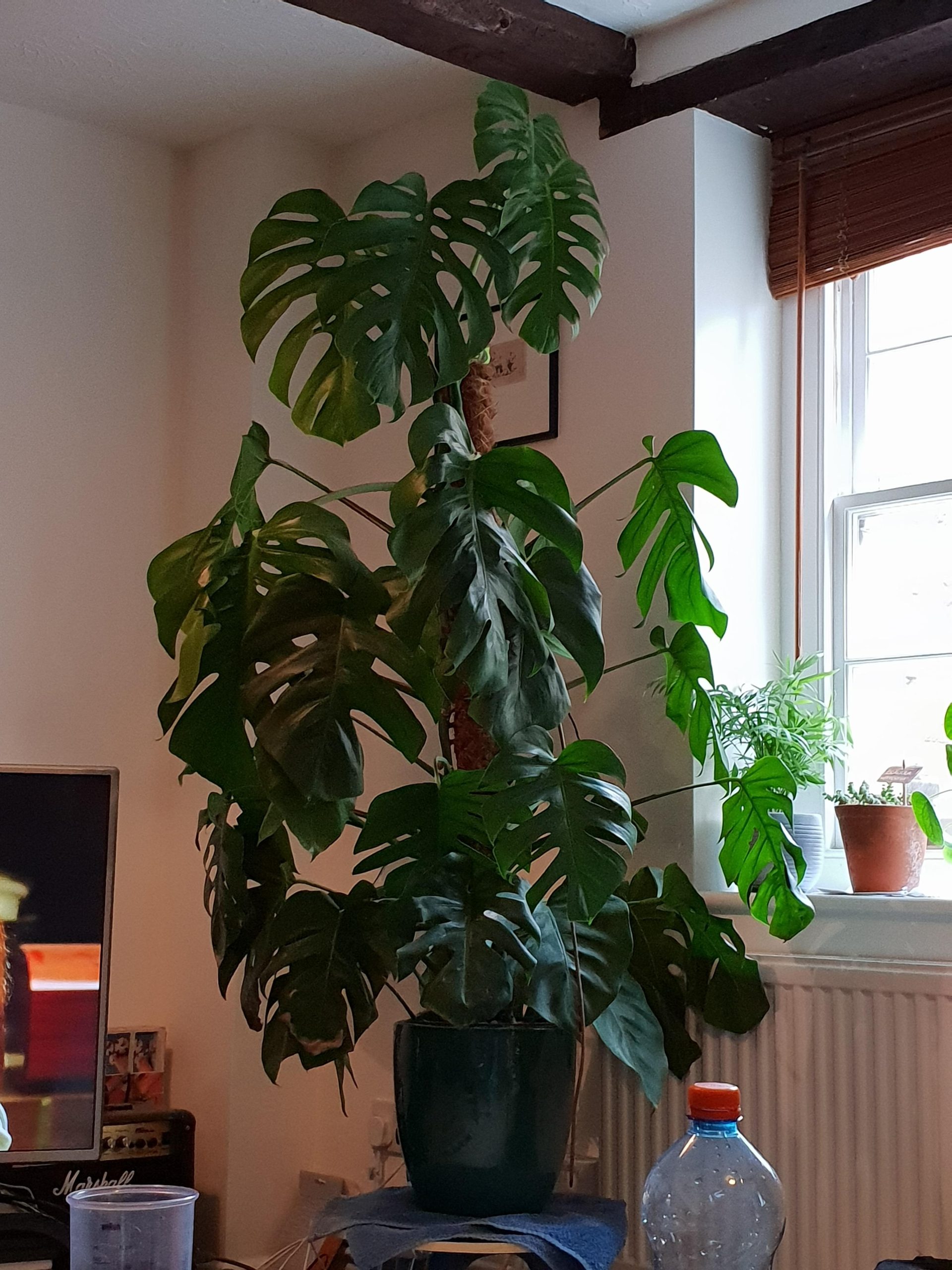
Monstera Deliciosa, also known as the Swiss Cheese Plant, needs specific watering. Too much or too little can harm it.
So, how often should you water your Monstera Deliciosa? This tropical plant thrives with a balanced watering schedule. The right amount of water keeps it healthy and vibrant. Understanding its needs can be tricky, especially for new plant owners. Factors like soil type, pot size, and indoor conditions all play a role.
By paying attention to these factors, you can ensure your Monstera Deliciosa gets the right care. In this blog post, we’ll explore the perfect watering routine for your beloved plant. Keep reading to learn how to keep your Monstera Deliciosa happy and flourishing.
Importance Of Proper Watering
Proper watering is crucial for the health of your Monstera Deliciosa. Too much or too little water can harm your plant. Understanding the right balance is key for thriving growth.
Impact On Plant Health
Watering your Monstera Deliciosa correctly ensures it stays healthy and vibrant. Adequate moisture helps the plant absorb nutrients. This supports strong root development. A well-watered Monstera will show lush, green leaves.
Improper watering can stress the plant. This makes it more susceptible to pests and diseases. Consistent watering habits can prevent these issues. Healthy watering promotes steady growth and a robust plant.
Signs Of Overwatering
Overwatering is a common mistake. It can be harmful to your Monstera Deliciosa. Look for these signs to avoid overwatering:
- Yellowing leaves
- Wilting despite moist soil
- Mushy or soft stems
- Presence of mold or fungus
If you notice these signs, reduce watering immediately. Ensure proper drainage to prevent root rot. Always check the soil before adding more water.
Understanding Monstera Deliciosa
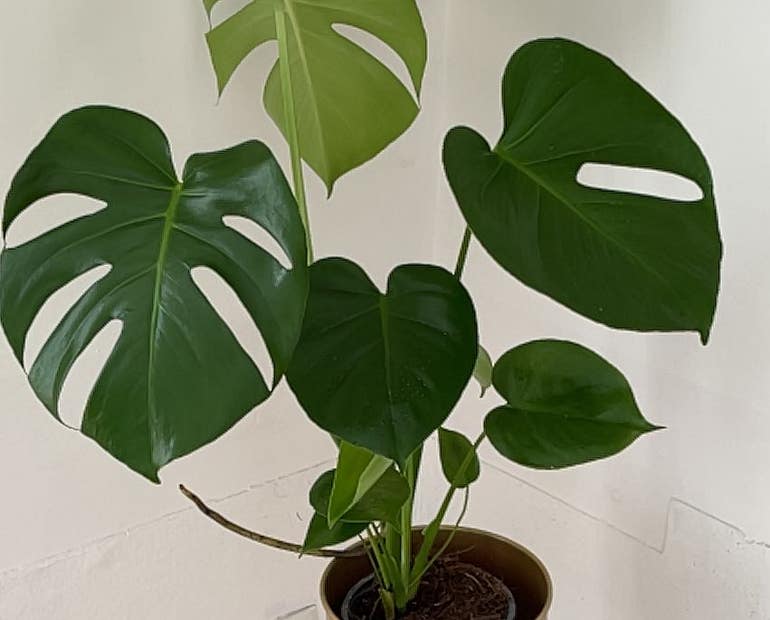
Understanding Monstera Deliciosa is key to keeping this plant healthy and thriving. This popular houseplant, known for its unique leaves, requires specific care.
Native Habitat
Monstera Deliciosa originates from the tropical forests of Central America. It thrives in warm, humid environments. The plant grows under the forest canopy, where it receives indirect sunlight. This habitat influences its watering needs.
Growth Patterns
Monstera Deliciosa has an interesting growth pattern. It climbs trees and spreads out wide. The plant has aerial roots that help it attach to surfaces. These roots also absorb moisture from the air. Understanding this helps in mimicking its natural conditions at home.
Watering Frequency
Watering Frequency is crucial for the health of your Monstera Deliciosa. This plant is known for its large, glossy leaves and thrives in a balanced watering routine. Overwatering or underwatering can harm its growth. Knowing how often to water your Monstera is key to keeping it vibrant and healthy.
Seasonal Changes
The watering needs of Monstera Deliciosa change with the seasons. During spring and summer, the plant is in its growing phase. It needs more water. You should water it once a week. In fall and winter, the plant’s growth slows down. You should water it less often. Once every two weeks is enough.
Indoor Vs Outdoor
Whether your Monstera Deliciosa is indoors or outdoors affects its watering frequency. Indoor plants usually need less water. The environment is controlled. Check the soil moisture before watering. Stick your finger 2 inches into the soil. If it feels dry, water the plant.
Outdoor Monstera Deliciosas need more frequent watering. They face natural elements like wind and sun. In hot weather, water them twice a week. Ensure the soil drains well to avoid waterlogging. Keep an eye on the weather and adjust watering accordingly.
Here is a quick guide:
| Location | Spring/Summer | Fall/Winter |
|---|---|---|
| Indoor | Once a week | Every two weeks |
| Outdoor | Twice a week | Once a week |
Following these guidelines will help you maintain a healthy Monstera Deliciosa. Always adjust based on your specific environment and plant needs.
Soil Moisture Levels
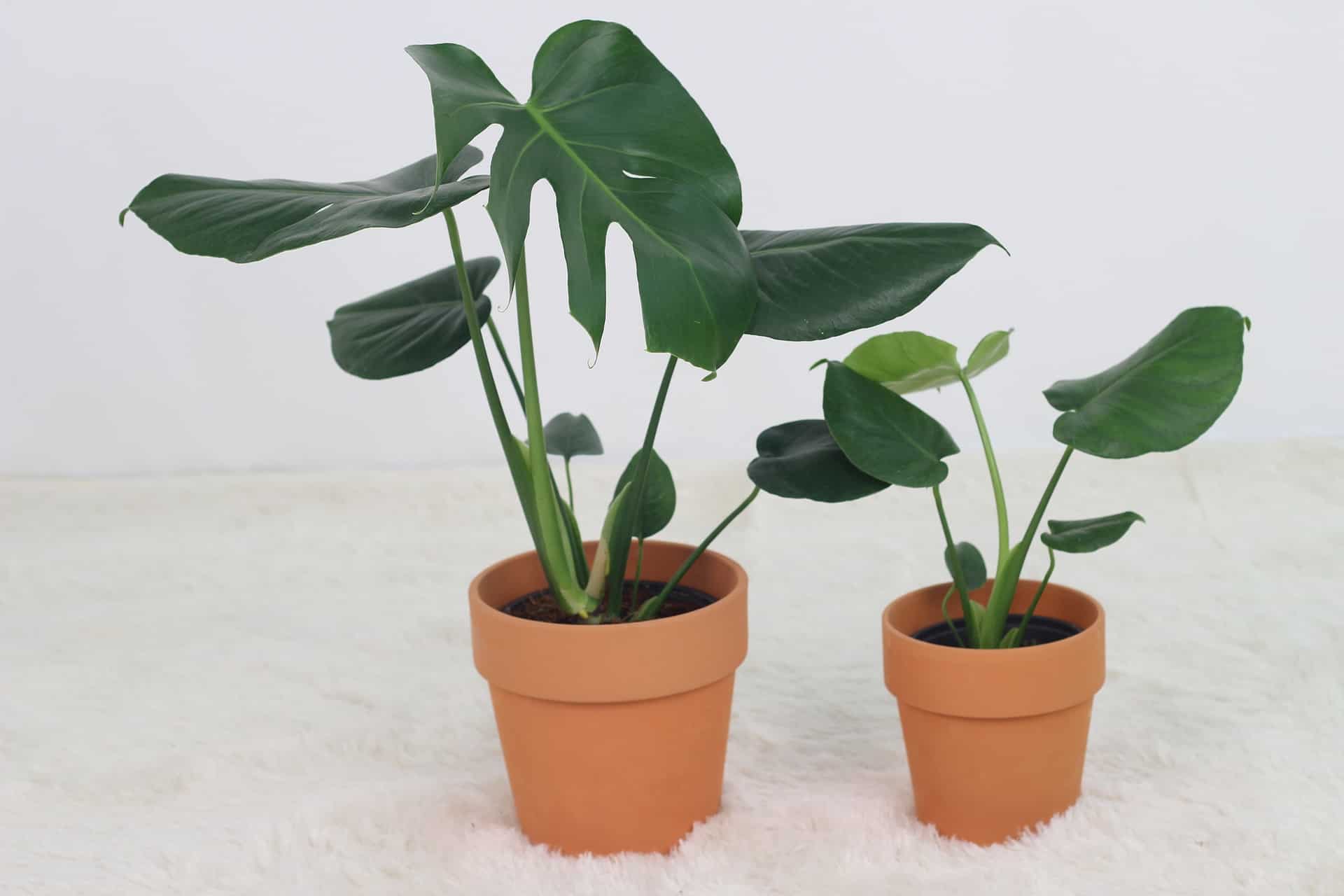
Knowing the right soil moisture levels is key for a healthy Monstera Deliciosa. This tropical plant loves moisture but does not like sitting in water. Keep the soil moist but not soggy. Understanding how to check and maintain these levels can save your plant from overwatering or underwatering.
Testing Techniques
There are several ways to test soil moisture. The simplest method is the finger test. Stick your finger about two inches into the soil. If it feels dry, it is time to water. If it is still damp, wait a few more days.
Another method is using a moisture meter. This tool gives a more accurate reading. Insert the probe into the soil and check the reading. A reading of 4-6 on most meters indicates ideal moisture.
Ideal Moisture Conditions
Monstera Deliciosa thrives in consistent moisture. The soil should be moist but not wet. Overly wet soil can cause root rot. On the other hand, too dry soil can stress the plant.
Keep the soil evenly moist. Water the plant when the top inch of soil feels dry. During growing seasons, the plant might need more frequent watering. In winter, reduce the watering frequency.
Environmental Factors
Environmental Factors play a vital role in determining how often you should water your Monstera Deliciosa. These factors include humidity levels and light exposure. Understanding these can help you keep your plant healthy and thriving.
Humidity Levels
Humidity levels significantly impact the watering needs of your Monstera Deliciosa. In high humidity, the soil retains moisture longer. This means you can water less frequently. In low humidity, the soil dries out faster. You will need to water more often.
Use a humidity meter to monitor levels. Aim for a range of 50-60%. If humidity is below 40%, consider using a humidifier. This can help maintain optimal moisture levels for your plant.
Light Exposure
Light exposure also affects how often you need to water your Monstera Deliciosa. Bright, indirect light is ideal. In such conditions, the plant can use water more efficiently.
If your plant is in low light, its growth rate slows. You will need to water less often. Too much direct sunlight can dry out the soil quickly. This requires more frequent watering.
Observe the plant’s leaves. Yellowing leaves can indicate overwatering. Wilting leaves often signal underwatering. Adjust your watering schedule accordingly.
| Environmental Factor | Impact on Watering |
|---|---|
| High Humidity | Water Less Often |
| Low Humidity | Water More Often |
| Bright, Indirect Light | Water Efficiently |
| Low Light | Water Less Often |
| Direct Sunlight | Water More Often |
Watering Techniques
Understanding the right watering techniques is essential for the healthy growth of your Monstera Deliciosa. Different methods can affect how well your plant absorbs water and nutrients. Let’s explore two effective watering techniques: the deep watering method and the surface watering method.
Deep Watering Method
The deep watering method ensures that the water reaches the roots deeply. This technique promotes strong root growth. Start by watering the plant until water runs out of the drainage holes. Allow the soil to absorb the water thoroughly. After the water drains, check the soil for moisture. Repeat this process once the top inch of soil feels dry.
Deep watering helps prevent root rot, a common issue with overwatering. It encourages roots to grow deeper, making the plant more resilient. Ensure you use a pot with good drainage to avoid waterlogging.
Surface Watering Method
The surface watering method involves pouring water directly onto the soil surface. This method is suitable for smaller plants or those in shallow pots. Begin by gently watering the soil until it feels moist. Avoid overwatering, as it can lead to fungus and mold.
Surface watering is ideal for maintaining consistent moisture levels. It prevents the soil from drying out completely. This method is quick and easy, but monitor the soil to avoid dryness.
Both watering techniques have their benefits. Choose the one that suits your plant’s needs and your care routine. Proper watering ensures your Monstera Deliciosa thrives and grows beautifully.
Common Mistakes
Watering a Monstera Deliciosa can be tricky. Many plant owners make common mistakes. These errors can harm your plant’s health. Understanding these mistakes helps you avoid them. Let’s dive into some frequent errors.
Overwatering Risks
Overwatering is a common issue. It can lead to root rot. This occurs when the roots stay wet for too long. Fungi thrive in these conditions. Your plant may develop yellow leaves. The soil may also emit a foul odor. Always check the soil before watering. It should be dry at least two inches down. Use a moisture meter if unsure.
Underwatering Consequences
Underwatering can cause your Monstera Deliciosa to suffer. The plant may develop brown, crispy leaves. The soil may pull away from the pot’s edges. This indicates extreme dryness. Your plant may also stop growing. Regularly check the soil’s moisture level. Water the plant when the top few inches are dry. Consistent care is key to a healthy Monstera.
Expert Tips
Watering your Monstera Deliciosa can seem tricky, but with expert tips, you can master it. Proper watering keeps your plant healthy and vibrant. Let’s dive into some expert advice to ensure your Monstera thrives.
Consistency Is Key
Consistency is crucial for your Monstera Deliciosa. Regular watering helps the plant grow steadily. A stable routine prevents stress, promoting healthy leaves and roots.
Water your Monstera when the top inch of soil feels dry. Use your finger to check soil moisture. If it feels dry, it’s time to water. Avoid overwatering as it leads to root rot.
Adjusting To Plant Needs
Your Monstera’s needs change with the environment. Adjust watering based on the plant’s location and season. In summer, the plant may need more water due to higher temperatures. In winter, reduce watering as the plant’s growth slows.
Consider these factors:
- Light: More light means more water needed.
- Humidity: High humidity reduces the need for frequent watering.
- Temperature: Warmer temperatures increase water needs.
Observe your plant and adjust watering accordingly. Each Monstera is unique, so tailor your care to its specific needs.
Frequently Asked Questions
How Often Should I Water Monstera Deliciosa?
Water your Monstera Deliciosa once the top inch of soil feels dry. Overwatering can cause root rot. Ensure the pot has good drainage.
What Are Signs Of Overwatering Monstera Deliciosa?
Yellowing leaves and a musty smell are signs of overwatering. Check the soil moisture and adjust your watering schedule accordingly.
Can I Use Tap Water For Monstera Deliciosa?
Yes, you can use tap water for Monstera Deliciosa. However, let it sit out overnight to evaporate chlorine and fluoride.
How Do I Know If Monstera Needs Water?
Check the soil moisture by inserting your finger into the soil. If it’s dry up to your first knuckle, it’s time to water.
Conclusion
Watering Monstera Deliciosa requires attention and consistency. Check the soil regularly. Water when the top inch feels dry. Avoid overwatering to prevent root rot. Adjust frequency based on the season. In winter, water less. In summer, water more often. Always use well-draining soil and a pot with drainage holes.
This helps maintain healthy roots. Remember, each plant is unique. Observe and adjust as needed. With proper care, your Monstera will thrive. Happy gardening!
Leave a Reply