
Monstera plants, known for their stunning leaves, thrive in tropical regions. They are native to rainforests in Central and South America.
Monstera plants, with their iconic split leaves, evoke a sense of the exotic. These plants are not just beautiful; they also offer a glimpse into their natural habitat. In the wild, Monstera plants climb trees in dense rainforests. They use their aerial roots to anchor themselves and reach for sunlight.
This climbing habit helps them survive under the forest canopy, where light is limited. Understanding where Monstera plants grow naturally can help you care for them better at home. By mimicking their native conditions, you can ensure your Monstera thrives and remains a stunning focal point in your indoor garden.
Introduction To Monstera Plants
Monstera plants have gained a lot of attention in recent years. Their large, unique leaves make them a favorite among plant enthusiasts. But where do these fascinating plants come from? Let’s dive into the world of Monstera plants.
Popularity And Appeal
Monstera plants, also known as Swiss cheese plants, are popular houseplants. Their stunning leaves have holes and splits, which give them their unique look. This feature adds to their charm and makes them stand out.
Many people love Monstera plants for their easy care and dramatic appearance. These plants can thrive indoors and can grow quite large. They add a tropical feel to any space, making them a popular choice for homes and offices.
General Characteristics
Monstera plants belong to the Araceae family. They are native to tropical regions of Central and South America. Here are some key characteristics of Monstera plants:
- Leaf Shape: The leaves have unique holes and splits.
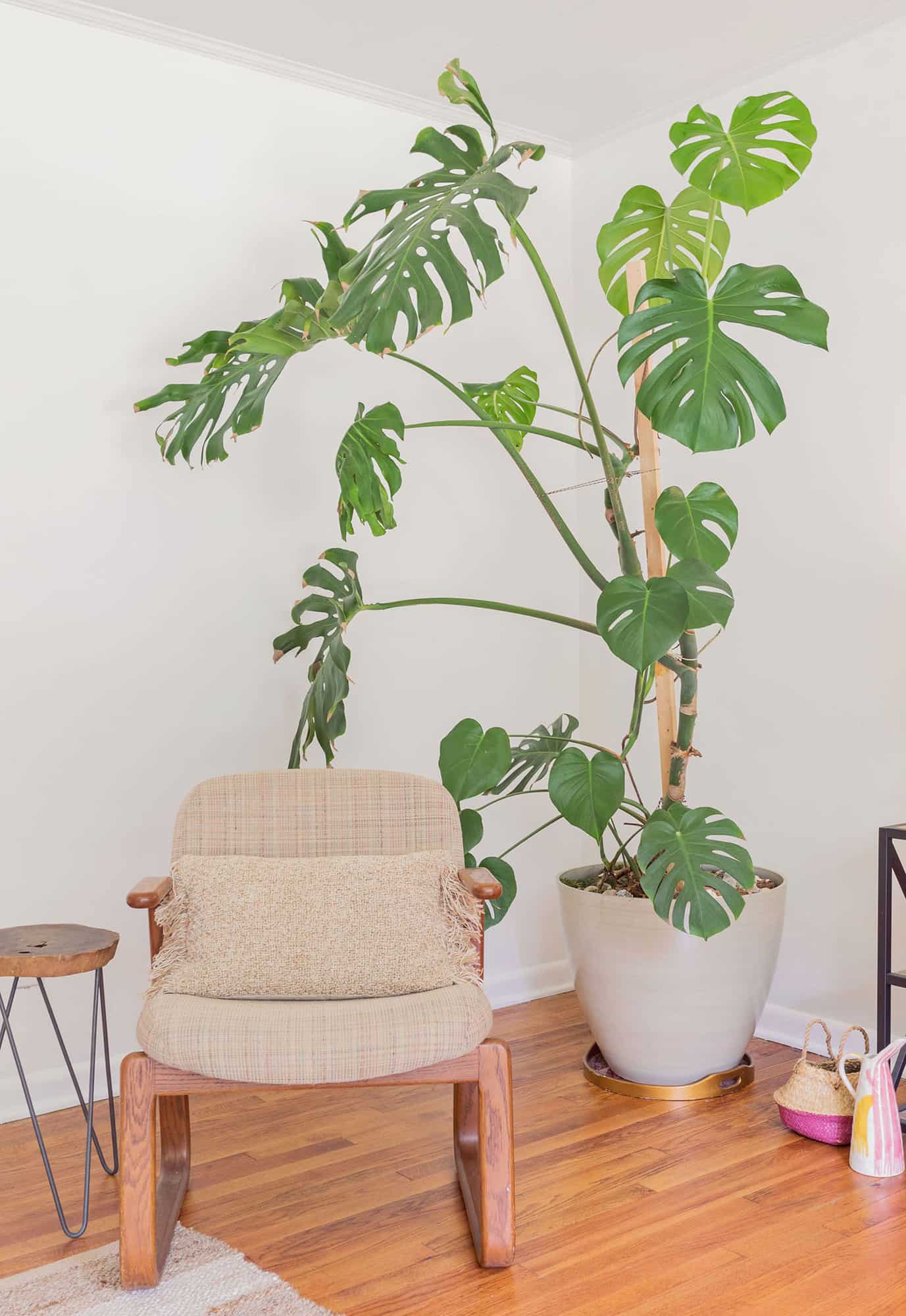
- Size: Monstera plants can grow up to 10 feet tall indoors.
- Growth Habit: They are climbing plants and need support as they grow.
- Light Requirements: They prefer bright, indirect light.
- Watering Needs: Water them when the top inch of soil is dry.
These plants are not only beautiful but also versatile. They can adapt to different environments and are relatively low-maintenance. This makes them a great choice for both beginners and experienced plant lovers.
Geographical Distribution
Understanding where Monstera plants grow can give insights into their care. These tropical plants have a fascinating geographical distribution.
Native Regions
Monstera plants are native to Central and South America. They thrive in tropical rainforests. You can find them in countries like Mexico, Guatemala, and Panama. The climate in these regions is warm and humid. This provides the perfect environment for Monstera plants. In the wild, they climb trees and reach for the sunlight.
Spread To Other Areas
Monstera plants have spread to other parts of the world. They are popular in many homes and gardens. People grow them indoors and outdoors. They have adapted well to new environments. Even in non-tropical regions, Monstera plants can thrive. They need proper care and the right conditions. With adequate light and humidity, these plants can flourish almost anywhere.
Climate And Environment
Monstera plants are popular for their striking appearance and lush leaves. Knowing their climate and environment needs is essential for their growth. This section explores their temperature, humidity, light, and shade preferences.
Temperature And Humidity
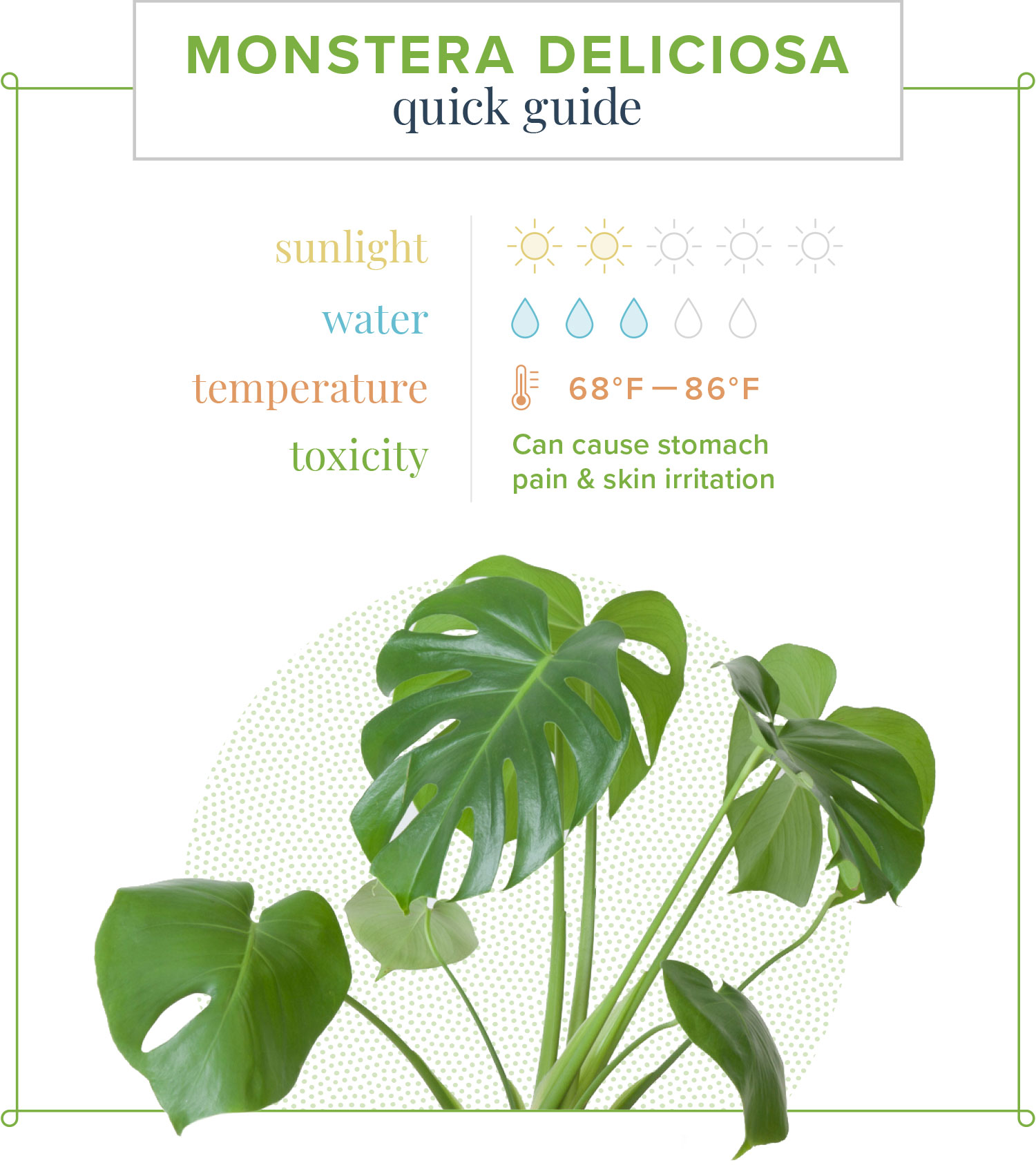
Monstera plants thrive in warm temperatures. The ideal range is between 65°F and 85°F (18°C to 29°C). They dislike cold drafts and sudden temperature changes. So, keeping them away from doors and windows is crucial during winter months.
Humidity is another important factor. These plants prefer high humidity levels, ideally around 60%. If the air in your home is dry, consider using a humidifier or misting the leaves regularly. Placing the plant on a tray filled with water and pebbles can also help maintain the needed humidity.
Light And Shade Preferences
Monstera plants love bright, indirect light. Direct sunlight can scorch their leaves, causing brown spots. Place them near a window with filtered light. North or east-facing windows are ideal. If natural light is insufficient, you can use grow lights to supplement.
They can tolerate low light conditions but may grow slower and produce smaller leaves. Avoid placing them in complete darkness. The plant needs some light to thrive and develop its iconic split leaves.

Forest Ecosystems
Monstera plants thrive in forest ecosystems, where they enjoy a rich, diverse environment. These ecosystems provide the perfect conditions for their growth and development.
Rainforest Habitats
Monstera plants are native to rainforest habitats, particularly in Central and South America. These rainforests offer high humidity, warm temperatures, and plenty of rainfall. Such conditions create an ideal environment for Monstera plants to grow and flourish.
In rainforests, Monstera plants use their aerial roots to climb trees. This allows them to reach sunlight in the dense forest canopy. The large leaves of the Monstera help capture light and water, vital for their growth. These leaves also have natural holes, which help the plant survive strong winds and heavy rain.
Coexistence With Other Flora
In forest ecosystems, Monstera plants coexist with a wide range of other flora. This includes various trees, shrubs, and vines. The relationship between Monstera and these plants is mutually beneficial. The Monstera uses tall trees for support, while its large leaves create shade for smaller plants below.
Here is a table showcasing Monstera’s coexistence with other flora:
| Plant | Role |
|---|---|
| Tall Trees | Provide support for climbing |
| Smaller Plants | Enjoy shade from Monstera leaves |
| Vines | Compete for space and resources |
Monstera plants also contribute to the ecosystem by providing food and shelter for various animals. Their fruit attracts birds and mammals, while their dense foliage offers protection.
Overall, Monstera plants play a vital role in the balance of forest ecosystems. Their unique adaptations make them a key component of these environments.
Soil And Water Requirements
Monstera plants, often known as Swiss Cheese plants, thrive in specific soil and water conditions. Understanding their needs can help you grow healthy, vibrant plants.
Soil Composition
Monstera plants prefer well-draining soil. A mix of potting soil, perlite, and orchid bark works best. This combination ensures proper drainage and aeration. Avoid heavy soils that retain too much water. They can cause root rot and other issues.
Organic matter is also important. Adding compost or leaf mold can enrich the soil. It provides essential nutrients and improves soil structure. This helps the roots spread easily and absorb nutrients.
Moisture Levels
Monstera plants need consistent moisture. The soil should be kept slightly damp. Avoid letting it dry out completely or become waterlogged. Water the plant when the top inch of soil feels dry.
Overwatering can be harmful. Ensure the pot has drainage holes. This prevents excess water from accumulating. Use room temperature water to avoid shocking the roots. A regular watering schedule helps maintain proper moisture levels.
Adaptations And Growth Patterns
Monstera plants, known for their unique leaves, have adapted well to their natural habitats. These plants are native to tropical forests. They thrive under the canopy of trees. Monstera plants have developed specific growth patterns and adaptations to survive. Let’s explore some of their fascinating characteristics.
Climbing And Rooting
Monstera plants are climbers. They use aerial roots to anchor themselves to trees. These roots help them reach for sunlight in dense forests.
Aerial roots absorb moisture and nutrients from the air. This ability is crucial in their natural habitat. It allows them to grow even when the soil is poor. The roots also help them stabilize as they climb higher.
Monstera plants can grow on various surfaces. They do well on trees, rocks, and even walls in homes. This flexibility makes them popular in indoor gardening.
Leaf Development
The leaves of Monstera plants are unique. They are large, glossy, and have holes or splits. This characteristic is called fenestration.
Fenestration helps the plant in several ways:
- Allows light to reach lower leaves.
- Reduces damage from heavy rainfall.
- Improves air circulation around the plant.
Young Monstera plants have heart-shaped leaves. As they mature, the leaves develop their iconic holes and splits. This transformation is a sign of a healthy plant.
Monstera plants grow quickly in the right conditions. They need indirect sunlight, high humidity, and well-draining soil. With proper care, these plants can become a stunning centerpiece in any space.
Role In Local Ecosystems
Monstera plants play a significant role in their native ecosystems. These plants are native to tropical forests in Central and South America. They have unique interactions with the wildlife and the environment around them. This section explores these roles in detail.
Wildlife Interactions
Monstera plants provide shelter and food for various animals. Birds, insects, and mammals often use their broad leaves for cover. The plants’ fruits are a food source for many creatures.
Insects, especially beetles and ants, live on and around these plants. They help with pollination and seed distribution. This creates a thriving mini-ecosystem around the Monstera.
Monstera roots also offer hiding spots for small creatures. This helps maintain a balanced food chain in the forest.
Ecological Impact
Monstera plants contribute to the health of tropical forests. Their large leaves help to regulate the forest’s microclimate. They provide shade and reduce soil erosion.
They also improve soil quality. Their fallen leaves decompose and enrich the soil with nutrients.
Monstera plants are also important for carbon sequestration. They absorb carbon dioxide and release oxygen. This helps to combat climate change.
Here is a summary of their ecological impact:
- Provide shade and reduce soil erosion
- Improve soil quality
- Help in carbon sequestration
These roles make Monstera plants vital for their local ecosystems. They support the health and stability of tropical forests.
Conservation And Protection
Monstera plants, known for their unique leaves, grow in tropical forests. These plants are native to Central and South America. While they thrive in the wild, they face several threats. Protecting these beautiful plants is important for biodiversity. Let’s explore the challenges and efforts in conserving Monstera plants.
Threats To Natural Habitat
Monstera plants face many threats in their natural habitat. Here are the key challenges:
- Deforestation: Clearing forests for agriculture and urban development destroys their habitat.
- Climate Change: Changes in temperature and rainfall patterns affect their growth.
- Illegal Trade: Over-harvesting for ornamental purposes reduces their wild populations.
These threats lead to a decline in Monstera populations. Protecting their natural habitat is crucial for their survival.
Conservation Efforts
Several efforts are being made to conserve Monstera plants. These include:
- Protected Areas: Establishing national parks and reserves helps preserve their habitat.
- Sustainable Harvesting: Promoting responsible harvesting practices ensures their populations remain stable.
- Reforestation Projects: Planting trees and restoring forests provide a safe environment for Monstera plants.
- Education and Awareness: Teaching communities about the importance of conservation helps protect these plants.
These efforts are crucial for the survival of Monstera plants. By addressing the threats and implementing conservation strategies, we can protect these unique plants for future generations.
Growing Monstera At Home
Monstera plants, also called Swiss Cheese Plants, are popular houseplants. They bring a tropical vibe to any home. Growing them indoors is easy with the right care. This guide will help you with tips and tricks for indoor cultivation. Let’s dive into the details.
Indoor Cultivation Tips
- Light: Monstera plants thrive in bright, indirect light. Avoid direct sunlight. It can scorch the leaves.
- Watering: Water the plant when the top inch of soil is dry. Overwatering can cause root rot.
- Humidity: These plants love humidity. Mist the leaves regularly or use a humidifier.
- Temperature: Keep the temperature between 65-85°F (18-29°C). Avoid cold drafts.
- Soil: Use well-draining potting soil. A mix with perlite or peat moss works well.
- Fertilizer: Feed the plant with a balanced liquid fertilizer every month during the growing season.
Common Challenges
| Challenge | Solution |
|---|---|
| Yellow Leaves | Check for overwatering. Allow the soil to dry out between waterings. |
| Brown Leaf Tips | Increase humidity levels. Check for underwatering. |
| Pests | Inspect regularly for pests like spider mites and aphids. Treat with insecticidal soap. |
| Slow Growth | Ensure the plant gets enough light. Fertilize during the growing season. |
Monstera plants can be a beautiful addition to your home. Following these tips will help you keep your plant healthy and thriving. Remember, each plant is unique. Pay attention to its needs and adjust care as necessary.
Frequently Asked Questions
Where Do Monstera Plants Naturally Grow?
Monstera plants naturally grow in tropical rainforests of Central and South America. They thrive in warm, humid environments with indirect sunlight.
Can Monstera Plants Grow Indoors?
Yes, Monstera plants can grow indoors. They need bright, indirect light and regular watering. Ensure the soil is well-draining.
What Is The Best Soil For Monstera?
The best soil for Monstera is a well-draining potting mix. A mix of peat moss, perlite, and orchid bark works well.
How Often Should I Water My Monstera?
Water your Monstera once the top inch of soil is dry. Usually, this means watering every 1-2 weeks.
Conclusion
Monstera plants thrive in tropical climates. They need warmth and humidity to grow well. Indoors, they prefer bright, indirect light. Proper care includes regular watering and feeding. Monstera plants can also grow outdoors in suitable conditions. Their unique leaves add beauty to any space.
With the right environment, these plants flourish. Monstera plants are loved for their striking appearance. They make great additions to homes and gardens. Enjoy nurturing your Monstera and watch it grow beautifully.