
Propagating Monstera plants from cuttings is a rewarding process. It’s also surprisingly easy.
Monstera plants, with their iconic split leaves, are a favorite among plant enthusiasts. If you want to expand your Monstera collection or share it with friends, taking cuttings is the way to go. This method not only helps in multiplying your plants but also ensures healthy growth.
In this guide, we will walk you through the simple steps to make Monstera cuttings. By the end, you will have a clear understanding of how to propagate these beautiful plants. Let’s get started on this green adventure!
Introduction To Monstera Cuttings
Propagating plants can be a fun and rewarding hobby. One of the most popular houseplants for propagation is the Monstera. Known for its large, perforated leaves, the Monstera adds a touch of the tropics to any home. Learning to make Monstera cuttings is easy and can save money on buying new plants.
Benefits Of Propagating Monstera
Propagating Monstera has several benefits:
- Cost-effective: Growing new plants from cuttings is cheaper than buying new plants.
- Plant sharing: Share your propagated plants with friends and family.
- Healthy plants: Propagation can help maintain healthy plant growth.
Ideal Conditions For Growth
Monstera cuttings need the right conditions to grow well. Here are some ideal conditions:
| Condition | Details |
|---|---|
| Light | Bright, indirect light |
| Temperature | 65-85°F (18-29°C) |
| Humidity | High humidity |
| Soil | Well-draining potting mix |
Follow these tips to ensure your Monstera cuttings grow healthy and strong. The right light, temperature, and humidity are key.

Materials Needed
Creating Monstera cuttings is an exciting and rewarding process. To ensure success, gather the right materials. This guide will help you with everything you need.
Essential Tools
Having the right tools makes the process easier. Here is a list of essential tools:
- Sharp Pruning Shears: Clean cuts prevent damage to the plant.
- Disinfectant: Sterilize shears to avoid infections.
- Gloves: Protect your hands while handling the plant.
- Water Container: Keep the cuttings hydrated.
Recommended Potting Mix
Choosing the right potting mix is crucial. It ensures the cuttings root well. Here is a recommended mix:
| Ingredient | Purpose |
|---|---|
| Peat Moss | Retains moisture and provides nutrients. |
| Perlite | Improves drainage and aeration. |
| Bark Chips | Enhances soil structure and drainage. |
Mix these in equal parts for the best results. This mixture provides a balance of moisture retention and drainage, promoting healthy root growth.
Choosing The Right Stem
Choosing the right stem is crucial for successful Monstera cuttings. A healthy stem will increase the chances of your cutting growing roots and becoming a thriving plant. Let’s explore how to identify a healthy stem and avoid common mistakes when selecting a stem for your Monstera cuttings.
Identifying Healthy Stems
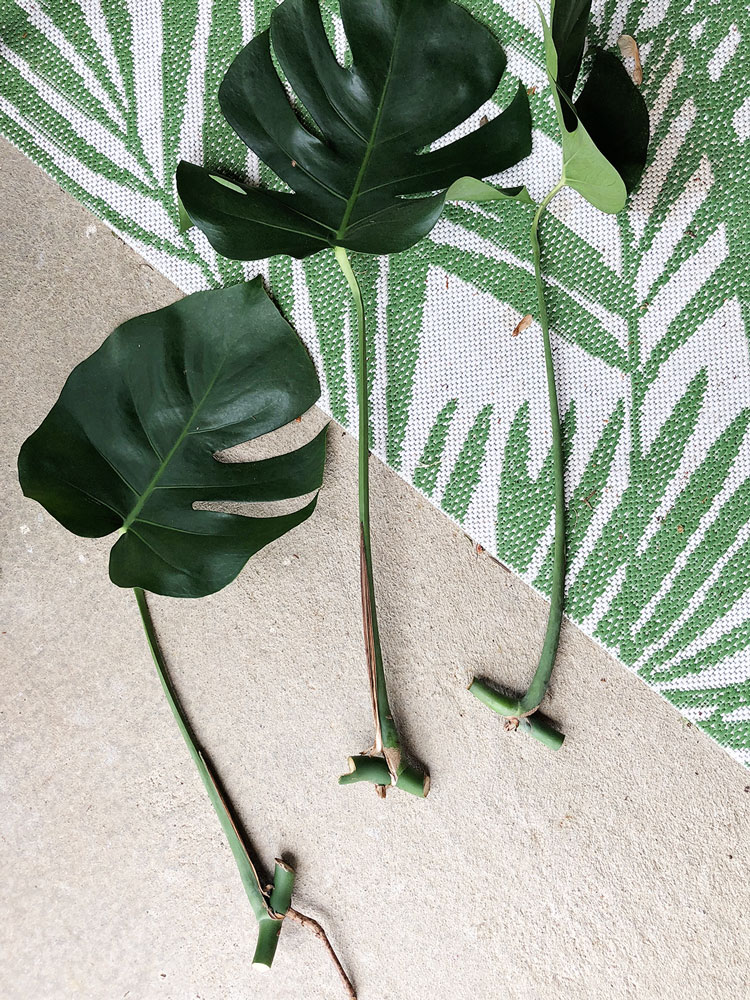
Healthy stems are green and firm. Look for stems with no signs of disease. Avoid stems with brown spots or mushy areas. Check for at least one node. Nodes are the points where leaves or roots grow. A healthy node is essential for new growth. Ensure the stem has a few leaves. Leaves help the cutting photosynthesize and grow roots.
Avoiding Common Mistakes
Do not choose a stem that is too young. Young stems are fragile and may not root well. Avoid stems with pests. Pests can hinder the rooting process. Do not cut too close to the node. Leave a small section of the stem below the node. This helps in planting and stability. Avoid cutting during the wrong season. Spring and summer are the best times for taking cuttings.
Preparing The Cutting
Preparing the cutting is a crucial step in propagating your Monstera plant. This process involves a few simple yet vital steps. Ensuring each step is done correctly can help your Monstera cutting thrive. Let’s dive into the details.
Making The Cut
First, select a healthy stem from your Monstera plant. Look for a stem with at least two or three leaves. Use clean, sharp scissors or a knife. Make a cut just below a node. A node is where a leaf and aerial roots grow from the stem. Ensure the cut is clean and precise.
Trimming Leaves And Nodes
After making the cut, remove any leaves near the bottom. Leaving one or two leaves at the top is ideal. This helps the cutting focus on root growth. Also, trim any aerial roots attached to the node. These roots can support new growth. Place the cutting in water or soil. Make sure the node is submerged if using water. This is essential for root development.
Rooting Methods
Rooting Monstera cuttings can be an exciting process. There are different methods to root these cuttings. The two popular methods are water propagation and soil propagation. Each method has its benefits and steps to follow.
Water Propagation
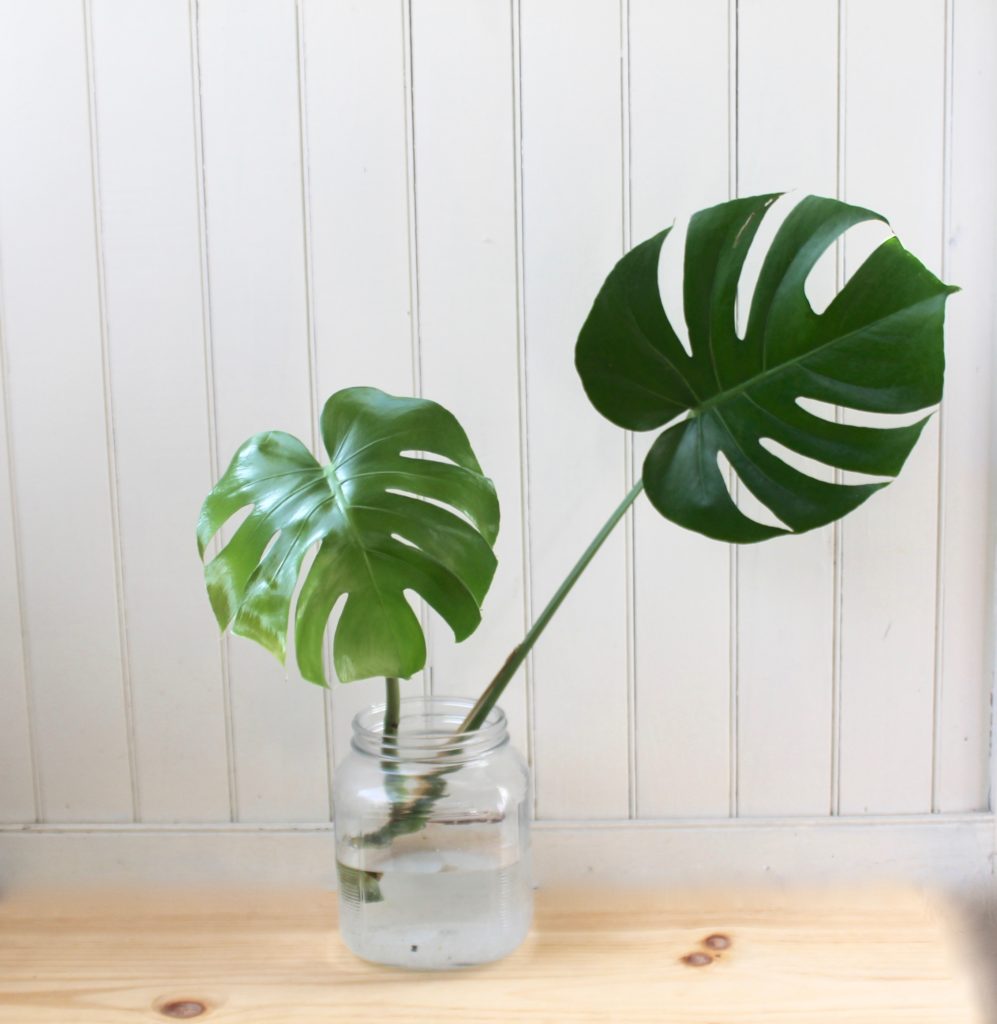
Water propagation is a simple way to root Monstera cuttings. First, cut a stem below a node. Make sure the cutting has at least one leaf. Place the cutting in a clear jar filled with water. The node should be submerged. Place the jar in indirect sunlight. Change the water every few days. Roots will start to form in a few weeks. Once roots are a few inches long, transfer the cutting to soil.
Soil Propagation
Soil propagation is another effective method. Start by cutting a stem below a node. Ensure the cutting has one or two leaves. Dip the cut end in rooting hormone powder. Plant the cutting in a pot with well-draining soil. Water the soil until it’s moist. Cover the pot with a plastic bag to create humidity. Place the pot in indirect sunlight. Keep the soil moist but not soggy. Roots will develop in a few weeks. Remove the plastic bag once new growth appears.
Caring For New Cuttings
Once you have taken your Monstera cuttings, it is crucial to care for them properly. This ensures they grow into healthy plants. Below, you will find essential tips on how to care for your new cuttings.
Ideal Lighting Conditions
Monstera cuttings need the right amount of light. Place your cuttings in a spot with bright, indirect sunlight. Avoid direct sunlight, which can scorch the leaves. If natural light is limited, consider using grow lights. Ensure the lights mimic natural daylight as much as possible.
Watering Tips
Proper watering is vital for Monstera cuttings. Here are some tips:
- Use room temperature water to avoid shocking the cuttings.
- Keep the soil moist but not waterlogged.
- Check the soil regularly to maintain the right moisture level.
- Avoid letting the soil dry out completely.
For water propagation:
- Change the water every few days to keep it fresh.
- Ensure the water level covers at least one node of the cutting.
- Use a transparent container to monitor root growth.
Transplanting To A Pot
Once your Monstera cuttings have developed strong roots, it’s time to transplant them to a pot. This step is crucial for the plant’s growth and health. Follow these simple steps to ensure your Monstera thrives in its new home.
Choosing The Right Pot
Selecting the right pot for your Monstera is essential. The pot should have drainage holes to prevent waterlogging. This helps avoid root rot and other issues. A pot with a diameter of 6-8 inches works well for young cuttings.
Consider using a terracotta pot. It allows better airflow and helps the soil dry evenly. If using a plastic pot, ensure it has adequate drainage holes. A pot with a saucer is useful to catch excess water, keeping your space clean.
Best Soil For Monstera
Monstera plants need well-draining soil. A mix designed for tropical plants is ideal. You can make your own mix using these ingredients:
- 40% peat moss
- 30% perlite
- 30% pine bark
This combination ensures good drainage and aeration. Avoid using heavy garden soil. It can retain too much water, leading to root rot. Using quality soil promotes healthy root development and overall plant growth.
Adding a layer of small stones at the bottom of the pot can help with drainage. Make sure the soil mix fills the pot without compacting it. Loose soil allows roots to grow freely.
| Soil Component | Percentage |
|---|---|
| Peat Moss | 40% |
| Perlite | 30% |
| Pine Bark | 30% |
By choosing the right pot and soil, your Monstera will have a solid foundation to grow. Follow these steps to ensure your plant stays healthy and vibrant.
Common Problems And Solutions
Monstera cuttings are popular due to their ease of propagation. Yet, they can face several common problems. Knowing how to address these can help your cuttings thrive. Below, we discuss two main issues and their solutions.
Dealing With Root Rot
Root rot is a frequent problem for monstera cuttings. It occurs when the roots sit in water for too long. This can cause the roots to decay.
Solution:
- Ensure the pot has proper drainage. This prevents water from stagnating.
- Use a well-draining soil mix. This helps to keep the roots dry.
- Water the cutting sparingly. Only water when the top inch of soil is dry.
- If rot is detected, remove the cutting. Trim the affected roots and replant in fresh soil.
Addressing Leaf Yellowing
Leaf yellowing can be alarming. It often indicates an issue with the cutting’s health.
Solution:
- Check for overwatering: Make sure the soil is not too wet.
- Inspect for pests: Pests can cause yellowing. Treat with appropriate insecticides.
- Provide adequate light: Ensure the cutting gets indirect sunlight.
- Fertilize correctly: Use a balanced fertilizer. Avoid over-fertilizing, as it can damage the cutting.
By addressing these issues promptly, you can ensure your monstera cuttings remain healthy and vibrant.
Encouraging Growth
Encouraging growth in your Monstera cuttings is crucial. Proper care ensures healthy and robust plants. Let’s delve into effective methods to boost growth.
Fertilizing Tips
Fertilize your Monstera cuttings for better growth. Use a balanced, water-soluble fertilizer. Apply it every 4-6 weeks. This provides essential nutrients. Nitrogen promotes leafy growth. Phosphorus supports root development. Potassium enhances overall health. Always dilute the fertilizer to half strength. Over-fertilizing can harm the plant.
Pruning For Healthy Growth
Pruning helps Monstera cuttings grow strong and healthy. Remove any dead or yellow leaves. This directs energy to healthy parts. Trim leggy stems to encourage bushier growth. Use clean, sharp scissors. Make cuts just above leaf nodes. This encourages new growth from these points. Regular pruning keeps your plant in shape and thriving.
Frequently Asked Questions
How Do You Take Monstera Cuttings?
To take Monstera cuttings, locate a healthy stem with a node. Use sterilized scissors to cut below the node. Ensure the cutting has at least one leaf.
Can You Propagate Monstera In Water?
Yes, you can propagate Monstera in water. Place the cutting in a jar of water. Ensure the node is submerged. Change the water weekly.
How Long Do Monstera Cuttings Take To Root?
Monstera cuttings typically take 2-4 weeks to root. Rooting time can vary based on conditions. Ensure the cutting has adequate light and humidity.
What Is The Best Time To Take Monstera Cuttings?
The best time to take Monstera cuttings is in spring or early summer. During this period, the plant is actively growing. This increases the chances of successful propagation.
Conclusion
Creating Monstera cuttings is easy and rewarding. Follow the steps carefully. Healthy cuttings lead to beautiful new plants. Remember to use clean tools. Keep an eye on your cuttings. Provide proper light and water. Soon, you’ll see roots growing. Happy gardening!