
Yes, Monstera can live in water. It’s possible to grow them hydroponically.
This means you can enjoy your Monstera without soil. Monstera plants are popular for their large, unique leaves. Many plant lovers wonder if they can grow these beauties in water. Growing Monstera in water can be a fun and interesting way to keep your plant healthy.
It can also be less messy than dealing with soil. This method allows you to see the roots grow, offering a unique perspective on your plant’s life. Plus, it’s a great way to avoid some common soil issues like pests or root rot. Let’s explore how you can successfully grow Monstera in water and enjoy the benefits of hydroponic gardening.
Introduction To Monstera Plants
Monstera plants, often known as the Swiss Cheese Plant, are popular in homes. They are famous for their unique, perforated leaves and easy care. Many wonder if Monstera plants can live in water. This post explores that topic, starting with an introduction to these interesting plants.
Brief History
Monstera plants originate from tropical regions in Central and South America. They thrive in warm, humid environments. These plants were first documented by European botanists in the 18th century. The word “Monstera” means “monstrous” in Latin, referring to the plant’s large leaves.
Popular Varieties
Several Monstera varieties are popular among plant enthusiasts. Here are a few:
- Monstera Deliciosa: The most common variety, known for its large, split leaves.
- Monstera Adansonii: Also called the Swiss Cheese Vine, it has smaller leaves with more holes.
- Monstera Obliqua: Rare and highly sought after, it has delicate, thin leaves with large holes.
Each variety has unique features, making Monstera plants versatile and appealing.
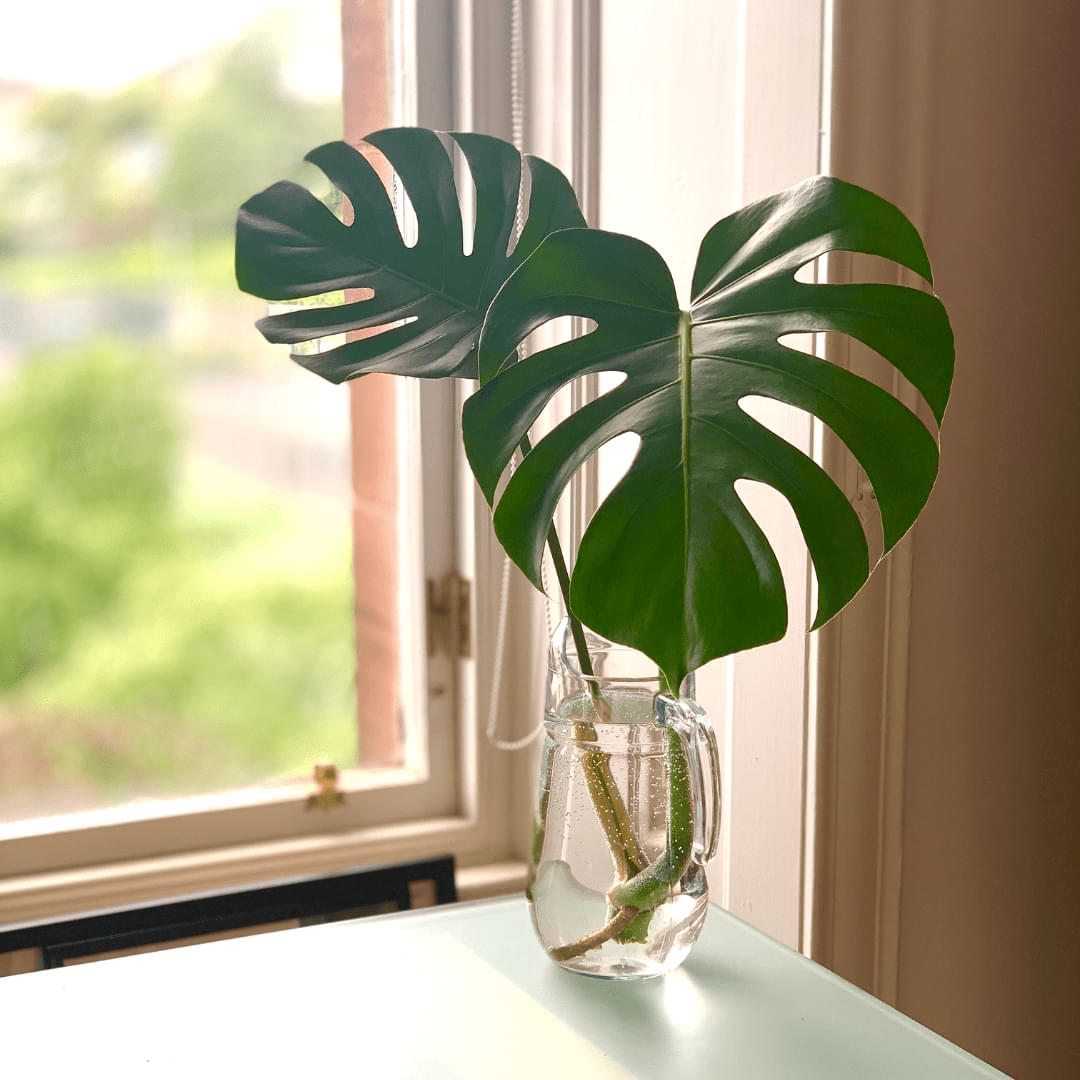
Water Propagation Basics
Water propagation is a popular method to grow Monstera plants. This technique allows you to see root development clearly. It’s simple and effective, making it ideal for beginners.
Necessary Supplies
Before you start, gather the following necessary supplies:
- A healthy Monstera cutting
- A clear glass or jar
- Clean water
- Optional: Rooting hormone
Ensure your Monstera cutting has at least one node. The node is where roots will grow. Use sharp, clean scissors to make the cut.
Ideal Water Conditions
Providing the ideal water conditions is crucial for successful propagation. Follow these guidelines:
| Aspect | Ideal Condition |
|---|---|
| Water Temperature | Room temperature |
| Water Quality | Filtered or distilled |
| Water Level | Just above the node |
Change the water every week to prevent bacterial growth. Clean water ensures healthy root development.
Place the jar in a bright, indirect light location. Direct sunlight can harm the plant. Monitor the water level and top up as needed.
Choosing The Right Cuttings
Growing Monstera in water can be rewarding. The key to success is choosing the right cuttings. Healthy cuttings ensure your Monstera thrives in its new environment.
Selecting Healthy Stems
Start by selecting healthy stems. Look for stems that are green and firm. Avoid stems with yellowing leaves or brown spots. These signs indicate poor health.
- Choose stems with at least one node.
- Ensure the stem is 6 to 12 inches long.
- Look for aerial roots; they aid in water growth.
Proper Cutting Techniques
Use sharp, clean scissors for cutting. This prevents plant damage and reduces infection risks. Follow these steps:
- Identify a healthy stem with a node.
- Make a clean cut just below the node.
- Remove any leaves near the cut end.
Place the cutting in water immediately. Use a clear container. This helps you monitor root growth. Change the water weekly to keep it fresh and oxygenated.
| Step | Description |
|---|---|
| Select Stem | Choose a healthy stem with a node. |
| Make the Cut | Cut below the node with clean scissors. |
| Prepare the Cutting | Remove leaves near the cut end. |
| Place in Water | Use a clear container and change water weekly. |

Rooting Process
Monstera can thrive in water with proper care. Regularly change the water and ensure enough light for healthy growth. This method is perfect for small spaces.
The rooting process is crucial for Monstera plants living in water. It ensures the plant’s health and growth. Understanding each step helps in nurturing a thriving Monstera.Expected Timeline
Roots start appearing within two weeks. Full rooting takes about four to six weeks. This timeline may vary with water quality and temperature. Regularly check the water to ensure it’s clean.Signs Of Healthy Growth
Healthy roots are white and firm. New leaves will appear bright green. These signs indicate the Monstera is thriving. Keep an eye for these indicators to ensure proper growth. “`Maintaining Water Quality
Maintaining water quality is crucial for keeping your Monstera healthy. Poor water quality can lead to root rot and other issues. By focusing on a few key aspects, you can ensure your plant thrives in water.
Changing Water
Fresh water is vital for Monstera. Change the water every 1-2 weeks. This prevents stagnation and reduces the risk of bacterial growth. Use room-temperature water to avoid shocking the plant’s roots.
Monitoring Nutrient Levels
Plants in water need nutrients just like those in soil. Add a few drops of liquid fertilizer every month. Too much fertilizer can harm your plant. Always follow the instructions on the fertilizer bottle. Regularly check the water for cloudiness or unusual odors.

Common Issues And Solutions
Keeping your Monstera plant in water can be a rewarding experience. But it comes with its own set of challenges. Below are some common issues and their solutions to help your Monstera thrive.
Root Rot
Root rot is a frequent issue for Monstera plants grown in water. It occurs when the roots stay too wet and lack oxygen. Signs of root rot include yellowing leaves and a foul smell.
To prevent root rot, follow these tips:
- Change the water every week.
- Use clean containers.
- Trim any mushy or black roots.
If you notice root rot, act quickly. Remove the affected roots and change the water immediately. Ensure the remaining roots are healthy and have proper oxygen flow.
Algae Growth
Algae growth is another common problem. Algae can turn the water green and block light from reaching the roots. This can harm the plant.
To control algae growth:
- Keep your Monstera out of direct sunlight.
- Use dark-colored containers to block light.
- Add a few drops of hydrogen peroxide to the water.
If algae appear, clean the container thoroughly. Replace the water and consider moving the plant to a less sunny location.
Transitioning To Soil
Monstera plants can thrive in water. But at some point, they need soil. Transitioning to soil can help the plant grow stronger and healthier. This process can seem tricky. But with proper guidance, it’s simple and rewarding. Below, we cover the right time and practices to ensure a smooth transition.
When To Move
Observe your Monstera’s roots. When they are about 2-3 inches long, it’s time. Also, if the plant shows signs of stunted growth, consider moving it. Look for yellowing leaves or slow new leaf development. These are signs that the plant needs soil nutrients.
Best Practices
Choose a well-draining potting mix. Monstera plants need good drainage. Waterlogged soil can harm them. A mix of peat, perlite, and orchid bark works well. Also, use a pot with drainage holes.
Gently remove the Monstera from the water. Rinse the roots to remove any algae or residue. Place the plant in the new soil. Fill the pot halfway with the mix, place the roots, and cover them with more soil. Press gently to secure the plant.
Water the plant lightly after potting. Keep the soil moist but not soaked. Place the pot in indirect sunlight. Gradually adjust the watering schedule. Over time, reduce the frequency as the plant adapts.
Expert Tips For Thriving Monstera
Growing a Monstera in water can be a unique experience. But it’s important to know the right conditions. Here are some expert tips to help your Monstera thrive in water. Pay close attention to light and fertilizing needs.
Ideal Light Conditions
Monstera plants need bright, indirect light. Direct sunlight can burn the leaves. Place your Monstera near a window with filtered light. North or east-facing windows are best.
In low light, the plant’s growth will slow. If your Monstera isn’t getting enough light, consider a grow light. Choose an LED grow light for better energy efficiency.
| Light Condition | Impact on Monstera |
|---|---|
| Bright, indirect light | Optimal growth |
| Direct sunlight | Leaf burn |
| Low light | Slow growth |
| LED grow light | Good alternative |
Fertilizing Tips
Monstera plants in water need nutrients. Use a balanced liquid fertilizer. Dilute it to half strength. Fertilize once a month during the growing season.
Avoid over-fertilizing. It can lead to nutrient burn. Always follow the instructions on the fertilizer package.
- Choose a balanced liquid fertilizer.
- Dilute it to half strength.
- Fertilize once a month.
- Avoid over-fertilizing.
In winter, reduce fertilizing. The plant’s growth slows down. Over-fertilizing in winter can harm the plant.
By providing the right light and nutrients, your Monstera will thrive in water. Enjoy watching it grow and flourish!
Frequently Asked Questions
Can Monstera Thrive In Just Water?
Yes, Monstera can thrive in water. Ensure to change the water regularly. Also, provide adequate indirect sunlight.
How Long Can Monstera Live In Water?
Monstera can live in water indefinitely with proper care. Regular water changes and nutrients are essential.
Do Monstera Plants Need Soil To Grow?
No, Monstera plants do not need soil to grow. They can thrive in water with proper care.
What Nutrients Do Monstera Need In Water?
Monstera needs essential nutrients like nitrogen, phosphorus, and potassium. Use a balanced liquid fertilizer for best results.
Conclusion
Growing Monstera in water is possible and quite simple. These plants can thrive with proper care. Just ensure clean water and sufficient light. Regularly change the water to avoid stagnation. Root growth may take time, so be patient. Water propagation offers a unique way to enjoy Monstera’s beauty.
Give it a try and watch your plant flourish. Happy growing!