
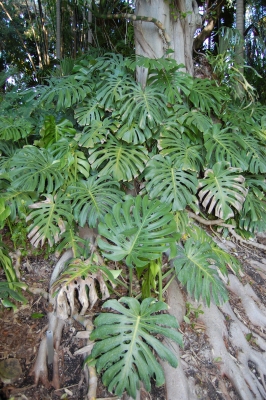
Yes, Monstera is a tropical plant. These plants are native to tropical regions, specifically the rainforests of Central and South America.
They thrive in warm, humid environments with plenty of indirect sunlight. Monstera plants have become popular in homes around the world. Their large, unique leaves add a touch of the tropics to any space. But why are they considered tropical?
It’s all about their origins and natural habitat. Understanding where Monstera comes from can help you care for it better. In this blog post, we will explore what makes Monstera a true tropical plant. You’ll learn about its natural environment, ideal growing conditions, and tips for keeping your Monstera healthy. Let’s dive in and uncover the tropical secrets of Monstera!

Origin Of Monstera
The Monstera plant, known for its unique leaves, is a favorite among plant enthusiasts. Understanding its origin helps in appreciating its growth and beauty.
Native Regions
The Monstera plant is native to tropical rainforests. These regions include parts of Central America and Southern Mexico. The plant thrives in humid climates with filtered sunlight.
Monstera species adapt well to shaded areas. This makes them perfect for indoor environments. Their native habitat provides clues to their care requirements.
Historical Background
Historically, the Monstera plant has been known for its distinctive leaves. The holes and splits in the leaves are natural adaptations. These features help the plant withstand heavy rainfall and wind in its native environment.
Indigenous cultures in Central America have used Monstera plants for various purposes. They utilized different parts of the plant for food and traditional medicine. Over time, the plant has gained popularity around the world.
Today, Monstera species are loved for their ornamental value. They are common in homes and offices, adding a tropical touch to any space.
Monstera’s Tropical Traits
The Monstera plant is known for its lush, green foliage and unique leaf patterns. These traits make it a favorite among plant lovers. Monstera plants thrive in specific conditions. Let’s explore the key tropical traits that define this beloved plant.
Climate Preferences
Monstera plants are native to tropical regions. They flourish in warm, humid environments. Temperatures between 65-85°F (18-29°C) are ideal for their growth. They do not tolerate cold temperatures well. Keep them away from drafts and sudden temperature changes.
Humidity is also crucial. Monstera plants prefer humidity levels of 60% or higher. You might need to use a humidifier or mist the leaves regularly. This helps to keep the plant healthy and vibrant.
Growth Habits
Monstera plants are fast growers. They can reach impressive sizes both indoors and outdoors. In their native habitat, they can climb trees and spread across large areas. Indoors, they need support like a moss pole or trellis.
Their aerial roots help them climb and absorb moisture from the air. This is a typical trait of tropical plants. Regular pruning can help manage their size. You can also propagate cuttings easily to grow new plants.
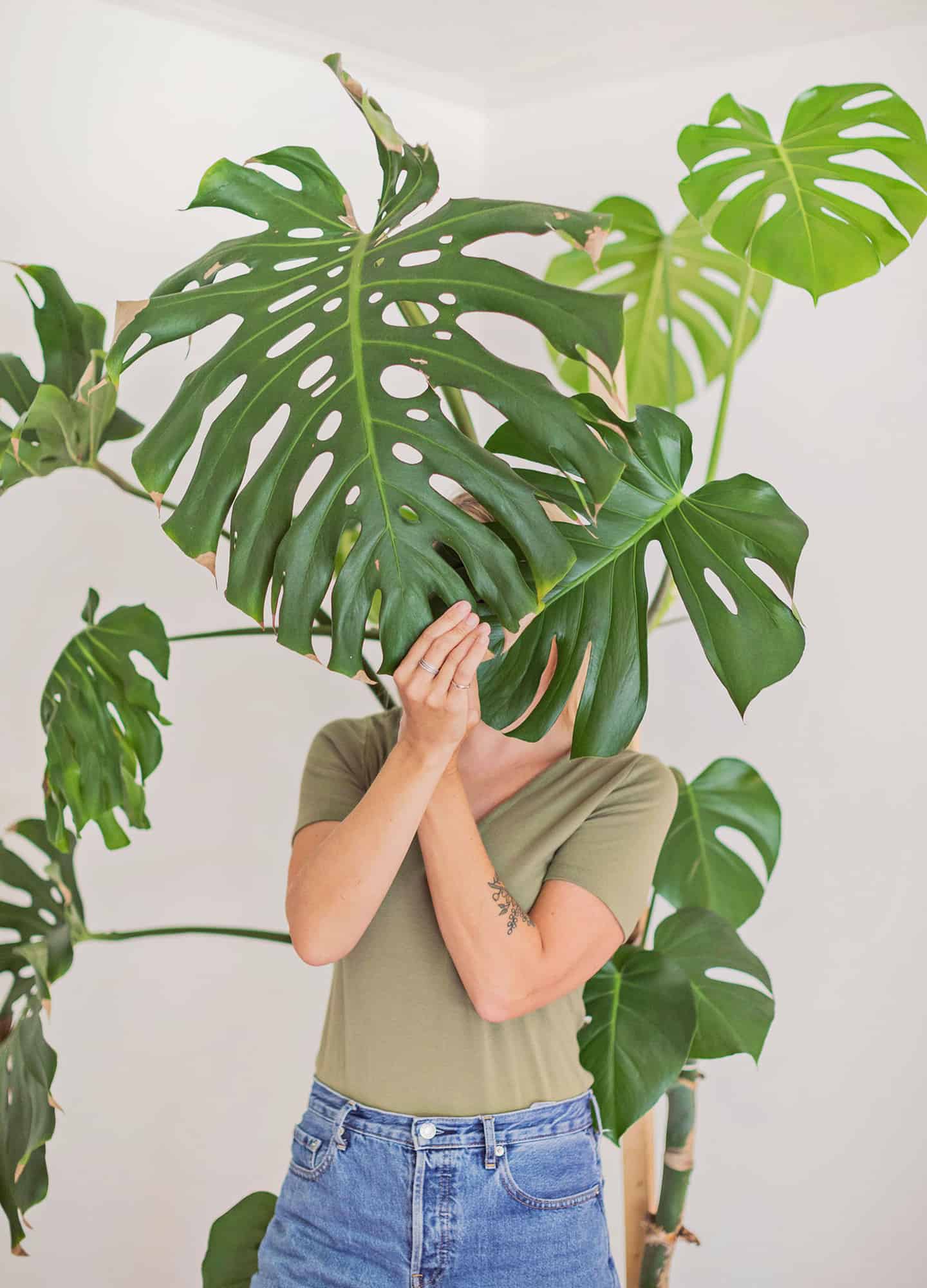
Monstera leaves develop unique splits and holes as they mature. This fenestration allows light to reach lower leaves in dense forests. It’s a key feature that makes Monstera plants stand out.
Adaptability To Indoor Environments
Monstera plants, known for their iconic split leaves, are native to tropical regions. Despite their exotic origins, these plants have proven to be quite adaptable to indoor environments. Let’s explore how you can successfully care for a Monstera indoors, addressing common challenges and providing useful care tips.
Indoor Care Tips
Proper care is essential for a Monstera to thrive indoors. Here are some important tips:
- Light: Place your Monstera in bright, indirect light. Direct sunlight can scorch the leaves.
- Watering: Water the plant when the top inch of soil feels dry. Avoid overwatering as it can lead to root rot.
- Humidity: Monstera plants prefer high humidity. Use a humidifier or mist the leaves regularly.
- Temperature: Keep the temperature between 65°F to 85°F. Avoid placing the plant near cold drafts or heating vents.
- Soil: Use well-draining potting soil. A mix with perlite or orchid bark works well.
Common Challenges
Despite their adaptability, Monstera plants can face a few challenges indoors:
- Yellowing Leaves: This can be caused by overwatering or poor drainage. Ensure the soil dries out between waterings.
- Brown Leaf Tips: Low humidity or inconsistent watering often leads to brown tips. Increase humidity and water consistently.
- Pests: Monstera can attract pests like spider mites and mealybugs. Regularly inspect the plant and treat infestations promptly with insecticidal soap.
- Leggy Growth: Insufficient light can cause leggy growth. Move the plant to a brighter location or supplement with grow lights.
By following these care tips and addressing common challenges, your Monstera can thrive and add a tropical touch to your indoor space.
Monstera Species
The Monstera genus is a fascinating group of tropical plants. They originate from the rainforests of Central and South America. These plants are beloved for their unique leaves and easy care. The Monstera species include many popular varieties, each with its own charm.
Popular Varieties
Monstera Deliciosa is the most famous variety. It is known for its large, split leaves. Another popular type is Monstera Adansonii. It has smaller, heart-shaped leaves with holes. Monstera Obliqua is rare and sought after. Its leaves have more holes than solid parts. These varieties thrive in warm, humid environments.
Unique Characteristics
Monstera plants have aerial roots. These roots help them climb trees in the wild. Their leaves develop splits and holes as they mature. This feature helps them withstand strong winds in their native habitat. Some Monstera species can grow very large. Indoors, they may need support like a moss pole. With proper care, they can be a striking addition to any home.
Benefits Of Growing Monstera
Monstera plants, known for their unique leaves, are tropical beauties. Growing them indoors offers many benefits. They are easy to care for and bring a touch of nature indoors. Let’s explore some of the key benefits of growing Monstera plants.
Aesthetic Appeal
The Monstera plant is a visual treat. Its large, split leaves add a bold statement to any room. The striking green color brings life to dull spaces. Monstera plants fit well in modern and traditional decor. They can be the centerpiece of a room or a subtle accent.
The leaves of the Monstera plant are unique. They have natural holes and splits, giving them a distinct look. This makes them a popular choice for interior design. They look great in pots, hanging baskets, or as part of a plant wall.
| Feature | Benefit |
|---|---|
| Large Leaves | Bold Statement |
| Green Color | Brings Life Indoors |
| Unique Splits | Distinct Look |
Air Purification
Monstera plants are more than just pretty. They also help improve air quality. Indoor air can have many pollutants. Monstera plants can absorb toxins and release fresh oxygen. This makes the air healthier to breathe.
Having indoor plants like Monstera can reduce stress. They create a calming environment. Cleaner air can lead to better health. This is especially true for people with allergies or asthma.
- Absorbs toxins
- Releases oxygen
- Improves air quality
- Reduces stress
Growing a Monstera plant is beneficial. It enhances your home’s beauty and promotes health. A truly perfect indoor plant choice.
Propagation Techniques
Monstera plants, known for their large, beautiful leaves, can be propagated with ease. There are several techniques to propagate Monstera, making it simple to grow new plants at home. The most common methods are stem cuttings and air layering. Each method has its own steps and benefits. Let’s explore these techniques in detail.
Stem Cuttings
Stem cuttings are a popular method to propagate Monstera plants. This technique involves cutting a section of the stem and planting it to grow a new plant. Follow these steps:
- Choose a healthy stem with at least one node.
- Use a clean, sharp knife or scissors to make the cut below the node.
- Remove any leaves near the cut to expose the node.
- Place the cutting in water or moist soil.
- Keep the cutting in a warm, bright spot, but out of direct sunlight.
- Wait for roots to develop, which can take a few weeks.
- Once roots are established, plant the cutting in a pot with soil.
This method is straightforward and effective for many plant lovers.
Air Layering
Air layering is another technique to propagate Monstera plants. It involves encouraging roots to grow on the plant before cutting it. Here’s how to do it:
| Step | Action |
|---|---|
| 1 | Choose a healthy stem and locate a node. |
| 2 | Make a small cut or remove a thin strip of bark around the node. |
| 3 | Apply rooting hormone to the exposed area. |
| 4 | Wrap the area with moist sphagnum moss. |
| 5 | Cover the moss with plastic wrap to retain moisture. |
| 6 | Secure the plastic wrap with twist ties or string. |
| 7 | Check regularly to ensure the moss stays moist. |
| 8 | Wait for roots to develop, usually in a few weeks. |
| 9 | Once roots are visible, cut the stem below the new root ball. |
| 10 | Plant the rooted cutting in soil. |
Air layering can be more time-consuming but often results in a stronger new plant.
Common Misconceptions
Many people have misconceptions about the Monstera plant. Despite its popularity, some myths persist. Here, we will clarify these misconceptions. We will also provide proper care guidelines for your Monstera.
Myths Vs. Facts
- Myth: Monstera is only suitable for tropical climates.
- Fact: While Monstera is native to tropical forests, it can thrive indoors. It adapts well to indoor environments.
- Myth: Monstera needs constant direct sunlight.
- Fact: Direct sunlight can harm the Monstera. It prefers bright, indirect light.
- Myth: Monstera is a high-maintenance plant.
- Fact: Monstera is relatively easy to care for with the right knowledge.
Proper Care Guidelines
To ensure your Monstera thrives, follow these simple care guidelines:
- Lighting: Place your Monstera in bright, indirect light. Avoid direct sunlight to prevent leaf burn.
- Watering: Water your Monstera when the top inch of soil is dry. Do not overwater, as this can lead to root rot.
- Humidity: Monstera prefers high humidity. Mist the leaves regularly or use a humidifier.
- Temperature: Keep your Monstera in a warm environment. Ideal temperatures range between 65-85°F (18-29°C).
- Soil: Use well-draining soil. A mix of peat, perlite, and pine bark works well.
- Fertilizing: Feed your Monstera with a balanced fertilizer every month during the growing season.
By understanding these facts and following the care guidelines, you can enjoy a healthy, thriving Monstera plant in your home.
Frequently Asked Questions
Is Monstera A Tropical Plant?
Yes, Monstera is a tropical plant. It’s native to Central and South America. Monstera thrives in warm, humid environments.
How Do You Care For A Monstera Plant?
Monstera needs indirect sunlight and well-draining soil. Water it when the top soil is dry. Maintain high humidity.
Can Monstera Grow Indoors?
Yes, Monstera can grow indoors. It prefers bright, indirect light. Regular watering and occasional misting help it thrive.
What Is The Ideal Temperature For Monstera?
The ideal temperature for Monstera is between 65°F and 85°F. It does not tolerate cold drafts.
Conclusion
Monstera is indeed a tropical plant. It thrives in warm, humid environments. Perfect for indoor growth with proper care. Its stunning leaves add beauty to any space. Remember to provide enough light and water. Monitor humidity levels for best results.
Monstera’s easy maintenance makes it a popular choice. Enjoy the lush, tropical vibe it brings. Happy planting!