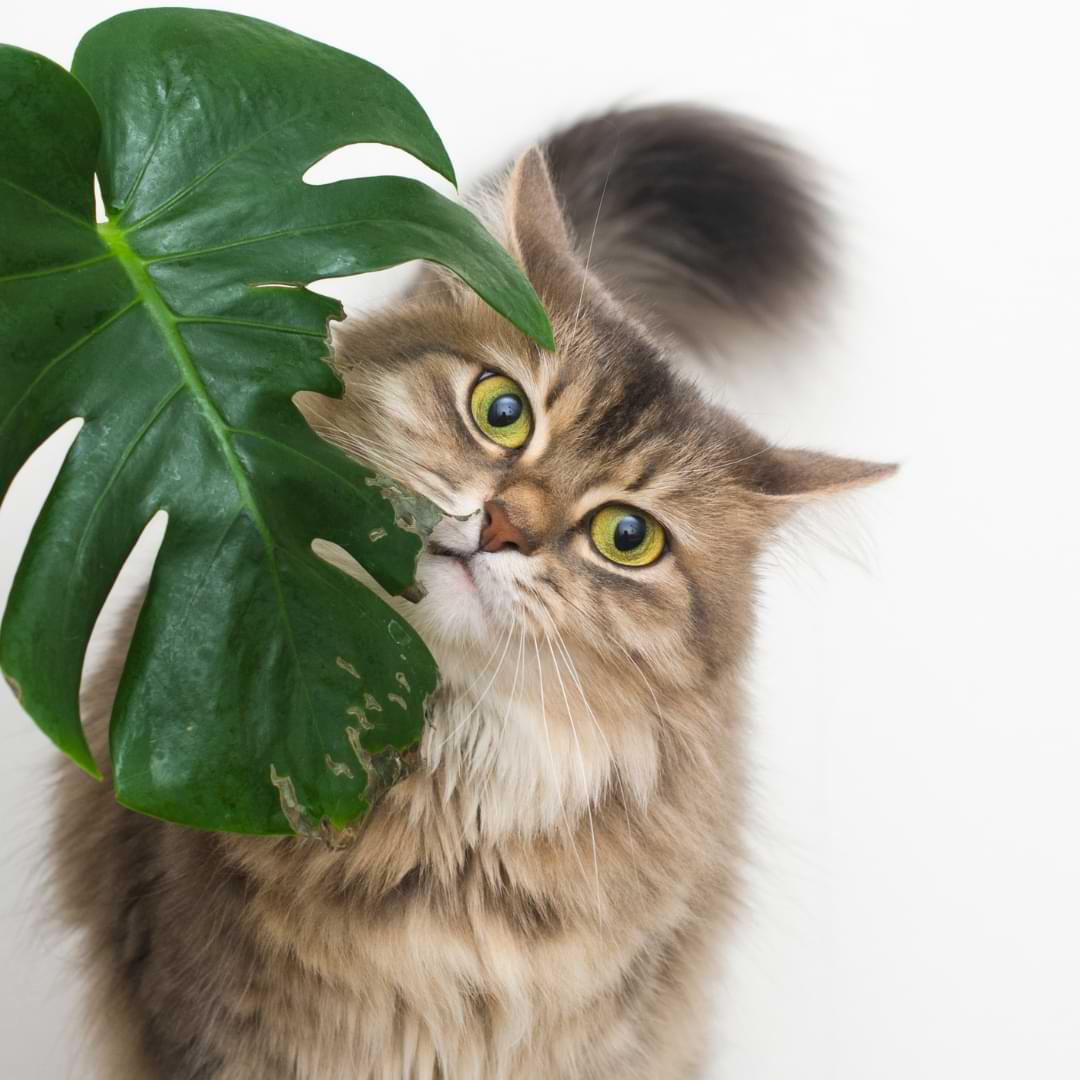
Monstera plants are toxic to cats. Even small amounts can cause harm.
Many cat owners love the look of Monstera plants in their homes. But these beautiful plants can pose a threat to your furry friends. Ingesting Monstera can lead to symptoms like drooling, vomiting, and difficulty swallowing. It’s crucial to understand the risks to keep your cat safe.
This blog will help you learn how much Monstera is toxic to cats and what steps you can take. Knowing these details will help you make informed decisions about your home decor and your pet’s health. Stay tuned to protect your curious cat from potential dangers.
Introduction To Monstera And Cats
The Monstera plant, often known as the Swiss cheese plant, has become a favorite among houseplant enthusiasts. Its striking leaves and easy-care nature make it a popular choice for indoor greenery. However, cat owners must be cautious. Monstera plants are toxic to cats. Understanding this is crucial to keeping your feline friends safe.
Popular Houseplant
Monstera plants are loved for their unique, hole-filled leaves. They thrive in low light and are relatively easy to care for. This makes them ideal for busy households. Many plant lovers appreciate their bold, tropical appearance. They add a touch of nature to any indoor space.
But while Monstera plants are beautiful, they pose a hidden danger. The plant contains calcium oxalate crystals. These can cause irritation and other health issues in cats. It is important for pet owners to understand this risk.
Common Cat Behavior
Cats are naturally curious. They love to explore their environment. This often includes chewing on plants. Unfortunately, this behavior can lead to health problems. If a cat chews on a Monstera plant, it can ingest toxic substances.
Symptoms of Monstera poisoning in cats include drooling, vomiting, and difficulty swallowing. In severe cases, it can lead to more serious health issues. Pet owners should watch for these signs. If you suspect your cat has ingested Monstera, contact a vet immediately.
To keep your cat safe, consider placing Monstera plants out of reach. Alternatively, choose non-toxic plants for your home. Your cat’s health is worth the extra effort.
Toxicity Of Monstera
Monstera plants, with their beautiful, large leaves, are popular houseplants. But, these plants can pose serious risks to cats. Understanding the toxicity of Monstera is crucial for pet owners.
Toxic Components
Monstera plants contain calcium oxalate crystals. These crystals are the main toxic component. When ingested, they can cause harm to cats.
The calcium oxalate crystals are found in all parts of the Monstera plant. This includes the leaves, stems, and roots. Even a small bite can release these sharp crystals.
These crystals can embed into the tissues of a cat’s mouth. This causes intense pain and irritation. The effects can be immediate and severe.
Effects On Cats
Cats that ingest Monstera may show several symptoms. These can range from mild to severe. Here are the most common effects:
- Oral Irritation: Cats will experience burning and itching in the mouth.
- Swelling: Swelling of the tongue, lips, and mouth is common.
- Drooling: Excessive drooling is a sign of Monstera toxicity.
- Vomiting: Ingestion often leads to nausea and vomiting.
- Difficulty Swallowing: The cat may have trouble swallowing or show reluctance to eat.
In severe cases, a cat may experience difficulty breathing. This is due to swelling of the throat and airway.
Immediate veterinary attention is needed if a cat shows any of these symptoms. The vet can provide supportive care and pain relief. This helps to prevent more serious complications.
Pet owners must be vigilant. Keep Monstera plants out of reach of cats. This is the best way to avoid toxic exposure.
Signs Of Monstera Poisoning
Monstera plants are popular in many homes. Unfortunately, they pose a danger to cats. Knowing the signs of Monstera poisoning can help you act quickly. This can save your pet’s life. Below are the signs that indicate Monstera poisoning in cats.
Early Symptoms
Early symptoms of Monstera poisoning appear soon after ingestion. Your cat may start drooling excessively. Pawing at the mouth is another sign. Vomiting often follows. Look for swelling in the mouth or tongue. Your cat may refuse to eat. Rapid breathing can also occur.
Severe Symptoms
Severe symptoms can develop if your cat eats a lot of Monstera. Difficulty swallowing is a major sign. Severe swelling in the mouth and throat may occur. This can lead to breathing problems. Your cat may become lethargic. In extreme cases, kidney failure can develop. Immediate veterinary care is crucial at this stage.
Immediate Actions
Immediate actions are crucial if your cat ingests Monstera. The plant contains calcium oxalate crystals which can cause irritation and swelling. Knowing what to do can save your pet from severe discomfort and health issues. Let’s look at the first steps you should take.
First Aid
If your cat chews on Monstera, remove plant pieces from its mouth. Rinse your cat’s mouth with water to help reduce irritation. Ensure the cat drinks water to flush out any remaining toxins. Offer a small amount of dairy, like milk or yogurt, to help bind the crystals. Do not induce vomiting without veterinary advice. Monitor your cat closely for any signs of distress.
When To See A Vet
Seek immediate veterinary care if your cat shows symptoms like excessive drooling, pawing at the mouth, or difficulty swallowing. Other signs include vomiting, loss of appetite, and lethargy. The vet may provide treatments like fluid therapy or medications to reduce swelling and pain. Early intervention can prevent severe complications and ensure a quicker recovery for your cat.
Preventing Exposure
To keep your cat safe from the toxic effects of Monstera, it’s important to prevent any direct contact. By taking a few precautionary steps, you can enjoy your plants while keeping your furry friend healthy.
Placement Of Plants
Strategically place your Monstera plants in areas that are out of your cat’s reach. Consider high shelves or hanging baskets. Cats are curious and may jump, so ensure the chosen spots are truly inaccessible.
Use barriers or room dividers to create plant-free zones. These can effectively keep your cat away from potentially harmful plants.
Alternative Plants
Replace toxic plants with cat-safe alternatives. Some excellent options include:
- Spider Plant (Chlorophytum comosum)
- Areca Palm (Dypsis lutescens)
- Bamboo Palm (Chamaedorea seifrizii)
- Boston Fern (Nephrolepis exaltata)
These plants add beauty to your home and are safe for pets.
Keep a list of non-toxic plants handy. This helps you choose wisely when shopping for new greenery.
| Plant Name | Safe for Cats? |
|---|---|
| Monstera | No |
| Spider Plant | Yes |
| Areca Palm | Yes |
| Boston Fern | Yes |
Use these guidelines to create a safe and beautiful living space for both you and your cat.
Safe Houseplants For Cats
Having plants at home brings a touch of nature indoors. But it’s important to choose plants that are safe for your furry friends. Not all plants are pet-friendly. Some can be harmful if ingested. This section will guide you on safe houseplants for cats.
Non-toxic Options
Many houseplants are safe for cats. Here are some great choices:
- Spider Plant – Easy to grow and safe for cats.
- Areca Palm – Adds a tropical feel without risk.
- Boston Fern – Attractive and non-toxic.
- Money Tree – Safe and brings good luck.
- Calathea – Beautiful foliage and cat-friendly.
Benefits Of Safe Plants
Safe plants have many benefits for both you and your cats:
| Benefit | Description |
|---|---|
| Purify Air | Plants like Spider Plants clean the air. |
| Stress Relief | Greenery can reduce stress for both humans and pets. |
| Decoration | Non-toxic plants add beauty to your home. |
| Pet Safety | Choosing safe plants ensures your cat’s well-being. |
Choosing the right plants keeps your home beautiful and safe. It’s a win-win for you and your furry friends.
Creating A Cat-friendly Home
Monstera plants can be toxic to cats if ingested in large amounts. Eating even a small piece may cause symptoms like vomiting and drooling. Keep Monstera out of reach to ensure your feline friend’s safety.
Creating a cat-friendly home is essential for your pet’s safety and happiness. Cats are curious by nature. They love to explore every nook and cranny of your house. This can be risky if you have plants like Monstera that are toxic to them.Cat-safe Areas
Designate cat-safe areas in your home. These should be free of toxic plants. Use shelves or hanging pots for plants that are not cat-friendly. This way, your cat cannot reach them. Also, consider using room dividers. They can help keep your cat away from specific areas. This simple step can protect your cat from harmful substances.Engaging Alternatives
Provide engaging alternatives for your cat. Offer cat grass or catnip plants. They are safe and enjoyable for your furry friend. Invest in cat trees or scratching posts. These can keep your cat entertained and away from dangerous plants. Toys and interactive play sessions also help. They keep your cat’s curiosity satisfied and reduce the risk of plant nibbling. By following these steps, you can create a safe and happy environment for your cat. “`
Consulting With Veterinarians
Monstera plants can be toxic to cats. They contain calcium oxalate crystals, which are harmful when ingested. It’s crucial to consult with a veterinarian if your cat consumes any part of a Monstera plant. Professional advice from a vet can provide guidance on the severity of the situation and the necessary steps to ensure your pet’s safety.
Professional Advice
Veterinarians offer expert advice. They can determine the level of toxicity based on the amount ingested. Here are some steps a vet might recommend:
- Inducing vomiting to expel the plant material
- Administering activated charcoal to limit absorption
- Providing IV fluids to prevent dehydration
- Monitoring and managing symptoms such as drooling, vomiting, or difficulty swallowing
Following these steps helps ensure your cat’s well-being.
Regular Check-ups
Regular check-ups with a vet can help detect any health issues early. During these visits, you can discuss any concerns about your cat’s exposure to toxic plants. The vet can also provide tips on pet-proofing your home to avoid accidental ingestion.
Consider scheduling these check-ups at least once a year or more frequently if your cat has had incidents with toxic plants. This proactive approach helps maintain your cat’s health and safety.
Frequently Asked Questions
Is Monstera Toxic To Cats?
Yes, Monstera is toxic to cats. It contains insoluble calcium oxalates that can cause irritation and swelling in the mouth, tongue, and throat.
What Happens If A Cat Eats Monstera?
If a cat eats Monstera, it may experience drooling, vomiting, difficulty swallowing, and oral irritation. Seek veterinary care immediately.
How Much Monstera Is Harmful To Cats?
Even a small amount of Monstera can be harmful to cats. Any ingestion should be treated seriously and a vet should be consulted.
Are All Parts Of Monstera Toxic To Cats?
Yes, all parts of the Monstera plant are toxic to cats. Leaves, stems, and roots all contain harmful substances.
Conclusion
Monstera plants can be harmful to cats. It’s crucial to keep them separate. Cats might chew on the leaves and get sick. Always monitor your pets around houseplants. Consider safer alternatives for your home. Pet-friendly plants can keep your cats healthy and happy.
Your furry friends’ safety should always come first. Protecting them from toxic plants is essential. Stay informed and make the best choices for your pets.
Leave a Reply