
Yes, you should trim Monstera roots. This helps the plant stay healthy and grow better.
Monstera plants are popular for their unique leaves and easy care. But their roots can grow quickly and become crowded. Overgrown roots can harm the plant, making it weak and less beautiful. Trimming the roots is a simple task that keeps the plant happy.
This blog will guide you on how and when to trim Monstera roots. This ensures your Monstera stays in top shape. Let’s dive in and learn the best ways to take care of your plant’s roots.
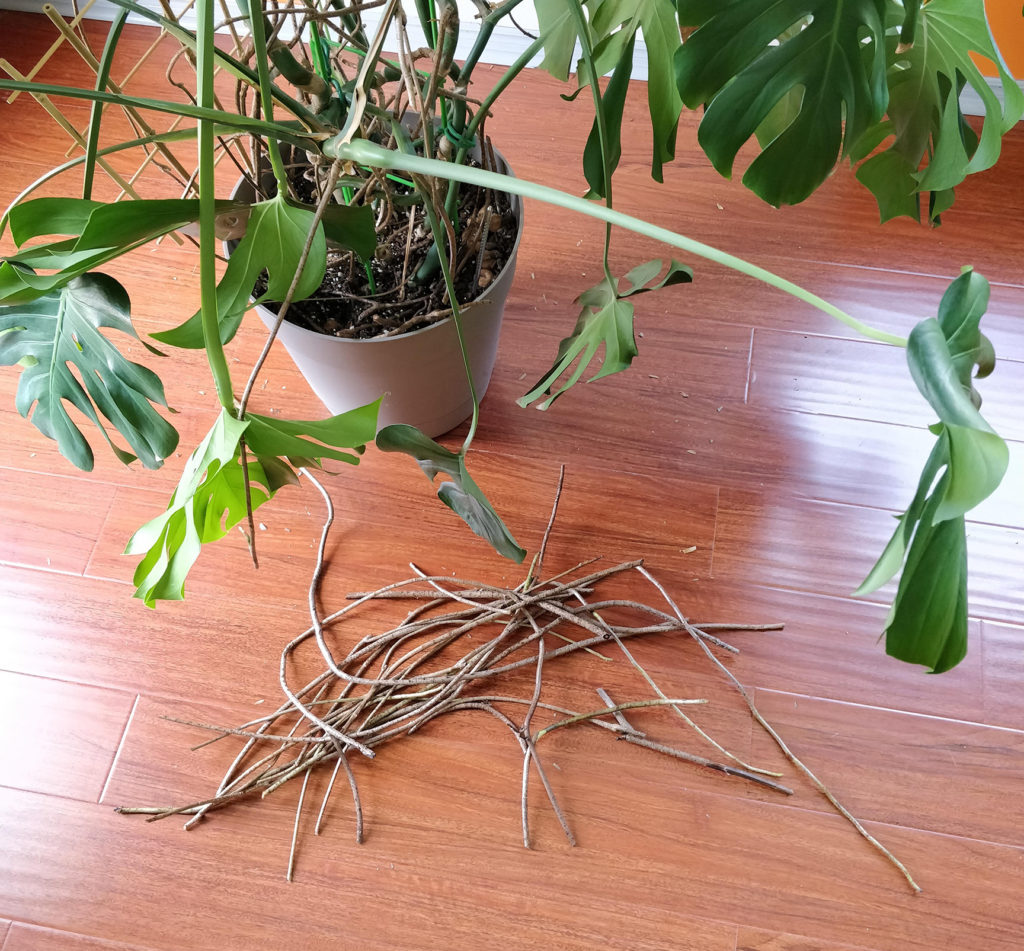
Importance Of Root Trimming
Trimming the roots of your Monstera plant is an essential practice. It helps maintain the plant’s health and supports its growth. Cutting back the roots can prevent many potential issues. Let’s explore why this is important.
Healthy Growth
Root trimming ensures that your Monstera plant grows in a healthy manner. The roots absorb nutrients and water. When they are trimmed, new roots grow. This process can make the plant stronger and more vibrant.
Plants with healthy roots are more resistant to diseases. They also have a better ability to absorb nutrients. By trimming the roots, you help the plant stay robust and healthy.
Preventing Overcrowding
Overcrowding can be a significant issue for Monstera plants. When the roots grow too much, they can take up too much space. This can limit the plant’s access to nutrients and water.
Root trimming prevents this overcrowding. By cutting back the roots, you give the plant more room to grow. This helps the plant receive the nutrients it needs. It also helps keep the soil healthy.
Here is a simple table to show the benefits of root trimming:
| Benefit | Description |
|---|---|
| Healthy Growth | Promotes new root growth and nutrient absorption. |
| Prevents Overcrowding | Ensures roots have enough space to grow. |
| Disease Resistance | Healthy roots are more resistant to diseases. |
Trimming your Monstera’s roots is a crucial step. It helps in maintaining a balanced and healthy plant. Follow these tips to ensure your Monstera thrives.
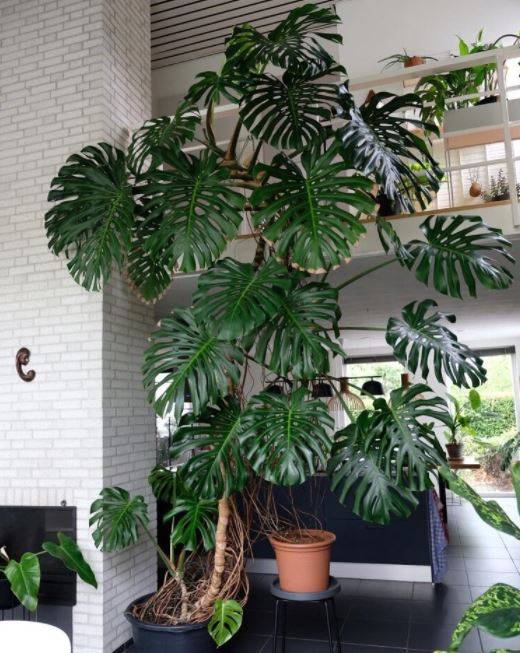
Signs Your Monstera Needs Trimming
Trimming your Monstera roots keeps the plant healthy. But how do you know when it’s time? Here are some clear signs that your Monstera needs trimming.
Root Bound Symptoms
A root-bound Monstera struggles in its pot. Look for roots growing out of the drainage holes. This is a clear sign that the roots need more space.
Another sign is roots circling the bottom of the pot. This restricts water and nutrient absorption. Your plant may look stressed and less vibrant.
Slowed Growth
Has your Monstera stopped growing? Stunted growth can indicate that the roots are overcrowded. The plant lacks the space to expand.
New leaves may be smaller than usual. They might also appear pale or yellow. This points to a problem in the root system.
| Sign | Description |
|---|---|
| Roots Exiting Drainage Holes | Roots visible outside the pot. |
| Circling Roots | Roots circle the pot’s bottom. |
| Stunted Growth | Slow or no new growth. |
| Small Leaves | New leaves are smaller. |
| Pale or Yellow Leaves | Leaves appear unhealthy. |
Tools For Trimming Monstera Roots
Trimming Monstera roots can be a delicate task. Using the right tools is crucial to ensure healthy growth. This section will guide you through the essential equipment and proper sanitizing techniques.
Essential Equipment
Having the right tools makes root trimming easier and safer. You will need a pair of sharp pruning shears. They should be strong enough to cut through thick roots. Scissors can work, but they must be very sharp. A small hand saw may be useful for larger, woody roots.
A pair of gardening gloves can protect your hands. Choose gloves that fit well and allow for dexterity. A clean cloth or paper towels will help you wipe away any dirt or debris from the roots. A container of water can be useful to rinse the roots as you trim.
Sanitizing Tools
Sanitizing your tools is crucial to prevent infection. Use a mixture of water and bleach. Mix one part bleach to nine parts water. Dip your pruning shears or scissors in the solution before and after trimming. This will kill any bacteria or fungi on the blades.
Alternatively, you can use rubbing alcohol. Wipe the blades with a cloth soaked in alcohol. Always dry the tools thoroughly after sanitizing. This prevents rusting and keeps your tools in good condition.
Sanitizing your gloves is also important. Wash them with soap and water after use. Let them dry completely before storing. Clean tools and gloves help maintain a healthy Monstera.
Step-by-step Root Trimming Process
Monstera plants are beloved for their striking leaves and easy care. But sometimes, their roots grow too large. Trimming these roots can help keep your plant healthy and well-maintained. Here’s a step-by-step guide to trimming Monstera roots.
Preparing The Plant
Before you start trimming, gather your tools. You’ll need:
- Sharp scissors or pruning shears
- Clean cloth
- Water
First, remove the Monstera from its pot. Be gentle to avoid damaging the roots. Shake off excess soil and inspect the roots carefully.
Trimming Techniques
Now, you’re ready to trim. Follow these steps:
- Identify the roots to trim: Look for dead, damaged, or overly long roots.
- Make clean cuts: Use your scissors or shears to trim the roots. Cut just above a node to encourage new growth.
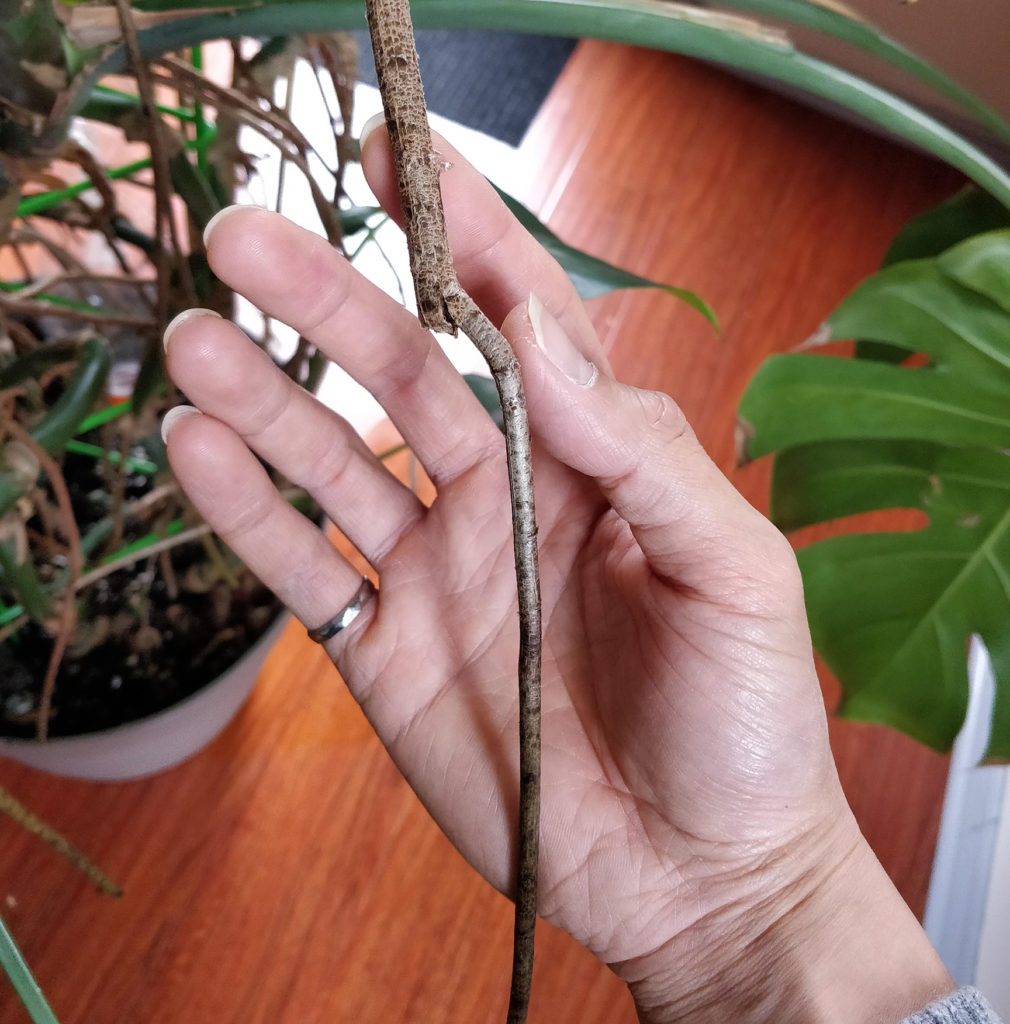
- Trim aerial roots: If aerial roots are too long, trim them back to a manageable length.
- Clean the tools: After trimming, clean your tools with a cloth to remove any sap or residue.
After trimming, repot the Monstera in fresh soil. Water it well and place it back in its usual spot.
| Step | Action |
|---|---|
| 1 | Identify roots to trim |
| 2 | Make clean cuts |
| 3 | Trim aerial roots |
| 4 | Clean the tools |
By following these steps, you can keep your Monstera healthy and thriving. Remember to trim roots regularly to prevent overcrowding.
Post-trimming Care
After trimming the roots of your Monstera plant, it is vital to give it the proper care. This ensures the plant recovers quickly and continues to thrive. Let’s look at some important aspects of post-trimming care.
Watering Tips
Watering your Monstera correctly is key to its recovery. Follow these tips:
- Keep the soil moist, but avoid waterlogging. Excess water can harm trimmed roots.
- Use room-temperature water to avoid shocking the plant.
- Water in the morning. This allows the plant to absorb water throughout the day.
- Check the top inch of soil before watering. If it’s dry, it’s time to water.
Monitoring For Stress
After trimming, your Monstera may show signs of stress. Keep an eye on the following:
- Leaf color: Yellowing leaves may indicate overwatering or underwatering.
- Wilting: This can be a sign of root damage or lack of water.
- Growth rate: Slower growth is normal after trimming. Be patient.
- Pests: Check for pests, as a stressed plant may be more susceptible.
By following these post-trimming care tips, you ensure your Monstera stays healthy and continues to grow beautifully.
Common Mistakes To Avoid
Trimming Monstera roots can stress the plant. Only prune dead or damaged roots. Over-trimming may hinder growth.
Trimming Monstera roots can help keep your plant healthy. But many make common mistakes that can harm the plant. Here are a few pitfalls to avoid.Over-trimming
One common mistake is cutting too many roots. Monstera plants need their roots to absorb water and nutrients. Removing too many can starve the plant. It can also cause stress and slow growth. Always trim only the roots that are damaged or diseased.Ignoring Signs Of Stress
Another mistake is not watching for signs of stress. After trimming, your Monstera may show signs of stress. Yellowing leaves, drooping, or slow growth are common indicators. If you see these signs, take action. Ensure the plant has enough water and light. Check if the soil is well-draining. Responding quickly can help your plant recover faster. “`Frequency Of Root Trimming
Trimming the roots of your Monstera plant is essential for its health. But how often should you do it? Understanding the frequency of root trimming helps your Monstera thrive. Let’s explore the key factors that influence how often you should trim your Monstera roots.
Seasonal Considerations
The time of year affects root growth. Spring and summer are the growing seasons. During these months, your Monstera grows faster. Trim the roots more frequently in these seasons. In fall and winter, growth slows down. Root trimming is less necessary during these colder months.
Growth Rates
Monstera plants have different growth rates. Young plants grow quickly. They may need root trimming every few months. Mature plants grow slower. They might only need trimming once a year. Monitor your plant’s growth. Adjust your trimming schedule based on its needs.
Expert Tips For Healthy Roots
Ensuring the health of your Monstera roots is crucial for the plant’s overall well-being. Healthy roots allow the plant to absorb nutrients and water efficiently, promoting lush growth and vibrant leaves. Here are some expert tips to help you maintain healthy Monstera roots.
Fertilization Practices
Proper fertilization is key for robust root development. Use a balanced, water-soluble fertilizer during the growing season. Apply it every two to four weeks. Avoid over-fertilizing, as this can lead to root burn. Always follow the recommended dosage on the fertilizer packaging. Dilute the fertilizer to half-strength if you’re unsure.
Ideal Soil Conditions
Monstera plants thrive in well-draining soil. A mix of potting soil, perlite, and orchid bark works well. This blend provides good aeration and prevents root rot. Ensure the soil remains moist but not waterlogged. Checking the soil’s moisture level regularly helps. Water the plant when the top inch of soil feels dry. Avoid using heavy, compacted soil, as it can suffocate the roots.
Frequently Asked Questions
Should You Trim Monstera Roots?
Yes, you should trim Monstera roots to promote healthy growth. Trim during repotting or if roots are overgrown.
How Often To Trim Monstera Roots?
Trim Monstera roots every 1-2 years during repotting. This ensures healthy growth and prevents root-bound problems.
What Tools To Use For Trimming Monstera Roots?
Use clean, sharp pruning shears or scissors. This helps prevent damage and reduces the risk of infection.
Can Trimming Roots Harm Monstera?
Trimming roots carefully won’t harm Monstera. Only remove dead, damaged, or excessively long roots for the plant’s health.
Conclusion
Trimming Monstera roots can benefit plant health. It helps manage growth. Regular checks ensure roots stay healthy. Cut only dead or excess roots. Use clean, sharp tools for safety. Watch for signs of overgrowth. Your Monstera will thrive with proper care.
Keep an eye on its needs. Happy gardening!