
Monstera plants are popular for their striking, unique leaves. They can grow quite large and may need support.
Supporting your Monstera is essential for its healthy growth. Without proper support, the plant can become unruly. It may not reach its full potential. Sturdy support helps the plant grow upright and keeps the leaves looking beautiful. There are various ways to support a Monstera.
Each method suits different growth stages and plant sizes. In this guide, we will explore the best ways to support your Monstera. This will help you keep it healthy and thriving. Whether you are new to plant care or an experienced gardener, these tips will be useful. Let’s dive in and find the perfect support for your Monstera!
Choosing The Right Support
Choosing the Right Support for your Monstera plant is crucial for its growth and health. The right support helps the plant’s aerial roots anchor and climb, simulating its natural habitat. With the right support, your Monstera will thrive and develop its characteristic fenestrated leaves.
Types Of Supports
There are several types of supports you can use for your Monstera. Each type offers different benefits:
- Moss Poles: These are popular because they mimic the plant’s natural environment. The aerial roots can easily latch onto the moss, absorbing moisture and nutrients.
- Treillis: A trellis is a grid-like structure that can be placed either vertically or horizontally. It provides a large area for the plant to spread out and climb.
- Stakes: Simple wooden or bamboo stakes can be placed in the soil next to the plant. They provide straightforward support, guiding the plant upwards.
- Wall Hooks: If you want your Monstera to climb a wall, wall hooks can be used. They help anchor the plant to the wall, supporting its vertical growth.
Materials To Use
Choosing the right materials ensures the support is durable and beneficial for the Monstera:
| Material | Benefits |
|---|---|
| Moss | Retains moisture, mimics natural habitat, easy for roots to grip. |
| Bamboo | Strong, durable, and natural looking. |
| Wood | Provides firm support, easy to cut and shape. |
| Metal | Extremely durable, suitable for outdoor use. |
| Plastic | Lightweight, weather-resistant, and easy to clean. |
Installing Supports
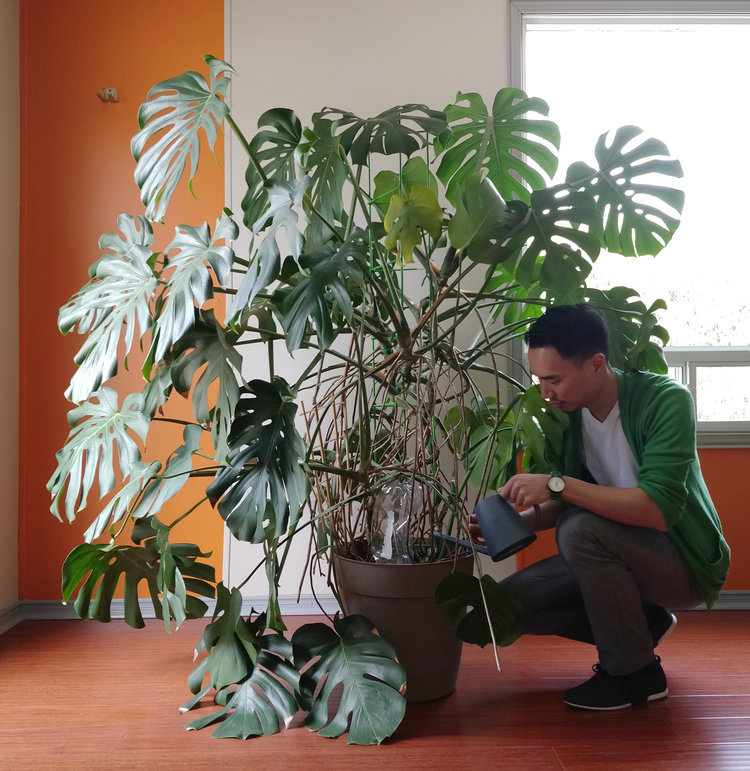
Monstera plants are a favorite for many houseplant enthusiasts. Their large, unique leaves make them a standout feature in any room. To keep them healthy and looking their best, you need to provide the right support. Installing supports helps your Monstera grow tall and strong.
Placement Tips
Choosing the right place for your support is crucial. Here are some tips:
- Ensure the support is close to the main stem.
- Place it deep enough to be stable.
- Consider the plant’s natural growth direction.
Proper placement ensures your Monstera can climb and thrive.
Securing The Support
Once the support is in place, you need to secure it. Follow these steps:
- Use soft ties to avoid damaging the stem.
- Wrap the ties loosely to allow for growth.
- Check and adjust the ties regularly.
Secure supports help your Monstera grow without stress.
| Support Type | Best For | Installation Tips |
|---|---|---|
| Moss Poles | Young plants | Keep moist for better grip. |
| Trellis | Older, larger plants | Secure firmly to the pot. |
| Stakes | Smaller pots | Use multiple for better stability. |
Choose the right support based on your plant’s needs and size.
Training Your Monstera
Training your Monstera can help it grow strong and beautiful. Monstera plants, also known as Swiss Cheese Plants, are popular for their unique leaves. With proper training, you can shape your Monstera to thrive indoors. Let’s explore the best ways to train your Monstera and ensure it stays healthy.
When To Start
Start training your Monstera when it is young and manageable. Early training sets a strong foundation for future growth. Young plants are easier to guide and shape. Look for signs of new growth to begin the training process.
Guiding Growth
Use stakes or moss poles to support your Monstera. Place the stake or pole in the soil near the base of the plant. Gently tie the stem to the support with plant ties or soft string. Check regularly and adjust ties as the plant grows.
Direct the aerial roots towards the support to help the plant climb. Mist the pole or stake to encourage root attachment. Prune any unruly stems to keep the plant tidy and focused on upward growth.
Rotate the plant occasionally to ensure even light exposure. This helps the Monstera grow uniformly and prevents leaning. With patience and care, your Monstera will become a stunning centerpiece.

Pruning Techniques
Pruning techniques are essential for maintaining the health and shape of your Monstera plant. Proper pruning encourages growth, prevents diseases, and keeps your plant looking beautiful. Learn why pruning is important and the best practices to follow for a thriving Monstera.
Why Prune
Pruning helps your Monstera stay healthy. It removes dead or damaged leaves, which can attract pests. Pruning also promotes new growth and gives your plant a fuller appearance. It keeps the plant from becoming too large or unmanageable. Regular pruning improves air circulation, reducing the risk of mold and mildew.
Best Practices
Use clean, sharp tools to prune your Monstera. Sterilize them before and after use to prevent disease spread. Cut just above a leaf node or stem joint for best results. Remove yellow or brown leaves first. Trim back any leggy or overgrown stems. Make clean, precise cuts to avoid damaging the plant.
Prune during the growing season for optimal results. Early spring is ideal. Avoid pruning in winter when the plant is dormant. Pay attention to the plant’s needs and don’t over-prune. A little goes a long way. Your Monstera will thank you with lush, vibrant growth.
Watering And Feeding
Monstera plants thrive with the right watering and feeding routines. Understanding their specific needs ensures they grow healthy and lush. Let’s explore how to water and feed your Monstera effectively.
Optimal Watering Schedule
Monstera plants prefer moist soil, but not soggy. Water them once the top inch of soil feels dry. This usually means watering once a week. Adjust based on your climate and home conditions. During winter, reduce watering frequency as the plant’s growth slows.
Use room temperature water to avoid shocking the roots. Ensure your pot has good drainage to prevent root rot. If water collects in the saucer, empty it after watering.
Nutrient Requirements
Feed your Monstera every two weeks during the growing season, spring and summer. Use a balanced liquid fertilizer diluted to half strength. This provides essential nutrients without overwhelming the plant.
During fall and winter, reduce feeding to once a month or stop altogether. Over-fertilizing can harm your Monstera, causing leaf burn or weak growth. Always follow the instructions on your fertilizer package.
Dealing With Common Issues
Dealing with common issues is crucial to maintaining a healthy Monstera plant. This section covers effective strategies for managing pests and preventing diseases. Addressing these problems promptly ensures your Monstera thrives and remains vibrant.
Pest Control
Monstera plants can attract various pests that harm their growth. Here are some common pests to watch out for and how to control them:
- Spider Mites: These tiny pests create webbing and yellow spots on leaves.
- Mealybugs: White, cotton-like insects that cluster on stems and leaves.
- Aphids: Small, green or black insects that suck sap from new growth.
To manage these pests, use these methods:
- Spray the plant with a mixture of water and mild soap.
- Wipe leaves with a damp cloth to remove pests manually.
- Introduce natural predators like ladybugs for aphids.
Consistent monitoring and early intervention are key to effective pest control.
Disease Prevention
Diseases can also impact your Monstera’s health. Here are common diseases and prevention tips:
| Disease | Symptoms | Prevention Tips |
|---|---|---|
| Root Rot | Yellowing leaves, mushy roots | Ensure well-draining soil, avoid overwatering |
| Leaf Spot | Brown or black spots on leaves | Provide good air circulation, avoid wetting leaves |
| Powdery Mildew | White powdery growth on leaves | Increase air flow, use fungicide if needed |
Regularly inspect your Monstera for signs of disease. Early detection helps in applying the right treatment swiftly.
Seasonal Care
Monstera plants need different care throughout the year. Each season affects their growth. Proper seasonal care ensures they stay healthy and vibrant. Below, find essential tips for winter and summer care.
Winter Care
Winter can be tough for Monstera plants. They need extra attention during this season. Here are some tips to help them thrive:
- Lighting: Ensure your Monstera gets enough light. Place it near a south-facing window. If natural light is limited, use grow lights.
- Watering: Reduce watering frequency. The soil should be slightly dry before watering again. Overwatering can lead to root rot.
- Humidity: Keep the humidity level around 60%. Use a humidifier if needed. Dry indoor air can harm the plant.
- Temperature: Maintain a temperature between 60-75°F (15-24°C). Avoid placing the plant near cold drafts or heating vents.
Summer Tips
Summer is a growing season for Monstera. Provide optimal conditions for robust growth. Follow these tips:
- Lighting: Provide bright, indirect light. Direct sunlight can scorch the leaves.
- Watering: Increase watering frequency. Ensure the soil stays moist but not waterlogged.
- Humidity: Keep humidity levels high. Mist the leaves or use a pebble tray.
- Fertilizing: Feed the plant every 2-4 weeks. Use a balanced liquid fertilizer. This supports vigorous growth.
- Pruning: Trim dead or yellowing leaves. This encourages healthy growth and improves appearance.
By following these seasonal care tips, your Monstera will stay healthy and beautiful all year round.

Advanced Support Techniques
Monstera plants, with their iconic split leaves, are popular indoor plants. As they grow, they need support to keep their structure intact. Advanced support techniques can help your Monstera thrive. This section covers two key methods: Aerial Roots Management and Using Moss Poles.
Aerial Roots Management
Monstera plants develop aerial roots to anchor themselves. These roots seek support naturally. Guide them to a suitable structure. Trim excessive roots to prevent tangling. Use soft ties to secure them gently. This keeps the plant neat and supported.
Using Moss Poles
Moss poles provide excellent support for Monstera plants. They mimic the natural environment. Insert the moss pole into the pot. Ensure it is stable and firm. Attach the stems to the pole using soft ties. The plant will grow upwards, keeping its shape.
Frequently Asked Questions
What Is The Best Way To Support Monstera?
The best way to support Monstera is using a moss pole. It mimics natural tree trunks, providing stability. Secure the stem with soft ties.
Why Does Monstera Need Support?
Monstera needs support to grow vertically and avoid sprawling. It helps the plant stay healthy and stable.
Can I Use A Bamboo Stake For Monstera?
Yes, you can use a bamboo stake for Monstera. It provides good support and is easy to install.
How Often Should I Check Monstera’s Support?
Check Monstera’s support every month. Ensure ties are secure and the plant is stable. Adjust as needed.
Conclusion
Supporting your Monstera properly ensures its healthy growth. Use sturdy stakes or moss poles. They help the plant climb and thrive. Regularly check for signs of overgrowth. Adjust supports as needed. Water and light are key. Keep the environment suitable for Monstera.
Enjoy watching your plant flourish with the right care. Happy gardening!